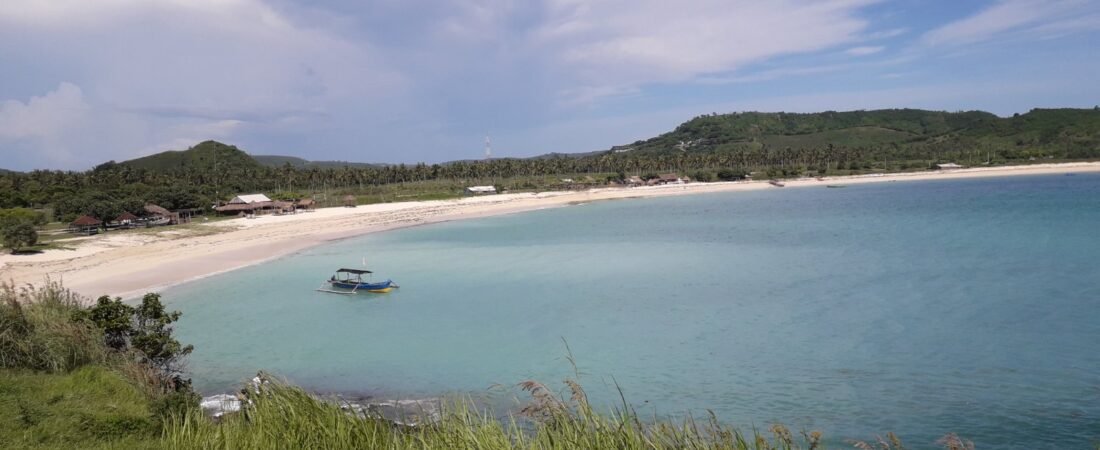
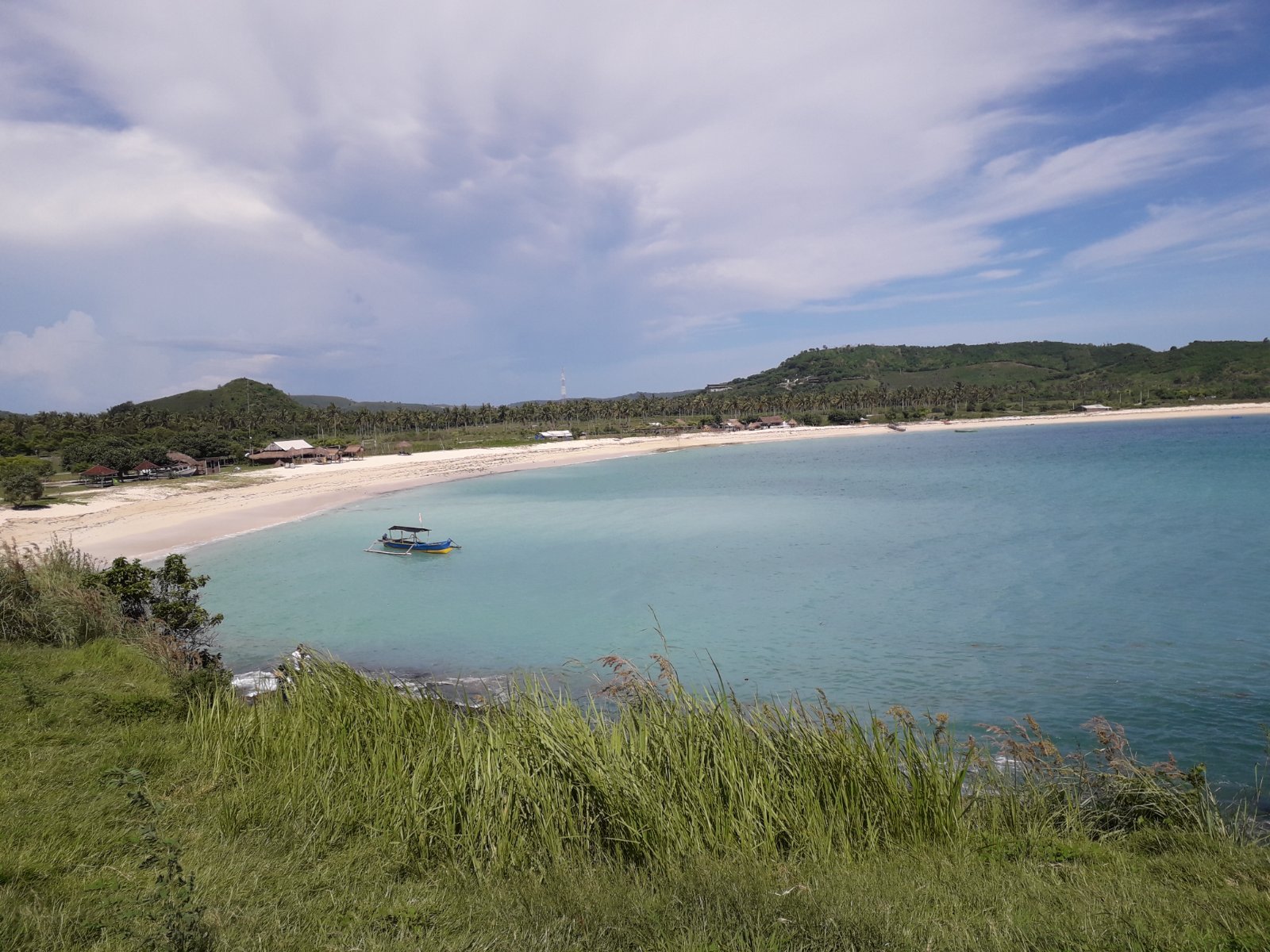
Best Time to Visit Lombok, Indonesia for Luxury Travel
A season-by-season guide to Bali’s quieter neighbor to the east
This guide focuses on timing specifically for travelers planning a luxury stay on Lombok itself, Bali’s quieter neighbor to the east, rather than a Gili Islands boat-hopping trip. Lombok is large enough to have real microclimates: the drier south around Kuta Lombok and Mandalika behaves differently from the wetter slopes of Gunung Rinjani in the north, and a “best time to visit” answer that ignores that split ends up wrong for at least part of the island.
Lombok shares Bali’s broad wet-and-dry monsoon pattern but tends to run somewhat drier overall, particularly in the south, which is one reason surfers and resort developers have concentrated around Kuta Lombok and the Mandalika special economic zone rather than spreading evenly across the island’s coastline. Understanding which part of that pattern applies to your specific plans, rather than treating Lombok as a single climate zone, is the most useful first step in picking dates.
Understanding Lombok’s Two Seasons
Lombok runs on a dry season from roughly April through October and a wet season from November through March, driven by the same Australian monsoon system that shapes weather across Bali and the wider Lesser Sunda Islands. Rainfall in the wet season tends to arrive as short, heavy afternoon downpours rather than all-day rain, so it rarely wipes out an entire day of a trip, but it does affect visibility for diving and the condition of some unpaved roads to more remote beaches, particularly along parts of the south and east coasts that are still less developed than the main Senggigi and Kuta Lombok strips.
Peak Dry Season: July and August
July and August bring the most reliable sunshine, the calmest seas for boat trips to the Gili Islands, and the best surf consistency along the south coast, which makes it the most heavily booked window at Lombok’s luxury resorts. It is also the most expensive and the most likely to require booking rooms several months ahead, particularly around the Mandalika circuit area during any scheduled motorsport events, which can fill every hotel on that stretch of coast for the surrounding week and push rates well above typical peak-season pricing for those specific dates.
Shoulder Months: May, June, September, and October
These months generally offer the best combination of reliable dry-season weather and meaningfully lower rates and availability than peak July and August, making them the window most repeat visitors and long-stay travelers actually prefer. Seas are typically still calm enough for a comfortable Gili Islands boat transfer, and daytime temperatures sit in a similar range to peak season without the same crowding at popular beaches and viewpoints.
Rainy Season: November through March
The wet season brings higher humidity, more frequent afternoon storms, and rougher seas that can occasionally delay or cancel Gili Islands boat transfers for a day at a time. It is also the quietest and least expensive season at most resorts, and many properties run their best promotional rates of the year during this window for travelers who do not mind building a bit of flexibility into each day’s plans around an afternoon downpour. Diving visibility is generally lower during peak wet-season months than in the dry season, which is worth factoring in for a dive-focused trip specifically, particularly around the outer Gili Islands where visibility varies more between seasons than at closer-in Lombok dive sites.
Rinjani Trekking Season
Mount Rinjani, Indonesia’s second-highest volcano and the centerpiece of Gunung Rinjani National Park, has its own separate season that does not track neatly with the island’s general dry-and-wet split. The trekking route is typically closed to climbers during the wettest part of the year, generally around January through March, for safety reasons tied to trail conditions and visibility, and reopens once conditions stabilize later in the dry season, typically by April, though exact dates shift from year to year based on the park authority’s own safety assessment. Travelers building a Rinjani summit attempt into a Lombok trip should confirm current trail status directly with a registered trekking operator rather than assuming the standard dry season applies.
Where to Stay by Region
Senggigi, on the west coast, is Lombok’s longest-established resort strip and includes properties such as Sudamala Suites and Villas and Qunci Villas, both within easy reach of Gili Islands boat departures and close to a wider selection of independent restaurants than the newer resort clusters elsewhere on the island. The Oberoi Beach Resort Lombok sits further north on the quieter Medana Beach, closer to Gili Air and Gili Meno than to Gili Trawangan. Tugu Lombok, on Sire Beach in the north, leans into a design- and art-focused stay rather than a standard beach resort format. The southern Mandalika area, anchored by Kuta Lombok, has grown fastest in recent years around its international surf breaks and the Mandalika circuit development, adding a newer cluster of resorts distinct from the older west-coast strip, built up substantially alongside the Mandalika International Street Circuit, which has hosted MotoGP racing and draws its own short-term surge in visitor demand around race weekends.
| Region | Character | Best Season | Notable Stay |
|---|---|---|---|
| Senggigi (west coast) | Established resort strip | May to October | Sudamala Suites and Villas |
| Medana Beach (north) | Quiet, near Gili Air and Meno | May to October | The Oberoi Beach Resort Lombok |
| Sire Beach (north) | Design-focused, boutique | May to October | Tugu Lombok |
| Kuta Lombok and Mandalika (south) | Surf-focused, fast-growing | June to September for surf | Newer Mandalika-area resorts |
Getting There and Choosing Your Dates
Lombok International Airport, near Praya in the island’s south, takes direct domestic flights from Jakarta, Bali’s Denpasar, and several other Indonesian cities, and a short list of direct international routes from Singapore and Kuala Lumpur. Most travelers still connect through Bali first, either flying onward to Lombok or taking a fast boat directly from Bali’s Padang Bai or Serangan harbors, which is often the simpler option for anyone splitting a trip between Bali and the Gili Islands or northern Lombok. Ferries and speedboats to the Gili Islands run most reliably in the dry season, with reduced schedules and occasional cancellations more common during the roughest wet-season weeks, so travelers with a tight onward connection should avoid scheduling a same-day flight right after a Gili Islands crossing during that period.
For most first-time luxury travelers, the shoulder months of May, June, September, and October offer the best overall balance: dry-season weather, calm seas for Gili transfers, and noticeably better resort availability and rates than the July-August peak. Surfers specifically targeting the south coast’s best swell window should lean toward June through September, while travelers building in a Rinjani trek should treat April, and September through November as the safer planning window and reconfirm trail status closer to the date, since the trek’s own season can shift year to year based on conditions rather than the calendar alone. Booking a trek through a registered operator, rather than an informal guide, is also the more reliable way to get accurate, current information on whether the route is actually open.
Travelers combining Lombok with the nearby Gili Islands should note that boat schedules, not resort bookings, are usually the limiting factor when planning dates around the wet season. Those weighing Lombok against Bali directly can compare with our Bali adults-only resort guide, and travelers planning a wider Indonesian island trip may also want our guides to Belitung Island and to private-island resorts across Southeast Asia more broadly. According to Wonderful Indonesia, the country’s official tourism board, Lombok and the surrounding Nusa Tenggara Barat province have seen steadily growing visitor numbers since the completion of Lombok International Airport and the Mandalika circuit development, which has added meaningfully more resort inventory to the island’s south coast over the past several years and shortened the travel time needed to reach Lombok directly, rather than routing every trip through Bali first. The Indonesian Agency for Meteorology, Climatology, and Geophysics (BMKG) publishes seasonal forecasts that are worth checking closer to a trip date, particularly for travel planned right at the edge of the wet season. Trekking operators registered with Gunung Rinjani National Park also publish current trail status directly, which is the most reliable source ahead of a summit attempt, and generally more current than third-party trekking blogs or older guidebook listings.
Frequently Asked Questions
What is the single best month to visit Lombok?
June and September are generally considered the best balance of dry weather, calm seas, and lower rates than the July-August peak, though July and August remain the most reliably dry months overall.
Is Lombok drier than Bali?
Generally yes, particularly in the south around Kuta Lombok and Mandalika, placeholder-json-only
When is Mount Rinjani closed to trekkers?
The trail is typically closed roughly January through March for safety reasons tied to wet-season trail conditions; always confirm current status with a registered trekking operator before planning a summit attempt.
Can you visit the Gili Islands from Lombok year-round?
Boats run year-round, but wet-season weather from November through March occasionally delays or cancels crossings for a day at a time, so building in a buffer day is sensible during that window.
Is the rainy season worth avoiding entirely?
Not necessarily; rain usually arrives as short afternoon downpours rather than all-day rain, and many resorts offer their best rates during this quieter period for travelers with flexible plans.