Best Time to Visit Siargao: Surf Season, Weather and Crowds
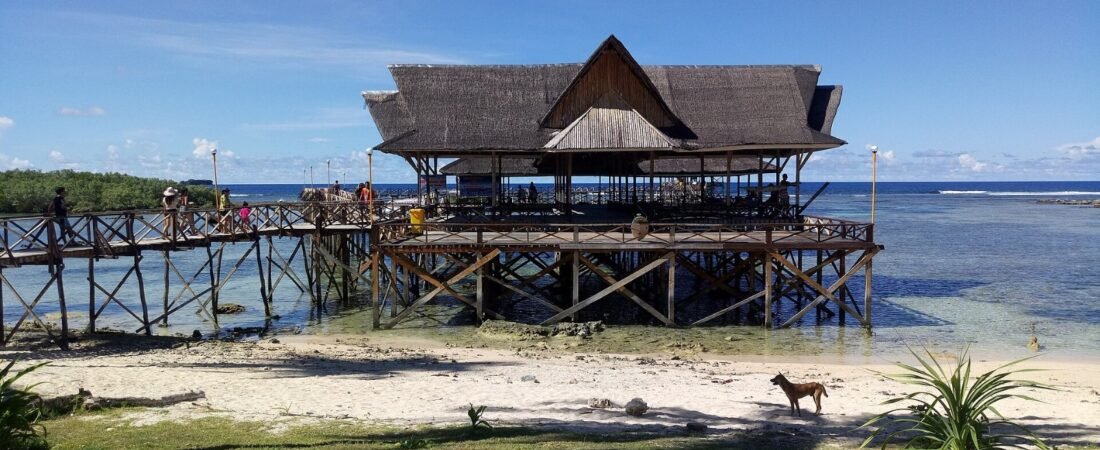
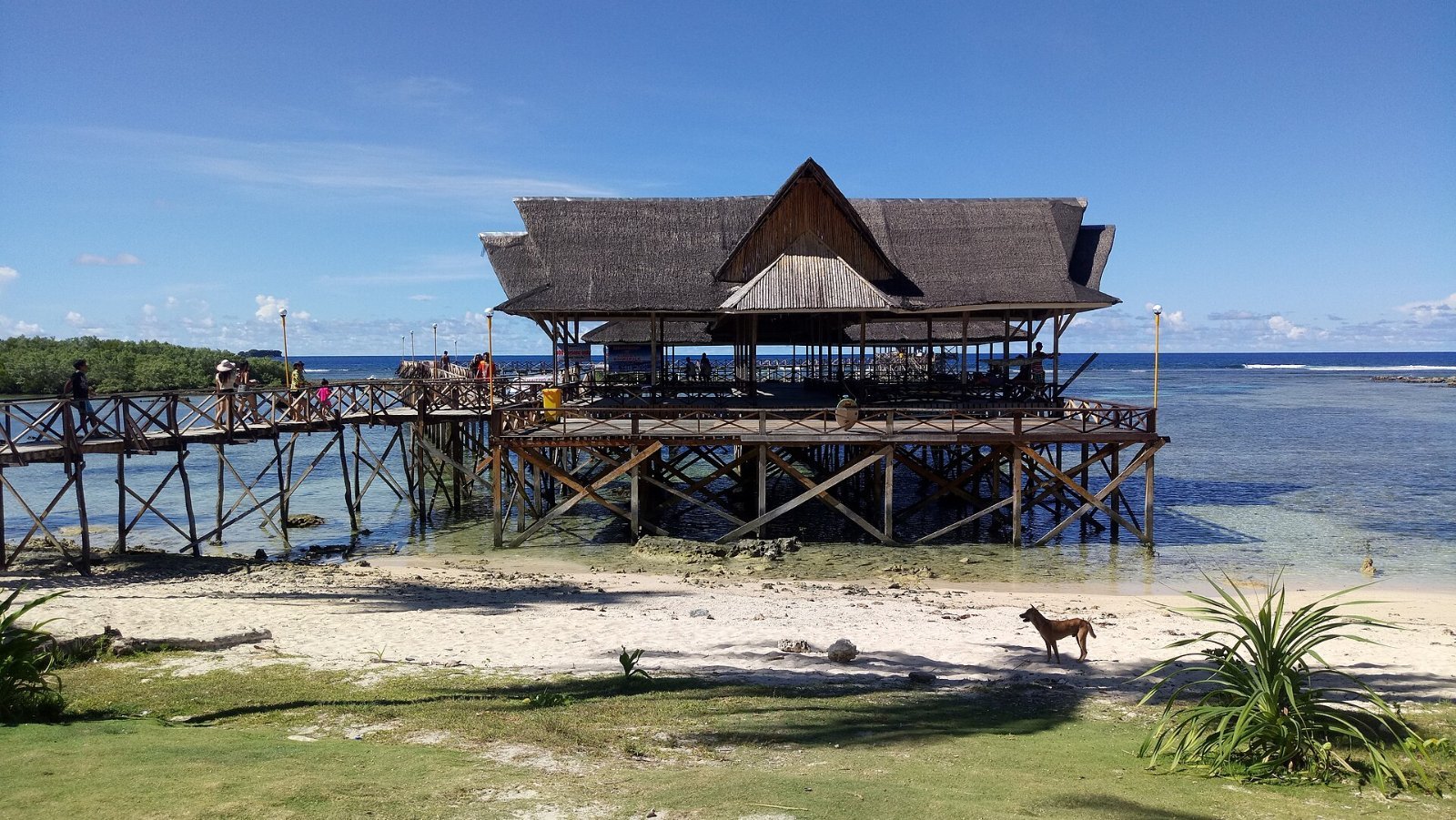
Illustrative island photograph. Not a photograph of the resorts compared below.
Siargao’s weather swings noticeably across the year, and the “best” time to go depends heavily on whether you are chasing surf, calmer seas, or simply the fewest crowds. This guide focuses on Siargao’s seasonal patterns specifically for travelers deciding when to book, breaking the year down by surf conditions, rainfall and typhoon risk, and crowd levels so you can weigh the trade-offs against your own priorities rather than relying on a single blanket recommendation. Because Siargao’s weather can shift quickly even within a single week, treat every seasonal generalization below as a planning guide rather than a guarantee, and build some flexibility into your itinerary regardless of which month you choose. None of this should discourage you from booking a trip; Siargao welcomes visitors year-round, and the vast majority of trips go smoothly regardless of season, provided expectations are set correctly from the start. Use the breakdown below to set those expectations, then pick your window with confidence rather than second-guessing the calendar once you have already booked flights and accommodation, since the flexibility to adapt on the ground matters more than picking a theoretically perfect week.
The Two Broad Seasons
Unlike destinations with a clean four-season calendar, Siargao’s year is better understood as a gradient between “drier and calmer” and “wetter and wavier,” with the transition happening gradually rather than on a fixed date. Local operators and long-term residents tend to talk about conditions in terms of these two broad states rather than strict calendar months, and that framing is more useful for planning than trying to pin the island’s weather to an exact week.
Siargao sits close enough to the equator that temperatures stay warm year-round, so the real distinction is rainfall and swell rather than heat. Roughly March through May forms the drier, calmer window, with smaller surf and more settled seas that suit island hopping and lagoon trips. Roughly June through November brings the wet season, including the Philippines’ broader typhoon-exposed period, with higher rainfall and storm risk concentrated later in that stretch, but also the bigger, more consistent swells that draw serious surfers to Cloud 9. Humidity stays high throughout the year regardless of which season you visit, and even the “drier” months see occasional short, heavy downpours rather than guaranteed unbroken sunshine, so packing for rain is sensible whenever you travel. Sea temperature also stays warm enough for swimming and surfing in any month, which means wetsuits are rarely necessary and the choice of season comes down almost entirely to rainfall, swell, and crowd preferences rather than comfort in the water.
Surf Season in Detail
Surfers generally target August through November as Siargao’s strongest swell window, when Cloud 9 and the island’s other reef breaks see more consistent size and better shape. This period overlaps with the rainier months, so expect more frequent showers and the possibility of a tropical storm disrupting plans, particularly toward October and November. Surf schools and board rental shops stay open year-round, but the beginner-friendly, gentler conditions are more reliably found outside this peak window, when swell size drops but consistency for learners actually improves. Experienced surfers chasing the biggest swells should also expect more competition in the water during the peak window, since word of good conditions travels fast through the surf community, and Cloud 9’s main takeoff zone can get crowded on the best days of the season.
The Drier, Calmer Months
March, April, and May typically bring the calmest seas and least rainfall, making this the preferred window for travelers prioritizing Sugba Lagoon, the Naked Island and Guyam Island boat tour, and Magpupungko’s tidal rock pools over surfing. It is also, unsurprisingly, one of the busier periods for tourism generally, since it lines up with drier weather and, in some years, school holiday periods for both domestic and international visitors. Expect slightly higher accommodation prices and busier boat tours compared with the shoulder months just before or after this window. If your schedule is flexible, booking island-hopping tours a day or two in advance rather than on the day itself becomes more important during this period, since the better-reviewed boat operators can fill up when demand peaks alongside the calmer weather.
Typhoon Risk and What It Means for Planning
Siargao’s location in the southern Philippines places it within reach of the country’s typhoon belt during the wetter months, and storms can disrupt flights, ferries, and boat tours with little notice. Checking forecasts directly through PAGASA, the Philippine national weather agency, in the days before departure and again during your trip is a sensible habit rather than an overreaction. Travel insurance that explicitly covers weather-related trip interruption is worth prioritizing if you are traveling in the June-to-November window, since standard policies do not always cover storm-related cancellations by default. It is also worth keeping a flexible mindset about your itinerary during this window: boat tours to Sugba Lagoon or the Naked Island cluster are the first activities to be postponed when seas get rough, so building a spare day into a trip planned for August through November gives you somewhere to move an activity without losing it entirely.
Month-by-Month Snapshot
| Period | Rainfall | Surf conditions | Crowd levels |
|---|---|---|---|
| March – May | Lower | Smaller, gentler swells | Moderate to high |
| June – July | Increasing | Building swell size | Moderate |
| August – November | Highest, storm risk | Peak size and consistency | High among surfers |
| December – February | Moderate | Variable, often workable | Moderate, holiday spikes |
Matching the Season to Your Trip Type
There is no universally correct time to visit Siargao; there is only the time that matches what you actually want from the trip. A surfer chasing a personal-best wave and a couple wanting a relaxed lagoon-hopping honeymoon are effectively planning around two different islands, even though they are visiting the same place, so it helps to be honest with yourself about which trip you are actually planning before you lock in dates.
If surfing is the main goal, plan around August through November and accept the higher rain and storm risk as the trade-off for better waves; our guide to Siargao’s best surf spots covers where to base yourself for different skill levels. If your trip leans toward lagoons, island hopping, and relaxed beach time, March through May offers the most reliable conditions. Couples planning a Siargao honeymoon often do best in the shoulder months, balancing decent weather against smaller crowds and better availability at the island’s boutique stays. For a broader view of timing across the whole country, see our Philippines best-time-to-visit guide.
Shoulder Season Value
The shoulder periods just before and after the core surf season, roughly late June to July and again in December, often deliver the best overall value: swell is workable without being extreme, rain is present but not constant, and both accommodation and boat tours are easier to book without the peak-season premium. Locals who work in the island’s tourism trade often point newcomers toward these windows specifically because the balance of good conditions and lower prices tends to be underappreciated by first-time visitors who default to the calendar’s obvious extremes. These windows suit travelers who want a taste of real surf conditions without committing to the wettest months, and they are worth considering seriously rather than defaulting automatically to the driest months on the calendar. Domestic Filipino travelers often target these shoulder weeks too, for the same reason, so while they are quieter than the absolute peak, they are not empty, and popular guesthouses still benefit from an advance booking rather than a same-week walk-in. For a general destination overview before you lock in dates, our Siargao travel guide and Siargao’s Wikipedia entry are useful starting points, alongside the Philippine Department of Tourism for broader travel advisories. Photographers chasing dramatic skies often prefer the transitional weeks between seasons, when clearing storms leave behind the kind of layered cloud formations that make for striking sunset shots over Cloud 9’s lineup, even if the conditions underfoot are less predictable than in the driest months.
Frequently Asked Questions
What is the single best month to visit Siargao?
There is no single best month; it depends on your priority. October offers strong surf but higher storm risk, while April offers calmer seas and easier island hopping.
Is it safe to visit Siargao during typhoon season?
Generally yes with sensible precautions, but check forecasts before and during your trip and buy travel insurance that covers weather-related disruption.
When is Siargao least crowded?
The shoulder months around June-July and December tend to be quieter than the peak surf season or the driest, most popular months.
Do I need surf experience to visit during peak swell season?
No, but beginners may find conditions more challenging during the biggest swell months and might prefer a calmer period for their first lessons.
How much does weather actually disrupt a typical trip?
Most trips proceed as planned, but flight delays and cancelled boat tours become more likely during the peak rainy and storm-prone months.