Best Time to Visit Zanzibar 2026: Month-by-Month
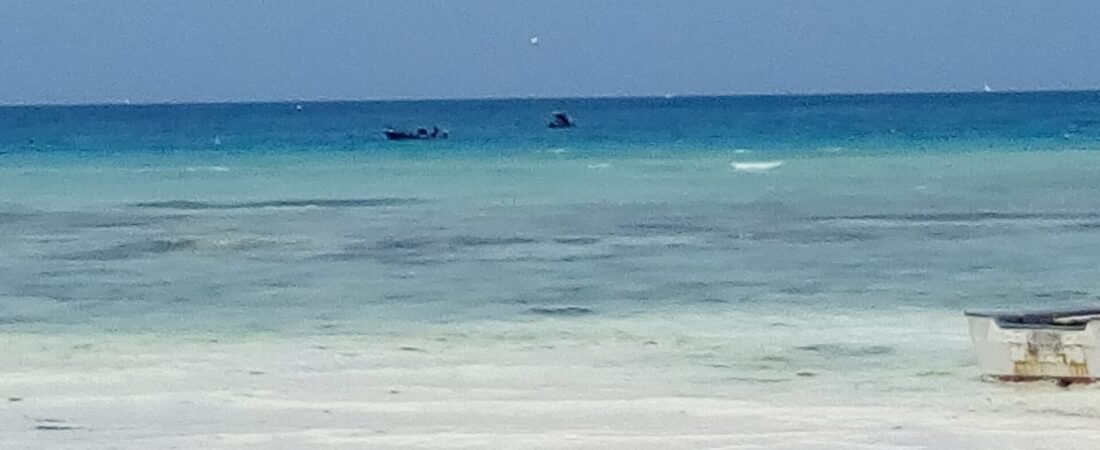
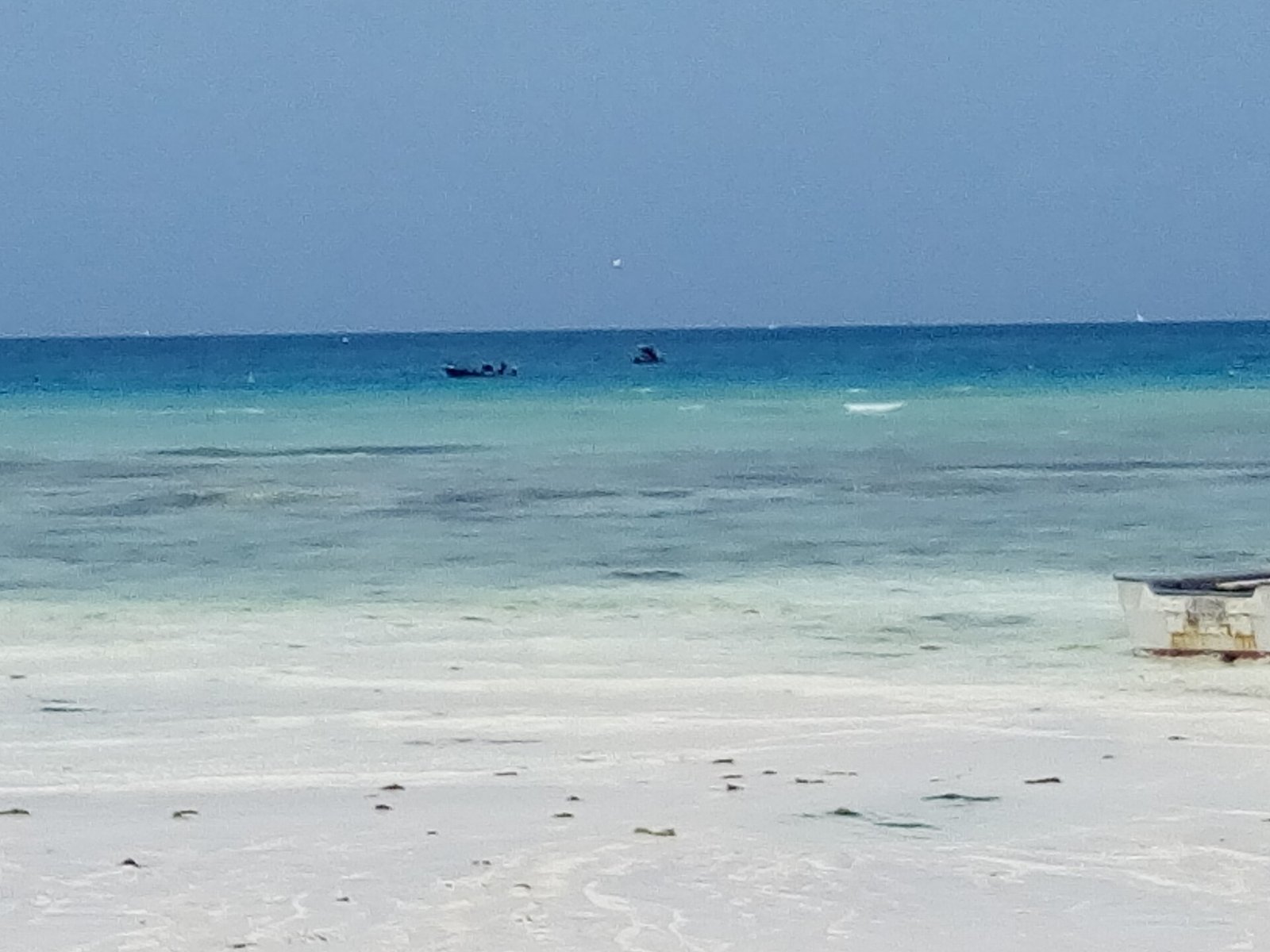
Nungwi beach, northern Zanzibar. Photo: Wikimedia Commons (CC BY-SA 4.0).
Zanzibar sits just six degrees south of the equator, so it is warm every month of the year. What changes is rain, wind, humidity and the tides that shape its beaches. This guide focuses on timing a Zanzibar trip specifically for travellers booking a luxury beach resort — couples, honeymooners and families who want calm water, dependable sunshine and a resort that is fully open, rather than backpackers chasing the cheapest week.
Our unique angle: instead of a single “best month”, we match each season to the coast that performs best at that time. Zanzibar’s north, east and south-west coasts behave differently, and choosing the right one can matter as much as choosing the right month.
Quick answer: late June to early October is the safest window for dry weather and calm seas; December to February is the hot, sunny alternative; April and May are the wettest months and the ones to avoid.
Zanzibar Seasons at a Glance
Zanzibar has two dry seasons and two rainy seasons. The long rains, known locally as masika, usually run from mid-March to late May. The short rains, vuli, arrive in November and tend to fall as afternoon showers rather than all-day downpours. Between them sit a cooler dry season (June to October) and a hot dry season (December to February).
| Period | Weather | Sea & wind | Verdict for luxury stays |
|---|---|---|---|
| Jan – Feb | Hot, humid, mostly dry | Northerly kaskazi winds; calm on west side | Excellent — peak heat, peak beach |
| Mar | Hot; rain building late in month | Wind dropping, humid | Good early, risky late |
| Apr – May | Long rains, heavy downpours | Rougher, murkier water | Avoid — some resorts close |
| Jun | Drying out, fresher | South-easterly kusi winds start | Very good, shoulder prices |
| Jul – Aug | Dry, cooler evenings | Breezy east coast, calm north | Excellent — busiest months |
| Sep – Oct | Dry, warming up | Good visibility for diving | Excellent — our top pick |
| Nov | Short rains, often sunny mornings | Variable | Fair — good value |
| Dec | Hot, dry after mid-month | Kaskazi winds return | Very good; festive peak late Dec |
Month-by-Month Guide
January and February: hot and glossy
The hot dry season delivers high sun, warm water around 28–29°C and long beach days. Humidity is noticeable, so a villa with a private plunge pool and good air-conditioning earns its price now. February also brings the Sauti za Busara music festival to Stone Town, which lifts hotel demand in town for a few days.
March: last of the hot season
Early March can still be excellent. By the last week, the build-up to the long rains brings heavier clouds and sticky afternoons. If your dates are flexible, aim for the first half of the month.
April and May: the long rains
This is the one period we advise most luxury travellers to skip. Rain can last for hours, roads on the east coast become muddy and several boutique resorts close for annual maintenance. Those that stay open often discount heavily, which can suit a repeat visitor who just wants a quiet spa break.
June to August: cool, dry and busy
Clear skies return in June, and July and August are Zanzibar’s busiest months thanks to European summer holidays. Evenings are comfortable at around 22–24°C. The south-east trade winds make the east coast breezy — great for kitesurfers at Paje, less ideal if you want glassy water outside your villa.
September and October: the sweet spot
Crowds thin after August, rain is still rare and the sea is often at its clearest, which makes this our favourite window for snorkelling trips to Mnemba Atoll. Prices drop slightly from the summer peak while the weather stays reliable.
November and December
The short rains in November are usually brief, so mornings are often bright. Value is good until mid-December, when festive rates and minimum-stay rules kick in at the top resorts.
Which Coast to Book in Each Season
Zanzibar’s east coast has one of the biggest tidal ranges in the region. At low tide the sea at Paje, Jambiani or Bwejuu can retreat several hundred metres, leaving seaweed farms and rock pools. That is beautiful to walk, but frustrating if you expected to swim at noon.
- North-west (Nungwi and Kendwa): the least tidal stretch, so swimming is possible most of the day. Best all-round choice in any season, and especially in July–August when the east coast is windy.
- East coast (Paje, Bwejuu, Matemwe, Pongwe): long, quiet beaches and turquoise lagoons; ideal for kitesurfers in both windy seasons. Check tide tables before booking activities.
- South-west (Kizimkazi and Fumba): sheltered bays, dolphin trips and some of the island’s newest luxury villas. A good pick in the calmer months of September to March.
- Stone Town: worth one or two nights in any dry month; avoid long stays in the heaviest April rain.
Prices, Crowds and Booking Windows
Rates at luxury properties peak from mid-December to early January and again in July and August. For those periods we recommend booking six to nine months ahead, particularly for villas with private pools. June, September and October usually offer the best balance of weather and value, and some resorts add extras such as spa credits or free nights in these shoulder months.
If you are combining Zanzibar with a mainland safari, the dry season also matches the best wildlife viewing on the Tanzanian mainland, which is why July to October books up quickly. Lock in the safari first, then fit the beach portion around it.
Compare specific properties in our guide to the best luxury hotels in Zanzibar, or see how the island stacks up against the Indian Ocean’s other honeymoon favourite in Zanzibar vs Mauritius for a honeymoon.
Ramadan, Festivals and Practical Timing
Zanzibar is predominantly Muslim. During Ramadan, resorts run as normal, but some local restaurants in Stone Town close during daylight hours and the atmosphere is quieter. Dress modestly away from the beach year-round, covering shoulders and knees in town and villages. Ramadan moves about 11 days earlier each year; in 2027 it is expected to begin in early February, so check the exact dates before you book a February trip.
Two events worth planning around: Sauti za Busara (usually February) and the Zanzibar International Film Festival (usually July). Both are great fun but push up Stone Town hotel prices.
Packing and Practical Tips by Season
- Reef-safe sunscreen and a long-sleeve rash guard — the equatorial sun is strong in every month.
- Water shoes for the east coast, where low tide exposes coral rubble and sea urchins.
- A light layer for July and August evenings and early-morning boat trips.
- Insect repellent in the wetter months; ask a travel clinic about malaria advice for your dates.
- Check the latest entry and health guidance on the UK Foreign Office Tanzania page or your own government’s advisory before travel.
For background on Stone Town’s heritage, the UNESCO listing for the Stone Town of Zanzibar is a useful primer, and Wikivoyage keeps practical transport notes up to date.
Best Months for Popular Activities
Beyond the beach, a few experiences are strongly seasonal. Matching them to your dates can turn a good holiday into a great one.
- Snorkelling and diving at Mnemba Atoll: visibility is usually best from September to March, when the water is calmer and warmer. July and August can be choppier on the crossing.
- Kitesurfing at Paje: both wind seasons work — the kaskazi from roughly December to February and the stronger kusi from June to September. Shoulder months bring lighter, less predictable wind.
- Spice farm and Stone Town walking tours: any dry month; go early in the morning from December to March to beat the heat.
- Dolphin trips from Kizimkazi: available year-round but most comfortable in calm, dry weather. Choose an operator that keeps a respectful distance and limits boats around the pods.
- Sunset dhow cruises: the clearest sunsets on the west coast are typically from June to October, when skies are driest.
Where to Stay in Each Season
Luxury options cluster in a handful of areas, and each has a season when it shines. In the windy July–August period, a north-west base such as Kendwa keeps swimming easy while still putting you within reach of Stone Town. In the hot months of January and February, a breezy east-coast property with a large private pool helps you enjoy the heat rather than hide from it. Private-island stays on Mnemba suit any dry month and are the top choice for honeymooners who want total seclusion.
Whichever coast you choose, ask the resort directly about any planned closures or renovation work in April, May and early June — many properties use the long rains for maintenance, and booking engines do not always show it clearly. It is also worth confirming whether rates include transfers from Abeid Amani Karume International Airport, as the drive to the east or north coast can take around an hour.
Our Verdict
If you can travel any time, book late September or early October on the north-west coast: dry weather, calmer seas, clearer water and fewer people than in August. If you need to travel in the northern-hemisphere winter, January and February are equally good for pure beach time. Avoid April and May unless a quiet, discounted spa stay is exactly what you want.
Weighing Zanzibar against other island escapes? Our Seychelles vs Maldives comparison and Mauritius luxury hotel guide cover the alternatives across the Indian Ocean.
Frequently Asked Questions
What is the best month to visit Zanzibar?
For most luxury beach travellers, late June through early October is the most reliable window: it is dry, a little cooler and the sea is usually calm on the north coast. January and February are the best hot-weather alternative.
Is it worth visiting Zanzibar in the rainy season?
April and May bring the heaviest rain and some resorts close for maintenance, so they are best avoided for a first trip. November has shorter, lighter rains and can offer good value with mostly sunny mornings.
Which part of Zanzibar is best for swimming at low tide?
Nungwi and Kendwa on the north-west tip have the smallest tidal effect, so you can usually swim throughout the day. East-coast beaches such as Paje and Bwejuu can drain several hundred metres at low tide.
Should I avoid Zanzibar during Ramadan?
No, but plan for it. Resorts operate normally, while some restaurants in Stone Town close during daylight and modest dress matters even more. In 2027 Ramadan is expected to fall roughly from early February to early March.
How hot does Zanzibar get?
Daytime temperatures typically sit around 28–32°C year-round. December to March is the most humid period, while July and August feel noticeably fresher, especially in the evening.