Best Time to Visit the Gili Islands
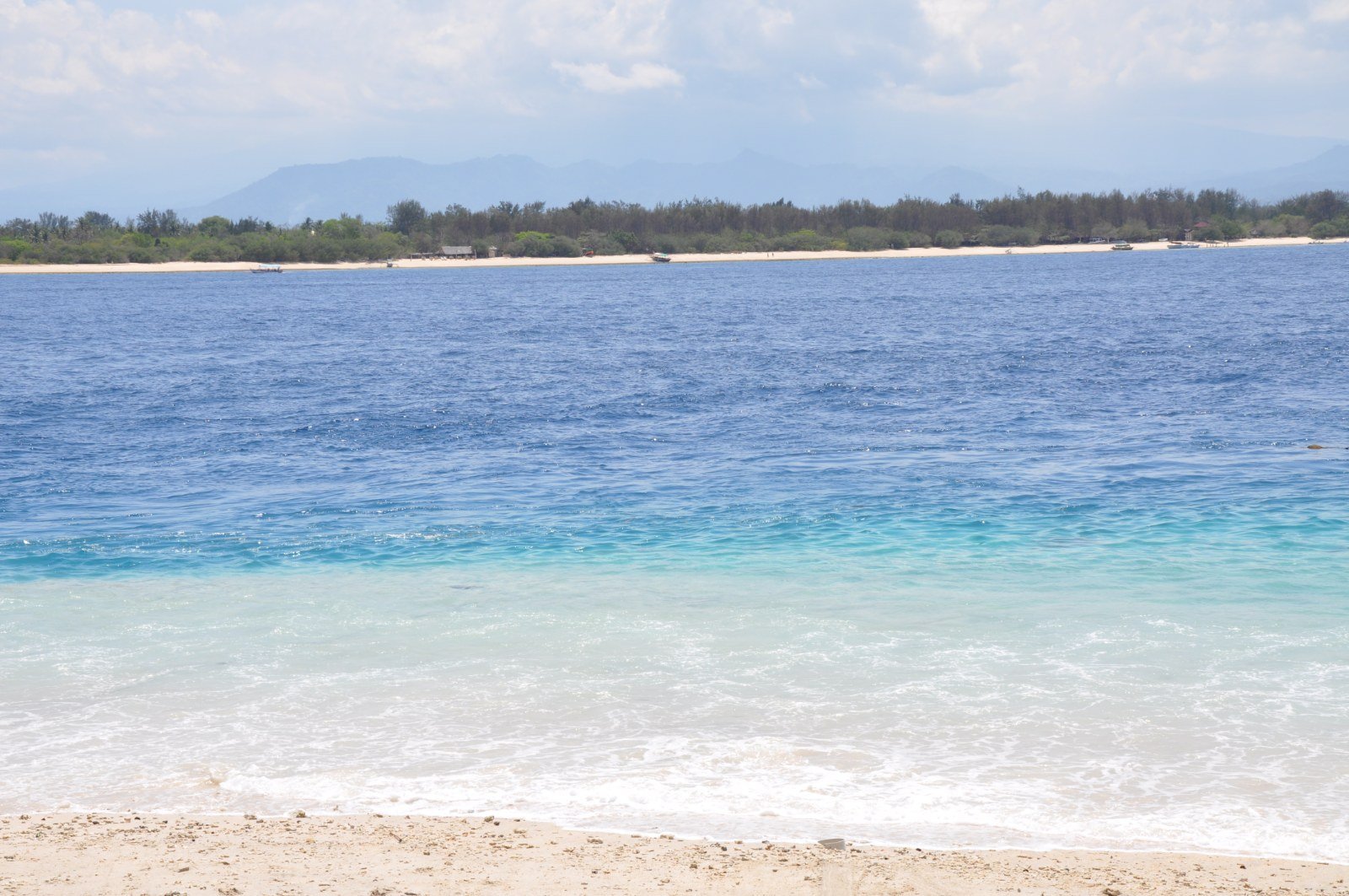
Illustrative Gili Islands photo for seasonal reference.
Gili Trawangan, Gili Air, and Gili Meno share one weather pattern, so the question of when to go applies to all three at once. This guide focuses on seasonal timing specifically for travelers weighing calm seas and sunshine against crowd levels and price, since the trade-offs on the Gilis are sharper than on many other Southeast Asian islands thanks to how small and boat-dependent they are.
Dry Season and Shoulder Months (April to October)
The dry season is the most reliable window, with long sunny days, calm seas, and minimal rainfall across all three islands. Boat transfers from Bali and Lombok run on schedule far more consistently than during the wet months, and underwater visibility for diving and snorkeling is generally at its best. The trade-off is that this is also peak season: July and August bring the highest hotel prices and the fullest boats of the year, particularly around the school holiday period in the Northern Hemisphere.
Within the dry season itself, late May and early June stand out as a slightly quieter alternative to the July-to-August rush while still offering essentially the same sunshine and sea conditions, making it a good target for travelers with flexible dates who want to avoid the steepest prices without risking meaningfully more rain than the core dry-season months.
April and October sit just outside the core dry season and often deliver the best overall value. Rain is still relatively infrequent, seas are usually calm enough for comfortable crossings, and both hotel rates and boat availability ease up compared to the July-to-August peak. These two months are frequently the sweet spot for travelers who want dry-season weather without dry-season prices or crowds.
Wet Season (November to March): Pros and Cons
Rain during the wet season tends to arrive as short, heavy downpours rather than all-day drizzle, so plenty of each day typically remains dry and usable for the beach. The real risk is at sea: choppier conditions can delay or cancel boat departures with little notice, which matters if you have a tight connection to a flight home. In exchange, accommodation prices drop noticeably and the islands feel far less crowded, which appeals to travelers who prioritize quiet beaches over guaranteed sunshine. For a wider regional view of how this pattern plays out elsewhere, see our guide to where to go in Southeast Asia during rainy season.
Travelers who do visit during the wet season often plan their days around the weather rather than the clock: mornings are frequently clear, downpours tend to cluster in the afternoon or evening, and many visitors simply treat a sudden shower as a cue to duck into a cafe rather than a reason to change plans entirely. Dive shops and tour operators generally keep operating through the wet season, adjusting routes rather than cancelling outright unless conditions turn genuinely rough.
Month-by-Month Weather Snapshot
The table below gives a quick read on what to expect across the year; exact rainfall varies year to year, so treat it as a general guide rather than a forecast.
| Period | Rainfall | Sea Conditions | Crowds & Prices |
|---|---|---|---|
| May – June | Low | Calm | Moderate, rising |
| July – August | Low | Calm | Peak, highest prices |
| September | Low | Calm | High |
| October | Low to moderate | Mostly calm | Moderate |
| November – December | Rising | Variable | Dips, then holiday spike |
| January – March | Highest | Occasionally rough | Low, best rates |
| April | Falling | Improving | Low to moderate |
Best Time for Diving and Snorkeling
Visibility and conditions for diving are generally best from May through September, when calmer water and clearer skies combine. Dive operators across the three islands, including those running PADI certification courses, tend to run full schedules through this window, so booking a few days ahead during July and August helps secure a spot. Snorkeling from the beach is workable year-round in calmer bays, but choppier wet-season days can stir up visibility close to shore.
Manta ray sightings around the wider Lombok and Nusa Penida region tend to follow their own seasonal patterns separate from the Gilis’ general dive calendar, so divers chasing a specific species are better off confirming current sighting reports with a local dive shop rather than relying on general seasonal advice alone.
None of this changes dramatically from year to year, but global weather patterns can shift seasonal rainfall slightly, so it is worth a quick check of current conditions a week or two before departure rather than relying solely on long-range seasonal averages when timing a trip this far in advance.
Best Time to Avoid Crowds and High Prices
January through March, excluding the New Year holiday stretch, is typically the quietest and cheapest window across all three islands, with noticeably lower accommodation rates and more room to negotiate on multi-night stays. April and the back half of October offer a similar discount without the heavier rain of deep wet season. Travelers chasing the absolute lowest prices should still expect some rain and should build a flexible day or two into their itinerary in case a boat transfer gets delayed.
How Weather Affects Boat Transfers
Every route to the Gilis, whether from Bali’s Padang Bai and Serangan harbors or Lombok’s Teluk Nara and Bangsal harbors, depends on sea conditions that can change hour to hour during the wet season. Operators generally err on the side of caution and delay or cancel rather than risk a rough crossing, so travelers visiting between November and March should avoid scheduling a same-day onward flight right after a Gili boat transfer. Our guide to getting from Bali to the Gili Islands has more detail on booking flexible tickets, and the official Indonesia tourism board publishes general seasonal travel advisories worth checking closer to your trip. For background on the islands themselves, see Wikipedia’s Gili Islands entry.
If you are deciding which island to base yourself on once you have settled on dates, our comparisons of Gili Air vs Gili Trawangan and our full Gili Trawangan travel guide cover atmosphere and accommodation in more depth, while our Gili Meno resorts roundup is useful if quiet is the priority regardless of season.
Put simply, there is no single universally correct month to visit the Gili Islands; the right answer depends on whether calm seas and reliable sunshine matter more to you than lower prices and thinner crowds. Most first-time visitors do best choosing May, June, or September, which land close to dry-season reliability while sidestepping the sharpest peak-season costs.
What to Pack by Season
During the dry season, pack as you would for any tropical beach trip: lightweight breathable clothing, reef-safe sunscreen, and a hat, since shade is limited on most of the islands’ beaches and the midday sun is strong year-round. A light rain jacket or packable poncho is worth adding to any wet-season packing list, along with a dry bag or waterproof phone pouch for boat transfers when spray and sudden showers are more likely. Because none of the three islands allow motorized vehicles, comfortable sandals that can handle both sand and the uneven coral-path roads will get more use than heavier shoes in any season.
Travelers combining the Gilis with mainland Lombok or Bali should also factor those destinations’ own weather windows into trip timing, since a rainy day on the Gilis does not always mean rain across the wider region, and vice versa.
Frequently Asked Questions
What is the single best month to visit the Gili Islands?
May and September are often considered the best balance, offering dry-season weather and calm seas without the peak crowds and prices of July and August.
Is it worth visiting the Gili Islands in the rainy season?
Yes for travelers prioritizing low prices and quiet beaches, since rain usually arrives in short bursts rather than lasting all day, but build flexibility into your schedule in case boats are delayed.
When is hotel availability tightest on the Gili Islands?
July, August, and the Christmas and New Year period see the tightest availability and highest rates across all three islands.
Does the weather differ between Gili Trawangan, Gili Air, and Gili Meno?
No, the three islands sit close enough together that they share essentially the same seasonal weather pattern throughout the year.
Can boats to the Gili Islands get cancelled?
Yes, operators occasionally delay or cancel crossings during rough seas, most common from November through March, so avoid booking tight onward connections during that period.
Is it cheaper to visit the Gili Islands in low season?
Yes, accommodation prices across all three islands typically drop in January through March and again in April, often by a meaningful margin compared to the July and August peak.