Best Time to Visit Koh Phi Phi 2026
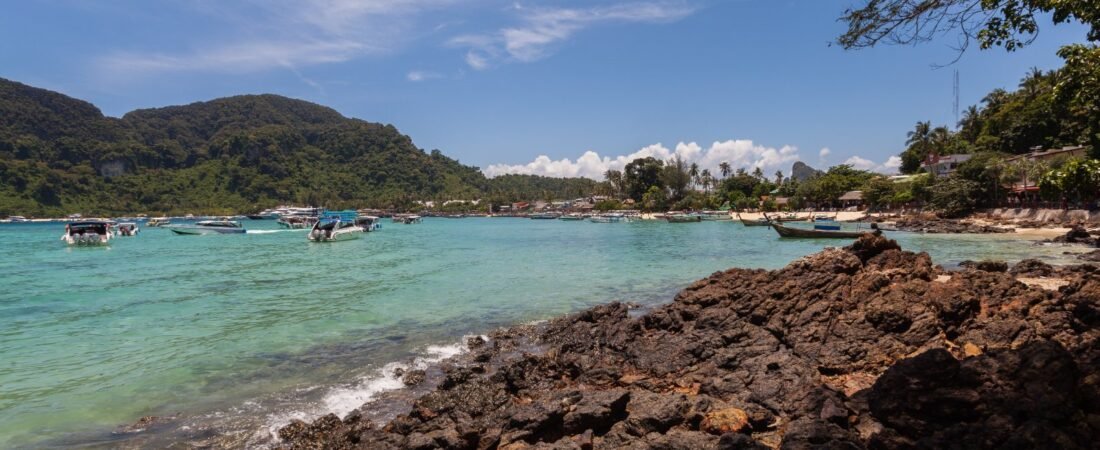
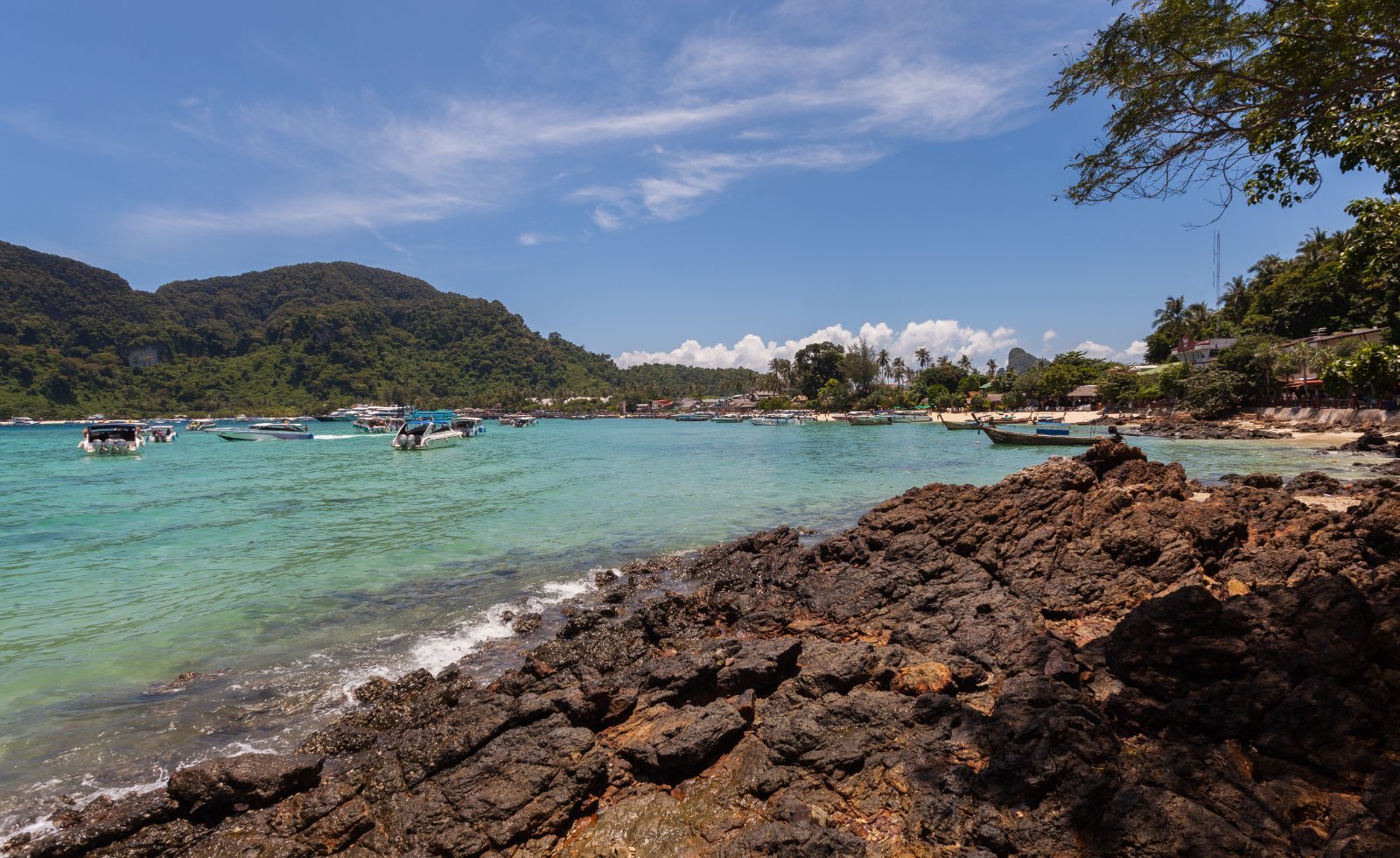
Illustrative photograph of Koh Phi Phi.
This guide focuses on timing specifically for travelers deciding when to visit Koh Phi Phi, since the island’s weather, boat schedules, and crowd levels swing more sharply by month than on a larger, less exposed destination. Koh Phi Phi sits on the open Andaman Sea, so both ferry reliability and day-trip boat access to Maya Bay depend heavily on the season you choose. For the fuller picture on getting there and where to stay, pair this with our Koh Phi Phi vs Koh Lanta comparison.
Dry Season (November to April): The Reliable Window
This is the safest window for a Phi Phi trip: calm seas, dependable ferry schedules from Krabi and Phuket, and full operation of dive and snorkel boats. It’s also, unsurprisingly, the busiest and most expensive period, with December through February the peak within the peak.
If your main priority is dependable diving and snorkel-boat access, this window removes most of the guesswork; the main tradeoff is competing with the largest volume of other travelers for the same boats, restaurants, and viewpoint trails.
Ferry timetables also run at their fullest frequency during these months, with multiple daily departures from both Krabi and Phuket, which gives more flexibility if you need to adjust your travel dates at short notice.
Sea temperatures stay warm year-round across all seasons, so water temperature itself is rarely a factor in choosing when to go; visibility, wave height, and boat availability matter far more.
Green Season (May to October): Cheaper, Riskier
The southwest monsoon brings heavier rain, rougher Andaman crossings, and more frequent boat trip cancellations, particularly for Maya Bay and outer-reef snorkel trips. Rates drop meaningfully in this window and the island is far less crowded, but travelers should build flexibility into their itinerary in case of cancelled crossings.
Some smaller guesthouses and restaurants scale back hours or close entirely for weeks at a time during the quietest months, particularly August and September, so confirm your accommodation and any must-do activities are actually operating before committing to green-season dates.
On the upside, green-season rain on Phi Phi tends to arrive in short, heavy bursts rather than settling in for full days, so many travelers still get workable beach and boat weather between showers, particularly in the earlier and later parts of the monsoon window.
Photographers chasing dramatic sky conditions sometimes deliberately target the shoulder edges of the monsoon for this reason, accepting a higher chance of a rained-out day in exchange for more striking light when it clears.
Shoulder Months: November and April
Early November and April often deliver a useful middle ground: mostly dry weather, thinner crowds than the December peak, and lower rates than the high season proper. These months are worth prioritizing if your travel dates are flexible.
If you’re also considering Koh Lanta as part of the same trip, our Koh Lanta travel guide and Koh Lanta beach guide follow broadly the same seasonal pattern, since both islands sit on the same stretch of Andaman coast.
Because shoulder-month weather can still vary year to year, check a short-range forecast a week or so out rather than booking activities purely on the calendar average, especially if a specific boat trip like Maya Bay is a must-do.
Diving and Snorkeling Visibility
Underwater visibility around Phi Phi Leh and the wider Phi Phi Marine National Park peaks during the dry season, generally December through April, when calmer water also makes boat crossings smoother for day-trippers who aren’t confident swimmers. Outside this window, visibility drops and rougher seas can cancel trips on short notice.
Hin Daeng and Hin Muang, the deep-water dive sites most easily reached from Koh Lanta rather than Phi Phi itself, follow the same seasonal visibility pattern; see our Southeast Asia diving season guide for a broader regional comparison.
Divers chasing whale shark or manta sightings specifically should note that these are opportunistic encounters rather than guaranteed seasonal events; a good dry-season visibility window improves your odds but doesn’t assure a sighting.
Snorkel-only day trips are somewhat more weather-tolerant than scuba trips, since they can often shift to a more sheltered cove if the primary site is too rough, whereas dive boats may cancel outright rather than compromise on a lower-visibility backup site.
Crowds and Pricing by Season
December and January carry the highest prices and the most day-trip boat traffic into Ton Sai and Maya Bay; expect to book accommodation and popular boat tours well in advance. May through October offers the opposite trade-off: lower prices and thinner crowds, offset by weather risk.
If budget is the deciding factor and you can tolerate some weather uncertainty, late May or early October (right at the edges of the monsoon) sometimes offers a workable compromise between price and reliability, though this varies year to year.
Accommodation on Phi Phi is limited by the island’s small buildable footprint, which amplifies seasonal price swings compared with larger islands like Koh Lanta or Phuket that have more room inventory to absorb demand.
If you’re comparing costs against a Gulf-of-Thailand island like Koh Samui, note the two coasts run on largely opposite seasonal patterns, so a month that’s expensive and crowded on Phi Phi can sometimes be comparatively quiet on the Gulf side, and vice versa.
Maya Bay Access and Timing
Maya Bay has been subject to periodic visitor limits and rehabilitation closures in recent years to manage coral and coastal damage from overtourism, and access rules have changed more than once. Confirm current entry hours, visitor caps, and any seasonal closure with your tour operator or the national park before booking, rather than assuming year-round unrestricted access.
Background on the island’s protected status and management is available from Thailand’s national parks authority, and general visitor information through Tourism Authority of Thailand’s Krabi province page; see also the Wikipedia overview of Ko Phi Phi Don for wider background on the island group.
Trips booked well ahead of a rainy-season or shoulder-season date should ideally include some slack in the itinerary; a cancelled boat day is far less stressful with a spare day to rebook than with a tight schedule.
Koh Phi Phi Seasons at a Glance
| Period | Weather | Crowds & Price | Best For |
|---|---|---|---|
| December-February | Dry, calm seas | Highest crowds & prices | Reliable boat trips, first-timers |
| March-April | Dry, warming up | High, easing toward shoulder | Diving, fewer rain risks |
| May-July | Start of monsoon, showers | Lower crowds & prices | Budget trips, tolerance for rain |
| August-October | Heaviest rain & swell | Lowest crowds & prices | Very flexible itineraries only |
| November | Transitioning to dry | Moderate, rising | A shoulder-season sweet spot |
Frequently Asked Questions
What is the best month to visit Koh Phi Phi?
December through March offers the most reliable dry weather and boat access, with November and April as good shoulder-season alternatives that combine mostly dry conditions with thinner crowds.
Is Koh Phi Phi worth visiting in the rainy season?
It can be, especially for budget-conscious travelers who don’t mind occasional cancelled boat trips, but build flexibility into your schedule since Maya Bay and outer-reef trips are more likely to be called off in heavy swell.
When is Maya Bay open?
Maya Bay’s access rules and any seasonal closures have changed periodically for coral rehabilitation; confirm current opening status and visitor limits with a tour operator or the national park before your trip.
Is Koh Phi Phi more expensive in December and January?
Yes, this is the island’s peak season, with the highest accommodation rates and the busiest day-trip boat traffic of the year; book well ahead if traveling during this window.
Does Koh Phi Phi get typhoons?
Typhoons don’t typically make direct landfall on this part of Thailand’s Andaman coast, but the southwest monsoon still brings sustained rain, wind, and swell strong enough to disrupt ferries and boat tours between roughly May and October.
How far in advance should I book for peak season?
For December through February travel, book accommodation and popular boat trips at least a few months ahead; Phi Phi’s limited room and boat capacity sells out earlier than larger islands with more supply.