Best Time to Visit Phuket for a Honeymoon
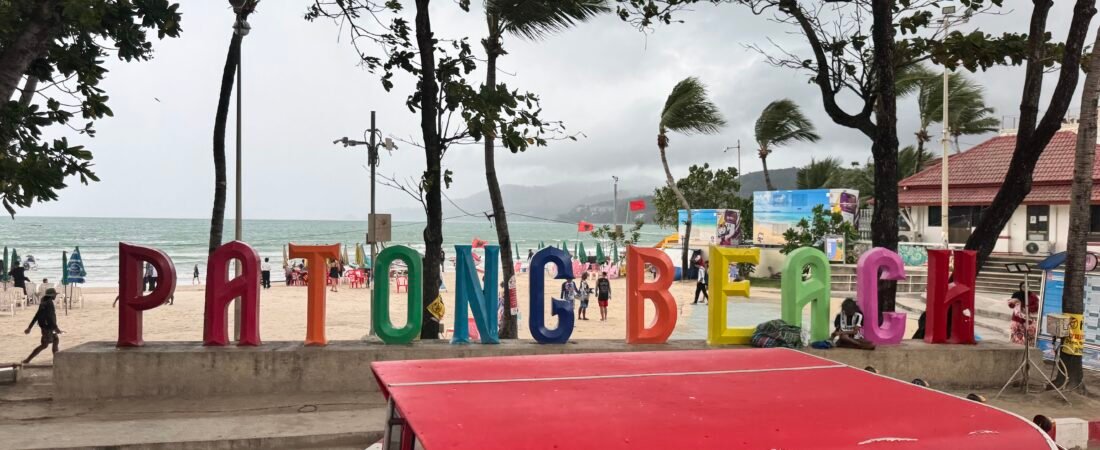
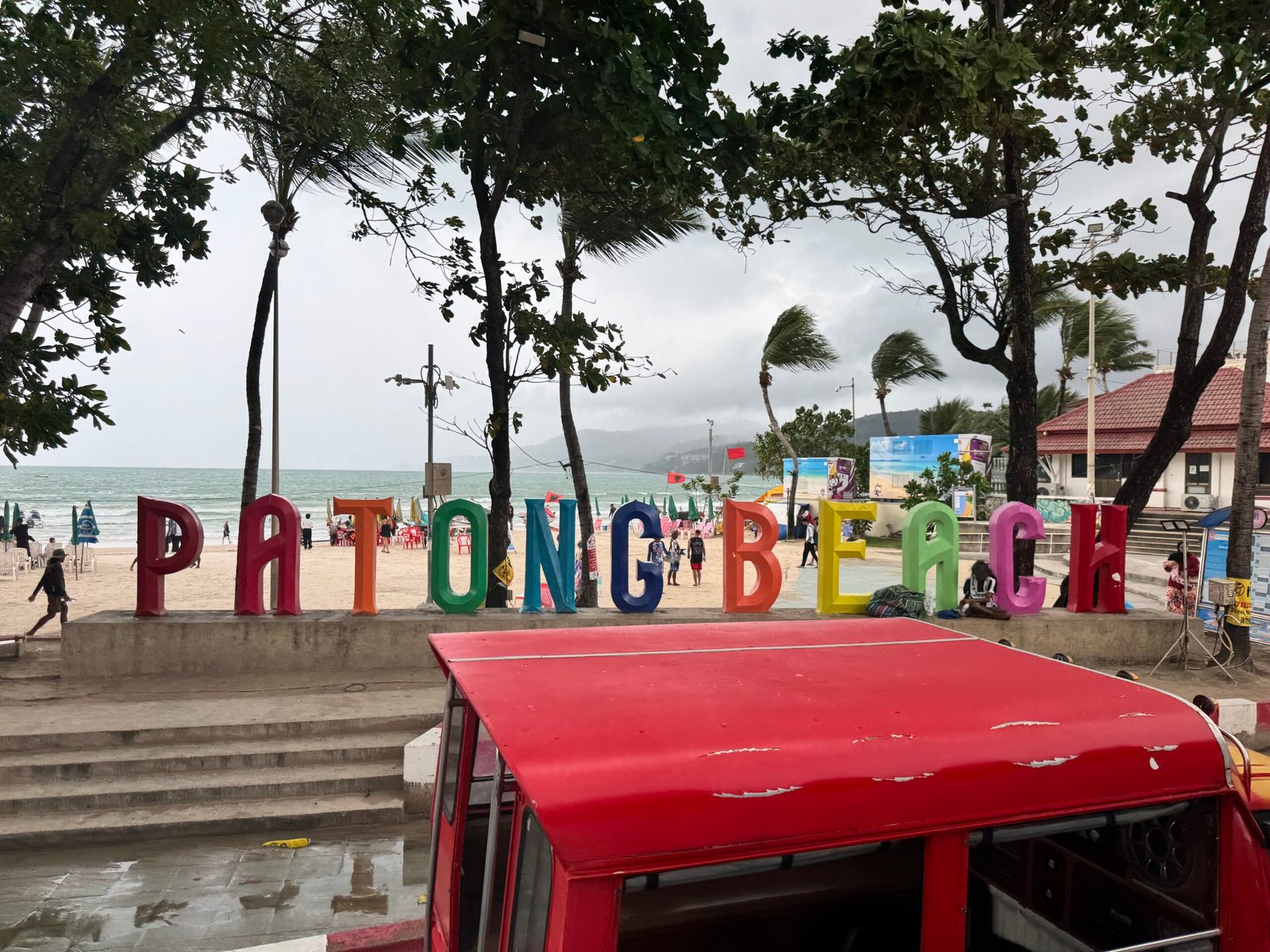
Illustrative island photograph. Not a photograph of the resorts compared below.
Phuket packs powder-soft beaches, hidden-cove resorts and world-class spas into Thailand’s largest island, which is why it remains a honeymoon favourite. But the experience changes dramatically with the seasons: the same beach that dazzles in January can be windswept and grey in September. Timing your trip well is the single biggest lever on weather, crowds, prices and, crucially for newlyweds, privacy. This research-based guide breaks the year down month by month so you can pick the window that fits the honeymoon you have in mind.
Research-based guide · Sources reviewed 17 September 2026. Not a first-hand stay review.
Phuket’s two seasons in brief
Phuket has a tropical monsoon climate with two broad seasons. The dry (high) season runs roughly from November to April, bringing sunshine, calm Andaman seas and the island’s peak tourism. The green (low) season spans May to October, when the southwest monsoon delivers warm rain, bigger swells and lower prices. Neither season is “bad” for a honeymoon, but they suit very different priorities: guaranteed beach days versus quiet resorts and deep discounts.
The best months for a Phuket honeymoon
For most couples, the sweet spot is the shoulder windows of November and April. November sees the rains ease, the landscape stays lush and green from the wet season, and prices have not yet hit their Christmas peak. April is hot but reliably dry, with warm, clear water, though it edges toward the pre-monsoon humidity. The core dry months of December to March deliver the most dependable sunshine and the calmest seas, ideal if a washed-out beach day would ruin the trip, but they are also the busiest and priciest. If you are comparing island bases, our Koh Samui vs Phuket luxury comparison is worth a read, since the two islands have opposite monsoon calendars.
Month-by-month overview
| Month | Weather | Crowds & price | Honeymoon verdict |
|---|---|---|---|
| Dec-Feb | Dry, sunny, calm seas | Peak, highest rates | Best weather, book early |
| March | Dry, hot, clear water | High but easing | Excellent balance |
| April | Very hot, mostly dry | Moderate (Songkran spike) | Great value before rains |
| May-Jun | Warm rain, some sun | Low, big discounts | Good value, flexible plans |
| Jul-Aug | Showers, humid, greener | Low-mid (summer holidays) | Fine for spa-focused trips |
| Sep-Oct | Wettest, rough seas | Lowest rates | Cheapest, least reliable |
| November | Rains easing, lush | Rising | Top pick for value + sun |
Weather, privacy and the low-season trade-off
The green season is underrated for honeymoons. Rain often falls in short, warm bursts rather than all-day downpours, mornings are frequently clear, and the island is dramatically quieter. For couples who plan to spend much of the trip in a private-pool villa, at the spa or dining in, the low season can mean a near-empty resort, upgraded rooms and prices that are a fraction of December’s. The trade-offs are rougher seas that limit swimming and island-hopping, and the small risk of a washout day. If reliable beach and boat time is central to your plans, lean toward the dry months; if seclusion and value matter more, the green season rewards you. For an alternative that peaks in different months, compare with our Maldives vs Thailand luxury beach guide.
Avoiding crowds and events
Two dates deserve planning attention. Christmas and New Year bring the highest rates and busiest beaches of the year, so honeymooners seeking quiet should look just before or after. Songkran, the Thai New Year water festival in mid-April, is joyful but boisterous; couples who prefer calm should either embrace it or time around it. The Vegetarian Festival in late September or October is a cultural highlight but coincides with the wettest weeks. Beyond these, weekdays are always quieter than weekends at the most photographed beaches and viewpoints.
Planning tips for newlyweds
- Book dry-season honeymoons three to six months ahead; the best villas sell out first.
- In the green season, keep plans flexible and choose a resort with strong indoor and spa facilities.
- Request a high or sea-facing room and mention your honeymoon; many resorts add welcome touches.
- Build in a rest day after long-haul flights before any island-hopping day trips.
- Consider splitting the trip between a beach resort and a quieter cove or nearby island for variety.
For authoritative seasonal data, the Thai Meteorological Department publishes regional forecasts, and the Tourism Authority of Thailand lists festival dates that can affect crowds and prices. Cross-checking both before you commit to dates helps avoid surprises.
How the weather actually feels on the ground
Temperatures in Phuket stay remarkably steady all year, hovering around 28-33C by day, so the real variable for a honeymoon is not heat but humidity, rain and sea state. In the dry months the air feels fresher, the Andaman Sea turns glassy and calm, and long beach days and sunset cruises run without a hitch. As April arrives the humidity climbs and afternoons can feel heavy, which is when a private-pool villa or an air-conditioned spa really earns its keep. Through the green season, expect brilliant clear mornings surprisingly often, followed by warm afternoon showers that pass within an hour or two; the island turns emerald, waterfalls fill and the light after rain is superb for photos.
Sea conditions matter more than most couples expect. During the southwest monsoon, red flags appear on west-coast beaches such as Karon and Kata as rip currents strengthen, and boat trips to the Phi Phi Islands or Similans may be cancelled on rougher days. If snorkelling, diving or island-hopping is on your honeymoon wish list, the dry season is the safer bet; the famed Similan Islands national park is typically only open and accessible in the mid-October to mid-May window.
Where to stay for a honeymoon, season by season
Your ideal base shifts with the calendar. In peak dry season, the lively west-coast beaches deliver the classic sunset-over-the-Andaman experience, though they are busiest then. In the green season, honeymooners often gravitate to secluded headland resorts and hillside villas on the quieter southern and eastern coasts, where the focus is on the pool, the view and the spa rather than the surf. Whatever the month, a private-pool villa transforms a rainy afternoon from a disappointment into a highlight. For inspiration on specific properties and layouts, see our roundups of the best luxury resorts in Phuket and the wider most romantic honeymoon islands in Southeast Asia, both of which help match a resort to your chosen dates.
One more planning note: Phuket is well connected by direct flights and makes an easy pairing with a second, contrasting stop. Couples with two weeks often split time between Phuket and a culture-rich city or a different island with an opposite monsoon pattern, hedging their weather bets across the trip.
A quick decision framework
If your honeymoon is built around beach days, boat trips and guaranteed sunshine, choose December to March and book early. If you want the best balance of good weather and sensible prices, target November or March. And if privacy, deep discounts and a near-empty resort appeal more than perfect swimming conditions, the green season from May to October will stretch your budget furthest while still delivering plenty of warm, bright mornings between the showers.
Frequently asked questions
What is the single best month to honeymoon in Phuket?
November and April are the standout picks. November combines easing rain, lush scenery and pre-peak prices, while April is reliably dry and warm with excellent value just before the monsoon returns.
Is the rainy season a bad time for a Phuket honeymoon?
Not necessarily. Rain often comes in short bursts, resorts are quiet and prices drop sharply, which suits couples focused on private villas, spas and dining. The main downsides are rougher seas and a small chance of a washout day.
When is Phuket most crowded and expensive?
The Christmas and New Year fortnight is the busiest and priciest window, followed by the wider December-to-February peak. Booking just outside these dates saves money and secures quieter beaches.
How far in advance should we book?
For dry-season travel, book three to six months ahead to secure the best private-pool villas and honeymoon suites. Green-season trips can be booked closer to departure and still offer strong availability.