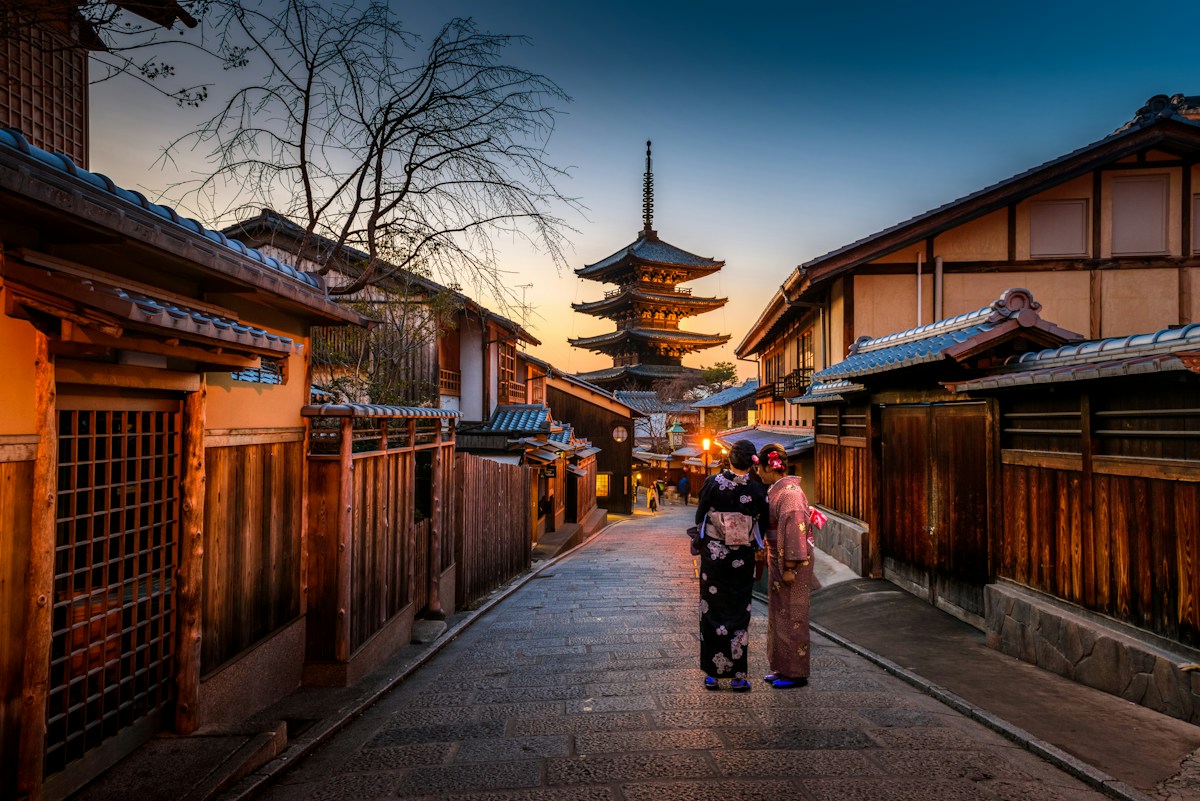
Kyoto is Japan's cultural soul: 17 UNESCO sites, 1,600 Buddhist temples, 400 Shinto shrines, and the world's finest tea ceremony culture. Aman Kyoto, The Ritz-Carlton, and Hoshinoya Kyoto define the city's finest addresses for 2026.
Kyoto was Japan's imperial capital for 1,074 years (794–1868) — and unlike Tokyo, which has rebuilt itself repeatedly, Kyoto has retained the physical fabric of its imperial past. The 17 UNESCO World Heritage Sites (the most of any city in Japan — Kinkaku-ji, Ginkaku-ji, Kiyomizudera, Nijo Castle, Fushimi Inari, and 12 others), 1,600 Buddhist temples, 400 Shinto shrines, 200 traditional arts workshops (Nishijin weaving, Kiyomizuyaki ceramics, Kodo incense, Ikebana flower arrangement), and the geisha culture of Gion (the last surviving geiko district in Japan, with approximately 200 active geiko and maiko — the most stringent and authentic in the country) constitute a cultural density unavailable anywhere else in the world. The luxury hotel scene has evolved from a single traditional Japanese inn (the Hiiragiya Ryokan, operating since 1818) to an international portfolio of extraordinary properties.
Why Kyoto for Luxury Travel?
Kyoto's cultural depth rewards duration — the city reveals itself slowly. A 2-night stay touches the surface (Fushimi Inari at dawn, Arashiyama bamboo grove, Kinkaku-ji, Gion walk); a 5-night stay allows proper exploration (Philosopher's Path cherry blossoms, Nishiki Market cooking ingredients, Kodo incense ceremony, private tea ceremony at Urasenke, Nijo Castle nightingale floors). The seasonal calendar is the world's most complete tourism programming calendar: cherry blossom (late March–early April), hydrangea (June), summer festivals (Gion Matsuri, July 17th — Japan's greatest festival, operating for 1,150 years continuously), autumn foliage (mid-November), and snow on temple gardens (January–February). Each season produces a different visual city; each season justifies a separate visit. The food culture — Kyoto cuisine (kyo-ryori) is a distinct Japanese culinary tradition, emphasising seasonal vegetable preparations, tofu-based dishes, and the kaiseki sequence — is the finest in Japan and among the finest in the world.
The 5 Best Luxury Hotels in Kyoto 2026
1. Aman Kyoto
Location: Northern Higashiyama, near Kinkaku-ji | Price: From €1,200/night
The finest hotel in Kyoto and one of the great Aman properties worldwide — Aman Kyoto occupies a secret garden in the northern Higashiyama hills (the most prestigious residential area of Kyoto, adjacent to the Kinkaku-ji — the Golden Pavilion), discovered during the construction of a 1970s condominium project and preserved through 40 years of negotiation. The 26 pavilions and suites are arranged along a natural granite creek in a cedar and maple forest (autumn foliage is visible from every room in November) that the hotel has maintained and expanded since its 2019 opening. No roads visible from any room; no street noise audible; the forest and the creek sound are the complete sensory environment. The restaurant serves contemporary Japanese cuisine; the Arts Study programme (calligraphy, ikebana, noh mask painting, wagashi confectionery making) provides the finest cultural programming of any Kyoto hotel. Aman applies the full Aman standard.
Best for: Aman devotees; the most forest-immersive hotel in Kyoto (not a city hotel — a forest retreat within the city); the Arts Study cultural programme (the finest in Kyoto); autumn foliage season (the forest turns crimson in November — the most beautiful hotel seasonal transformation in Japan); Kinkaku-ji proximity (10 minutes walk); guests who want total sensory silence in the most culturally dense city in Asia
2. The Ritz-Carlton Kyoto
Location: Kamogawa River, Nakagyo-ku | Price: From €700/night
The finest urban luxury hotel in Kyoto and the most complete service experience — The Ritz-Carlton Kyoto's 134 rooms and suites on the Kamogawa River (the most scenic urban river in Japan — the river where summer *kawadoko* — elevated dining platforms built over the water — has operated for 400 years) deliver the full Ritz-Carlton standard in the most central Kyoto location: 10 minutes walk from the Pontocho lantern-lit alley, 15 minutes from the Nishiki Market, 20 minutes from the Gion geisha district. The MIZUKI restaurant (Michelin starred, the finest hotel dining in Kyoto); the Ritz-Carlton Spa (the most complete in central Kyoto); the sake bar (the finest hotel sake collection in Japan — 100+ labels from every Japanese prefecture). Marriott Bonvoy full loyalty benefits apply.
Best for: Marriott Bonvoy Titanium/Ambassador; the MIZUKI Michelin-starred restaurant; the Kamogawa River location (summer kawadoko dining visible from the hotel terrace); the sake bar (100+ labels); guests who want central Kyoto walking access to all major sights; business travellers wanting Kyoto's finest central address
3. Hoshinoya Kyoto
Location: Arashiyama, Oi River | Price: From €600/night
The most atmospheric hotel in Kyoto and the only property accessible exclusively by boat — Hoshinoya Kyoto sits at the end of a 10-minute flat-bottomed boat journey from the Arashiyama riverbank (no road reaches the hotel; the boat is the only access), in a narrow gorge of the Oi River where the bamboo grove of Arashiyama (the most famous in Japan, its 12m-high grove of Moso bamboo creating a cathedral-like green tunnel) rises on the hillside above. 25 suites; the Hatago restaurant (the finest kaiseki in Arashiyama, using seasonal Kyoto vegetables and the river's own ayu fish in summer); the open-air onsen baths facing the river gorge. Hoshino Resorts manages the property. The Arashiyama location provides access to the bamboo grove at dawn (before 7am — the grove is empty before the tour groups arrive at 9am), the Tenryu-ji garden (UNESCO), and the Togetsukyo bridge (the most photographed bridge in Kyoto).
Best for: The boat-access arrival experience (the most distinctive hotel access in Japan); Arashiyama bamboo grove at dawn (the hotel is the closest accommodation — 5-minute walk); the Oi River gorge setting; couples and honeymooners; the kaiseki dining with seasonal ayu fish; guests who want the Arashiyama experience without Kyoto's city noise
4. Suiran — A Luxury Collection Hotel
Location: Arashiyama | Price: From €500/night
The finest luxury hotel accessible by road in Arashiyama — Suiran's 39 rooms in a converted 8th-century riverside property (the former Nishimura family estate, incorporating original garden elements from the Heian period — 8th to 12th century) face the Oi River and the Arashiyama bamboo slope, with the Togetsukyo bridge visible from the riverside terrace. The SUI restaurant serves Kyoto-style kaiseki; the Japanese garden (maintained by a dedicated gardener who adjusts the moss, stone, and seasonal planting monthly) is accessible to guests at dawn. Marriott Bonvoy Luxury Collection benefits apply. As the hotel directly opposite Hoshinoya's boat terminal (accessible by road rather than boat), Suiran provides the Arashiyama river experience with more conventional access logistics.
Best for: Marriott Bonvoy Luxury Collection members; guests who want the Arashiyama setting without the boat-access logistics of Hoshinoya; the 8th-century Heian-period garden; Togetsukyo bridge views; couples; the SUI kaiseki restaurant
5. Hiiragiya Honkan
Location: Nakagyo-ku, central Kyoto | Price: From €400/night
The oldest continuously operating luxury ryokan in Kyoto and the most important historic inn in Japan — Hiiragiya Honkan has operated on Fuyacho Street since 1818, hosting Charlie Chaplin (1932), Yves Saint Laurent, Leonard Bernstein, and Japan's most senior corporate leadership for 200 years. 28 rooms in the original 1818 building (tatami, fusuma screens, tokonoma alcoves, and *nakai* attendants in full kimono who have been with the inn for 20–30 years); the kaiseki dinner (the most celebrated of any Kyoto ryokan — the head chef's seasonal composition is the finest expression of kyo-ryori available to non-Japanese guests); the hinoki cypress bath. Hiiragiya is family-owned for 8 generations. The central location — 10 minutes walk from Nijo Castle, 15 minutes from Nishiki Market — provides the most convenient access to Kyoto's cultural sites of any traditional inn.
Best for: Guests who want the most historically significant ryokan experience in Japan (207 years of continuous operation — older than most European grand hotels); the most celebrated ryokan kaiseki in Kyoto; 8 generations of family ownership; Charlie Chaplin's Kyoto base; central location for cultural day trips; guests who want traditional Japanese inn culture without the remoteness of some ryokan settings
Kyoto Experience Guide by Neighbourhood
| Neighbourhood | Character | Key Experiences |
|---|---|---|
| Higashiyama | Traditional, temple-dense | Kiyomizudera; Ninenzaka; Sannenzaka; Kodai-ji |
| Gion | Geisha district; Machiya townhouses | Geiko/Maiko sightings; Hanamikoji-dori; Yasaka Shrine |
| Arashiyama | Bamboo; river; UNESCO garden | Bamboo grove; Tenryu-ji; Togetsukyo; Jojakko-ji |
| Fushimi | Torii gates; Momoyama castle | Fushimi Inari (10,000 torii); Momoyama sake brewing |
| Philosopher's Path | Cherry/autumn trees; canal | Nanzen-ji; Eikan-do; Heian Shrine; spring canal bloom |
| Nishiki Market | Food culture; 400-year tradition | Kyoto pickles; fresh tofu; grilled skewers; matcha |
Kyoto Must-Experiences
- Fushimi Inari at Dawn: The 10,000 vermilion torii gates of Fushimi Inari Taisha — donated by businesses and individuals since the 8th century, their inscriptions giving the donor name and date — form a 4km tunnel of red lacquered wood ascending Inari Mountain. At 5am (the shrine opens 24 hours), the path is empty except for foxes (the sacred messengers of Inari, the harvest deity) and the occasional early-rising monk. The trail to the summit (2.5 hours return) passes through forests of bamboo and cedar; the view of Kyoto from the upper torii is the finest from any Kyoto public space. By 9am, 3,000+ visitors per day arrive — the 4am wake-up call is the most important decision of a Kyoto trip.
- Gion Corner Maiko Encounter: The geisha district of Gion's Hanamikoji-dori — the preserved ochaya (tea house) street with wooden lattice facades, stone lanterns, and the occasional formal passage of a geiko (full geisha) or maiko (apprentice, distinguished by her longer obi sash and heavily made-up face) to an evening engagement — is best experienced from 5:30–6:30pm, when the geiko and maiko walk from their okiya (residence) to their ozashiki (banquet engagement). Photography without permission is prohibited and culturally disrespectful; observe silently. The Gion Hatanaka ochaya (operated as a private reception house) offers licensed foreigners access to a genuine ozashiki experience through Gion Hatanaka — €300–500 per person including dinner with geiko entertainment.
- Kyoto Tea Ceremony — Urasenke School: The Urasenke school (one of the three great Sen family tea schools, founded by Sen Rikyu's grandson in the 17th century) admits international guests to a formal tea ceremony in the original tea rooms designed by Sen Rikyu's disciples. The ceremony (90 minutes) covers the *temae* (the preparation sequence), the *chawan* (tea bowl — each an individual work of art, typically Raku ware from Kyoto), and the *wagashi* seasonal sweet that precedes the tea. Urasenke Foundation — international guest programme by appointment only; book 2 months ahead.
- Nishiki Market and Kyoto Breakfast: The Nishiki Market ("Kyoto's Kitchen") — a 400m covered shopping street with 100 specialist vendors — is best at 8am when the soba noodle shop has just opened, the dashimaki tamago (rolled omelette) vendor is cooking the first batch, and the tsukemono (Kyoto pickled vegetable) jars are being arranged. Try *kyotofu* (Kyoto-style silken tofu in cold dashi broth, a breakfast dish unique to the city), *nishin no tsukudani* (preserved herring — the flavour that defines Kyoto's protein-poor Buddhist cuisine), and *yatsuhashi* (the city's most famous confection — cinnamon-scented sweet rice dough, the souvenir that every Kyoto visitor carries home). Nishiki Market Association publishes vendor hours.
Getting to Kyoto
Shinkansen from Tokyo: 2h15m by Nozomi shinkansen from Tokyo Station (the fastest; not covered by regular JR Pass — requires Nozomi-compatible pass or supplement). 2h45m by Hikari (the most common choice for JR Pass holders). JR Pass is recommended for visits combining Tokyo + Kyoto + Osaka. Kansai International Airport (KIX): 75 minutes by Haruka express to Kyoto Station. Direct flights to KIX from: London (12h30m, British Airways/JAL), Sydney (10h, Qantas/ANA), Singapore (7h30m), Bangkok (6h), Los Angeles (11h, ANA non-stop). Itami Airport (ITM): 45 minutes from Kyoto by limousine bus; domestic flights only from Tokyo Haneda (1h10m, multiple daily).
Best Time to Visit Kyoto
| Season | Months | Experience | Crowds |
|---|---|---|---|
| Cherry Blossom | Late Mar–Early Apr | Most beautiful; Maruyama Park, Philosopher's Path | Extreme; book 12 months ahead |
| Autumn Foliage | Mid-Nov–Early Dec | Second most beautiful; Tofuku-ji, Eikan-do | Very high; book 6 months ahead |
| Summer | Jun–Aug | Gion Matsuri (Jul 17); humid; off-peak | Moderate (heat deters some visitors) |
| Winter | Dec–Feb | Snow on temple gardens; very quiet; cold (-2 to 8°C) | Low; best rates |
| Spring (non-cherry) | Apr–May | Post-blossom; azaleas; green maple | Moderate; good value |
*More Japan luxury guides:* Best luxury ryokan Japan 2026 | Best luxury hotels Tokyo 2026 | Best luxury hotels Osaka 2026
Filed under: