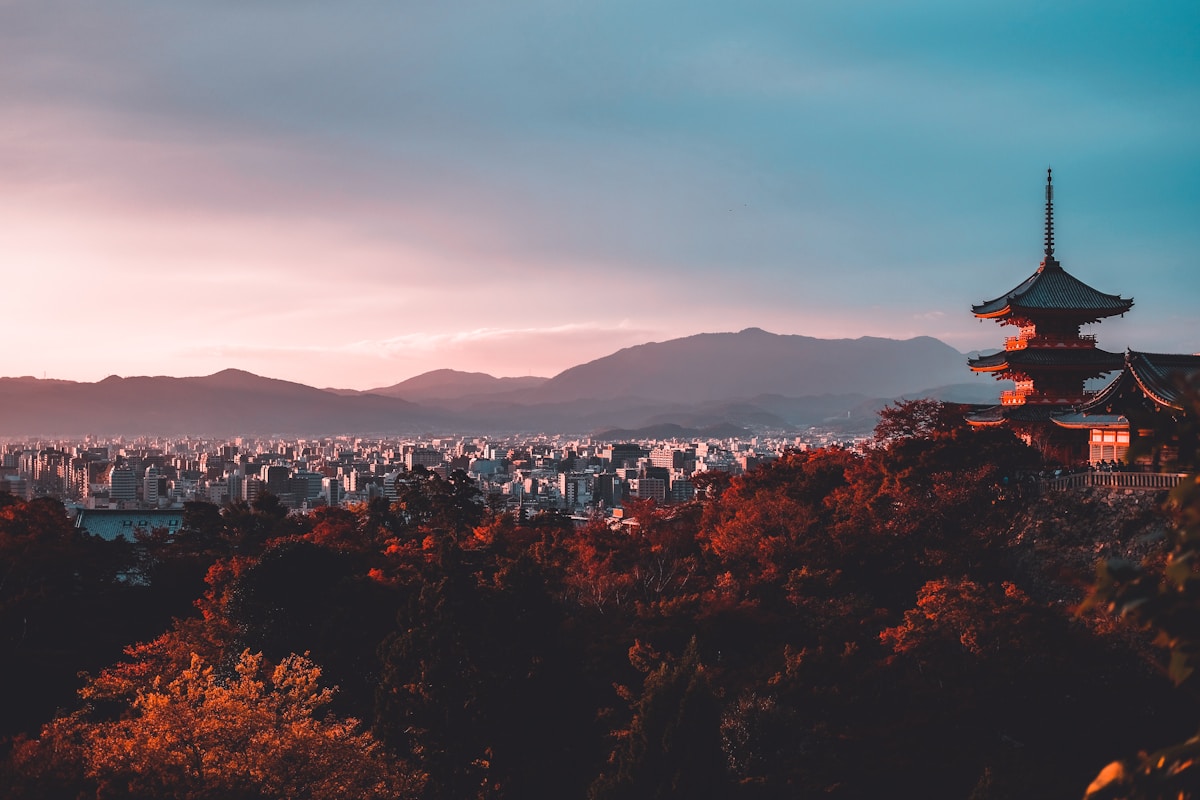
Japan's ryokan tradition — multi-course kaiseki, yukata robes, tatami rooms, and private onsen baths — is the world's most refined hospitality form. Tawaraya Kyoto, Beniya Mukayu, and Gora Kadan define the pinnacle.
The Japanese ryokan is the world's most sophisticated hospitality tradition — a form of inn developed from 8th-century Buddhist pilgrimage rest houses, refined over 1,200 years into an art form in which every element of a guest's experience (the seasonal arrangement of the flower in the tokonoma alcove, the precise sequencing of the kaiseki dinner's 12+ courses, the temperature of the yuzu-scented hinoki cypress bath, the angle of the garden raked gravel) is a conscious aesthetic decision rooted in Japanese philosophical concepts. Wabi-sabi (the beauty of imperfection and transience), *omotenashi* (the anticipatory, selfless hospitality of serving guests before they ask), and *ma* (the meaningful use of empty space and silence) are not marketing concepts in a Japanese ryokan — they are the operating principles that have shaped every detail. The finest ryokan — Tawaraya in Kyoto, Beniya Mukayu in Kanazawa, Gora Kadan in Hakone — represent a hospitality standard that Western luxury hotels approach only occasionally and rarely sustain.
Why Ryokan for Luxury Travel?
The ryokan experience differs from a luxury hotel experience in ways that go beyond aesthetics: the *nakai* (personal attendant — typically a woman in kimono, assigned exclusively to your room for the duration of your stay) serves every meal in your room, prepares your futon bedding, draws your bath, and manages every aspect of the room experience. Meals are not ordered from a menu — the kaiseki dinner (the structured multi-course Japanese haute cuisine, rooted in the tea ceremony's *kaiseki* light meal tradition) arrives course by course according to the chef's seasonal composition, using ingredients procured that morning from the market. The tatami-floored room (no furniture beyond a low table and zabuton cushions) and futon sleeping (laid directly on the tatami by the *nakai* while guests are at dinner) require a full surrender to Japanese domestic culture — and this surrender is the transformation that guests most frequently describe as the defining Japan experience.
The 5 Best Luxury Ryokan in Japan 2026
1. Tawaraya
Location: Nakagyo-ku, central Kyoto | Price: From €700/night (kaiseki dinner included)
The most celebrated ryokan in the world — Tawaraya has operated on the same site in central Kyoto since 1709, and has been family-owned by the Okasaki family through 11 generations. 18 rooms (only 18 — the deliberate limitation of scale that preserves the *omotenashi* quality); the kaiseki dinner (composed daily by the head chef using seasonal ingredients from Kyoto's Nishiki Market — "Kyoto's Kitchen"); the private garden (each room faces a different composition of the inn's central garden, maintained by a professional garden designer who adjusts seasonal planting monthly). Celebrity guests have included Steve Jobs (who returned annually for 20+ years), Alfred Hitchcock, Rockefeller, and the Emperor of Japan. Tawaraya does not have a website with online booking — reservations are accepted only by letter, fax, or through a trusted intermediary (a concierge network or previous guest referral). The waiting list for December and cherry blossom season (late March–early April) is 2–3 years.
Best for: The most celebrated traditional inn in the world; guests who have secured a referral or are willing to plan 2+ years ahead; the finest kaiseki in Kyoto (the most competitive kaiseki city in Japan); the Nishiki Market seasonal menu composition; guests for whom only the absolute pinnacle of Japanese hospitality will suffice
2. Beniya Mukayu
Location: Yamashiro Onsen, Ishikawa Prefecture | Price: From €600/night
The most architecturally innovative ryokan in Japan — Beniya Mukayu was designed by architect Nao Okabe to dissolve the boundary between the interior space and the surrounding beech forest: the corridor windows are floor-to-ceiling, the rooms project into the forest canopy on cantilevered platforms, and the private onsen baths (one per room, fed by Yamashiro Onsen's geothermal spring water) face the forest directly with no visual obstruction. 18 rooms (again, the deliberate scale limitation); the kaiseki dinner uses Kaga cuisine (the regional cuisine of the former Kaga Domain — one of Japan's richest outside Edo, producing an unusually elaborate and refined regional food tradition); the forest walk (illuminated at night, 20 minutes through the beech canopy) is included in the rate. Beniya Mukayu is family-owned. 15 minutes from Kanazawa (the finest castle city in Japan outside Nara and Kyoto, with the Kenroku-en garden — the most celebrated traditional garden in Japan).
Best for: Architecture and design travellers (the most architecturally distinctive ryokan in Japan); the forest-immersive room design (cantilevered into the beech canopy); Kanazawa day trips (Kenroku-en garden, 21st Century Museum, Higashi Chaya geisha district); Kaga regional cuisine; guests who want innovative ryokan design over historic tradition
3. Gora Kadan
Location: Gora, Hakone | Price: From €500/night
The finest ryokan in Hakone and the most complete onsen experience in the Kanto region — Gora Kadan was built in 1952 on the site of a former imperial villa of the Takamatsu royal family, retaining the original villa garden (a traditional Meiji-era stroll garden with azalea, maple, and cherry planting across the hillside) and adding 40 rooms across six building wings. The open-air onsen baths (rotenburo) face the volcanic mountain landscape of the Hakone Geopark; the kaiseki dinner (10+ courses, served in the room by the assigned *nakai*) uses ingredients from the Hakone and Izu Peninsula markets — Sagami Bay fish, Hakone wild vegetables, Izu Oshima sea salt. Gora Kadan is family-owned. The Hakone Ropeway and Lake Ashi (with Mt. Fuji reflected in the water on clear days) are 20 minutes from the ryokan.
Best for: The finest Hakone onsen experience (the most accessible hot spring region from Tokyo — 90 minutes by Romance Car express); Mt. Fuji views (from Lake Ashi, 20 minutes); the imperial villa garden; guests combining Tokyo with a 2-night ryokan stay; first-time ryokan visitors who want the full experience with English-speaking staff
4. Nishimuraya Honkan
Location: Kinosaki Onsen, Hyogo Prefecture | Price: From €400/night
The finest ryokan in Kinosaki Onsen — Japan's most beautiful onsen town — Nishimuraya Honkan's 38 rooms in a rambling 1921 building face the willow-lined Otani River that runs through the centre of Kinosaki, with the town's seven public bathhouses (*soto-yu*) accessible within 10 minutes walk (each provided a different medicinal mineral combination from different spring sources). Kinosaki Onsen operates on the *de-yu* tradition — guests wear their yukata robes throughout the town, moving from bathhouse to bathhouse in the evening, stopping for sake and crab (Kinosaki is the gateway to the Tajima Coast and its legendary Matsuba crab, season November–March). Nishimuraya has operated in Kinosaki since 1904; independently family-owned.
Best for: The Kinosaki Onsen town experience (yukata robes, seven public bathhouses, willow-lined river — the most atmospheric onsen town in Japan); Matsuba crab season (November–March — the finest crab in Japan, served at the ryokan); guests who want to experience the communal onsen town tradition rather than a private-pool ryokan; accessible from both Osaka (2.5h) and Kyoto (3h) by train
5. Zaborin
Location: Niseko, Hokkaido | Price: From €600/night
The finest ryokan in Hokkaido and the most distinctive four-season luxury retreat in northern Japan — Zaborin's 15 villas in the Niseko forest each have a private outdoor onsen bath (hinoki cypress, one facing the forest, one facing the private garden), a private living room with wood-burning stove, and floor-to-ceiling forest windows. The kaiseki dinner uses Hokkaido's extraordinary produce (the finest dairy in Japan — Hokkaido butter and milk; the finest lamb; the finest sea urchin from the Oshima Strait; the finest sweetcorn); the winter season delivers the context for which Niseko is world-famous: the most powder snow in Asia (average 15m of snowfall annually), with Grand Hirafu and Niseko United ski resorts accessible within 20 minutes. Zaborin is independently owned. Summer (June–October) offers hiking, rafting, and the lavender fields of Furano nearby.
Best for: Guests combining ski luxury with ryokan culture (unique combination — Niseko powder skiing + kaiseki dinner + private outdoor onsen); Hokkaido produce kaiseki; winter ryokan atmosphere (snow-covered forest from the outdoor bath); summer Hokkaido visitors; guests who want ryokan intimacy (15 villas only) in a non-city setting
Ryokan Guide: Essential Etiquette
| Custom | Detail |
|---|---|
| Shoes | Remove at the entrance (*genkan*); wear provided slippers indoors; remove slippers for tatami rooms |
| Yukata | Provided in your room; wear around the inn and to dinner; tie left side over right (right over left is for funerals) |
| Onsen | No swimwear; wash and rinse completely before entering the communal bath; tattoos may prohibit entry at some ryokan |
| Futon | The *nakai* lays the futon while you are at dinner; fold it yourself in the morning or request *nakai* assistance |
| Tipping | Tipping is not practised in Japan; exceptional service is acknowledged with a sincere verbal *arigatou gozaimashita* |
| Dinner timing | Kaiseki dinner typically begins at 6pm or 6:30pm; communicate any dietary restrictions at booking, not on arrival |
Japan Ryokan Must-Experiences
- Kaiseki Dinner in Your Room: The kaiseki meal — served course by course by your *nakai* over 90–120 minutes, each course representing a seasonal ingredient at its peak (the *hashun* — the precise moment of seasonal perfection) — is the most complete expression of Japanese aesthetic philosophy available to a non-Japanese speaker. Do not rush: the pacing is deliberate, the silence between courses is intentional, and the conversation with the *nakai* (if she speaks English, and many do) about each ingredient is part of the experience.
- Dawn Onsen Soak: The private outdoor onsen bath (*kashikiri rotenburo* — bookable by the hour at most ryokan) at dawn in winter is the defining ryokan experience: the steam rising from 42°C mineral water into cold forest air, the first light through the trees, complete silence. The outdoor bath at Gora Kadan faces the Hakone volcanic landscape; at Zaborin, it faces the snow-covered Niseko forest. Allow 45 minutes; bring nothing but a small towel.
- Morning Market Visit with the Chef: Some ryokan (Beniya Mukayu, Nishimuraya) arrange visits to the local morning wholesale market with the head chef — watching the kaiseki meal's ingredients selected, handled, and assessed at 5:30am before the market closes at 8am is the most direct connection to the food culture that the evening's dinner represents.
- Kyoto Machiya Walking (Pre-Dawn): The preserved machiya (traditional Kyoto townhouse) districts — Gion, Higashiyama, Nishiki — are at their most extraordinary at 5:30–6:30am, before any other visitors are present. From Tawaraya or any central Kyoto ryokan, walk east through the Nishiki Market (closed but beautiful empty), up Ninenzaka, and arrive at Kiyomizudera temple for sunrise on the wooden stage above the Otowa waterfall valley. The walk takes 35 minutes; the experience of Kyoto's oldest streets in complete silence and early light is the finest free experience in Japan.
Getting to Japanese Ryokan Regions
Kyoto (Tawaraya): Shinkansen from Tokyo (2h15m, Nozomi), Osaka (15min). JR Pass covers all Shinkansen travel. Hakone (Gora Kadan): Romance Car express from Shinjuku, Tokyo (1h30m, Odakyu Railway). Kinosaki Onsen (Nishimuraya): Kyoto to Kinosaki by Kounotori limited express (2h45m, JR Osaka Kinki). Niseko/Hokkaido (Zaborin): Sapporo New Chitose Airport (CTS) → Niseko by bus/car (2h). Flights to CTS from Tokyo Haneda (1h30m, multiple daily).
Best Time to Visit Japanese Ryokan
| Season | Experience | Months |
|---|---|---|
| Cherry Blossom | Sakura + ryokan | Late Mar–Early Apr; book 1 year ahead |
| Autumn Foliage | Koyo + onsen | Mid-Nov–Early Dec; Kyoto and Hakone peak |
| Winter | Snow + onsen (Niseko, Kinosaki) | Dec–Mar; powder skiing; onsen in snow |
| Summer | Yukata festivals; Gion Matsuri (Kyoto, July) | Jun–Aug; hot; humid; most dramatic festivals |
*More Japan luxury guides:* Best luxury hotels Kyoto 2026 | Best luxury hotels Tokyo 2026 | Best luxury hotels Osaka 2026
Filed under: