How to Plan a Diving Trip to Bonaire on a Budget (2026)
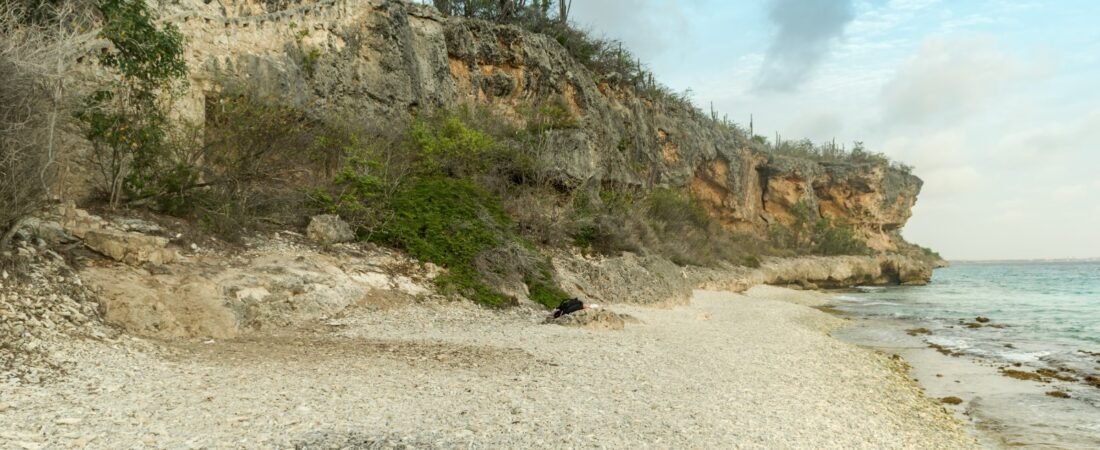
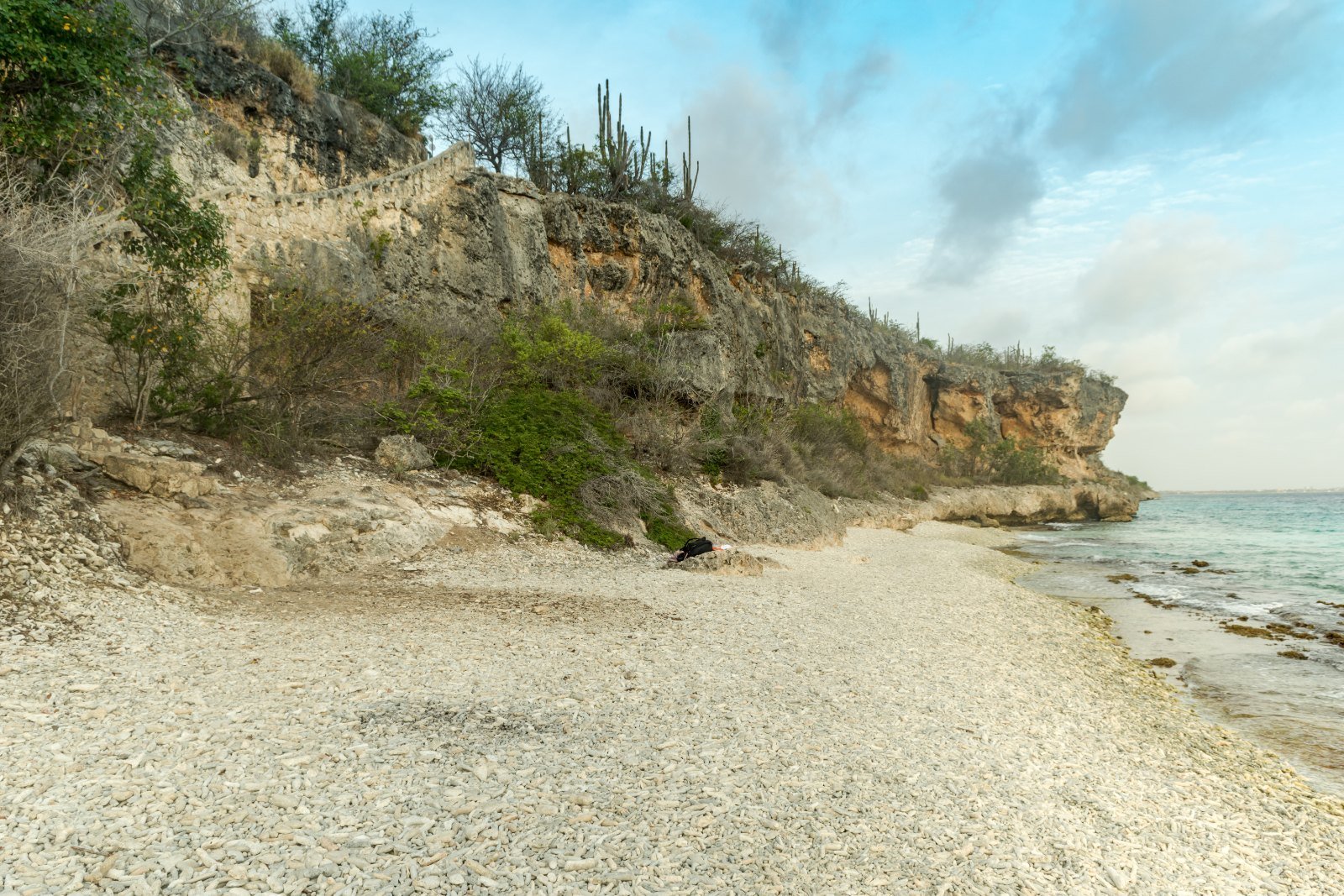
Illustrative island photograph. Not a photograph of the resorts compared below.
This guide focuses on Bonaire specifically for divers trying to keep costs down while still getting the unlimited shore-diving access the island is famous for. Our angle is a step-by-step budget plan built around Bonaire’s unusual diving model, truck rentals instead of boat fees, and refillable tank passes, rather than a generic “things to do” overview, because the way you structure a Bonaire trip changes the total cost more than almost any other Caribbean diving destination.
Why Bonaire Is the Budget Diver’s Caribbean Pick
Bonaire built its entire tourism identity around diving, and uniquely in the Caribbean, most of its best sites are reachable directly from shore rather than requiring a boat for every dive. That single fact is what makes it possible to dive on a budget here in a way that is genuinely difficult on islands like neighboring Curaçao or Grand Cayman, where boat-based diving dominates and per-dive boat fees add up fast. Divers who plan around shore access rather than boat schedules can realistically dive two or three times a day for the cost of a single boat dive elsewhere. More than 50 marked shore-dive sites ring the island, each marked with a small yellow-painted rock naming the site at its shore entry point, so planning a route is mostly a matter of picking a few sites along the leeward coast and working through them at your own pace, loading tanks into the truck bed each morning rather than booking around a boat’s schedule and departure time.
Step 1: Timing Your Trip Around Flights and Rates
Bonaire sits outside the main Caribbean hurricane belt, which keeps weather fairly consistent year-round and means there is no sharply defined “cheap season” the way there is on islands further north, though September and October still tend to bring the lowest airfares and hotel rates due to lighter overall demand. Flights typically route through Amsterdam, Miami, or increasingly through connections via Curaçao or Aruba, and booking six to eight weeks ahead on the smaller regional carriers tends to lock in meaningfully better fares than booking inside the final month. Because the island sits just off the Venezuelan coast, a few degrees of latitude south of the main hurricane tracks that sweep the rest of the Caribbean each summer and fall, divers do not need to build in the same weather-cancellation buffer that trips to Florida or the northern Caribbean often require, which also makes travel insurance a smaller, though still worthwhile, line item in the overall trip budget to plan around.
Step 2: Choosing Dive-Friendly, Budget Lodging
The single biggest budget decision is choosing lodging that is actually set up for shore diving: look for properties advertising “dive-in dive-out” access along the row of sites south of Kralendijk, since these let you walk directly from your room to the water rather than driving to a site and back for every dive. Budget apartments and dive resorts in this corridor often undercut the island’s handful of full-service hotels substantially while sitting on the exact same reef access, since the diving itself does not improve with a higher room rate. Many of these budget-friendly dive apartments are run by small, independently owned operators rather than international hotel brands, and often include tank storage, a rinse tank for gear, and a secure spot to leave a truck overnight, and sometimes a shared gear-drying area, all details worth confirming directly with the property before booking rather than assuming they are included.
Step 3: Renting a Truck Instead of Paying Per-Dive Boat Fees
Nearly every diver on Bonaire rents a pickup truck specifically to carry tanks between sites, and this single expense typically replaces what would otherwise be daily boat-dive fees elsewhere in the Caribbean. Renting for the full stay rather than day-by-day usually works out cheaper, and splitting the rental between two or three traveling companions brings the per-person cost down further. Budget-focused divers should compare the weekly truck rate against the cost of even a handful of boat dives on a comparable island like Turks and Caicos to see just how much the model saves, where a single two-tank boat trip can cost nearly as much as a full week of Bonaire’s shared truck rental.
Step 4: Gear, Tank Refills, and the Nature Fee
All divers must pay Bonaire’s Nature Fee to support the Bonaire National Marine Park, a one-time annual charge that covers unlimited diving for the calendar year regardless of how many dives you log. Beyond that, a multi-tank refill pass bought up front from a dive shop is almost always cheaper per-tank than paying one at a time, and bringing your own basic gear (mask, fins, regulator) rather than renting for a full week saves a meaningful amount over a seven-to-ten day trip, even after factoring in checked-bag fees for a dive bag. Several airlines serving the island also offer a reduced or waived dive-gear bag fee for certified divers who ask in advance, which is worth checking before assuming the standard checked-bag rate applies to your gear, since the savings can offset a meaningful share of the refill-pass cost.
- Buy a 10- or 20-tank refill pass on day one rather than paying per tank as you go
- Bring your own mask and fins at minimum; these are the items that rent up the most over a long trip
- Ask your dive shop about multi-day truck-and-tank bundles, which often beat booking a truck and a refill pass separately and can include a discount on your Nature Fee as well
Sample Budget Breakdown
| Item | Budget Choice | Approx. Cost (USD) | Notes |
|---|---|---|---|
| Lodging (7 nights) | Dive-in dive-out apartment | $560 – $840 | Split two ways where possible |
| Truck rental (7 days) | Shared pickup truck | $245 – $350 | Split two or three ways |
| Nature Fee | Annual diver pass | $45 | Covers unlimited dives for the year |
| Tank refills (20-tank pass) | Bulk refill pass | $160 – $220 | Cheaper per-tank than pay-as-you-go |
Step 5: Stretching Your Dive Days Further
Night dives and shore dives at sites like the famous Salt Pier or Klein Bonaire (a short boat hop, not shore-accessible) are worth budgeting one or two boat trips for even on an otherwise shore-focused trip, since a handful of sites genuinely require the extra cost. Cooking some meals in a kitchenette apartment rather than eating out for every dinner is the other major lever: Kralendijk has affordable grocery stores, and most dive-focused lodging includes at least a basic kitchen with a stovetop and refrigerator, which on a week-long trip can save as much as the truck rental itself. Many budget travelers also split a single rental apartment among three or four divers, dividing both the lodging and truck cost further and turning what looks like a mid-range trip on paper into a genuinely low-cost week per person once lodging, truck, tanks, and groceries are all divided among the group.
For current marine park rules and site maps, STINAPA Bonaire, which manages the national marine park, is the best primary source, with updated site maps, mooring rules, and marine park boundaries published each year. Divers planning a certification course or a refresher dive before the trip can check current training standards through PADI, and general trip logistics, entry requirements, and seasonal event calendars are covered by Tourism Corporation Bonaire. If Bonaire’s pricing still feels high relative to your budget, our Bonaire versus Curaçao comparison breaks down how the two islands stack up, and divers weighing a visibility-driven alternative may also want our Grenada seasonal guide, since both islands reward similar dry-season timing for the clearest water.
FAQ
Do you need a boat to dive in Bonaire?
No, most of the island’s best-known sites are reachable directly from shore, which is the main reason it is considered the Caribbean’s best budget diving destination for anyone willing to handle their own tanks and transport.
What is Bonaire’s Nature Fee?
A one-time annual charge that covers unlimited diving for the calendar year within the Bonaire National Marine Park, required of every diver.
Do I need a rental truck in Bonaire?
Not strictly, but nearly every diver rents one to carry tanks between shore sites, and splitting the cost with travel companions keeps it affordable.
Is Bonaire cheaper than Curaçao for diving?
For shore-diving-focused trips, generally yes, since Curaçao’s dive scene leans more heavily on boat trips with recurring per-dive fees.
When is the best time for a budget Bonaire dive trip?
September and October typically bring the lowest flight and lodging rates, since Bonaire sits outside the main hurricane belt and sees less seasonal price swing overall.