
Culion Island, Palawan: History & Diving Guide (2026)
Illustrative photograph. Not a photograph of every location described below.
This guide focuses on Culion Island specifically for travelers already basing themselves in Coron who want a day trip with real historical depth, rather than another dive-and-lagoon tour covering ground that every Coron itinerary already includes. Culion’s draw is unusual for this part of Palawan: its history matters as much as its scenery, and the island rewards a visitor who comes specifically to engage with that history rather than to tick off another beach.
Research-based guide. Historical details draw on published records of the Culion leper colony and island geography and population data; some commonly repeated claims about Culion, including superlatives about the colony’s scale, are not fully confirmed by a single authoritative source, so this guide describes them as widely reported rather than stated fact.
Getting to Culion from Coron
Public boats run from Coron town’s port to Culion roughly once a day, with the crossing taking about an hour and a half; schedules tend to run a single outbound trip around midday and a single return the following morning, which effectively means an overnight stay unless you charter a private boat. Chartering a boat for a same-day round trip is the more flexible option if your schedule is tight, and is a common add-on through Coron tour operators already running lagoon and shipwreck trips.
A Former Leper Colony, Now a Living Town
In the early 1900s, the American colonial government established a leprosy colony on Culion, funded through a dedicated budget approved in 1902, with construction beginning a few years later and the first group of patients arriving from Cebu in 1906. The settlement grew into a self-contained town with its own municipal government, police force, and courts, operating under strict movement restrictions for decades. These restrictions eased from the 1930s onward, and by the late 1990s the Philippine Department of Health had declared leprosy no longer a significant public health problem on the island, a milestone reflecting decades of medical progress and the easing of the stigma that shaped Culion’s first century.
Culion is often described as having hosted the world’s largest leper colony; this is a widely repeated claim in travel writing rather than one stated outright in the sources this guide checked, so treat it as a commonly cited superlative rather than a confirmed record.
The Culion Museum and Archives
Housed in the former colony’s main administrative building, the Culion Museum and Archives documents this history in detail, through medical records, photographs, and personal accounts from patients and staff. The archive’s significance was formally recognized when it was inscribed on UNESCO’s Memory of the World Register for the Asia-Pacific region in 2018, marking it as a documentary heritage collection of international importance. A visit to the museum is the main reason most travelers come to Culion, and it is worth budgeting a couple of unhurried hours rather than rushing through on a tight day-trip schedule.
Fort Culion and the Old Town
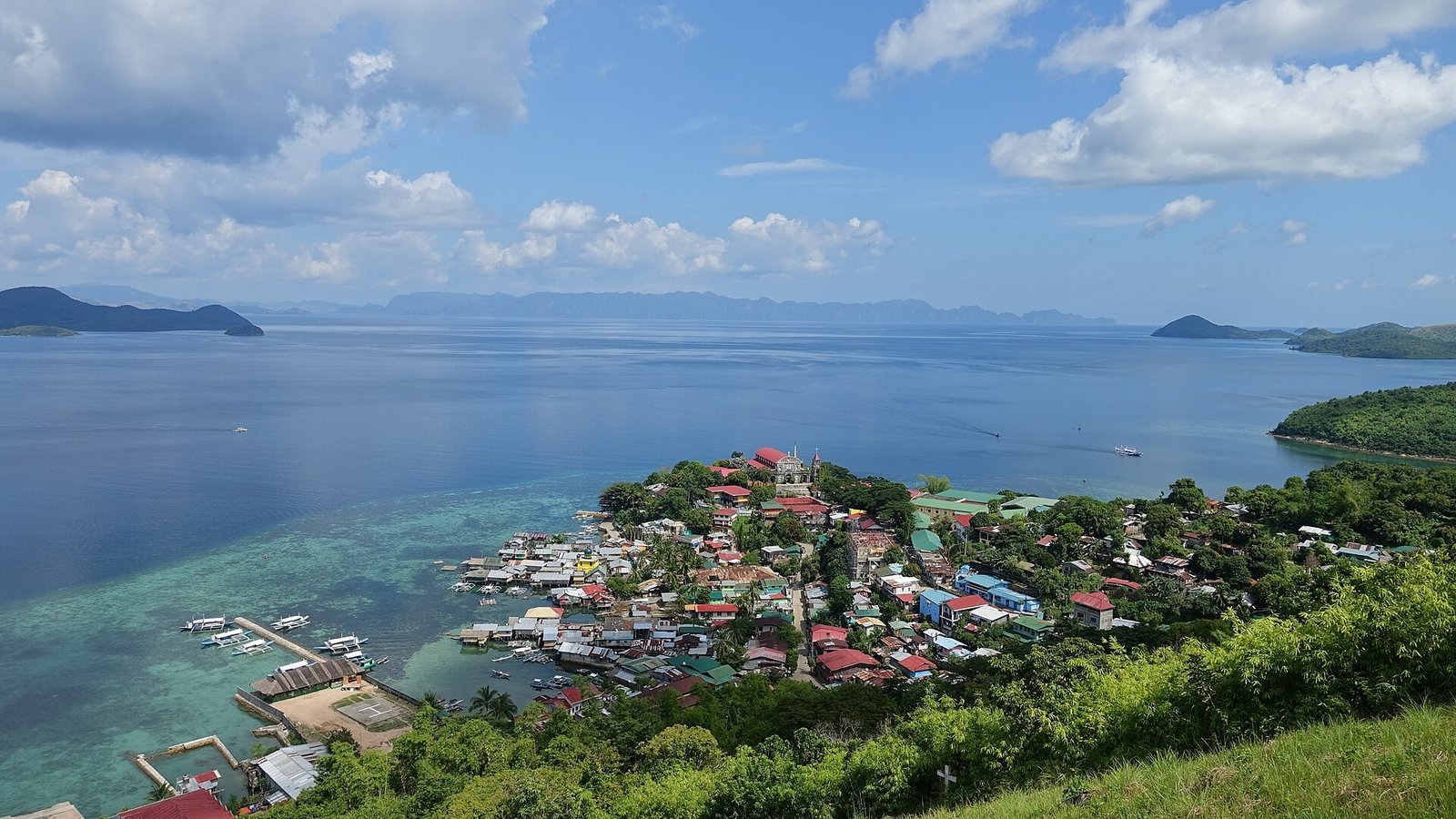
Above the harbor, the remains of a Spanish-era fort and the Immaculate Conception Church sit on a hillside overlooking the town, offering one of the better views in this part of Palawan without needing a boat tour to reach it. The walk up is short and makes a natural pairing with a museum visit, since both sit within easy walking distance of where the public boat from Coron lands.
| What | Detail |
|---|---|
| From Coron town | ~1.5 hours by public boat, roughly once daily |
| Main sight | Culion Museum and Archives (UNESCO Memory of the World, 2018) |
| Also worth seeing | Fort Culion and Immaculate Conception Church, hillside views |
| Best for | A quiet, history-focused break from Coron’s lagoon-and-shipwreck tours |
Diving and Snorkeling Around Culion
Culion sits within the same broader dive region as Coron, known for its coral gardens and World War Two-era shipwrecks, though the specific sites immediately around Culion are considerably less documented and less visited than Coron’s established wreck circuit. Travelers specifically chasing wreck diving are better served basing themselves in Coron town itself, where dive operators, boat access, and site knowledge are all more established; Culion is better framed as a history and scenery day trip with some incidental snorkeling rather than a dedicated dive destination in its own right.
That said, the broader Calamian group of islands around Culion and Coron is one of the Philippines’ better-known wreck-diving regions, built around a cluster of Japanese vessels sunk during a 1944 Allied air raid, and several Coron-based operators run trips that pass near Culion’s own coastline as part of longer multi-day itineraries.
Planning Your Visit
Because the public boat schedule effectively forces an overnight unless you charter privately, decide early which version of the trip you want. A chartered same-day round trip suits travelers on a tight Coron itinerary who mainly want the museum and the fort view; an overnight suits anyone who wants to see the town properly, eat where locals eat, and avoid rushing the museum’s more detailed exhibits. Either way, this works best as a deliberate add-on to a Coron base rather than a standalone destination, and pairs naturally with how most visitors already reach the region, covered in our guide to getting to Coron from Manila.
What to Bring and Where to Eat
Culion town has a small number of local eateries (carinderias) around the port and main square, serving simple Filipino staples rather than anything resort-style; do not expect menus or Western-style cafes here. Bring cash, since card payment is essentially nonexistent on the island, and bring sun protection and water, as shade is limited on the walk up to Fort Culion. If you are visiting on the public boat’s overnight schedule, pack as you would for any simple guesthouse stay rather than a resort trip; options are basic but generally clean and friendly.
Entry to the Culion Museum typically involves a small admission fee, worth confirming locally since published prices for small provincial museums like this one change without much notice online.
Culion is a worthwhile detour precisely because it offers something most of Palawan’s island-hopping circuit does not: a genuine, documented history rather than another lagoon. It suits travelers who have already seen Coron’s main lagoons and wrecks and want one more day with a genuinely different focus, rather than first-time visitors trying to cram everything into a short trip. Confirm the current public boat schedule directly in Coron before planning your day, since departure times can shift with demand and weather.
Frequently Asked Questions
How do I get from Coron to Culion?
By public boat from Coron town’s port, taking roughly an hour and a half, with typically one outbound sailing around midday and one return the next morning. Chartering a private boat allows a same-day round trip instead.
Is Culion worth visiting if I'm not interested in history?
It is still a pleasant, quiet day trip for the hillside views from Fort Culion and the town’s unhurried pace, but the museum and the island’s history are genuinely the main reason most travelers make the crossing.
Was Culion really the world's largest leper colony?
This is a commonly repeated claim in travel writing, but it is not stated outright in the primary historical sources checked for this guide, so treat it as a widely cited superlative rather than a verified record.
Can I dive directly around Culion?
Some snorkeling and diving is possible, but the island is far less developed for diving than Coron town, where established operators and well-known wreck sites make it the better base for anyone prioritizing diving.
Do I need to stay overnight on Culion?
Only if you take the public boat, whose schedule effectively requires an overnight stay. A chartered private boat lets you visit and return to Coron on the same day.