Diving Chuuk Lagoon: A Wreck-Diving Trip Planner
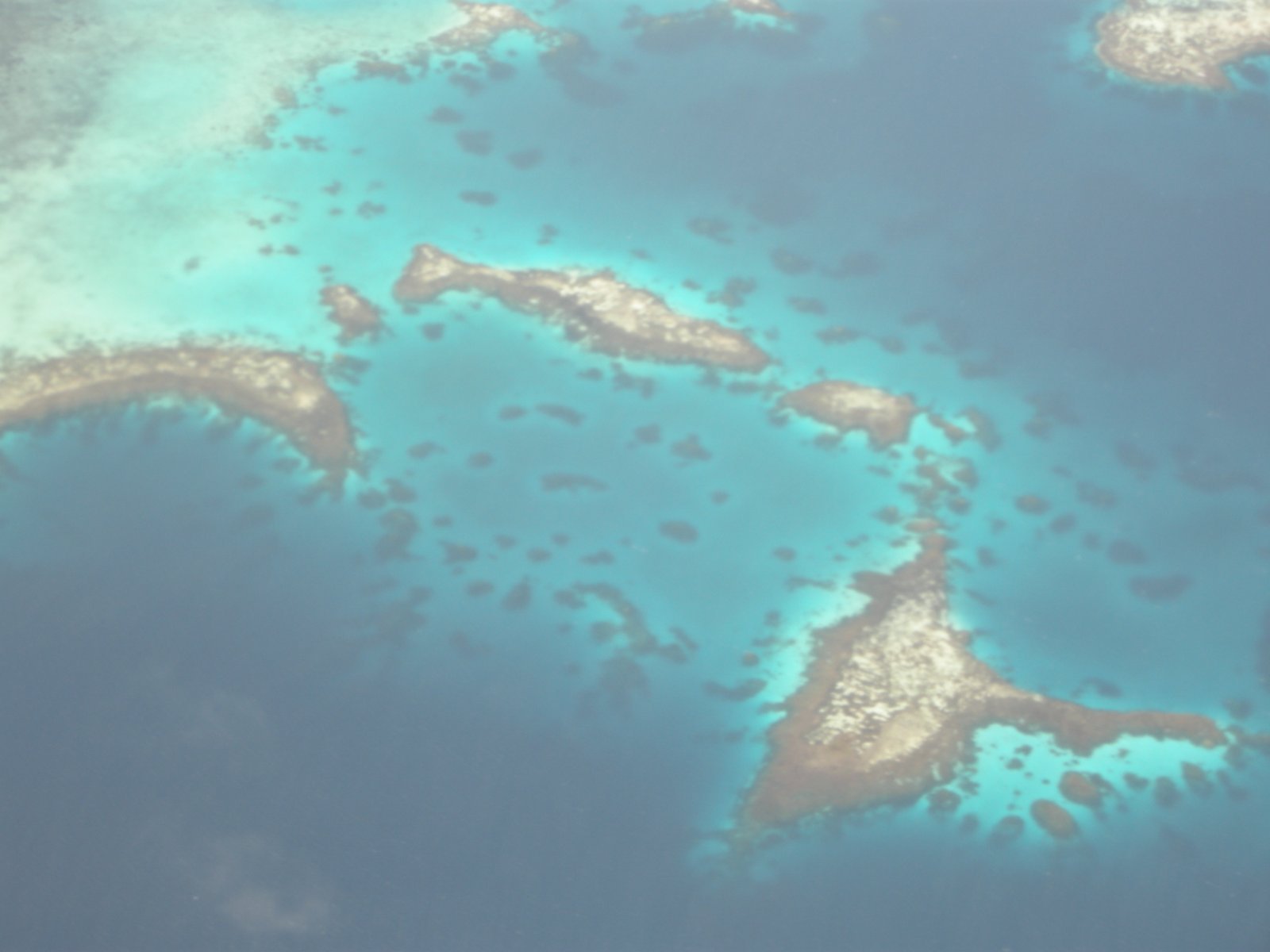
Illustrative lagoon photograph.
This guide focuses on trip planning specifically for divers deciding whether Chuuk Lagoon fits their certification level and travel budget, not a general Micronesia overview. Chuuk Lagoon, in the Federated States of Micronesia and formerly known as Truk Lagoon, holds dozens of Japanese Imperial Navy wrecks sunk during a single American air raid in February 1944, making it one of the most concentrated wreck-diving sites on earth — but getting there and choosing the right wrecks takes more planning than a typical reef-diving trip.
Research-based guide · General destination and historical information current as of September 2026. This is not a first-hand dive review.
Quick Answer
Open Water divers can enjoy several of Chuuk’s shallower, more intact wrecks such as the Fujikawa Maru and Shinkoku Maru. Deeper or more penetration-heavy wrecks such as the San Francisco Maru require Advanced or wreck-specialty certification and, in some cases, technical training. Book a dive operator on Weno island or a liveaboard well ahead, since Chuuk’s flight schedule is limited.
Compare the Best-Known Wrecks
| Wreck | Depth range | Suggested level | Known for |
|---|---|---|---|
| Fujikawa Maru | Roughly 10–35m | Open Water and up | Disassembled Zero fighter parts in a cargo hold |
| Shinkoku Maru | Roughly 10–38m | Open Water and up | Soft-coral-covered mast and kingpost, penetrable engine room |
| Nippo Maru | Roughly 10–50m | Advanced/wreck specialty | Tank on deck, artillery pieces |
| Yamagiri Maru | Roughly 15–34m | Advanced | Torpedo damage, cargo of naval mines |
| San Francisco Maru | Roughly 35–60m | Technical/deep specialty | Tanks and trucks on deck; nicknamed the “Million Dollar Wreck” |
The History Behind the Wrecks
In February 1944, United States carrier aircraft launched Operation Hailstone against the Japanese fleet anchorage at what was then called Truk Lagoon, sinking dozens of warships and cargo vessels in roughly two days. Many of those hulls remain remarkably intact on the lagoon floor, now encrusted with coral and home to reef fish, which is what distinguishes Chuuk from most other wreck-diving destinations: divers here can explore an entire sunken fleet rather than a single vessel. Background on the raid itself is documented by the U.S. Naval History and Heritage Command.
Matching Wrecks to Your Certification
Chuuk rewards divers who are honest about their certification level and experience. Open Water divers have genuine, memorable options among the shallower wrecks, but several of the lagoon’s most famous sites — particularly those involving deep penetration or depths beyond 40 metres — are appropriately restricted to divers with wreck-specialty or technical training. Reputable local operators will ask for your certification card and dive log before booking you onto the deeper sites, and it is worth treating that screening as a safety feature rather than an obstacle.
Getting to Chuuk: The Island Hopper Route
Chuuk International Airport sits on Weno, the lagoon’s main island, and is served by United Airlines’ long-running “Island Hopper” flight, which connects Guam and Honolulu with stops at Chuuk, Pohnpei, Kosrae and Majuro. Flight frequency is limited compared with major Pacific hubs, so build extra buffer days into your itinerary and confirm your onward connection well before departure, since a missed Island Hopper leg can mean a multi-day wait for the next flight.
Land-Based Diving vs a Liveaboard
Most Chuuk diving is organized from land-based operators on Weno, offering day trips out to the lagoon’s wrecks and returning each evening — a comfortable option for divers who also want to explore the island between dives. A long-running alternative is the liveaboard SS Thorfinn, a converted vessel that has operated dedicated wreck-diving trips in the lagoon for decades, putting you closer to multiple dive sites without a daily boat commute. Compare current operator offerings directly, since schedules and vessel availability change.
When to Go
- Chuuk’s tropical climate means warm water and reasonable visibility year-round, without the sharply defined dry/wet seasons of nearby Southeast Asia.
- The Pacific typhoon season (roughly June to November) can occasionally disrupt flights or sea conditions; check regional weather advisories before booking.
- Because flight frequency is the main planning constraint, choose your dates around Island Hopper availability first, then confirm dive operator availability second.
- Underwater visibility can vary between wreck sites depending on recent weather, so ask your operator which sites currently have the best conditions rather than fixing your wish list before arrival.
What to Bring and Prepare
Bring your own well-fitted mask, fins and dive computer if you have them, since equipment rental options are more limited than in major dive hubs. A dive insurance policy that explicitly covers wreck penetration and, if relevant, technical diving is worth confirming before you travel, since standard travel insurance sometimes excludes these activities. If you plan to attempt any of the deeper or penetration-heavy wrecks, bring your certification cards and a recent dive log, and be prepared for a check-out dive with the local operator before they clear you for advanced sites.
How Chuuk Compares to Other Pacific Dive Destinations
Chuuk’s appeal is historical and structural — an entire sunken fleet rather than a single reef system — which sets it apart from reef-focused destinations like Palau’s Rock Islands or Raja Ampat’s biodiversity-driven diving. If coral biodiversity and manta or shark encounters matter more to you than wreck history, our Raja Ampat diving guide and Similan Islands guide may suit you better; if remote liveaboard-style wreck and reef diving in the Pacific specifically appeals, also see our Mergui Archipelago liveaboard guide and our broader Southeast Asia diving overview for context on how Chuuk fits into a wider regional dive trip. Background on the lagoon’s geography is available on the Wikipedia entry for Chuuk Lagoon.
A Realistic Trip Length
Because of the flight schedule constraints and the sheer number of diveable wrecks, most serious wreck divers plan five to seven days on Weno at minimum, allowing two to three dives most days without over-scheduling. Shorter trips are possible but tend to force a choice between covering more wrecks superficially or focusing deeply on just a few — decide which approach you prefer before booking your operator, since some structure their multi-day packages around one philosophy or the other.
Safety Considerations Specific to Wreck Diving
Wreck diving carries risks that ordinary reef diving does not: sharp metal, unstable silt inside hulls, fishing line snagged on decades-old structures, and the temptation to go deeper or further inside a wreck than your training supports. Chuuk’s operators are generally experienced with these hazards, but the responsibility for diving within your certification limits sits with you. If you are considering a wreck-specialty or technical course specifically to access sites like the San Francisco Maru, complete that training before you travel rather than trying to combine certification and exploration in one short trip. Organizations such as the Divers Alert Network publish general guidance on wreck-diving risk and dive medicine that is worth reviewing before a trip like this.
Budgeting for a Chuuk Trip
Because Chuuk is a remote Pacific destination with limited flight competition, airfare typically makes up a larger share of the total trip cost than accommodation or diving fees, which are comparatively modest next to major dive-tourism hubs. Multi-day dive packages that bundle a set number of boat dives with accommodation are the norm; compare what is included — tanks, weights, guide fees, airport transfers — before assuming a quoted rate is all-inclusive. Because seats on the Island Hopper route are limited, price and availability can both shift closer to your travel dates, so book flights as early as your plans allow.
Combining Chuuk with Other Micronesian Stops
Since the Island Hopper route already stops at Pohnpei and Kosrae, many divers extend their trip to include one or both, each offering a very different character from Chuuk’s wreck-focused diving — Pohnpei is known for its ancient stone-ruin site Nan Madol and healthy outer-reef diving, while Kosrae offers quieter wall diving with less tourism infrastructure. Building in a few extra days at either stop is a practical way to make the most of an already long-haul flight routing, rather than treating Chuuk as an isolated destination reached and left in a single hop. Weigh jet lag and flight fatigue into this decision too: the Island Hopper route crosses the International Date Line and multiple time zones, so a longer stay at fewer stops is often more restful than trying to see everything on one pass through the region.
Frequently Asked Questions
Do you need advanced certification to dive Chuuk Lagoon?
Not for every wreck. Several shallower, more intact wrecks are suitable for Open Water divers, while deeper or penetration-heavy sites require Advanced or wreck-specialty training.
How do you fly to Chuuk Lagoon?
Most international visitors connect through United Airlines’ Island Hopper route, which links Guam and Honolulu with stops including Chuuk, Pohnpei, Kosrae and Majuro.
Is a liveaboard necessary to dive Chuuk?
No. Land-based operators on Weno run daily boat trips to the wrecks. A liveaboard such as the SS Thorfinn is an alternative for divers who want to be based on the water.
What is the best time of year to dive Chuuk Lagoon?
Conditions are fairly stable year-round given the tropical climate, though it is worth checking regional typhoon-season advisories before booking flights and dives.
Why are there so many wrecks in one place?
Dozens of Japanese Imperial Navy vessels were sunk in a single 1944 air raid, Operation Hailstone, leaving an unusually dense concentration of wrecks on the lagoon floor.
Confirm current flight schedules, operator certification requirements and insurance coverage directly before booking, since all three can change, and reach out to your chosen dive operator early if you have specific certification or medical questions rather than assuming they can accommodate every request on short notice.