Gozo Island Travel Guide 2026
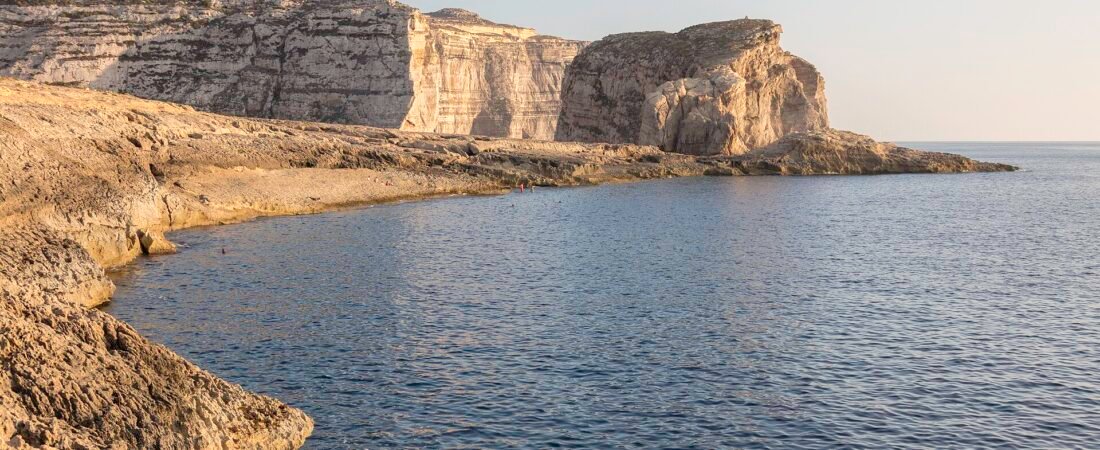
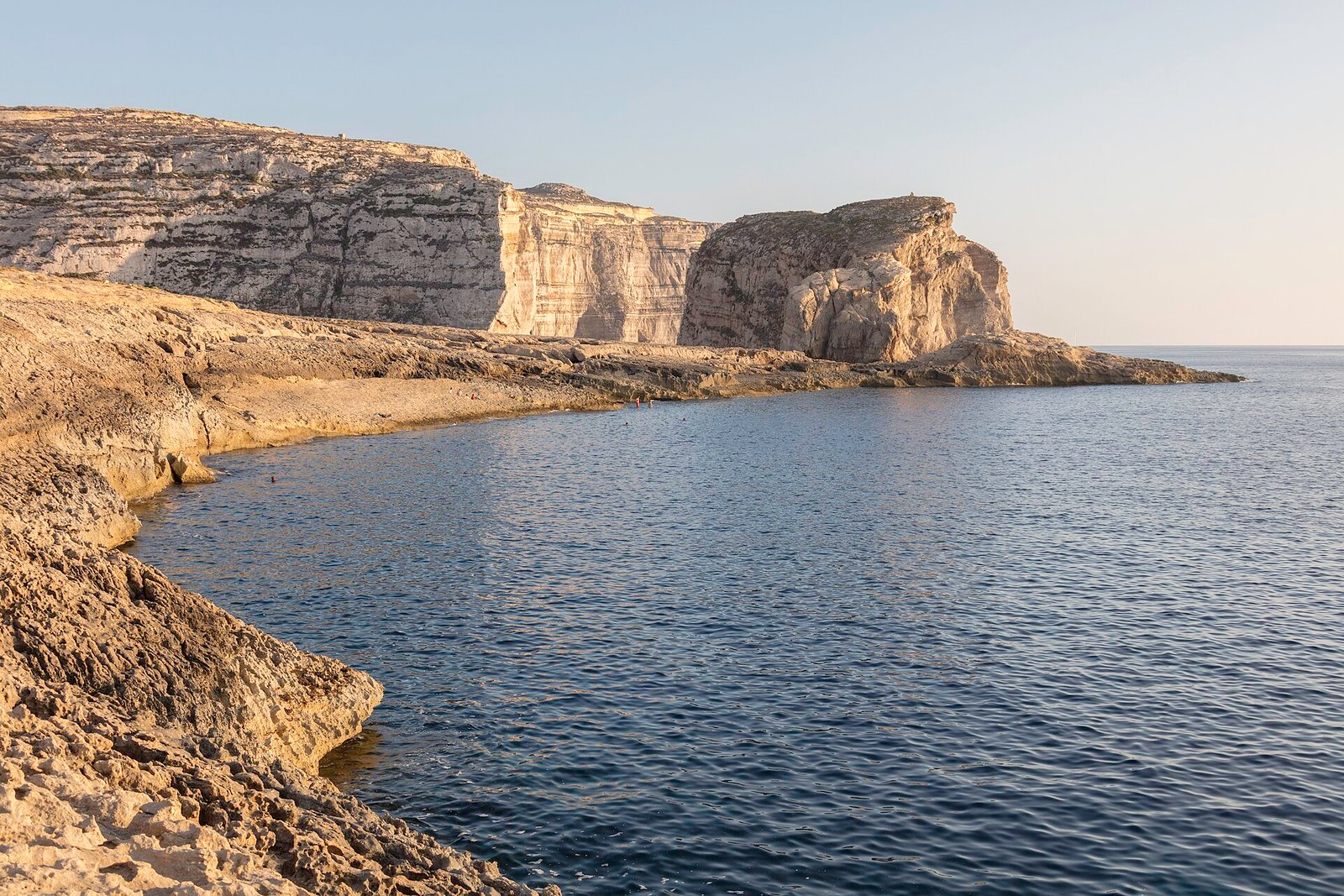
Coastline near San Lawrenz, Gozo. Photo: Wikimedia Commons (CC BY-SA 4.0).
Gozo is Malta’s smaller, greener sister island: a landscape of flat-topped hills, stone villages, salt pans and sea cliffs, reached by a short ferry crossing from the main island. This guide focuses on Gozo specifically for travellers already planning a Malta trip who are deciding between a day trip and staying a few nights, and it covers the ferry, where to stay, what to see and how to structure your time.
Research-based guide · Ferry, heritage and visitor information checked against official Maltese sources in September 2026. Timetables and fares change, so confirm with operators before travelling.
Day trip or overnight?
A day trip covers the highlights — the Citadel in Victoria, Ġgantija Temples and a beach — but it is rushed. Two or three nights let you see Gozo after the day-trippers leave, swim at quieter bays, dive or snorkel at Dwejra and enjoy long lunches in the villages. Stay in or near Victoria for convenience, Xlendi or Marsalforn for the sea, or a converted farmhouse with a pool for privacy.
Getting to Gozo
The main route is the Gozo Channel car and passenger ferry from Ċirkewwa, at the northern tip of Malta, to Mġarr harbour on Gozo. The crossing takes about 25 minutes, ferries run frequently throughout the day and night, and fares are collected on the return journey from Gozo rather than on the way out. Driving from Valletta or Sliema to Ċirkewwa takes around an hour, depending on traffic.
A fast passenger ferry also links Valletta directly with Mġarr in roughly 45 minutes, which is ideal if you are staying in the capital and do not need a car on Gozo. Our guide to the best luxury hotels in Valletta covers the city side of the trip.
| Route | Service | Crossing time | Best for |
|---|---|---|---|
| Ċirkewwa → Mġarr | Car and passenger ferry | ~25 min | Travellers with a rental car; most frequent option |
| Valletta → Mġarr | Fast passenger ferry | ~45 min | City-based visitors without a car |
| Sliema / Bugibba → Gozo | Organised day tours | Varies | First-timers wanting a guided overview |
| Malta → Comino → Gozo | Boat tours | Varies | Combining the Blue Lagoon with Gozo |
If you are driving, allow extra time in summer and at weekends, when queues can build at Ċirkewwa, particularly on Friday afternoons heading to Gozo and on Sunday evenings heading back to Malta. Arriving early in the morning avoids most of the congestion and gives you a head start on the day-trippers. Foot passengers can simply walk on; buses and taxis wait at Mġarr for onward connections to Victoria and the villages. Hotels and farmhouse owners can often arrange a driver to meet you at the harbour, which is worth doing if you are arriving late with luggage.
Where to stay on Gozo
Victoria (Rabat), the island’s capital, sits in the centre, so nothing on Gozo is more than about 20 minutes away by car. It suits travellers who want restaurants, the Citadel and bus connections on the doorstep. Xlendi, on the southwest coast, is a small resort set in a narrow bay with waterfront restaurants and good swimming from the rocks. Marsalforn, on the north coast, is larger and livelier, with a promenade and easy access to the salt pans and Ramla Bay.
Gozo’s upscale accommodation is mostly small and independent. Hotel Ta’ Ċenċ & Spa, near Sannat on the southern cliffs, is the island’s best-known upscale hotel, set in quiet gardens. The other distinctive option is a converted farmhouse: many old stone farmhouses in villages such as Għarb, Għasri, San Lawrenz and Xagħra have been restored with private pools and are rented by the week, making them ideal for couples and families who want space and privacy. Check the official Visit Gozo site for licensed accommodation.
The choice of base comes down to the kind of trip you want. Couples looking for privacy and a pool usually prefer a farmhouse in the western villages, where evenings are quiet and the countryside walks start at the door. Travellers without a car are better off in Victoria, the hub of the bus network, or in Xlendi or Marsalforn, where restaurants and swimming spots are within walking distance. Divers often choose Xlendi or Marsalforn for easy access to dive centres. Families may appreciate a farmhouse with a pool and a kitchen, especially for stays of a week or more, as Gozo’s restaurants are relaxed but can be busy on summer evenings.
Top sights: temples, the Citadel and Dwejra
- Ġgantija Temples, Xagħra: a pair of Neolithic temples dating back more than 5,000 years, older than the Egyptian pyramids and Stonehenge. They are part of the Megalithic Temples of Malta World Heritage property. Visit early to avoid tour groups.
- The Citadel (Cittadella), Victoria: the fortified old town on the hill above the capital, with the cathedral, museums and ramparts offering views across the whole island.
- Dwejra: the dramatic west coast where the famous Azure Window stood until it collapsed in a storm in 2017. The Inland Sea, Fungus Rock and the Blue Hole remain, and the area is still one of the most photographed on Gozo.
- Ta’ Pinu Basilica: a national shrine standing alone in open countryside near Għarb, an important pilgrimage site.
- Xwejni salt pans: centuries-old rock-cut pans along the coast near Marsalforn, still worked by local families in summer.
- Wied il-Għasri: a narrow gorge ending in a tiny pebble inlet, a favourite with snorkellers.
Beaches, diving and the sea
Gozo’s coast is mostly rocky, which makes it a paradise for swimming off flat limestone shelves, snorkelling and diving rather than long beach days. The exception is Ramla Bay on the north coast, a broad beach of distinctive reddish-gold sand backed by dunes and countryside. San Blas Bay, reached by a steep walk, is smaller and more secluded, while Xlendi and Hondoq ir-Rummien offer clear water with views across to Comino.
Gozo is one of the Mediterranean’s best-known dive destinations, thanks to clear water, caves, arches and reefs close to shore. The Blue Hole at Dwejra, the Inland Sea tunnel and a number of deliberately scuttled wrecks are among the best-known sites, and many can be dived from the shore. Dive centres around Xlendi, Marsalforn and Mġarr cater for beginners and experienced divers. Snorkellers can enjoy many of the same sites in calm conditions.
Sea conditions matter: exposed spots such as Dwejra can be rough when the wind blows from the west or north, so check locally and choose a sheltered bay on the opposite side of the island. The ferry operator also publishes service notices during bad weather.
A two-day Gozo plan
- Day 1 morning: early ferry from Ċirkewwa, drive to Xagħra for Ġgantija Temples at opening time, then on to the Ta’ Kola windmill nearby.
- Day 1 afternoon: Ramla Bay for a swim and lunch, then the Xwejni salt pans at golden hour and dinner in Marsalforn.
- Day 2 morning: the Citadel in Victoria before the crowds, followed by coffee in It-Tokk square.
- Day 2 afternoon: Ta’ Pinu Basilica, then Dwejra for the Inland Sea and a boat trip if conditions allow. Finish with a sunset dinner in Xlendi.
- Third day: add a boat trip to Comino’s Blue Lagoon early in the morning, or book a dive.
Gozo is also well suited to walking. Waymarked coastal and countryside routes link many of the sights above, including clifftop paths near Ta’ Ċenċ and Sannat, the valleys around Xlendi and the ridge walks above Ramla Bay. Spring, when the fields are green and wildflowers are out, is the best season for longer walks. In summer, walk early in the morning and carry plenty of water, as shade is scarce. Food is another reason to linger: look for local sheep’s cheese (ġbejna), ftira bread topped with vegetables and fish, fresh seafood in Xlendi and Marsalforn and honey and wine from small producers.
When to go and how Gozo compares
Late spring (May and June) and early autumn (September and October) are the sweet spots, with warm sea temperatures, long days and fewer visitors than in July and August, when the island fills with Maltese and international holidaymakers. Winter is mild and quiet, with walking weather and local festivals, though some seaside restaurants close and the sea can be rough. Summer village festas, with fireworks, processions and brass bands, are a memorable experience if your dates coincide.
Compared with larger Mediterranean islands, Gozo is small, slow and rural. It lacks the big resort scene of Crete or the glamour of Santorini, but it rewards travellers who prefer villages, walking and diving. For a longer Mediterranean island itinerary, it combines well with Sicily, a short ferry or flight away, or Sardinia.
Renting a car is the easiest way to explore, but roads are narrow and signposting can be sparse, and parking in Victoria is tight in high season. Buses cover the island from the Victoria hub and are inexpensive but infrequent on some routes. Taxis and private drivers can be booked for day tours. Carry some cash for small village cafés and bring water shoes for rocky swimming spots.
Frequently Asked Questions
How long is the ferry from Malta to Gozo?
The Gozo Channel car ferry from Ċirkewwa to Mġarr takes about 25 minutes. The fast passenger ferry from Valletta takes around 45 minutes.
Is Gozo worth an overnight stay?
Yes. A day trip covers the main sights, but staying two or three nights lets you enjoy quieter evenings, swim at less crowded bays and dive or snorkel without rushing.
Does Gozo have sandy beaches?
A few. Ramla Bay is the best-known sandy beach, with reddish-gold sand, and San Blas Bay is a smaller alternative. Most of the coast is rocky and better for swimming off the rocks and snorkelling.
Can you still see the Azure Window on Gozo?
No. The Azure Window collapsed during a storm in March 2017. The Dwejra area is still worth visiting for the Inland Sea, the Blue Hole and the dramatic cliffs.
Do I need a car on Gozo?
A car is the most convenient option, especially if you are staying in a rural farmhouse. Buses, taxis and organised tours are alternatives if you prefer not to drive.