Hanoi Old Quarter: A Local-Style Walking Route
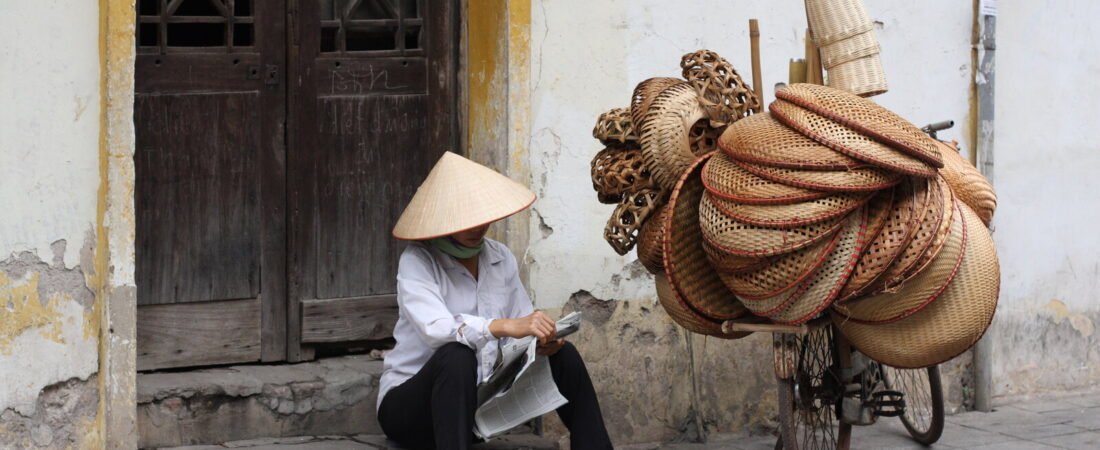
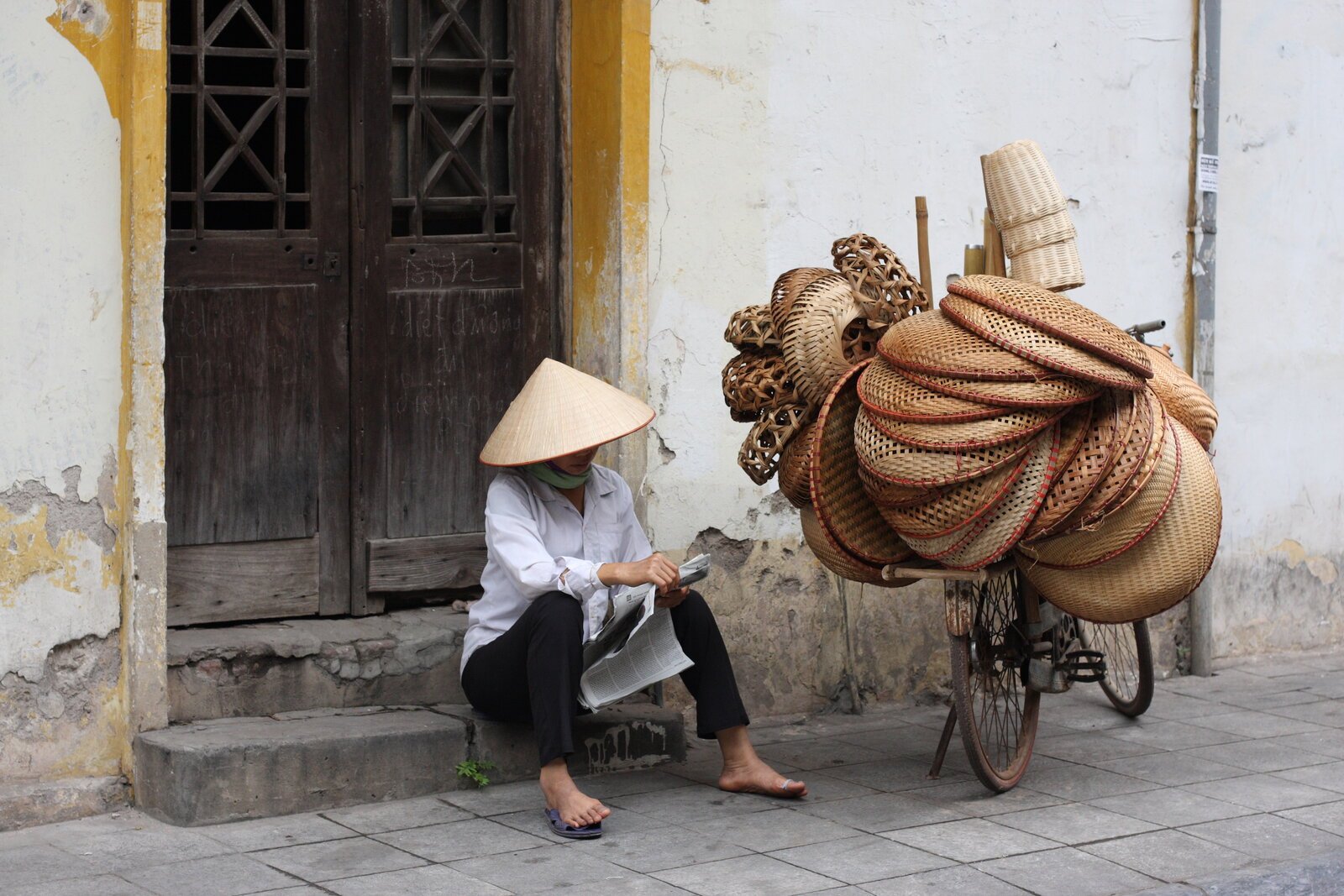
Illustrative Hanoi Old Quarter street scene. Not a photograph of a specific stop on the route below.
Hanoi’s Old Quarter gets covered constantly for its hotels and its single famous “Train Street,” but far less often as a walking route that strings together its 36 historic craft streets in a logical order. This guide focuses specifically on a half-day walking route through the Old Quarter for travellers on foot, not a hotel comparison and not a guided-tour itinerary booked through an operator.
Research-based guide · Updated for 2026
Why the Old Quarter Rewards Walking Over Touring
The Old Quarter’s 36 streets were historically organised by guild and trade — silk on one street, tin on another, paper offerings on a third — and that structure is still visible enough today that walking it in order tells a more coherent story than hopping between highlights by taxi. The area is also dense enough with motorbike traffic that walking is frequently faster than driving between nearby points anyway, especially during the late-afternoon rush.
Most guided Old Quarter tours move at a pace built for a group, pausing at the same two or three photo stops rather than letting the streets themselves set the route. Walking it independently, in the order the trades were historically laid out, gives a better sense of how the neighbourhood actually functions day to day, past the version curated for tour buses.
Getting to the Old Quarter First
Most visitors arrive via Noi Bai International Airport, roughly 45 minutes to an hour from the Old Quarter by taxi or airport bus depending on traffic, which is heaviest on the approach into the city during morning and evening rush hours. Booking an airport transfer in advance through your hotel avoids the taxi-queue haggling that can otherwise eat into the first hour of a trip, and several Old Quarter hotels include this as part of a booking at no extra cost.
Once you are based in or near the Old Quarter, this entire route is reachable on foot from almost any hotel inside its boundaries, which is part of why basing here, rather than further out near West Lake or the French Quarter, makes the most sense for a visit built around walking rather than driving.
The Route, Stop by Stop
Start: Hang Gai (Silk Street), Early Morning
Begin on Hang Gai street as shops open, when the silk and tailoring stores are unlocking and the street is calmer than it will be by mid-morning. This is also a good first stop for custom tailoring if you want a same-trip fitting, since most shops here can turn around an order within 24 to 48 hours.
Hang Bac and Hang Dao: The Jewellery and Clothing Streets
Moving south, Hang Bac has been a silver and jewellery trading street for centuries and is worth a slow pass even without buying anything, while Hang Dao’s clothing stalls give a sense of the Old Quarter’s everyday commerce rather than its tourist-facing side.
A Food Detour: Bun Cha and Egg Coffee Off the Main Strip
Rather than following the crowds to the best-known bun cha address on the main tourist strip, this route detours one block over to a smaller, locally busy stall with the same dish and a shorter wait. Pair it with egg coffee at a quieter cafe tucked down a side alley rather than the well-photographed original on Nguyen Huu Huan, which gets a steady queue by mid-morning.
Dong Xuan Market: Where Locals Actually Shop
Dong Xuan, the Old Quarter’s largest market, sits at the northern edge of the route and is where many Hanoi residents still do real shopping rather than tourist browsing. It is louder and less curated than the souvenir stalls further south, which is exactly the contrast worth seeing on a route like this one.
Train Street: A Brief, Timed Stop
Train Street is worth five minutes if a train is actually scheduled to pass — check current schedules locally rather than waiting indefinitely, since access has tightened in recent years and cafes along the track now control entry during passage times.
The Quiet Finish: Hoan Kiem Lake’s Northern Shore
End the route at Hoan Kiem Lake’s quieter northern shore rather than the busier southern side near the main roundabout. Late afternoon here, with Ngoc Son Temple visible across the water, is a calmer contrast to the market noise earlier in the route, and sets up well for an evening water puppet show at the nearby Thang Long Water Puppet Theatre.
If you still have energy after the show, the streets immediately south of the lake transition into the Old Quarter’s modern bar and restaurant strip, a useful option for dinner that sits apart from both the tourist-strip addresses visited earlier and the market noise around Dong Xuan.
What to Bring on This Walk
Comfortable, closed-toe walking shoes matter more here than almost anywhere else in Vietnam, since the Old Quarter’s pavements are uneven, frequently shared with parked motorbikes, and occasionally wet from shopkeepers hosing down the storefront each morning. Sandals work for most of Vietnam’s coast but are a poor choice for a multi-hour walk on these particular streets.
Cash in small Vietnamese dong denominations is essential, since most of the stalls and smaller shops along this route do not take cards, and a street vendor is unlikely to have change for a large note first thing in the morning. A paper map or an offline map saved on your phone is also worth having, since the Old Quarter’s dense grid of similarly named “Hang” streets is genuinely easy to get turned around in, even with a working data connection.
A reusable water bottle is worth carrying rather than buying single-use bottles at every stop, since Hanoi’s humidity, especially outside the cooler winter months, means this route covers enough ground to need steady hydration. Several cafes along the way will refill a bottle on request even without a purchase, which is a small courtesy locals extend to visitors more often than first-timers expect.
Finally, keep a small amount of patience in reserve for the crossing points where the Old Quarter’s narrow lanes meet busier roads. Hanoi’s traffic famously has no pedestrian right of way in the way many visitors are used to; the generally reliable method is to walk at a steady, predictable pace and let motorbikes flow around you rather than stopping and starting, which confuses riders far more than it protects you; locals rarely glance twice at a slow, steady crossing, and that same steady pace works just as well at every junction along this entire route, not only the busiest ones near the market and the lake.
Route Summary
| Stop | What it’s for | Best time | Time needed |
|---|---|---|---|
| Hang Gai | Silk, tailoring | Early morning | 20–30 min |
| Hang Bac / Hang Dao | Jewellery, everyday clothing | Mid-morning | 20 min |
| Food detour | Bun cha, egg coffee | Mid-morning | 45–60 min |
| Dong Xuan Market | Local-style shopping | Late morning | 30 min |
| Hoan Kiem Lake, north shore | Quiet finish | Late afternoon | 20–30 min |
Where to Stay for This Route
Basing inside or at the edge of the Old Quarter puts every stop on this route within walking distance; the best 5-star hotels in Hanoi Old Quarter covers higher-end options if comfort after a day of walking matters more than budget. If Hanoi is one stop on a longer Vietnam trip, the Vietnam 2-week luxury itinerary places this route in a wider north-to-south context, and travellers continuing on to the old town further south can compare it with Hoi An’s boutique hotels or plan a honeymoon stop with the Hoi An honeymoon guide.
Before You Go
Check current entry requirements through the Vietnam National Authority of Tourism, review general destination information via Vietnam.travel, and check short-range forecasts with the National Center for Hydro-Meteorological Forecasting if your visit falls in Hanoi’s humid summer months, when sudden downpours are common.
Frequently Asked Questions
How long does this walking route take?
Budget around three to four hours at a relaxed pace, including stops for food and a look at Train Street, longer if you add shopping time on the silk and craft streets or linger at the lake.
Is the Old Quarter walkable, or do I need a taxi between stops?
It is almost entirely walkable. The Old Quarter’s 36 historic streets cover a compact grid, and walking is often faster than a taxi once you factor in the area’s dense motorbike traffic and narrow lanes that cars cannot easily enter.
What time of day is best to start this route?
Early morning, around 7 to 8am, when the street-food stalls are freshest and the heat and crowds have not built up yet. Late afternoon into early evening is the second-best window, once the midday heat eases off.
Is it safe to eat at the street stalls mentioned on this route?
Street food in the Old Quarter is eaten daily by locals and is generally safe at busy, high-turnover stalls where food is cooked fresh in front of you; the usual travel advice of avoiding lukewarm pre-cooked dishes still applies here as anywhere.
Do I need to book the water puppet show in advance?
Yes, ideally a day ahead in high season. The Thang Long Water Puppet Theatre is small and popular enough with both independent tourists and tour groups that walk-up tickets are not guaranteed, especially for evening showtimes.
The Old Quarter rewards slowing down more than it rewards a checklist of famous stops. Walk it street by street in trade order, eat where the queue is locals rather than tour groups, and finish at the lake’s quieter side instead of the crowded roundabout.