How to Plan a Trip to the Marshall Islands
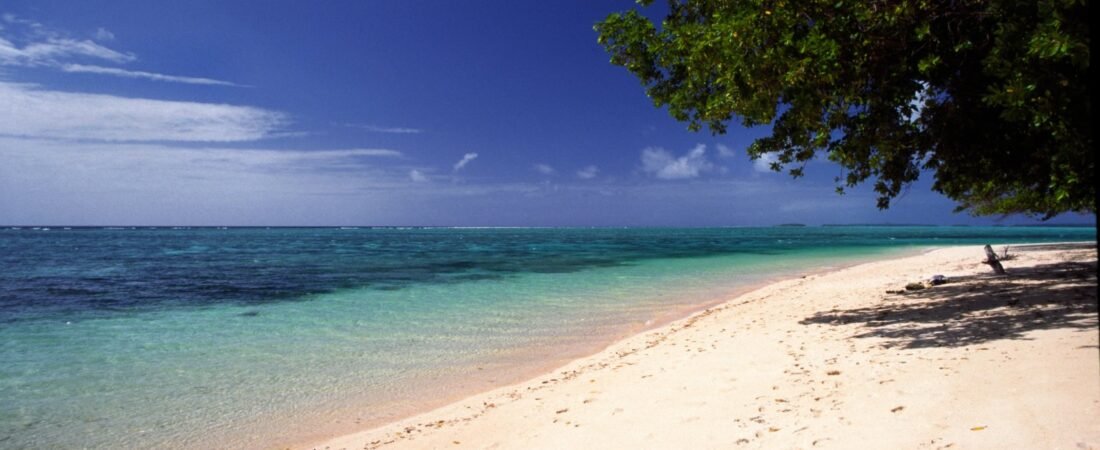
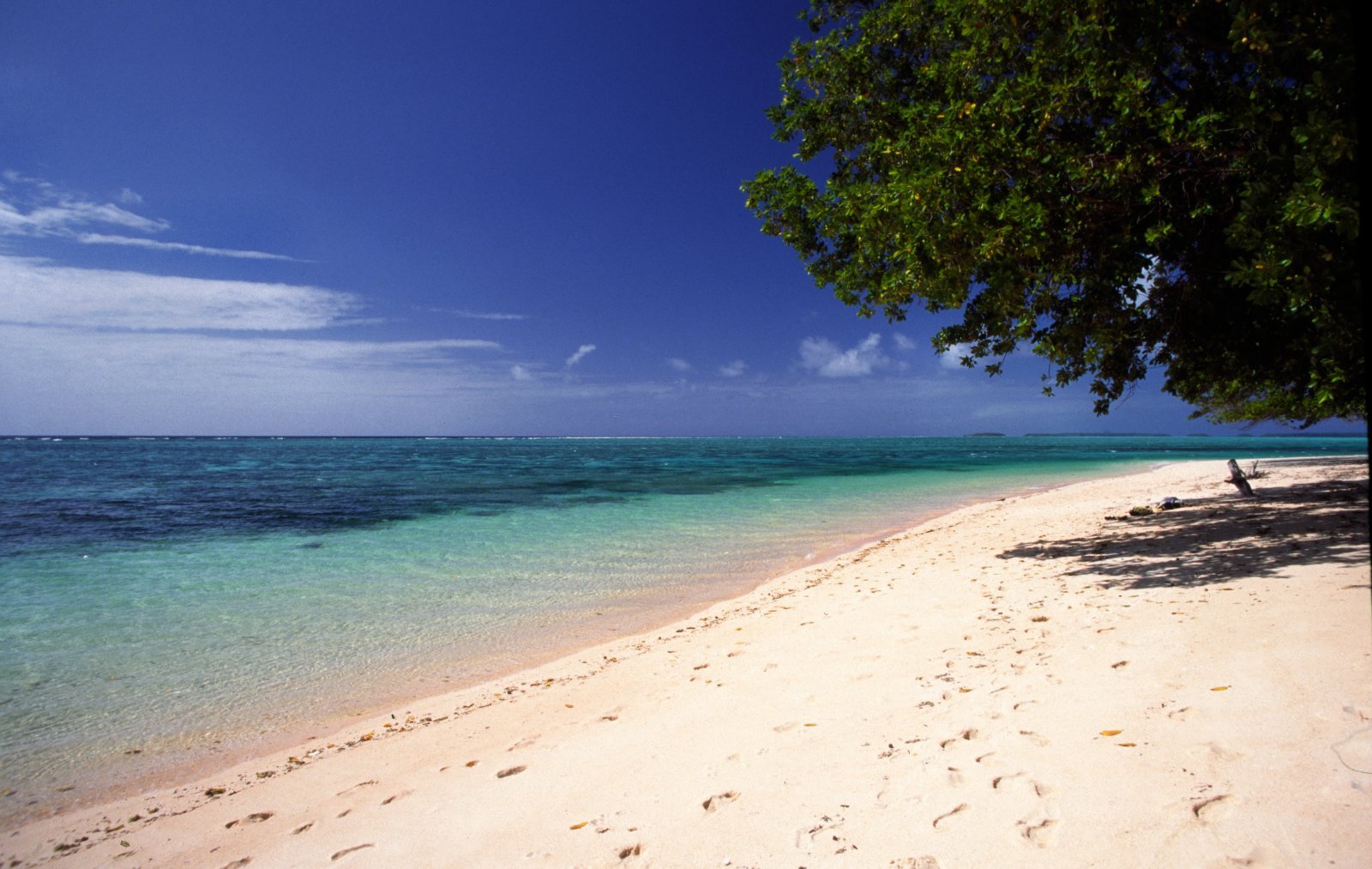
Illustrative island photograph. Not a photograph of the resorts compared below.
This guide focuses on how to plan a Marshall Islands trip specifically for history and diving enthusiasts drawn to the WWII and nuclear-test-era atolls, rather than a general island-hopping itinerary, since the logistics here genuinely differ by atoll. The Marshall Islands is a nation of 29 coral atolls and five single islands scattered across the central Pacific, and the two names most people recognize, Majuro and Bikini, could not be more different as travel experiences: one is the modern capital, the other a former nuclear test site now reachable only by specialist liveaboard.
Research-based guide · Official and historical sources checked October 2026. This is not a first-hand stay review or a ranking based on guest scores.
Step 1: Decide Which Atoll Fits Your Trip
Majuro, the capital atoll, has the country’s only real infrastructure: a handful of hotels, restaurants and the international airport, and it works as a base for lagoon tours, WWII history around the capital, and day trips, without requiring the specialist logistics the outer atolls demand. Bikini Atoll, by contrast, is visited almost exclusively through a small number of specialist liveaboard operators running multi-day trips specifically for wreck diving on the sunken WWII and nuclear-test fleet resting in its lagoon; it is not a place you simply fly to and wander around. Kwajalein, the world’s largest atoll by lagoon area, is largely occupied by a US military installation and has restricted access for most visitors, so it rarely features on a civilian itinerary at all. Smaller outer atolls such as Arno, a short boat ride from Majuro, offer a quieter day-trip alternative for visitors who want a taste of traditional atoll life without committing to a liveaboard, and several Majuro-based tour operators run regular day or overnight trips there for travelers who ask in advance.
| Attribute | Majuro | Bikini Atoll | Kwajalein |
|---|---|---|---|
| Main draw | Capital life, lagoon tours | WWII and nuclear-test wreck diving | Largely restricted military access |
| Access | Direct international flights | Specialist liveaboard only | Restricted, mostly military |
| Cost level | Moderate | High, specialist trip pricing | Not generally bookable |
| Best for | General visitors, short stops | Advanced wreck divers | Not applicable for most travelers |
Step 2: Understand Bikini Atoll’s History and Radiation Status
Between 1946 and 1958, the United States conducted 23 nuclear weapons tests at Bikini Atoll, including the Castle Bravo hydrogen bomb test, the largest the US ever detonated, which displaced Bikinian residents who have still not been able to permanently resettle the atoll. Many Bikinian families now live on Kili Island and in Majuro, and the broader history of displacement is a significant, still-unresolved part of Marshallese national identity, not a closed historical chapter; visitors with a genuine interest in the history should treat the subject with the same seriousness they would apply to any other site of historical displacement and loss. The site was inscribed as a UNESCO World Heritage Site in 2010 specifically as a reminder of the nuclear age rather than as a conventional scenic attraction. Residual radiation in the terrestrial food chain, particularly in locally grown produce, is the reason Bikini has no permanent resettled population and no tourist accommodation on land; diving liveaboards anchor in the lagoon and do not source food locally, which is generally described as the key safety distinction. The Battle of Kwajalein in 1944 and the broader Marshall Islands campaign are a separate layer of WWII history across the island chain, with wreck sites and relics scattered well beyond Bikini alone, though access to most of them is far less developed than at better-known Pacific battle sites elsewhere. The Bikini Atoll Local Government’s own explanation of the radiation situation is the most direct source on what current monitoring says and does not say, and anyone planning this specific trip should read it rather than relying on secondhand summaries, including this one.
As an added margin of caution, most liveaboard operators also bring in all food and drinking water from outside the atoll rather than sourcing anything locally, independent of whether it is strictly required; this is standard practice across the handful of operators running the route.
Step 3: Book the Right Flights
Majuro has direct United Airlines service and also sits on the Island Hopper route between Honolulu and Guam, giving it more flight options than most of Micronesia and Melanesia combined. There is no scheduled commercial flight to Bikini; liveaboard operators arrange charter flights or boat transfers from Majuro as part of their package, so booking the liveaboard itself effectively books your onward transport, and you should not attempt to arrange Bikini access independently. Seats on these charter flights are limited to the liveaboard’s booked guests for the trip in question, so there is no workaround for arranging transport separately even if you find a cheaper flight to Majuro on your own; the liveaboard price already accounts for the charter leg. Divers who have already compared the cost of a remote-island liveaboard elsewhere in the Pacific may find our Raja Ampat liveaboard guide and Indonesia luxury diving liveaboard guide useful benchmarks, though Bikini trips run meaningfully more expensive given the remoteness and specialist nature of the operation.
Travel insurance that explicitly covers remote marine evacuation is worth checking for before any Bikini liveaboard booking, since the nearest hyperbaric chamber and hospital-level care sit a significant distance away in Majuro or further afield; most reputable operators require proof of dive insurance with evacuation coverage before you board. Confirm this requirement directly with your chosen operator well before departure, since coverage gaps are far harder to fix once you are already at sea.
Step 4: Confirm Entry Rules and Documents
US citizens do not need a visa for the Marshall Islands for short stays, reflecting the close relationship under the Compact of Free Association; other nationalities should confirm current requirements against the CIA World Factbook Marshall Islands page before booking, since rules can differ meaningfully from neighboring Micronesian states despite the superficial similarity in the region.
Step 5: Pack and Budget Properly
For Majuro, pack as you would for any humid, sun-exposed tropical capital; our Southeast Asia travel packing list covers most of the same basics even though the Marshall Islands sits in a different region. For a Bikini liveaboard, follow the operator’s dive-specific packing list closely, since gear redundancy matters more on a trip this remote, and factor the liveaboard’s full package cost, which typically includes charter transport, into your budget from the outset rather than treating it as an add-on. A realistic overall budget for a Marshall Islands trip combining a few nights in Majuro with a Bikini liveaboard runs well above a standard Southeast Asia dive trip, largely because of the charter transport and the small number of operators able to run the route at all; travelers comparing costs against more accessible Pacific diving destinations should expect the premium and plan accordingly rather than being surprised by it after booking.
Timing matters less for Majuro, which sits close enough to the equator to avoid the worst of the Western Pacific typhoon season, but Bikini liveaboard operators still build schedules around calmer-water windows since the open-ocean crossing to reach the atoll is a meaningful part of the trip. Confirm your chosen operator’s planned departure months directly rather than assuming a fixed season, since schedules shift from year to year based on both weather and the operator’s own charter logistics.
Step 6: Choose Where to Stay in Majuro
Majuro’s small hotel scene is concentrated along the lagoon side of the atoll near Delap and Uliga, with a handful of properties offering ocean or lagoon views and basic but reliable amenities; none of it competes with a Fiji or Maldives resort on polish, and that is broadly expected by anyone who has read ahead before booking. Most visitors base themselves in one of these hotels for the full stay and arrange day trips to outer islets, war relics and the capital’s small museums from there rather than moving between properties. Dining options are limited outside hotel restaurants, with a modest number of independent spots serving fish, rice and imported staples; self-catering is uncommon since most visitors are on short trips rather than extended stays.
Book hotel rooms well ahead of any period when international flights are infrequent, since cancellations and rebookings around a missed connection can fill the limited room inventory quickly, leaving later arrivals with few options.
Frequently Asked Questions
Is it safe to dive at Bikini Atoll?
Liveaboard operators and the atoll’s own government describe diving and staying aboard as safe under current monitoring, since the lagoon water and wrecks are not the primary radiation concern; the risk historically centers on the terrestrial food chain, which visiting divers do not consume from.
Can I just fly to Bikini Atoll on my own?
No, there is no scheduled commercial access; visits happen only through specialist liveaboard operators who arrange charter transport from Majuro as part of a package.
Do I need a visa for the Marshall Islands?
US citizens do not need a visa for short stays; other nationalities should check current rules against the CIA World Factbook before booking.
How many days does a Bikini Atoll trip take?
Most operators run trips of a week or more given the remoteness and the charter transport required to reach the atoll.
Is Majuro worth visiting without going to Bikini?
Yes, Majuro stands on its own as a capital-atoll stop with lagoon tours and WWII sites, and many visitors never go beyond it at all.
What currency and connectivity should I expect?
The Marshall Islands uses the US dollar, which simplifies budgeting for American travelers, but internet and mobile coverage remain limited outside Majuro’s main commercial area; Bikini liveaboards typically run with satellite-only connectivity for the full trip duration.