
Jeju Island Honeymoon Guide 2026
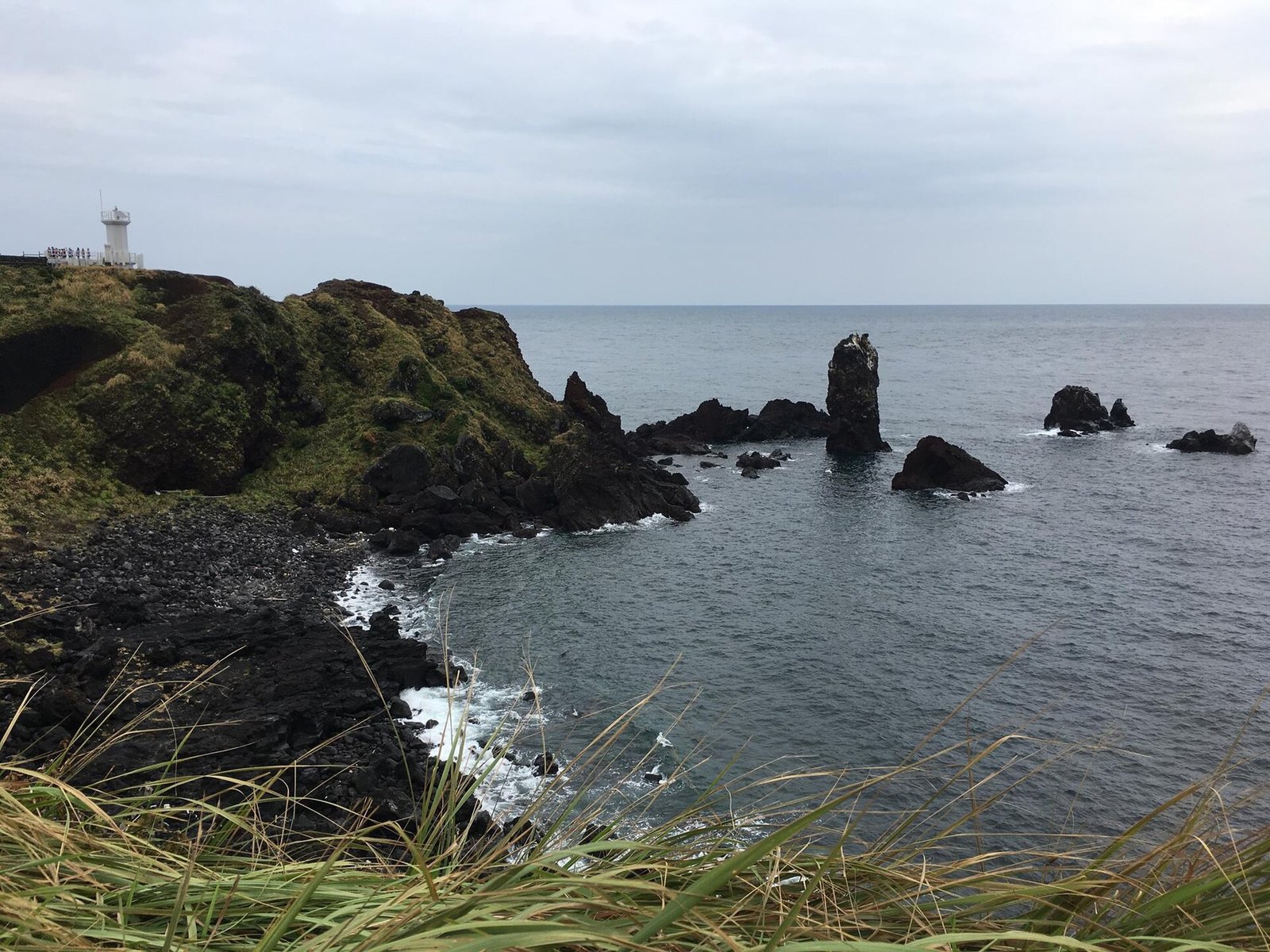
Northeast coast of Jeju Island, South Korea. Photo via Wikimedia Commons.
Jeju has been South Korea’s favourite honeymoon island for decades, long before international travellers discovered its volcanic coastline, tangerine farms and design-led cafés. This guide focuses on Jeju specifically for honeymooning couples who want a scenic, culture-rich island with excellent food and luxury hotels, and who don’t need a guaranteed tropical beach. It covers where to stay, the best seasons, the most romantic experiences and a five-day route.
Honeymoon guide · Updated October 2026. Entry rules for Jeju differ from mainland Korea for some nationalities; confirm requirements before booking.
Is Jeju right for your honeymoon?
Choose Jeju if you love coastal walks, dramatic landscapes, seasonal flowers, food and stylish hotels, and you’re happy with a climate closer to southern Europe than the tropics. Choose a Bali honeymoon resort or a Maldives overwater villa instead if your priority is swimming every day in warm water.
Why couples love Jeju
Jeju is a shield volcano rising from the sea south of the Korean peninsula, with Hallasan, South Korea’s highest mountain, at its centre. Its lava tubes, craters and the tuff cone of Seongsan Ilchulbong are protected as a UNESCO World Natural Heritage site, and the island is ringed by basalt cliffs, black-rock shores and a handful of white-sand beaches with startling turquoise water.
For honeymooners, the appeal is variety in a compact space. In a single day you can watch sunrise from a crater rim, walk a coastal trail, eat freshly caught seafood prepared by haenyeo women divers, and finish with a spa and a sea-view dinner. Distances are short, roads are good and the island is very safe, which makes it easy to explore at a relaxed pace.
Jeju also has a strong romantic culture of its own. Korean couples have honeymooned here since the 1960s and 70s, and today the island is full of photogenic cafés, flower fields designed for couple portraits and boutique stays built for two.
It also works for couples who struggle to agree. One partner can hike a crater or surf at Jungmun while the other enjoys a spa, a tea ceremony or a gallery, and you’ll meet again for dinner within a short drive. Museums and art spaces scattered across the island, including several striking modern buildings by renowned architects, add a cultural layer that pure beach destinations lack.
Where to stay: Jungmun, Aewol, Seogwipo or the east
Jungmun Resort, on the south coast, is the classic luxury choice. Large international and Korean five-star hotels sit on the cliffs above Jungmun Saekdal Beach, with landscaped gardens, multiple pools and spas, and Jusangjeolli columnar-joint cliffs nearby. It suits couples who want full-service resort comfort. Our guide to the best luxury hotels in Jeju compares the main options.
Aewol and Hallim on the northwest coast are for couples who prefer design boutique hotels, private pool villas and seaside cafés, with easy access to Hyeopjae and Geumneung beaches and some of the island’s best sunsets.
Seogwipo town offers waterfalls, the Olle market and a more local feel, while the east coast around Seongsan, Woljeongri and Sehwa is quieter, with turquoise coves, stone-walled villages and easy access to Udo island. A popular approach is to split the stay: three nights in a south-coast resort and two in a boutique villa on the west or east coast.
When choosing a private villa, check whether the pool is heated outside summer, how far the nearest restaurant is, and whether breakfast is delivered or self-catered. Many of the most beautiful villas are deliberately isolated in fields or villages, which is wonderful for privacy but means you’ll want a car. Ask about in-villa barbecue setups too: grilling Jeju black pork on your own terrace at sunset is a quietly perfect honeymoon evening.
Best season for a Jeju honeymoon
Jeju has four distinct seasons, and each offers a different honeymoon.
Korean public holidays shape prices and crowds more than the weather does. Seollal (Lunar New Year) and Chuseok (the autumn harvest festival) bring a surge of domestic visitors, and summer school holidays from late July to mid-August are the busiest period of all. If your dates are flexible, aim for midweek arrivals outside these windows for better rates and quieter viewpoints.
For most honeymooners, late April to early June and late September to early November are the sweet spots. Mid-October is especially beautiful when silver grass turns the volcanic hills gold. Check the official Visit Jeju portal for festival dates.
| Season | Weather | Highlights for couples | Watch out for |
|---|---|---|---|
| Spring (Mar–May) | Mild, breezy | Canola flowers, cherry blossoms, green tea fields | Busy weekends, changeable weather |
| Summer (Jun–Aug) | Hot and humid | Swimming beaches, lush greenery | Monsoon rain from late June, peak crowds |
| Autumn (Sep–Nov) | Warm to cool, often clear | Silver grass on the oreum, hiking, clear skies | Typhoon risk in early autumn |
| Winter (Dec–Feb) | Cold and windy | Snow on Hallasan, tangerine harvest, camellias, quiet hotels | Some trails icy; sea too cold to swim |
The most romantic experiences on Jeju
Jeju rewards couples who slow down. Rather than racing between sights, pick one headline experience each morning and leave afternoons free for cafés, spa time or simply watching the waves from your terrace. These are the experiences honeymooners remember most:
- Sunrise at Seongsan Ilchulbong: climb the crater-rim stairs in the dark and watch the sun rise over the sea, then have breakfast in a café below.
- A walk on the Jeju Olle trails: the Jeju Olle network circles the island in more than 20 coastal and inland routes. Route 7 near Seogwipo is a favourite for its cliffs and sea views.
- Udo island by e-bike: a short ferry from Seongsan leads to a small island with white coral beaches, peanut ice cream and quiet lanes.
- Haenyeo encounter: watch the island’s women free-divers, whose culture is recognised by UNESCO as intangible heritage, and eat their catch at a seaside shack.
- Camellia and tea gardens: stroll among camellias in winter or green tea fields near the O’sulloc museum in spring.
- Sunset at Hyeopjae or Aewol: watch the sky turn pink beyond Biyangdo island with a glass of wine on a café terrace.
- Hallasan summit: for active couples, a full-day hike to the crater lake at Baengnokdam; summit trails require advance reservation.
Food deserves its own plan. Jeju black pork grilled at the table, abalone porridge, hairtail fish stew and fresh hallabong citrus are island specialities. Book at least one tasting-menu dinner in a top hotel and one casual local barbecue night.
A romantic 5-day Jeju itinerary
This route assumes a rental car (an international driving permit is required for most foreign visitors) or a private driver.
- Day 1: Arrive at Jeju International Airport, drive to the south-coast resort, spa and sunset dinner.
- Day 2: Jusangjeolli cliffs, Cheonjiyeon and Jeongbang waterfalls, Olle Route 7 walk, Seogwipo market for dinner.
- Day 3: Early sunrise at Seongsan Ilchulbong, ferry to Udo, afternoon on Woljeongri beach cafés; move to an east or west-coast villa.
- Day 4: Manjanggul lava tube or Bijarim forest, an oreum (volcanic hill) walk such as Saebyeol or Darangshi, private villa evening.
- Day 5: Tea fields and the O’sulloc museum, Hyeopjae beach, farewell lunch in Aewol and departure.
Hikers can swap Day 4 for Hallasan, booking a slot through the Hallasan National Park reservation site. If you want to add a second island, Jeju combines well with Seoul or Busan, or with a warmer Japanese island chain; see our Yaeyama island-hopping guide.
Practical planning and how Jeju compares
Jeju International Airport has very frequent flights from Seoul and other Korean cities, plus international routes to several Asian hubs. Some nationalities qualify for visa-free entry to Jeju even when mainland Korea requires a visa or electronic travel authorisation, but rules change; check with Korean government sources before booking.
Getting around is straightforward. Coastal roads circle the island in roughly four hours of driving without stops, and the main cross-island roads over the Hallasan foothills connect north and south in under an hour. Navigation apps popular in Korea, such as Naver Map and KakaoMap, work better than some international apps for local addresses. English signage is common at major attractions, and translation apps handle menus easily. Taxis are plentiful in Jeju City and Seogwipo but scarce in rural areas, so arrange a return pickup if you go car-free.
Budget-wise, Jeju is typically less expensive than the Maldives or Bora Bora and comparable to upscale Bali or Japan. Five-star Jungmun hotels command premium rates in peak summer and Korean holidays, while private villas on the west coast often offer more space for the money. Car rental is affordable, and fuel and tolls are minimal.
Compared with tropical honeymoon islands, Jeju trades guaranteed swimming for richer scenery, culture and cuisine. Couples who want both can split a trip between Jeju and a beach destination; our luxury honeymoon destinations guide and the best luxury resorts in Okinawa are good places to compare options.
Frequently Asked Questions
Is Jeju good for a honeymoon?
Yes. Jeju offers dramatic volcanic scenery, coastal walks, excellent food, luxury resorts and boutique villas, and it has been Korea’s top honeymoon island for decades. It suits couples who value scenery and culture over tropical swimming.
What is the best month for a Jeju honeymoon?
Late April to early June and late September to early November usually offer the best weather. October is especially beautiful for silver grass, while April brings canola flowers and blossoms.
Where should honeymooners stay in Jeju?
Jungmun Resort on the south coast is best for full-service luxury hotels. Aewol and Hallim on the west coast suit couples who prefer design boutiques and private villas with sunset views.
How many days do you need in Jeju?
Four to five days covers the highlights at a relaxed pace, including Seongsan Ilchulbong, Udo, the south-coast waterfalls and a west-coast sunset. Add a day for the Hallasan summit hike.
Do you need a car in Jeju?
A car is the easiest way to explore. Most foreign visitors need an international driving permit. Private drivers and taxi tours are good alternatives for couples who prefer not to drive.
Hero photo: “Northeast Coast at Phoenix Resort, Jeju Island” by Ken Eckert, Wikimedia Commons, CC BY-SA 4.0.