Koh Chang Travel Guide 2026: Beaches & Rainforest
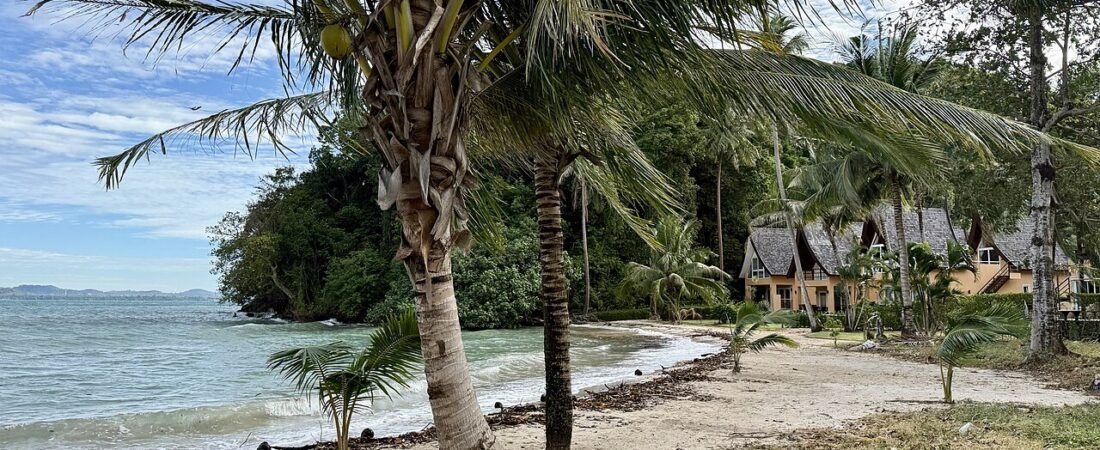
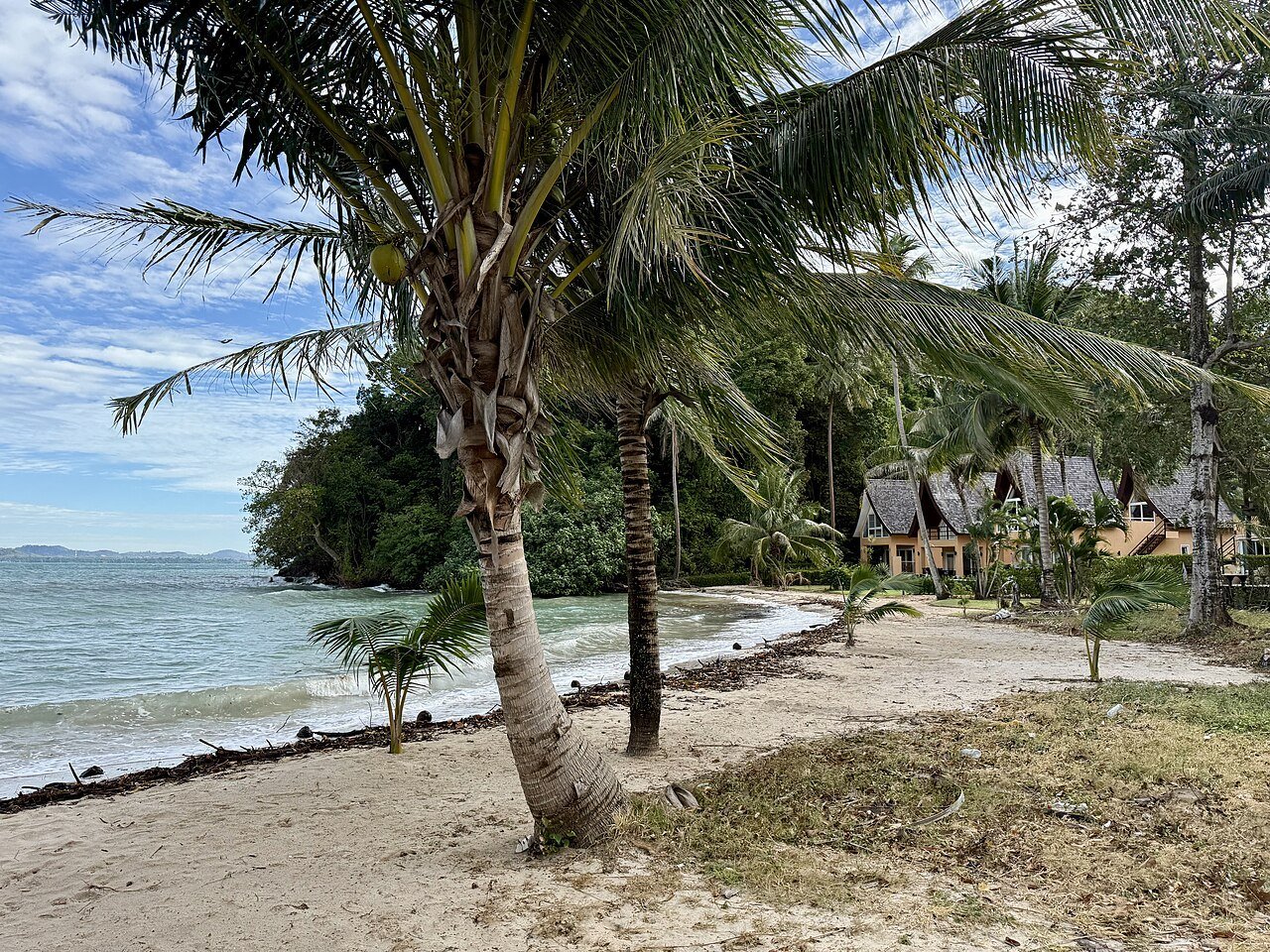
Illustrative beach photograph of Koh Chang’s west coast. Specific beaches are described and compared below.
This guide focuses on Koh Chang specifically for travellers planning a multi-day stay on the island itself, rather than a single day trip from Pattaya or a quick stop en route to Cambodia.
Koh Chang sits in Trat province, close to Thailand’s eastern border, and is the country’s second-largest island after Phuket. Most of its interior is protected, mountainous rainforest, which is why development has stayed concentrated along a handful of west-coast beaches rather than spreading across the whole coastline.
That geography matters for planning. Picking the wrong beach base, underestimating travel time from Bangkok, or assuming the island works like Phuket or Samui are the three most common planning mistakes. This guide works through the island’s layout, its beaches, its national park interior, and how to get around once you have arrived.
Research-based guide, verified against official tourism and park sources, 13 October 2026. This is not a first-hand stay review.
Where Koh Chang Is, and Why It Is Not Another Phuket
Koh Chang lies off Trat province in the eastern Gulf of Thailand, roughly 310 kilometres from Bangkok by road, and sits inside the Mu Ko Chang National Park, a marine park covering more than fifty islands. That national park status is the main reason the island feels different from Phuket or Koh Samui: large stretches of coastline and almost the entire interior are protected forest, so new building is concentrated on a narrow strip of west-coast beach road rather than spread island-wide.
The island’s interior rises to a forested ridge of well over 700 metres, drained by waterfalls that are walkable in the dry season and often closed or dangerous in the wet season. Most visitors never cross the interior at all; they stay on the west coast and take boats out to smaller islands for day trips instead.
Trat province itself sits close enough to the Cambodian border that some travellers combine a Koh Chang stay with an onward land crossing, though that is a separate trip-planning question from the island visit covered here. Within Thailand’s own island hierarchy, Koh Chang is often mentioned alongside Koh Samet as an eastern Gulf option that is closer to Bangkok than the better-known southern islands, which is part of why it draws a notable number of weekend and short-break visitors from the capital alongside longer-stay international travellers who build a full week or more around the island itself.
If You Only Have Three Days
Base yourself on White Sand Beach or Klong Prao for the easiest access to restaurants and transport, spend one day on a Bang Bao longtail or speedboat trip to Koh Rang’s reef, and keep a half-day free for a short waterfall walk inland. Three days is enough to get a feel for the island; it is not enough to also add Koh Mak or Koh Kood without a rushed schedule.
Choosing a Coast: the Developed West vs the Quiet East
Almost all tourist infrastructure sits on the west coast, where a single coastal road connects White Sand Beach in the north to Bang Bao in the south. The east coast has a handful of fishing villages, mangrove boardwalks and a couple of quiet guesthouses, but limited restaurants after dark and far less transport. It suits travellers who already have their own transport and want to avoid crowds, not first-time visitors who want things within walking distance.
Within the west coast, the beaches differ enough that picking the right one changes the trip. The comparison below covers the main bases.
| Area | Character | Best for | Nightlife |
|---|---|---|---|
| White Sand Beach (Hat Sai Khao) | Busiest beach road, dense restaurants and shops | First-time visitors who want everything walkable | Bars and beach clubs, moderate |
| Klong Prao | Long beach, spread-out resorts, a lagoon behind it | Families and longer stays wanting more space | Quiet to moderate |
| Kai Bae | Mid-size beach, narrower sand at high tide | Couples wanting a central but calmer base | A handful of bars |
| Lonely Beach (Hat Tha Nam) | Compact cove, backpacker-oriented | Younger travellers and nightlife-first trips | The island’s liveliest strip |
| Bang Bao | Fishing-village pier on stilts, not a beach base | Seafood dinners and island-hopping departures | Minimal, closes early |
Mu Ko Chang National Park and the Rainforest Interior
The island’s waterfalls, including Klong Plu and Than Mayom, sit inside Mu Ko Chang National Park and charge a separate park entrance fee from any resort or tour cost. Trails are short walks from the main road rather than full-day hikes, but can close after heavy rain, so check conditions locally before setting out between roughly June and October.
The protected interior is also why Koh Chang has kept more tree cover than most comparably sized Thai islands; it is worth factoring into expectations if a trip is based on photos of white-sand beaches alone, since much of the island by area is forest, not coastline.
Bang Bao and Island-Hopping to Koh Rang and Koh Wai
Bang Bao, a working pier village built on stilts at the island’s southern tip, is the departure point for most snorkelling and diving trips toward Koh Rang’s reef and the smaller, quieter Koh Wai. These are organised boat-tour days rather than independent ferry hops, and operators typically collect from west-coast beach hotels before heading to the pier.
If a trip plan also includes Koh Mak or Koh Kood further south, note that those islands are reached from separate mainland piers, not from Bang Bao; see the Koh Chang vs Koh Mak comparison for how the transfer logistics differ between the two.
Getting Around Once You Arrive
Songthaews (shared pickup trucks) run along the main west-coast road and are the default way to move between beaches without a rental. Scooter rental is widely available and common, though the coastal road has steep, winding sections, particularly around headlands between beaches, that catch out first-time riders. Taxis and private transfers exist but are not metered in the way a traveller from a city might expect, so agree the fare before departure.
For the practicalities of actually reaching the island in the first place, see the dedicated guide to getting to Koh Chang from Bangkok, which covers the flight-plus-ferry and direct road-plus-ferry options separately.
Seasonal Planning
Koh Chang’s dry season runs roughly November through April, with the calmer, cooler months from November to February generally preferred for both beach time and boat trips to the outer islands, according to seasonal guidance from the Tourism Authority of Thailand. The seasonal guide to Koh Chang breaks down month-by-month conditions, including which months bring the heaviest rain and which businesses scale back outside peak season.
Flights land at Trat Airport (TDX) on the mainland, currently served by Bangkok Airways from Bangkok, followed by a road transfer and ferry crossing; the connection is covered in detail in the dedicated transport guide below.
Accommodation, Food and Daily Costs
Koh Chang’s accommodation ranges from simple beachfront bungalows to larger resort properties, and the mix differs noticeably by beach. White Sand Beach has the densest concentration of mid-range hotels and guesthouses within walking distance of restaurants; Klong Prao’s longer, more spread-out beach suits larger resort grounds and family-oriented properties with more space between buildings; Kai Bae sits in between on both scale and price; and Lonely Beach leans toward simpler, lower-cost guesthouses aimed at a younger crowd.
For a closer look at specific properties rather than general area character, the existing Koh Chang luxury resort roundup covers higher-end options across these same beach areas in more detail.
Eating ranges from inexpensive roadside Thai food stalls to seafood restaurants that trade on the view at Bang Bao, with hotel and beachfront restaurants sitting in between on price; seafood is a particular strength given the island’s fishing-village history. Cash machines and currency exchange are concentrated on the main beach strips rather than spread evenly around the island, so it is worth planning ahead before heading to quieter areas or the east coast, where mobile signal is also patchier than along the developed west-coast road. Overall daily costs sit below Phuket or Samui for comparable room and meal standards, though exact pricing still depends heavily on which beach and which season a trip lands in.
Frequently Asked Questions
Is Koh Chang worth visiting if I have already been to Phuket or Koh Samui?
Yes, for a different reason. Koh Chang’s selling point is its protected national park interior and quieter development, not nightlife or large resort infrastructure. Visitors expecting a Phuket-scale strip should adjust expectations accordingly.
Do I need a 4×4 or is a scooter enough to get around?
A scooter is enough for the main west-coast road between White Sand Beach and Bang Bao. Steeper headland sections and the less-maintained east coast suit more cautious riders or a car rental instead.
Can I day-trip to Koh Chang from Bangkok?
It is possible but tight: the combined flight-or-drive plus ferry crossing takes several hours each way, which leaves little time on the island itself. Most visitors plan at least two nights.
Is the east coast worth visiting?
Only if you already have your own transport and want quiet beaches and mangrove scenery over restaurants and nightlife; infrastructure there is limited after dark.
Do I need to pay a national park fee separately from my hotel or tour cost?
Yes. Entrance to Mu Ko Chang National Park areas, including several waterfalls and some outer-island snorkelling zones, is charged separately from accommodation and is not always included in tour pricing, so confirm with the operator.
Compare Koh Chang directly against its quieter southern neighbour in the Koh Chang vs Koh Mak guide, or browse the broader Destination Guides collection for other Thai Gulf islands. Verify current park fees and ferry schedules directly with operators before booking.