Koh Lanta vs Koh Lipe: Which Fits Your 2026 Trip?
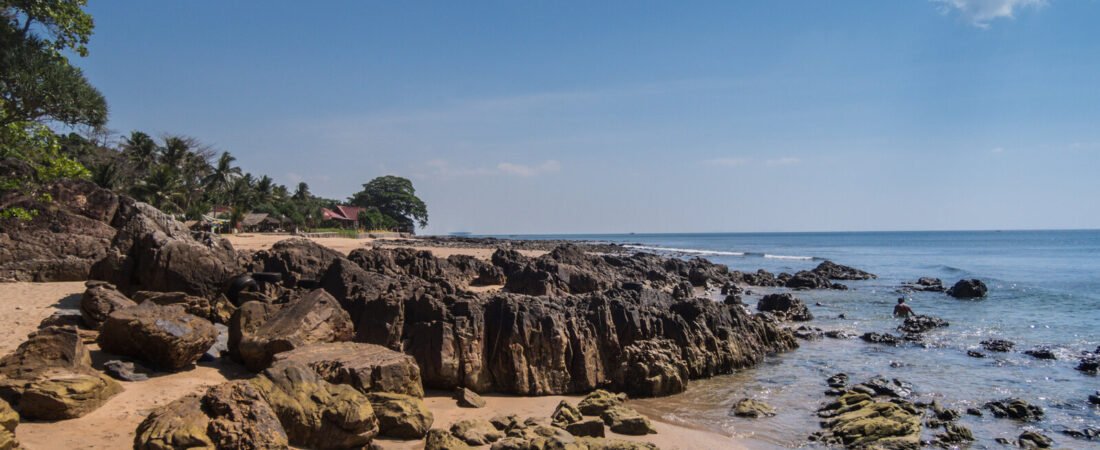
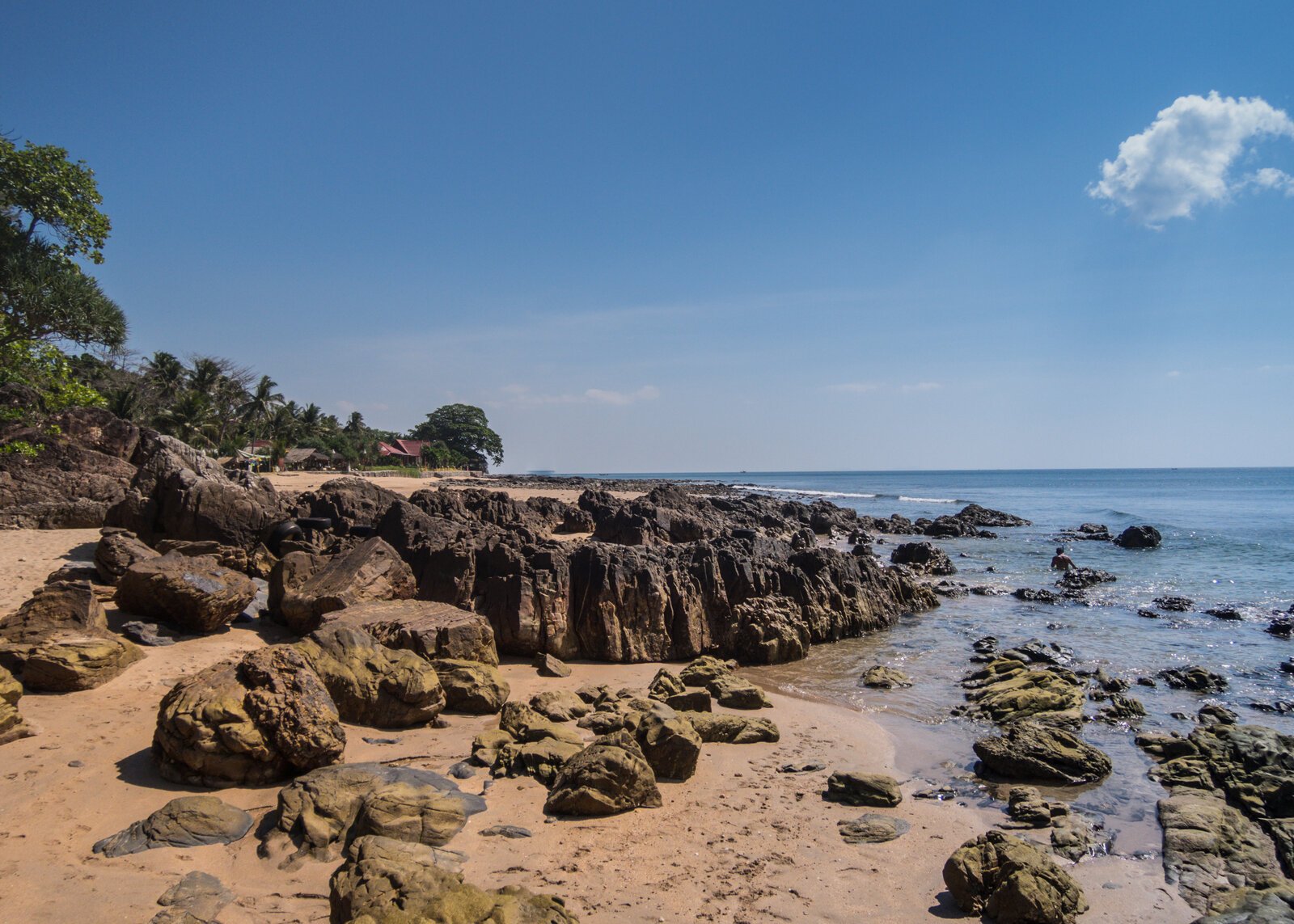
Illustrative Koh Lanta coastline. Not a photograph of either specific beach discussed below.
Koh Lanta and Koh Lipe are both marketed as Thailand’s quieter Andaman islands, which makes them easy to lump together until you actually compare how they work day to day. This guide focuses on Koh Lanta versus Koh Lipe specifically for travellers deciding between one island for a 5-to-10-day base, not a general ranking of Thailand’s best islands and not a plan for visiting both in a single short trip — the connection between them is slow enough that doing both well usually needs two weeks rather than one.
Research-based comparison · Updated for 2026
The Core Difference: Roads vs. No Roads
Koh Lanta has a paved ring road, truck-taxis, rental scooters and a handful of car rental shops, because it is a long, low island connected to the mainland by vehicle ferry and, on its shorter crossings, a bridge. That infrastructure spreads its resorts, restaurants and beaches over roughly 25 kilometres of coastline, so where you book matters almost as much as which island you pick, and getting between beaches is a simple, cheap scooter ride rather than an event.
Koh Lipe has no roads at all. The entire island is walkable in under an hour, built around three beaches — Pattaya, Sunrise and Sunset — and one pedestrian “Walking Street” that functions as the market, restaurant row and nightlife strip combined. That compactness is the main reason people either love or feel claustrophobic on Lipe within a day or two: it is wonderful for not needing transport at all, and limiting for anyone who wants variety in scenery without a boat trip.
Getting There: The Real Travel-Time Cost
Koh Lanta is reached via Krabi International Airport, then roughly a 1.5 to 2-hour transfer by minivan and vehicle ferry, or a faster bridge crossing at Sala Dan on some routes. Flights into Krabi are frequent from Bangkok, and several reach it directly from regional hubs, which keeps the total door-to-beach time manageable at around 3 to 4 hours from a Bangkok flight landing, including the wait for transfer and luggage.
Koh Lipe has no airport of its own. Most travellers fly into Hat Yai or Trang, then take a 2 to 3-hour van to Pak Bara pier, followed by a 1 to 1.5-hour speedboat crossing — call it 5 to 7 hours door-to-beach on a good connection, and noticeably longer if ferry schedules do not line up neatly with the flight, which happens often enough to plan around. That gap is the single biggest practical reason to choose Lanta over Lipe on a shorter trip, and it is worth weighing seriously before booking flights that land late in the day.
Beaches and Water Quality
Koh Lanta’s beaches — Klong Dao, Long Beach, Klong Khong and Kantiang Bay — are long, sandy and calm for most of the dry season, with a gentler slope that suits swimmers of all levels, including children. Visibility close to shore is decent but not exceptional; the island’s best underwater scenery sits offshore rather than right off the sand.
Koh Lipe’s three beaches are smaller and the water off Sunrise and Pattaya beaches is noticeably clearer, largely because the island sits inside Tarutao National Marine Park, where several nearby reefs are a short longtail ride away rather than a half-day boat trip. Sunset Beach, true to its name, is the quieter of the three and the best pick for watching the evening light without the Walking Street crowd nearby.
Diving and Snorkelling
This is where Koh Lipe pulls ahead for most divers. Its proximity to Koh Adang, Koh Rawi and the wider Tarutao archipelago means dive shops run two-tank trips to healthy, less-crowded reef sites on a near-daily basis, and snorkelling off the northern end of Sunrise Beach is good enough that some travellers skip boat trips altogether and just swim out from shore.
Koh Lanta’s best sites — Koh Haa, Koh Rok and Hin Daeng/Hin Muang for deeper, more advanced diving — require a dedicated day-trip boat, typically 1 to 2 hours each way, and are seasonal: most operators run from November through April and pause during the southwest monsoon when seas get rougher further offshore.
Where to Stay and What It Costs
Koh Lanta’s accommodation spans backpacker bungalows through five-star beachfront resorts, spread thinly enough along the coast that a budget stay and a luxury stay can sit a few hundred metres apart on the same beach. Long Beach and Kantiang Bay carry the most upscale properties; Klong Khong is the better value, quieter stretch favoured by longer-stay travellers.
Koh Lipe’s room stock skews mid-range, with a cluster of boutique resorts on Sunrise and Sunset beaches and simpler guesthouses closer to Walking Street. Because nearly all food and building supplies arrive by boat, restaurant prices and resort rates both run slightly higher than an equivalent Lanta property, even though nightly room rates look similar on paper once you compare like-for-like room categories.
Weather and Timing: Side-by-Side
Both islands follow the same Andaman monsoon pattern, with the dry season from roughly November to April offering the calmest seas and most reliable boat services, and the wettest, roughest crossings typically falling between June and September. The table below lines up the practical differences travellers actually plan around before booking.
| Factor | Koh Lanta | Koh Lipe |
|---|---|---|
| Getting there from Bangkok | ~3–4 hours (fly to Krabi + transfer) | ~5–7 hours (fly to Hat Yai/Trang + van + speedboat) |
| Getting around | Scooter, rental car, truck-taxi | On foot only; no roads |
| Best for | Families, longer stays, flexible budgets | Divers, snorkellers, car-free island feel |
| Dry season | Nov–Apr | Nov–Apr |
| Typical daily food cost | Lower; mainland supply chain | Higher; most goods arrive by boat |
Which Island Fits Which Traveller
Pick Koh Lanta if you want a shorter, more predictable journey, the option to rent a scooter or car, a longer stretch of beaches to choose from, and an easier base for families or a first trip to Thailand’s islands. Explore the broader best beaches on Koh Lanta before booking a specific stretch of coast, and compare it directly against a nearby alternative in Koh Jum vs Koh Lanta if you are still weighing Krabi-area islands against each other.
Pick Koh Lipe if diving or snorkelling is the point of the trip, you like a car-free, walk-everywhere island, and you are comfortable with the longer, multi-leg journey to get there. The Koh Lipe travel guide covers Pak Bara ferry schedules and park fees in more detail, and if your real comparison is between Lipe and Malaysia’s nearest big island, Langkawi vs Koh Lipe is worth reading before you commit to either side of the border. Couples weighing a quieter honeymoon base on the Lanta side can also check the Koh Lanta honeymoon guide for resort-specific recommendations.
For official trip-planning context, the Thailand Ministry of Tourism and Sports publishes current province-level travel advisories, Koh Lanta’s southern beaches fall under the jurisdiction of the Department of National Parks, Wildlife and Plant Conservation (which also manages Mu Ko Lanta National Park and the Tarutao archipelago near Koh Lipe), and the Thai Meteorological Department is the most reliable source for checking Andaman Sea conditions before a crossing to either island.
Frequently Asked Questions
Can I get from Koh Lanta to Koh Lipe directly?
Not in one hop for most of the year. A handful of operators run a combined high-season ferry link, but most travellers connect through Krabi, Trang or the Pak Bara pier on the mainland, which adds roughly half a day to the journey in either direction.
Which island has better snorkelling, Lanta or Lipe?
Koh Lipe wins on reef access. Its position inside Tarutao National Marine Park puts several healthy reefs a five- to twenty-minute longtail ride from the beach. Koh Lanta’s best snorkelling is further out, around Koh Rok and Koh Haa, reached on a full-day boat trip rather than a quick paddle out.
Is Koh Lipe more expensive than Koh Lanta?
Per-night accommodation runs similar at the budget and mid-range tiers, but Koh Lipe’s food, water taxis and day-trip boats carry a premium because almost everything arrives by boat from the mainland. Koh Lanta, with its own road network and larger supply chain, is the cheaper island for day-to-day costs.
Do I need a multi-night stay on Koh Lipe, or can I day-trip it from Lanta?
Day trips exist from some Krabi-area operators in high season but involve several hours of travel each way, which eats most of the day. Koh Lipe rewards an overnight stay of at least two nights; it is not a realistic day trip from Koh Lanta.
Which island is better for families with young children?
Koh Lanta, mainly because of transport flexibility. Its paved roads mean you can rent a car or use a private taxi instead of relying on longtail boats and walking paths, which matters with strollers, nap schedules and sudden weather changes.
Neither island is objectively “better” — they are built for different trips. If your itinerary has the time for a long transfer and diving is the priority, Koh Lipe earns it. If you want an easier journey, more beach variety and the option to drive yourself around, Koh Lanta is the safer choice for a first visit to this part of the Andaman coast.
One more practical note worth factoring in before booking either island: both sit well outside Thailand’s cyclone-prone zones, but the southwest monsoon still brings rougher seas and occasional ferry cancellations between roughly June and October. Travellers with rigid flight connections should build in at least one buffer day on either end of an island stay during that window, since a cancelled crossing can otherwise turn into a missed onward flight rather than just an inconvenience.