Koh Samet vs Koh Chang 2026: Which Island?
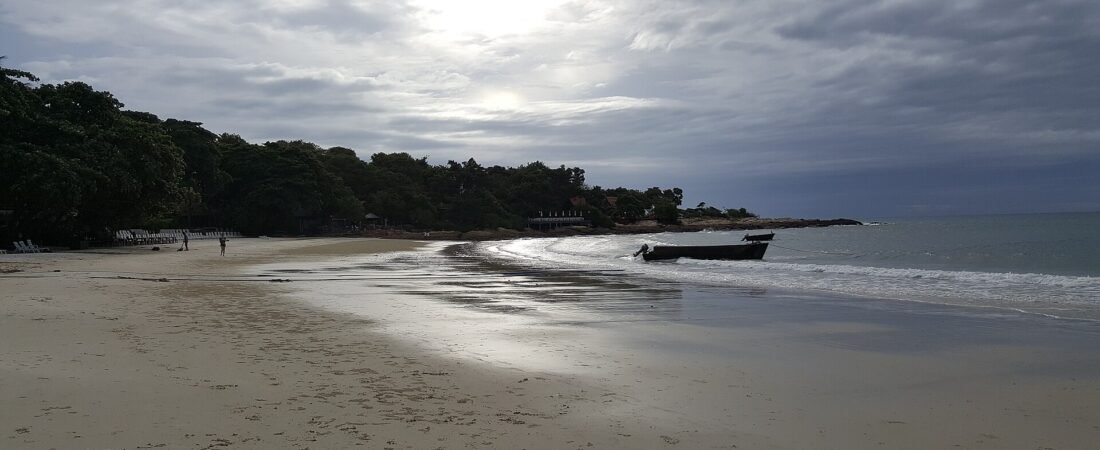
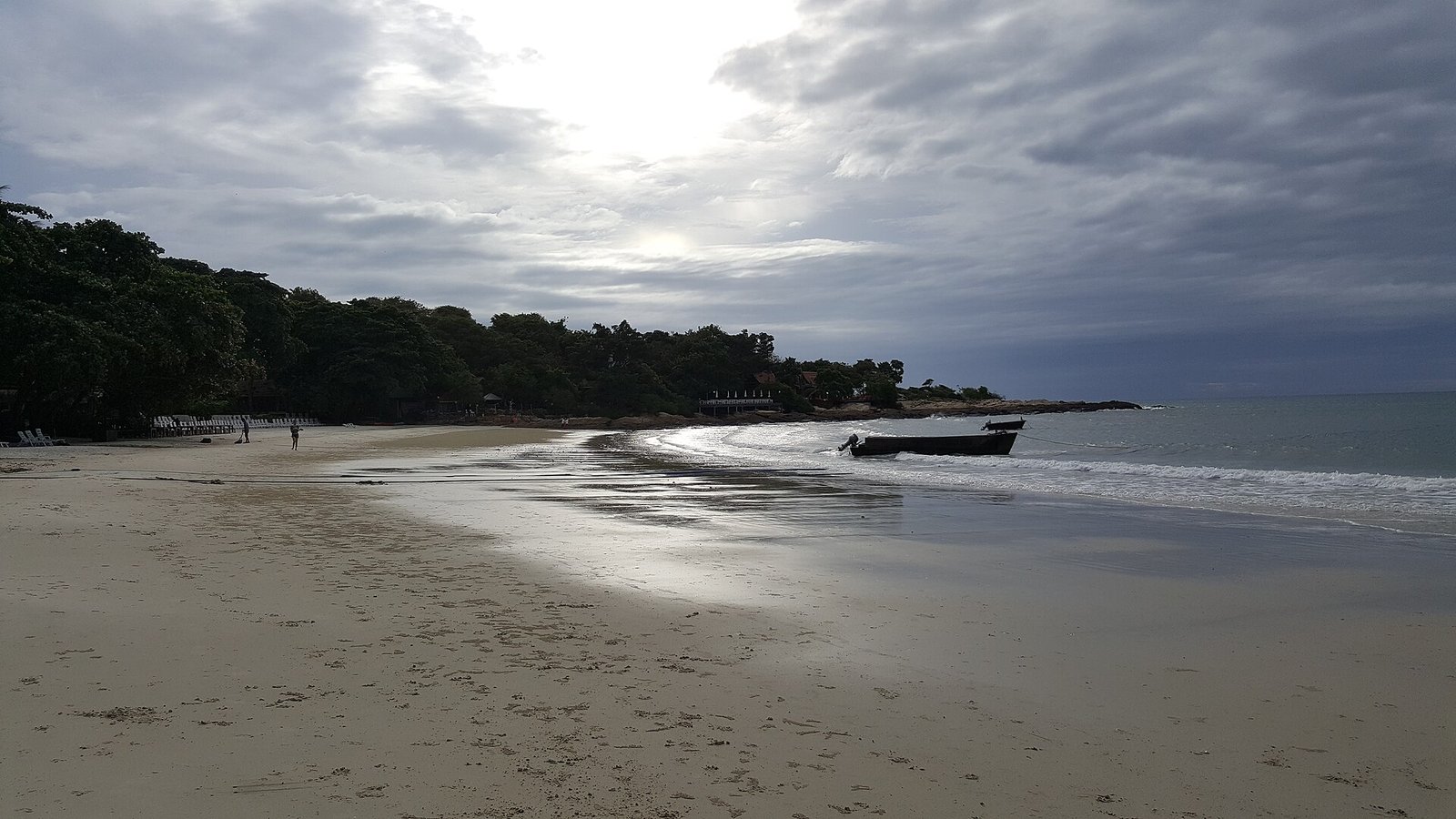
Wong Duean Beach, Koh Samet. Photo: Wikimedia Commons (CC BY-SA 4.0).
Koh Samet and Koh Chang are the two eastern Gulf islands most often shortlisted by travellers who want a beach break without flying south to Phuket or Koh Samui. This guide focuses on Koh Samet vs Koh Chang specifically for travellers starting in Bangkok who have between two nights and a week, and who care more about transfer time, weather reliability and the style of stay than about nightlife rankings.
Research-based comparison · Transport and park information checked against official Thai sources in September 2026. Timings are typical, not guaranteed, and vary with traffic and sea conditions.
The short answer
Choose Koh Samet for a two- or three-night escape: it is roughly three hours from Bangkok by road plus a short boat ride, its beaches are compact and easy to walk between, and it is one of the drier islands in the Gulf of Thailand. Choose Koh Chang for four nights or more: it is larger, greener and more varied, with jungle waterfalls, a long west coast of beaches and quieter southern bays, but the journey is longer and the rainy season is noticeably wetter.
Getting there from Bangkok
Koh Samet sits off the coast of Rayong province. Most visitors drive or take a bus or minivan roughly 200 km to Ban Phe pier, which usually takes about three hours from central Bangkok, then cross by public ferry (around 40 minutes) or speedboat (around 15–20 minutes). Many resorts on the east coast run their own speedboat transfers from Ban Phe, which removes the need to haggle at the pier. Because the island is part of the Khao Laem Ya–Mu Ko Samet National Park, foreign visitors pay a park entrance fee on arrival; keep the ticket, as rangers may check it.
Koh Chang lies further east in Trat province, close to the Cambodian border. By road it is around five hours from Bangkok to the Laem Ngop area, followed by a car ferry of roughly 30–45 minutes from either Centrepoint or Ao Thammachat pier. The faster option is a flight with Bangkok Airways to Trat, which takes about an hour, followed by a road transfer and the ferry. If you are pairing the island with a city stay, our guide to luxury hotels in Bangkok covers the best bases before or after the beach.
- Door-to-door, Koh Samet: about 3.5–4.5 hours from central Bangkok.
- Door-to-door, Koh Chang: about 5.5–7 hours by road, or around 4 hours if you fly to Trat.
- Airport transfers: Suvarnabhumi is on the eastern side of Bangkok, which trims around 30–45 minutes off both journeys if you land and go straight to the coast.
Side-by-side comparison
The table below summarises the practical differences. Neither island is objectively better; they suit different trip lengths and travel styles.
| Factor | Koh Samet | Koh Chang |
|---|---|---|
| Province | Rayong | Trat |
| Size | Small, about 6 km north–south | Thailand’s second-largest island after Phuket |
| Typical Bangkok transfer | ~3.5–4.5 hours | ~5.5–7 hours by road; ~4 hours via Trat flight |
| Boat crossing | Speedboat 15–20 min; ferry ~40 min | Car ferry ~30–45 min |
| Landscape | Compact bays, white sand, low scrub forest | Mountainous rainforest interior, waterfalls, long west-coast beaches |
| Rainy-season impact | Relatively dry for the Gulf | Among the wetter parts of Thailand from May to October |
| Ideal stay | 2–3 nights | 4–7 nights |
| Getting around | Walk, songthaew or resort boat | Car, scooter or songthaew along a single coastal road |
On cost, the two islands are closer than many people expect. Koh Samet’s smaller number of upscale rooms and its proximity to Bangkok mean weekend rates can jump sharply, while midweek stays are often good value. Koh Chang has more rooms in every category, so there is usually more room to negotiate in the green season, but you will spend more time and money getting there, particularly if you fly to Trat or book a private transfer. As a rule of thumb, a short Koh Samet stay costs less in total travel, while a longer Koh Chang stay spreads the transfer cost over more nights and rewards you with more variety. Resort transfers, the national park fee on Koh Samet and island transport on Koh Chang are the extra costs most often forgotten when comparing quotes.
Beaches, atmosphere and things to do
Koh Samet’s appeal is that nothing is far away. Hat Sai Kaew, near the main pier, is the busiest stretch and gets lively on weekends when Bangkok residents arrive. Ao Wong Duean, pictured above, is a sheltered crescent with a more relaxed feel, while Ao Prao on the west coast is the island’s sunset beach and home to some of its most polished small resorts. Further south, the bays become quieter and rockier, and walking trails link several of them.
Koh Chang feels more like a mainland coastline than a small island. The west-coast road strings together White Sand Beach (the busiest, with the widest choice of restaurants), Klong Prao and Kai Bae (broad, family-friendly sand), Lonely Beach (backpacker energy) and, at the southern tip, the stilted fishing village of Bang Bao. The east coast is largely undeveloped. The interior is mountainous rainforest protected by the Mu Ko Chang National Park, with waterfalls such as Klong Plu and Than Mayom that are at their fullest just after the rains.
- Koh Samet: walk the coastal path between bays, take a longtail boat snorkelling trip to nearby islets such as Koh Kudee, and watch sunset from the viewpoint above Ao Prao.
- Koh Chang: hike to Klong Plu waterfall, kayak through the mangroves at Salak Kok, join a day trip to Koh Rang marine park for clearer water and snorkelling, and eat seafood on the piers at Bang Bao.
- Both: Thai massage and spa treatments are widely available, and the eastern Gulf is generally calm for swimming in the dry season.
If you want a similar quiet-island feel with even fewer visitors, our comparison of Koh Chang vs Koh Kood looks at the next island along the archipelago.
Weather and the best time to go
Both islands share the broad pattern of the eastern Gulf: the most settled weather runs from roughly November to April, with March and April the hottest months. From May to October the southwest monsoon brings more rain. The difference is how much. Koh Samet sits in a comparatively dry pocket and often gets shorter showers, which makes it a reasonable shoulder-season option. Trat province, which includes Koh Chang, receives some of the heaviest rainfall in Thailand, and some smaller resorts and dive operators on Koh Chang reduce services in the wettest months.
For current forecasts and seasonal outlooks, the Thai Meteorological Department publishes regional data. Weekends and Thai public holidays matter too: Koh Samet in particular fills with domestic visitors on long weekends, so book ahead and expect higher rates.
Where to stay and booking tips
Koh Samet’s upper end is made up of small, design-led properties rather than big international brands. Paradee Resort on Ao Kiu, at the southern end, is the island’s best-known villa resort, with private pool villas and its own boat transfer. On Ao Prao, Le Vimarn Cottages & Spa and Ao Prao Resort share a quiet west-facing bay that is reached mainly by resort boat. For a fuller shortlist, see our guide to the best luxury resorts on Koh Samet.
Koh Chang offers more choice and larger grounds. Santhiya Tree Koh Chang sits on a hillside above a quiet bay, The Dewa Koh Chang is a contemporary option on the west coast, and several beachfront resorts in Klong Prao and Kai Bae suit families who want a wide beach and a large pool. Our Koh Chang luxury resort guide covers these in more depth. Always check the latest room categories, transfer inclusions and seasonal closures on each resort’s official website before booking.
- Carry cash for the national park fee on Koh Samet and for songthaews on both islands; card acceptance is improving but not universal.
- If you plan to drive a scooter on Koh Chang, note that the coastal road has steep, winding sections; a car with driver is safer for inexperienced riders.
- Book resort boat transfers in advance on Koh Samet, especially for Ao Prao and Ao Kiu, which are awkward to reach by road.
- Check the official Tourism Authority of Thailand site for public holiday dates, when both islands are busiest.
Which island fits your trip?
Match the island to the trip, not the other way round. These scenarios cover most of the questions we receive.
- Weekend from Bangkok: Koh Samet. The shorter transfer leaves you two full beach days instead of one.
- Honeymoon or anniversary: either, but Koh Samet’s villa resorts on quiet bays suit a short romantic stay, while Koh Chang works for a longer, more varied trip.
- Families with young children: Koh Chang’s wide, gently sloping beaches in Klong Prao and Kai Bae and larger resort pools are easier with kids; Koh Samet works if you choose a resort with its own beach.
- Travelling in the rainy season: Koh Samet is the safer bet for sunshine.
- Nature and hiking: Koh Chang, with its rainforest interior and waterfalls.
- Combining islands: Koh Chang is the gateway to Koh Kood and Koh Mak; see our Koh Mook guide if you are heading south to the Andaman side instead.
Frequently Asked Questions
Is Koh Samet or Koh Chang closer to Bangkok?
Koh Samet is closer. Allow roughly 3.5–4.5 hours door to door, compared with about 5.5–7 hours by road for Koh Chang, or around four hours if you fly to Trat.
Which island has better beaches?
Koh Samet has whiter, finer sand in compact bays that are easy to walk between. Koh Chang has longer beaches and a more dramatic jungle backdrop. It depends on whether you value convenience or scenery and space.
Can I visit Koh Samet and Koh Chang on the same trip?
Yes, but it involves returning to the mainland and driving roughly three hours between Ban Phe and the Koh Chang ferry piers. It works best on a trip of a week or more.
Which island is better in the rainy season?
Koh Samet generally receives less rain than Koh Chang, which lies in one of Thailand’s wettest provinces. Koh Samet is the safer choice from May to October.
Do I need to pay a fee to visit Koh Samet?
Yes. Koh Samet is inside a national park, and foreign visitors pay an entrance fee on arrival. Check the current rate before you travel, as fees can change.