La Digue vs Praslin: Which Seychelles Island to Visit
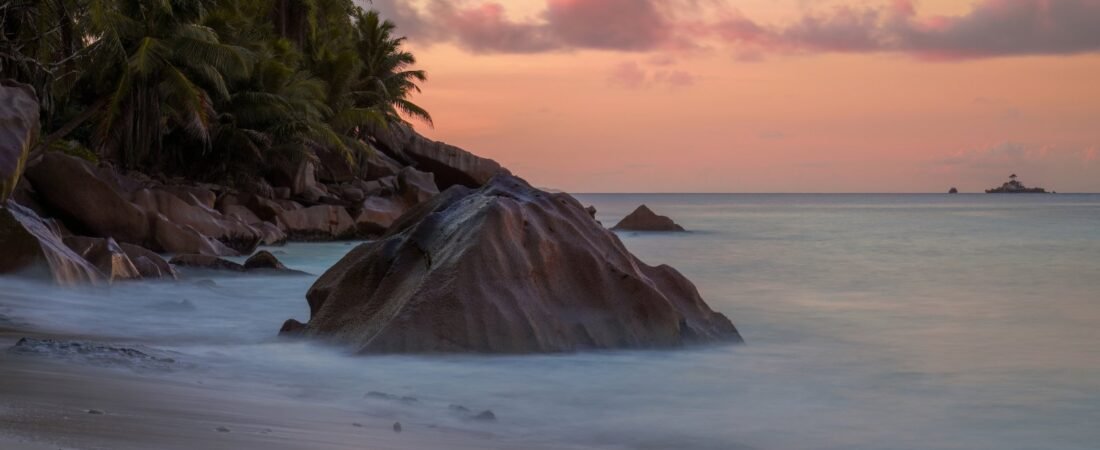
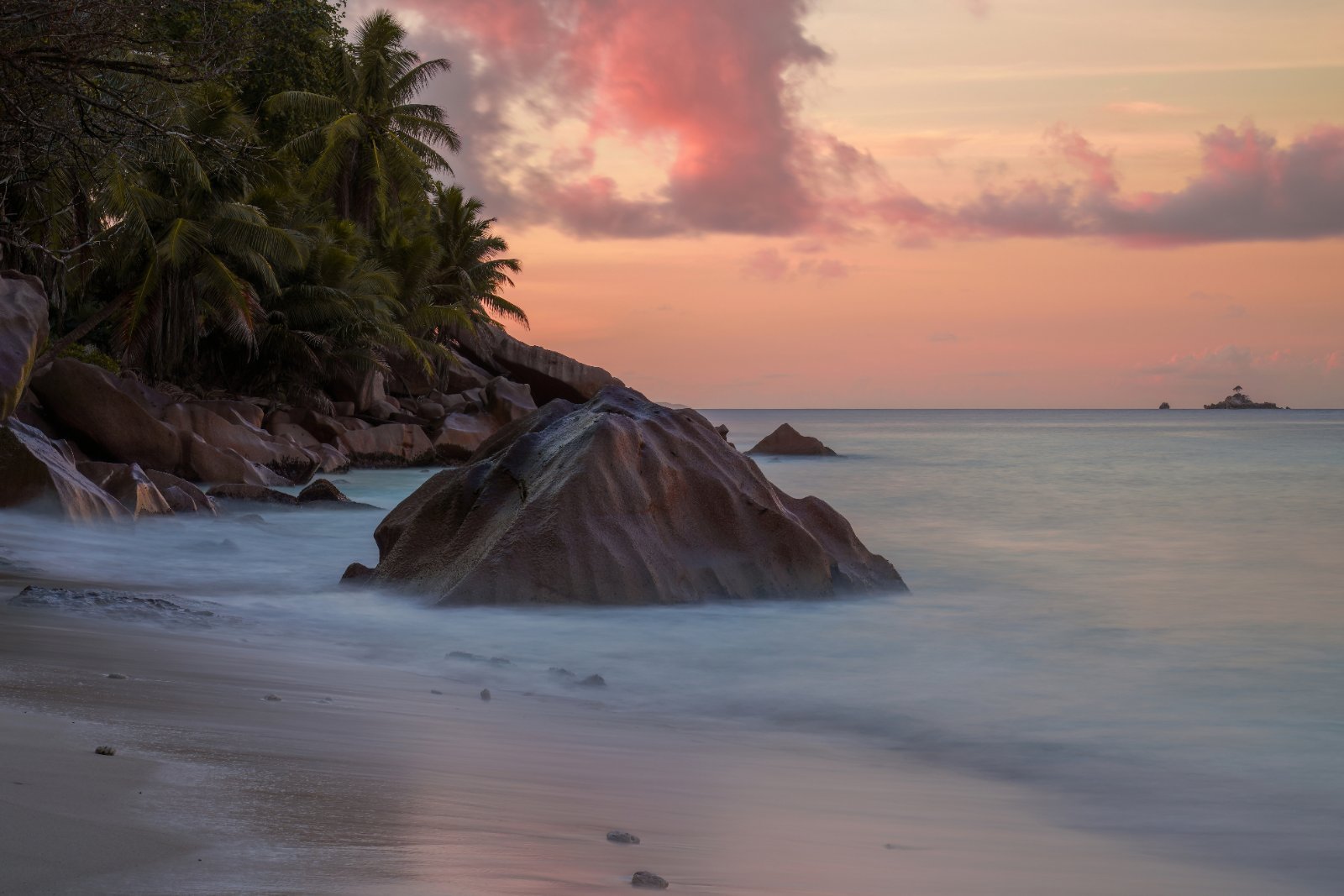
Illustrative island photograph. Not a photograph of the resorts compared below.
La Digue and Praslin sit a short ferry ride apart in the Seychelles’ Inner Islands, yet they feel like different trips entirely. This guide focuses on comparing La Digue and Praslin specifically for travelers trying to pick just one island, or deciding how to split a short Seychelles itinerary between them, rather than attempting to cover the full 115-island Seychelles archipelago in one article. By the end, you should know which island matches your pace, budget, and the kind of photos you actually want to come home with.
Quick Verdict: La Digue vs Praslin at a Glance
La Digue is smaller, largely car-free, and built around bicycle trails and the granite-boulder beaches that appear on half the postcards sold in the Seychelles. Praslin is larger, has more hotel inventory and a proper domestic airport, and pairs white-sand beaches with the UNESCO-listed Vallée de Mai Nature Reserve. If you want quiet, cycling, and the single most iconic beach photograph of your trip, lean toward La Digue. If you want easier logistics, more dining variety, and a wider choice of resorts to book from, lean toward Praslin. Most travelers who have the time end up visiting both, using one as a base and the other as a day or overnight excursion.
| Factor | La Digue | Praslin |
|---|---|---|
| Getting around | Bicycle, ox-cart taxi, on foot | Rental car, taxi, hotel shuttle |
| Airport access | No airport; ferry only | Domestic airport (PRI) with flights from Mahé |
| Signature beach | Anse Source d’Argent | Anse Lazio |
| Accommodation style | Small guesthouses, boutique lodges | Wider range, from guesthouses to resort chains |
| Signature landmark | Union Estate Park, granite boulders | Vallée de Mai Nature Reserve |
| Typical trip length | 1 to 3 nights, often as a day trip | 3 to 7 nights as a base |
| Best for | Cycling, iconic photos, slow pace | Flexibility, dining variety, families |
Getting There and Island Hopping Logistics
Almost every trip to either island starts on Mahé, where international flights land at Seychelles International Airport near Victoria. From Mahé, Praslin is a 15-minute domestic flight or a 60 to 90 minute ferry on operators such as Cat Cocos. La Digue has no airstrip at all, so the only way in is a further ferry hop, usually 15 to 30 minutes from Praslin’s La Passe jetty. If you are short on time, basing yourself on Praslin and day-tripping to La Digue is the most efficient pattern; if La Digue’s beaches are the main draw, booking two or three nights there and visiting Praslin’s Vallée de Mai as a side trip works just as well. Ferry schedules thin out in the late afternoon, so plan your last crossing of the day with a buffer rather than cutting it close. For a wider look at how the Seychelles compares with other luxury island destinations when planning the international leg of your trip, see our Seychelles vs Maldives comparison.
Beaches: Anse Source d’Argent vs Anse Lazio
La Digue’s Anse Source d’Argent is arguably the most photographed beach in the Indian Ocean, a maze of pink granite boulders framing shallow, calm turquoise water that is sheltered enough for most swimmers and families, though it can feel crowded by mid-morning once the day-trip boats arrive. Praslin’s Anse Lazio counters with a wider sweep of soft white sand backed by takamaka and casuarina trees, slightly more swell, and views across to Curieuse Island. Both are protected within park land, and La Digue’s side charges a small entry fee that also covers the adjoining tortoise park. If your trip is built around a single hero beach photo, La Digue edges ahead; if you want a long beach walk and a lively but not overcrowded atmosphere, Praslin’s beach takes it. Snorkeling is decent at both, though neither matches the outer atolls for coral coverage.
Where to Stay and Where to Eat
La Digue’s accommodation is almost entirely small-scale: family-run guesthouses, a handful of boutique lodges, and a few higher-end properties near Anse Sévère and Grand Anse. Rooms book out quickly in July, August, and the December holidays, so reserve months ahead if those dates apply to you. Praslin has a broader spread, including larger resort properties around Côte d’Or and Anse Volbert, plus independent guesthouses inland and near Grand Anse Praslin. Dining follows the same pattern: Praslin has the deeper restaurant scene, with beachfront grills serving grilled fish, octopus curry, and the Seychellois staple of ladob, while La Digue’s dining is simpler and mostly tied to guesthouse kitchens and a few beach cafés, which makes half-board stays common there. Couples planning a honeymoon-focused stay often prefer Praslin’s resort infrastructure for exactly this reason; our guide to the best Seychelles islands for a honeymoon breaks this down island by island.
Things to Do Beyond the Beach
Praslin’s Vallée de Mai is a primeval palm forest and one of only two UNESCO World Heritage Sites in the Seychelles, home to the coco de mer palm and the rare Seychelles black parrot; the Seychelles Tourism Board publishes current visitor hours and trail information. La Digue’s equivalent draw is slower-paced: cycling the island’s handful of sandy lanes, visiting the giant tortoises at L’Union Estate, and snorkeling off Anse Severe. Both islands offer day-boat trips to nearby granite islets such as Curieuse and Cousin, which host nesting seabirds and their own giant tortoise populations, and make a good add-on if you have an extra day on either side of your stay.
Cost Comparison and Budget Tips
Inter-island ferries run roughly 60 to 90 dollars round trip per route, and bicycle hire on La Digue adds only a few dollars a day, keeping on-island costs low once you’ve arrived. Praslin’s domestic flights cost more than the ferry but save time, and car rental there runs comparable to other mid-tier island destinations in the Indian Ocean. Entry fees apply at Vallée de Mai and at the Anse Source d’Argent park boundary, and both are worth budgeting for rather than treating as an afterthought. Travelers wanting a full Seychelles budget breakdown, including flights, visas, and typical daily costs across the archipelago, can use our step-by-step guide to planning a Seychelles trip.
Which Island Fits Your Trip
Choose La Digue if you want the single most iconic Seychelles beach scene, enjoy cycling over driving, and are comfortable with simpler guesthouse-style stays and a slower rhythm to your days. Choose Praslin if you want more flexibility in accommodation and dining, easier access via its own domestic airport, and a forest hike alongside your beach time. Many itineraries do both: a Mahé arrival, three or four nights on Praslin as a base, and a one or two night side trip to La Digue before flying home. If Mahé itself is also on your list, our Mahé Island travel guide covers the capital island in detail, and general background on the country, including geography and population figures for context, is available from the CIA World Factbook’s Seychelles profile. Neither decision is permanent either; a growing number of visitors now treat the two islands as a single combined stop rather than an either-or choice.
Frequently Asked Questions
Can you visit La Digue as a day trip from Praslin?
Yes. Ferries run multiple times daily between Praslin’s La Passe jetty and La Digue, taking 15 to 30 minutes, which makes a day trip straightforward if you are based on Praslin.
Is La Digue car-free?
Essentially, yes. Private cars are heavily restricted; most visitors and residents get around by bicycle, on foot, or by ox-cart or electric taxi for longer distances or luggage.
Do you need to pay to enter Anse Source d’Argent?
There is a small entry fee to access the beach through L’Union Estate Park, which also covers the giant tortoise enclosure and coconut plantation on the same grounds.
How many days should I spend on Praslin?
Three to five nights is typical, enough time for Vallée de Mai, Anse Lazio, and at least one day trip to La Digue or a neighboring islet.
Which island is better for a honeymoon?
Both work well; Praslin offers more resort-style privacy and dining options, while La Digue suits couples who want a quieter, low-key, bicycle-paced stay.
Is it worth visiting both islands on the same trip?
If you have five or more nights in the Seychelles, yes. A Praslin base with a one or two night La Digue add-on lets you see both signature beaches without excessive ferry time.
Weather on both islands follows the same broad pattern, with a drier, breezier stretch from May through September and a warmer, more humid stretch from October through April that brings a higher chance of short afternoon showers. Neither island experiences the destructive storm risk seen in some other tropical regions, since the Seychelles sits largely outside the main cyclone belt, but sea conditions do shift with the trade winds, which can affect which beaches are calmest for swimming on a given week. Booking either island at least four to six months ahead is sensible for July, August, and the December to early January holiday window, when both flight seats and the limited guesthouse rooms on La Digue sell out first.
In short, there is no wrong answer between La Digue and Praslin, only a better fit for the trip you are actually planning. Travelers chasing a quiet, bicycle-paced few days with one unforgettable beach should weight their itinerary toward La Digue, while those who want a comfortable base with more choice in hotels, restaurants, and onward day trips will likely get more out of Praslin. Either way, pairing the two islands rather than choosing only one remains the most common, and most rewarding, way to see this part of the Seychelles.