
Lembeh vs Anilao 2026: Best Muck Diving Base
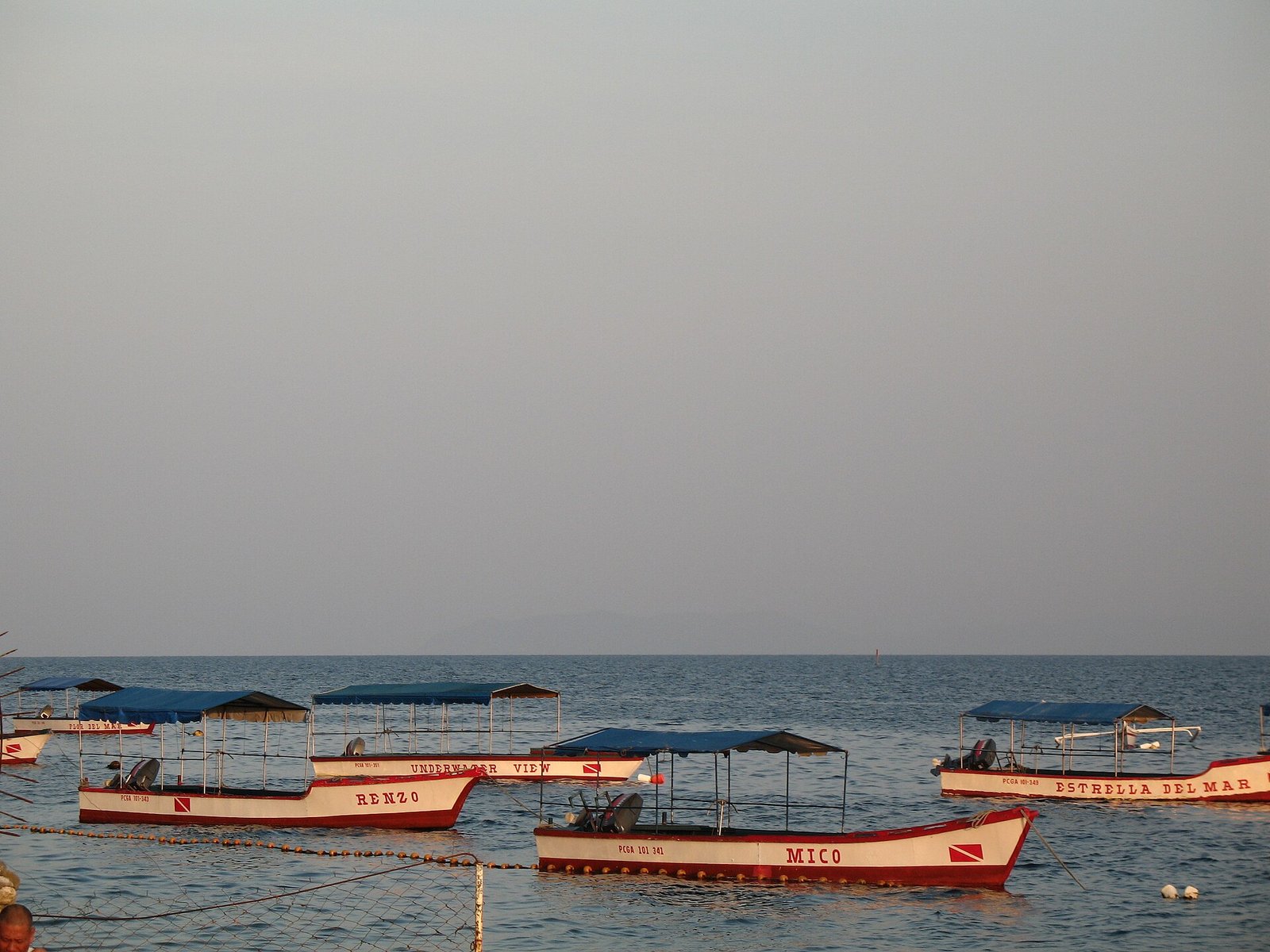
Photo: Boats of Anilao, Batangas, via Wikimedia Commons (CC BY-SA 3.0).
Lembeh Strait in Indonesia and Anilao in the Philippines are the two most famous names in Asian muck diving. This guide focuses on that choice specifically for macro photographers and experienced divers planning a dedicated critter trip of five to ten days, who want a comfortable dive resort rather than a backpacker base. We compare marine life, seasons, access, resort quality and value.
Research-based guide · Updated October 2026. Prices and policies change, so verify directly with operators before booking.
Quick verdict
Choose Lembeh if you want the widest range of rare critters, warm water all year and full-service photo resorts. Choose Anilao if you are short on time, flying via Manila, or want the best nudibranch variety and blackwater diving within a three-hour drive of a major airport.
What muck diving is and why these two places lead
Muck diving means exploring sandy, silty or rubble slopes instead of colourful coral reefs. These habitats look empty at first glance, but they hide some of the strangest animals in the sea: frogfish, ghost pipefish, mimic octopus, flamboyant cuttlefish and hundreds of species of nudibranch. Both Lembeh and Anilao sit in the Coral Triangle, the most biodiverse marine region on Earth, and both have decades of dive guides trained to find tiny, well-camouflaged animals. That guiding culture is as important as the marine life itself.
Side-by-side comparison
| Factor | Lembeh Strait, Indonesia | Anilao, Philippines |
|---|---|---|
| Nearest airport | Manado (MDC), about 1 to 1.5 hours by road | Manila (MNL), about 2.5 to 3 hours by road |
| Bottom type | Black volcanic sand and rubble | Mixed sand, rubble and coral slopes |
| Signature critters | Hairy frogfish, mimic octopus, Rhinopias, wonderpus | Nudibranchs, blue-ring octopus, larval blackwater life |
| Water temperature | About 26 to 29°C most of the year | About 23 to 25°C in Jan to Mar, up to 29°C later |
| Best season | Year-round; calmer from about Apr to Oct | About Oct to May; typhoon risk Jul to Oct |
| Crowds | Quiet; mostly international photographers | Busy on weekends with Manila divers |
| Resort style | Dedicated photo resorts, camera rooms, private guides | Wide range from simple to boutique |
| Easy add-on | Bunaken wall diving | Puerto Galera or Apo Island |
Marine life: who wins on critters?
Lembeh is famous for density. On a single dive at sites such as Hairball, Nudi Falls or Police Pier you might see several frogfish species, a mimic octopus and a handful of seahorses. The strait is especially strong for octopus behaviour, Rhinopias scorpionfish and juvenile fish that shelter in debris. Guides here are among the most experienced in the world, and many resorts pair photographers with a private guide for the whole stay.
Anilao counters with variety. Its slopes and reefs support a huge range of nudibranchs, and the area is widely called one of the best nudibranch destinations on the planet. Sites like Secret Bay and Basura deliver classic muck finds, while Twin Rocks and Mainit offer coral and fish life between macro dives. Anilao is also the leading blackwater destination in Asia: night dives in open water with lights attract larval fish, paper nautilus and other pelagic oddities that drift up from the deep.
In short, Lembeh is more reliable for headline critters such as hairy frogfish and mimic octopus, while Anilao offers more variety in nudibranchs and blackwater subjects.
Seasons and water temperature
Lembeh is a year-round destination with warm water. The wetter months around December to February can bring rain and slightly lower visibility, but critter action continues. Anilao has a clear high season from about October to May. Be prepared for cooler water from January to March, when a 5 mm wetsuit and hood are sensible for multiple daily dives. From July to October, typhoons can cancel dives for days at a time, so build in buffer days. Check the Philippine Department of Tourism for current travel advisories.
Access and travel time
Anilao is the clear winner on convenience. Most international flights land in Manila, and resort transfers take around three hours depending on traffic. That makes Anilao realistic for a long weekend or as an add-on to a business trip. Lembeh needs a flight to Manado, usually via Jakarta, Singapore or Bali, followed by a road transfer to Bitung and a short boat crossing. The trip is longer, but it is easy to combine with Bunaken, which offers dramatic wall diving. See our guide to Bunaken and Manado dive resorts for ideas, and check Indonesia Travel for entry rules.
Where to stay: resort quality and photo facilities
Lembeh has a strong group of resorts built around photography. Properties such as Lembeh Resort, Kungkungan Bay Resort and NAD Lembeh offer camera rooms with charging stations, rinse tanks, small-group boats and private guiding. Rooms range from comfortable cottages to spacious villas with sea views. We review the options in detail in our Lembeh Strait dive resort guide.
Anilao has more variety in style and price. Some resorts focus on house reef diving and blackwater programmes, while others lean towards boutique design with infinity pools and spa services. Because weekend demand from Manila is high, the quietest and best-value stays are usually Sunday to Thursday. If you are weighing Anilao against other Luzon bases, read Anilao vs Puerto Galera.
Cost and value
Package pricing in both places usually bundles room, meals and a set number of boat dives. Lembeh packages tend to cost more per day because of longer transfers and a higher share of private guiding, but they are often all-inclusive. Anilao can be cheaper for a short trip, especially if you avoid weekends, although blackwater dives and private guides are typically extra. In both places, add Nitrox, equipment rental, marine park fees and tips to your budget. Ask resorts whether they include airport transfers, because this can make a big difference in Lembeh.
Which base suits which diver?
- Serious macro photographer with ten days: Lembeh, then three nights in Bunaken.
- Nudibranch or blackwater enthusiast: Anilao in November to May.
- Short trip from Manila or Hong Kong: Anilao, midweek.
- Diver who wants warm water and less weather risk: Lembeh.
- Couple with one non-diver: an Anilao resort with a pool and spa, or a combined Lembeh and Bunaken trip.
Sample seven-night Lembeh plan
Fly into Manado in the afternoon and transfer straight to your resort so you can set up cameras and do a check dive the next morning. Spend days two to five on a steady rhythm of three boat dives and one dusk or night dive, asking your guide to target a different group of animals each day: frogfish and scorpionfish early in the trip, then octopus behaviour, then cuttlefish and juvenile fish. Many photographers book a mandarin fish dive at dusk, when the fish rise to mate. On day six, either take a rest day for a land trip to Tangkoko Nature Reserve, home to tarsiers and black crested macaques, or transfer to Bunaken for two days of wall diving. Leave at least 18 to 24 hours between your last dive and your flight home.
Sample five-night Anilao plan
Leave Manila early on a Sunday to beat the traffic and arrive in time for an afternoon house reef dive. Plan two or three boat dives a day, mixing muck sites such as Secret Bay with reef sites such as Twin Rocks so you can switch between macro and wide-angle. Book one or two blackwater dives mid-week, when boats are less busy; most resorts run them a few nights a week and the number of places is limited. On the last full day, consider a lighter schedule with a single morning dive, then a massage or a sunset by the pool. Return to Manila on Friday morning, before the weekend crowds arrive.
Photography kit notes
A 60 mm or 100 mm macro lens is the standard choice in both destinations, ideally with a wet diopter for super-macro subjects such as pygmy seahorses and skeleton shrimp. Bring a focus light with a red mode, because many critters are shy of bright white light at night. Snoots are popular for isolating subjects against dark sand in Lembeh. For blackwater in Anilao, a fast-focusing setup and a strong focus light are more important than a long lens. Pack spare o-rings, a small repair kit and silica gel, since humidity is high in both places.
Safety and skills to bring
Muck diving is usually shallow and calm, but it requires excellent buoyancy to avoid stirring up silt or touching animals that may be venomous, such as blue-ring octopus and scorpionfish. Consider a buoyancy or underwater photography speciality before you go; PADI and other agencies offer both. Carry dive insurance from a provider such as DAN, because the nearest hyperbaric chambers can be several hours away. For more diving ideas in the region, see Raja Ampat vs Komodo and Dumaguete and Apo Island resorts.
Frequently Asked Questions
Is Lembeh or Anilao better for beginners?
Both suit newly certified divers because most sites are shallow and calm. Anilao is easier to reach and cheaper for a short trip, while Lembeh offers warmer water. Good buoyancy is the key skill in either place.
What is the best month for muck diving in Anilao?
The most reliable months are roughly November to May. January to March brings cooler water around 23 to 25°C but often good conditions; July to October carries typhoon risk.
Can I combine Lembeh with another dive area?
Yes. Most visitors pair Lembeh with Bunaken National Park near Manado, which is known for steep coral walls and turtles. The transfer between the two takes about two hours.
Do I need a private guide for muck diving?
It is not required, but a private guide is very helpful for photographers because you can spend longer with each subject. Many Lembeh resorts include private guiding in photo packages.
How cold is the water in Anilao?
In the cooler months, water can drop to about 23°C. A 5 mm wetsuit and a hood are recommended for three or four dives a day. From April onward, temperatures rise toward 28 to 29°C.