Ly Son Island Travel Guide
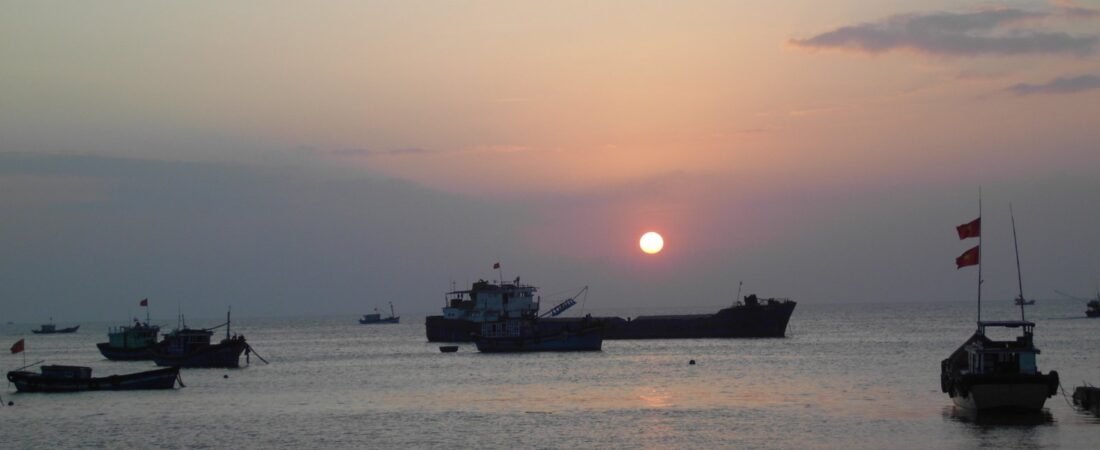
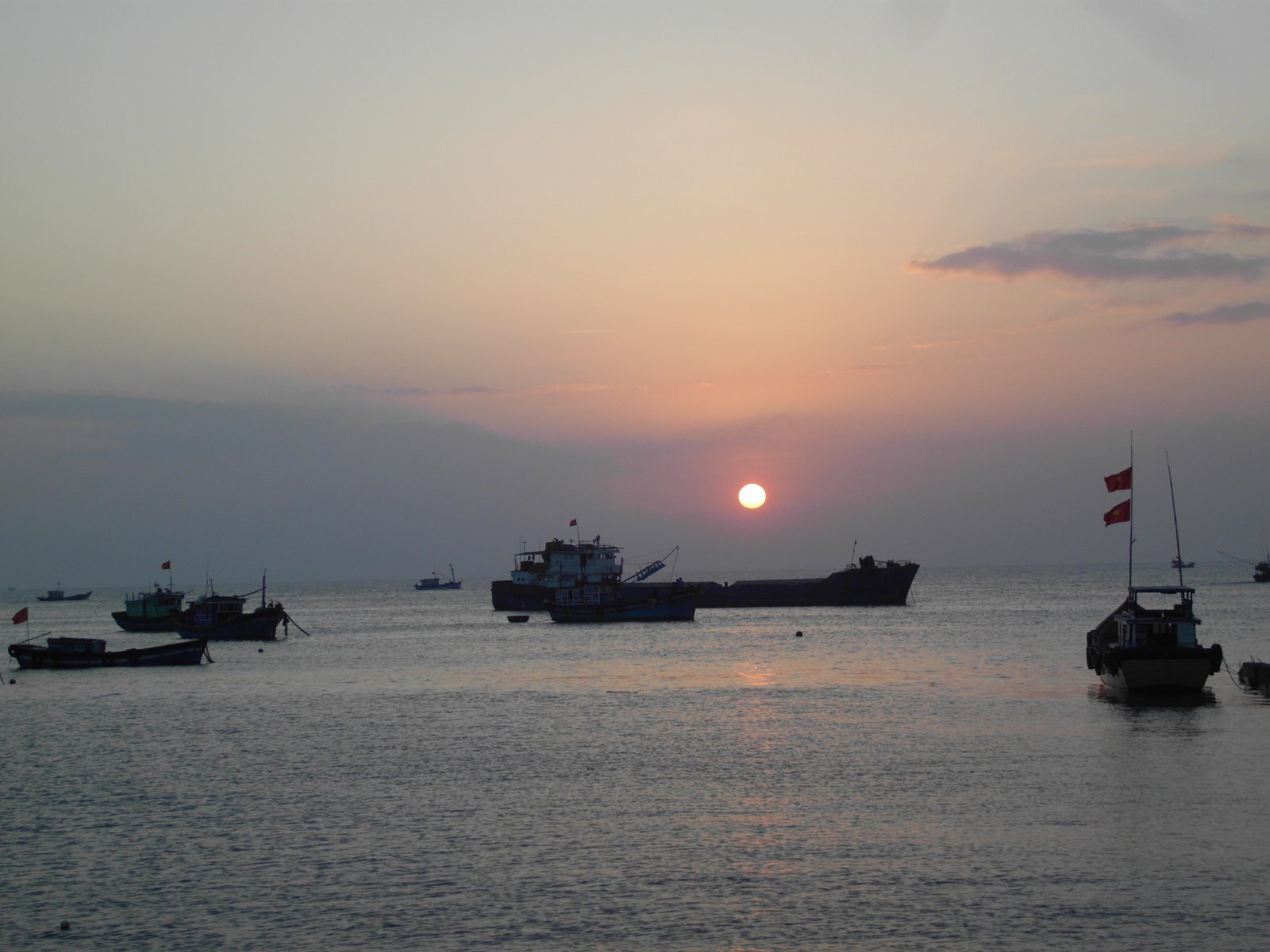
Illustrative island photograph. Not a photograph of the resorts compared below.
This guide focuses on Ly Son specifically for first-time visitors trying to decide whether its volcanic, off-grid character actually suits their trip, rather than simply listing sights. Ly Son is a small island off the coast of Quang Ngai province in central Vietnam, built from extinct volcanic cones and known locally for garlic and onion farming as much as for tourism, and it rewards travelers who want a slower, rougher-edged island with limited infrastructure over one built for comfort.
What Makes Ly Son Different From Vietnam’s Other Islands
Where islands like Phu Quoc or Cat Ba have built out resorts, dive shops, and tour infrastructure over the past decade, Ly Son has stayed largely agricultural and residential, with tourism still a secondary part of the local economy. That means fewer polished amenities but also a more unfiltered look at daily island life, from the garlic harvest to the fishing boats that still define the local economy. If you want curated comfort, this isn’t the island for that; if you want texture and quiet, it delivers.
The Volcanic Landscape: Craters and Rock Formations
Ly Son formed from a cluster of now-extinct volcanic cones, and the clearest evidence of that history is Thoi Loi crater, whose rim offers a sweeping view over the island’s fields and coastline and is one of the few spots where you can see the island’s shape as a whole. Along the shore, black volcanic rock formations, sharpest and most dramatic near the island’s edges, make for a striking contrast against the turquoise water and are a favorite subject for photographers visiting at sunrise or sunset.
Garlic and Onion Fields: The Island’s Other Identity
Ly Son garlic has a strong reputation within Vietnam, grown in volcanic soil that locals credit for its flavor, and the fields themselves, often running right up to the coastline, are as much a part of the island’s visual identity as its beaches. Harvest timing varies by year, but visiting during active planting or harvest gives you a working-island view that’s different from the postcard beach shots most travelers expect.
Best Beaches and Swimming Spots
Ly Son’s beaches are smaller and less developed than those on Vietnam’s mainstream island destinations, with clear water over volcanic rock and coral patches rather than long stretches of fine sand. The most accessible swimming spots sit near the main town and port, while quieter coves further around the coast require a short motorbike ride and a bit of scrambling over rock to reach, which also tends to keep them emptier.
Local Food Worth Seeking Out
Beyond the garlic itself, which shows up in nearly every dish, Ly Son is known for fresh seafood brought in daily by the island’s fishing fleet, simple noodle dishes, and a handful of home-style restaurants near the port serving whatever was caught that morning. Expect a much smaller and more informal dining scene than on larger islands, with a few family-run spots doing most of the work rather than a wide choice of restaurants.
Where to Stay
Accommodation on Ly Son is limited to small guesthouses and homestays rather than resort-style hotels, and rooms are generally simple and inexpensive compared with mainland beach towns. Booking ahead matters less outside peak domestic holiday weekends, but arriving with a couple of names already in mind, rather than expecting a wide on-arrival choice, avoids a frustrating search in the heat after the ferry crossing.
A Suggested Two-Day Itinerary
On day one, settle in after the ferry, rent a motorbike, and spend the afternoon at Thoi Loi crater and the nearby coastal rock formations for sunset. On day two, explore the garlic fields and a local pagoda in the morning, swim at one of the quieter coves in the early afternoon before the heat peaks, and leave time before your return ferry for a final seafood meal near the port. This pace leaves slack for weather or ferry timing without feeling rushed.
Practical Tips Before You Go
- Bring more cash than you think you need; card acceptance on the island is inconsistent.
- Rent a motorbike on arrival rather than relying on limited local transport options.
- Pack reef-safe sunscreen and a hat; shade is limited around the crater and rock viewpoints.
- Confirm your return ferry time before you plan your last day, since schedules can shift with weather.
How Ly Son Compares to Other Vietnamese Islands in This Guide
If you’re deciding between Ly Son and the other islands covered in our Vietnam coverage, this quick comparison may help:
| Island | Character | Infrastructure | Best For |
|---|---|---|---|
| Ly Son | Volcanic, agricultural, off-grid | Minimal: guesthouses, no resorts | Travelers wanting texture over comfort |
| Con Dao | Protected national park, conservation-focused | Moderate: a mix of simple and upscale stays | Divers, sea turtle watchers, history visitors |
| Cat Ba | Karst bay scenery, more developed | Well developed: hotels, tour operators | Travelers wanting Ha Long Bay scenery with more comfort |
A Working Island, Not a Resort Island
It’s worth repeating that Ly Son’s economy runs on garlic, onions, and fishing first, tourism second, and that shapes almost everything about visiting. Shops close for lunch, boats head out before dawn and come back mid-morning, and the island’s rhythm doesn’t bend much for visitors. Travelers who come expecting a scaled-down version of Phu Quoc or Nha Trang tend to be disappointed; travelers who come wanting to see a Vietnamese island that hasn’t been built around tourism tend to leave satisfied.
Connectivity and Daily Life
Mobile signal is generally workable in the main town and weaker out toward the crater and coastal rock formations, so download offline maps before you set out for the day. Power outages are occasionally reported during storms, and most guesthouses are small enough that a generator backup isn’t guaranteed, so keep devices charged when the opportunity arises rather than assuming power will be available on demand.
A short practical note on seasonality: the calmer, drier months from roughly February through August make both the ferry crossing and the islands outdoor sights, from the crater rim to the coastal rock formations, considerably more comfortable than the wetter stretch from September through December, when swell can affect ferry schedules and rain can shorten time outdoors. If your trip dates are flexible, building the Ly Son leg into the first half of the year reduces the chance of a weather-disrupted visit.
If you are traveling with limited time and have to choose one highlight, make it the crater rim walk at either sunrise or sunset. The light at those hours brings out the contrast between the dark volcanic rock, the green fields, and the surrounding sea far better than midday light does, and the walk itself is short enough to fit before or after a full day of other activities without eating into your schedule. Bring water regardless of the hour, since shade along the rim trail is minimal and the climb, while not long, is exposed to direct sun for most of its length.
Food and lodging prices on Ly Son run noticeably lower than on mainstream Vietnamese beach destinations, which partly offsets the extra transport effort required to get there. A simple seafood meal, a basic guesthouse room, and a day of motorbike rental together typically cost less than a single mid-range dinner in a resort town like Nha Trang or Phu Quoc, which is worth factoring in if budget is part of your decision between destinations.
One more thing worth planning around: Ly Son has very little nightlife or evening entertainment beyond a quiet walk along the harbor and dinner at one of the small local restaurants. For most visitors that is part of the appeal rather than a drawback, but travelers used to the bar and restaurant scene of a bigger island destination should adjust expectations accordingly before they arrive.
FAQ
Is Ly Son worth visiting if I only have a few days in central Vietnam?
It can be, but factor in a full day each way for transport, since it is not a quick add-on; it suits travelers who value the island’s quiet, working character over ticking off a long sightseeing list.
Is there an ATM or bank on Ly Son?
Limited options exist near the main town, but do not rely on them; bring enough cash from the mainland to cover your stay.
What language is spoken, and is English widely understood?
Vietnamese is the local language, and English is limited outside a handful of guesthouses, so a translation app or a few basic phrases genuinely help with day-to-day interactions and menu reading.
Is Ly Son suitable for a family trip?
It can work for families comfortable with simple accommodation and a slower pace, but the limited medical facilities and basic infrastructure are worth weighing against your family’s needs.
When is garlic harvest season?
Timing varies by year with the planting cycle, but it generally falls in the earlier months of the year; check locally close to your visit if seeing the harvest matters to you.
For the practical route there, see our guide to getting to Ly Son, and for picking dates, our best time to visit Ly Son guide. If you are weighing other low-key Vietnamese islands, see our things to do on Cat Ba guide, and browse more entries in our Destination Guides section. For background reading, see the Wikipedia entry on Lý Sơn District, the UNESCO Global Geoparks network for context on the island’s volcanic geology, and Vietnam’s official tourism site for broader travel advisories.