Nias Island, Indonesia: Surfing and Travel Guide 2026
This guide focuses on Nias Island specifically for surfers chasing the famous right-hander at Lagundri Bay and for travelers interested in the island’s traditional stilt-house villages, two draws that rarely overlap for the same visitor but that together give Nias a character distinct from Indonesia’s more beach-club-focused islands.
Where Nias Island Is and How to Get There
Nias sits off the western coast of Sumatra in the Indian Ocean, reached by flights from Medan to Binaka Airport near Gunungsitoli, the island’s main town, or by overnight ferry from Sibolga on the Sumatran mainland. From Gunungsitoli, it is a further two to three hour drive south to Teluk Dalam and the surf area around Lagundri Bay and Sorake Beach, so most surfers plan on a half-day of travel after landing before reaching the waves. Shared minivans and private car hire are both available from the airport, and most surf camps can arrange a pickup directly if given a flight or ferry arrival time in advance, which is worth doing since taxi availability at Binaka Airport is limited outside scheduled flight arrivals.
Surfing at Lagundri Bay and Sorake Beach
Nias put Indonesian surfing on the map in the 1970s, when traveling surfers discovered the long, powerful right-hand reef break at Lagundri Bay, often described as one of the most consistent and well-shaped waves in the region. Sorake Beach, at the southern end of the same bay, shares the swell and has grown into the main accommodation strip for surfers, with simple surf camps and guesthouses lining the shore within walking distance of the break. The wave itself breaks over a shallow coral and rock reef, which gives it its shape and power but also means low-tide sessions require real caution, particularly for anyone unfamiliar with the specific hazards of this exact reef.
Several international surf competitions have been held at Lagundri Bay over the decades, which helped cement its reputation among traveling surfers well before it became easier to reach, and that competition history is still referenced by longtime surf camp operators as part of the island’s identity.
The wave handles a wide range of swell sizes and is rideable for strong intermediate surfers on smaller days, though the bigger, more hollow conditions that built the wave’s reputation are better suited to experienced surfers comfortable with reef breaks. A handful of other breaks around the island, including spots in the Hinako Islands just off Nias’s west coast, give visiting surfers somewhere less crowded to escape to when Lagundri gets busy during peak season. Getting out to the Hinako Islands generally requires a boat charter arranged through a surf camp rather than a scheduled service, and overnight stays there are far more basic than on the main island, which suits surfers chasing uncrowded waves more than travelers wanting reliable comfort.
Local surf guides based around Sorake Beach can be hired for a day or for the length of a trip, and are worth considering for visitors unfamiliar with the reef, since the takeoff and inside sections of the wave both carry real risk of reef contact for anyone misjudging the tide or their positioning.
Traditional Villages and Culture
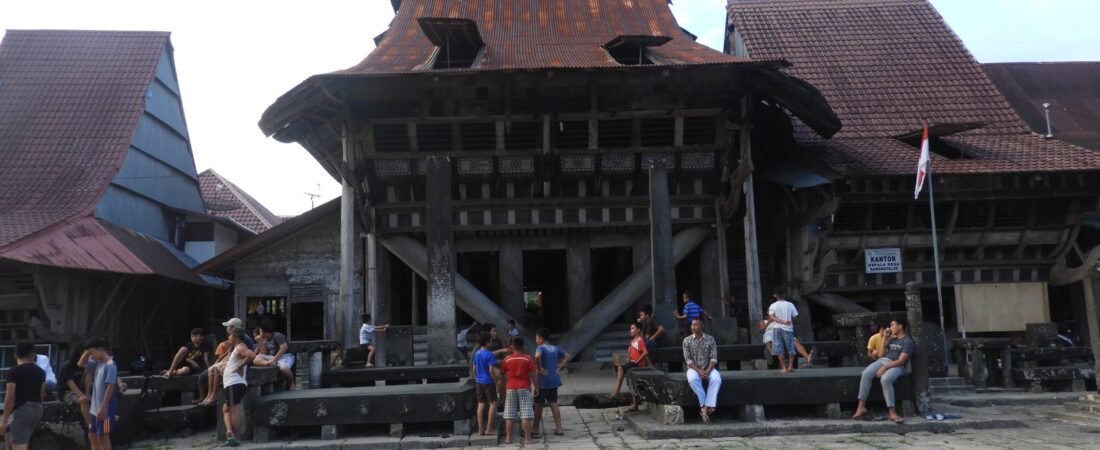
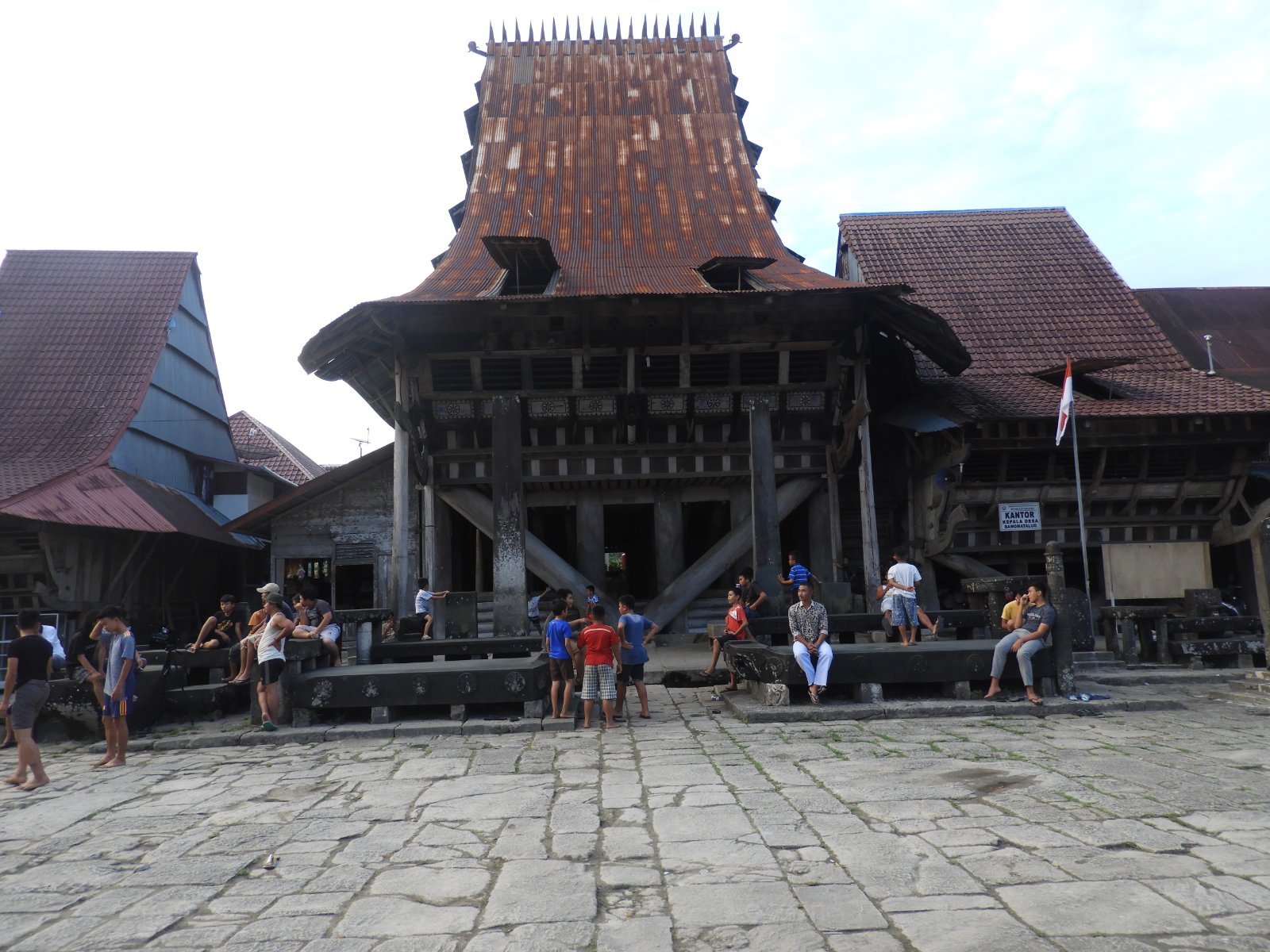
Away from the surf, Nias is known for its traditional omo sebua, tall peaked-roof clan houses raised on wooden piles, found in villages like Bawomataluo in South Nias, which also hosts a traditional stone-jumping ceremony once used to test young men’s readiness for warfare. These villages are a short drive from the Teluk Dalam surf area, making a half-day cultural detour an easy add-on to a surf trip rather than a separate journey.
North Nias has its own, less-visited traditional villages and megalithic stone structures, appealing to travelers who want to go further off the already quiet path that most Nias visitors already follow. Hiring a local guide for village visits is worth the modest cost, both for the historical context they provide and because some villages expect a small donation or entrance contribution that a guide can help arrange appropriately.
Nias’s culture extends beyond its clan houses to distinctive woodcarving and gold jewelry traditions, both still practiced in workshops around Gunungsitoli and in some of the traditional villages themselves, giving travelers a chance to buy directly from local artisans rather than from generic souvenir shops.
Surf Season vs Cultural Visit Timing
| Trip focus | Best months | What to expect |
|---|---|---|
| Surfing, bigger swell | June to September | Larger, more consistent swell; busier surf camps |
| Surfing, mellower waves | March to May | Smaller swell, better for intermediate surfers |
| Cultural village visits | Year-round | Less weather-dependent than surfing |
| Wet season travel | October to February | More rain; rougher ferry crossings from Sibolga |
A Sample Surf and Culture Itinerary
A one-week trip built around both interests might run: day one for travel from Medan to Gunungsitoli and on to Teluk Dalam, days two through five for surfing at Lagundri Bay and Sorake, with a rest day built in given how physically demanding the reef break can be, day six for the Bawomataluo village visit and stone-jumping ceremony if it coincides with your trip, and day seven for the return journey. Surfers on a longer trip often extend days two through five into a full week or more, since consistent swell and a close-knit surf camp community are the main reasons repeat visitors keep coming back to Nias specifically rather than other Indonesian surf destinations.
What to Pack and Budget
Surfers should bring their own board if at all possible, since rental options on Nias are limited and informal compared with established surf hubs like Bali or the Mentawai Islands. A step-up board for bigger Lagundri days, reef booties for walking out over the shallow reef at low tide, and a basic first-aid kit for reef cuts, and a tube of antiseptic cream are all worth packing given how far the island is from a well-stocked pharmacy or hospital.
Budget travel on Nias is genuinely inexpensive by regional standards: surf camp accommodation, simple meals and local transport all cost less than equivalent options in Bali, though the overall trip cost is pushed up somewhat by the flights and ferries needed to actually reach the island. Cash in Indonesian rupiah is essential outside Gunungsitoli, since card acceptance at surf camps and local warungs around Sorake Beach is limited.
Mobile network coverage is reasonable in Gunungsitoli and reaches most of the Teluk Dalam area too, though it can be patchy in the more remote northern villages, so download offline maps and translation apps before heading out to the more isolated cultural sites.
Where to Stay
Sorake Beach has the highest concentration of surf-focused accommodation, ranging from basic losmen guesthouses to a handful of more comfortable hotels, most within easy walking distance of the main takeoff point. Gunungsitoli has more general-purpose hotels but is too far from the surf to use as a base for a surf-focused trip, making it more suitable as an overnight stop on the way in or out. Many surf camps at Sorake Beach offer multi-day or multi-week packages that bundle accommodation, meals and boat trips to the Hinako Islands, which simplifies budgeting for a longer stay considerably.
For another Indonesian island where surfing and a specific niche interest overlap, see our Weh Island diving guide, and for a broader look at Sumatra’s other island destinations, our Bangka Belitung trip-planning guide covers a very different side of the same coastline.
Book surf camp accommodation well ahead for a June to September trip, since the main surf camps around Sorake Beach have limited rooms and fill up with repeat visitors who book a year in advance for the peak swell season. Bringing a reef-safe board bag and basic ding-repair kit is worth it too, since surf shops on the island are informal and stock is limited compared with bigger surf destinations like Bali. Travel insurance that explicitly covers surfing and reef-related injuries is worth confirming before you go, given the island’s distance from major hospital facilities.
Frequently Asked Questions
Is Nias Island good for beginner surfers?
Lagundri Bay is a reef break that suits strong intermediate to advanced surfers best, especially at larger swell sizes. Beginners can surf it on smaller days but should go with a local guide who knows the reef.
How do I get to Nias Island?
Fly from Medan to Binaka Airport near Gunungsitoli, or take the overnight ferry from Sibolga on the Sumatran mainland, then continue by road to Teluk Dalam for the surf area.
Can I visit Nias for culture without surfing?
Yes. The traditional villages, including Bawomataluo, are worth visiting on their own, and cultural trips are far less weather-dependent than a surf-focused visit.
When is the best time to surf Nias?
June to September generally brings the biggest, most consistent swell, while March to May offers smaller, more manageable waves for intermediate surfers.
Is Nias crowded with tourists?
No. Nias remains a niche destination for dedicated surfers and culture-focused travelers, and even the main surf season at Sorake Beach is quiet compared with more mainstream Indonesian destinations.
Nias rewards a narrow kind of traveler, either a surfer chasing a specific wave or someone genuinely interested in traditional Indonesian architecture and ceremony, more than it rewards a general beach holiday, and that specificity is exactly why it has kept its loyal following for decades rather than becoming a mainstream stop on the Indonesia circuit. Browse more of our destination guides for other islands with a similarly specific draw.
Sources: Visit Nias Island: Surfing, Wikipedia: Nias, Wikipedia: Nias Regency.