Phu Quoc vs Koh Samui 2026: Which Luxury Island?
Vietnam’s rising star against Thailand’s polished classic
TL;DR: Choose Koh Samui for a mature, polished luxury scene with top names such as Four Seasons, Six Senses and Banyan Tree, good dining, and the best weather from January to August. Choose Phu Quoc for better value at new five-star resorts, long sunset beaches and the dry season from November to April. Vietnam’s island also has visa-free entry for many visitors arriving directly by international flight.
This guide compares Phu Quoc and Koh Samui specifically for travellers choosing one Southeast Asian island for a 5–7 night luxury beach stay. Both have international-standard resorts, white-sand beaches and good flight links, but they differ in maturity, price, weather and atmosphere. The right choice depends mostly on your travel month and the kind of luxury you want.
Koh Samui, in Thailand’s Gulf, has been a premium destination for decades and has one of the densest collections of top-tier resorts in the region. Phu Quoc, Vietnam’s largest island, in the Gulf of Thailand near the Cambodian coast, has grown rapidly over the past decade, with large new integrated resorts and a few landmark luxury hotels.
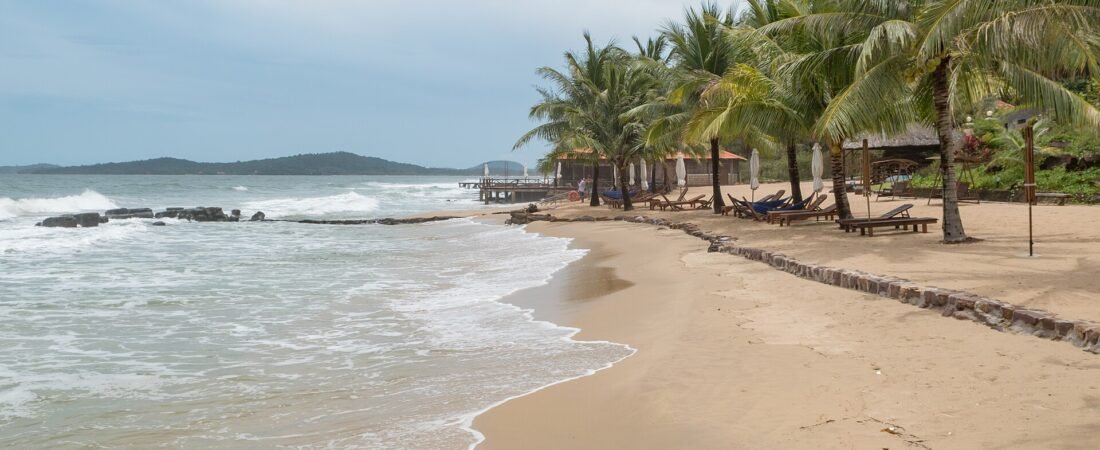
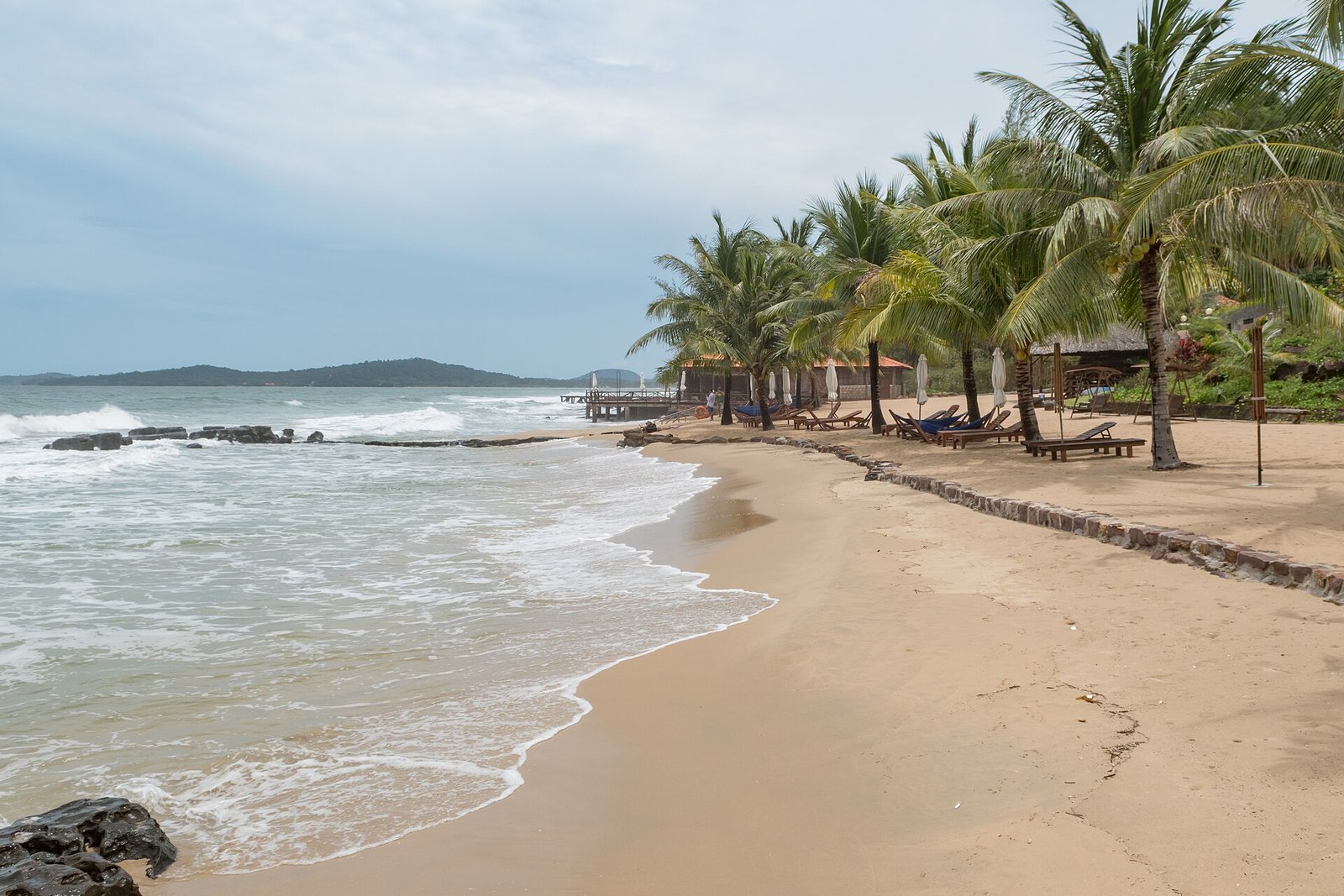
Research-based guide · Compiled from official tourism and property sources. Rates, policies and transport schedules change, so verify directly before booking. Hero photo: dronepicr / Wikimedia Commons (CC BY 2.0).
Side-by-Side Comparison
| Factor | Phu Quoc | Koh Samui |
|---|---|---|
| Best weather | About November–April (dry season) | About January–August; heaviest rain around October–December |
| Luxury scene | Newer, fewer flagship hotels, strong value | Mature, many globally known luxury brands |
| Flagship resorts | JW Marriott Emerald Bay, Regent, InterContinental Long Beach | Four Seasons, Six Senses, Banyan Tree, Conrad, Kimpton Kitalay |
| Beaches | Long sandy beaches; sunset west coast | Varied bays; calm north and east-coast beaches |
| Access | Direct international flights; visa-free entry scheme for eligible visitors flying in directly | Small airport with limited, pricier flights; ferry from Surat Thani |
| Value | Generally lower rates for comparable five-star rooms | Higher, especially in peak season |
| Dining & nightlife | Night markets, seafood, a growing restaurant scene | Wide range, from beach clubs to fine dining |
| Best for | Value-seeking couples, families, winter sun | Honeymooners, foodies, repeat Thailand visitors |
Neither island is “better” in every way. The table shows the trade-offs, and the sections below explain them.
Luxury Resorts Compared
Phu Quoc
Phu Quoc’s standout is JW Marriott Phu Quoc Emerald Bay, designed by Bill Bensley as an imaginary 19th-century university on Kem Beach. It is one of the most distinctive resorts in Asia. Regent Phu Quoc on Long Beach offers sleek, spacious villas and suites, while InterContinental Phu Quoc Long Beach is a reliable all-rounder with good family facilities. The south of the island also has large integrated resort zones with cable cars and water parks, which suit families but feel less exclusive.
Koh Samui
Samui’s luxury offering is deeper. Four Seasons Koh Samui has hillside pool villas above a private bay; Six Senses Samui sits on a headland with a strong sustainability and wellness focus; Banyan Tree Samui has pool villas tiered above its own cove. Conrad Koh Samui and Kimpton Kitalay add contemporary options. For a full ranking, see our Koh Samui private pool villas and Phu Quoc luxury resorts guides.
Atmosphere and development
The two islands feel very different. Much of Samui’s development is spread along the coast in low-rise resorts, villas and villages, and it feels established, with mature gardens, settled neighbourhoods and decades of hospitality experience. Phu Quoc is still changing fast. Large new resort complexes, entertainment zones and residential projects continue to open, and some stretches of coast can feel like construction sites. That means newer rooms and keen opening rates, but also the chance of building work near your hotel. Ask any Phu Quoc resort about nearby construction before booking, and read recent reviews rather than older ones.
Weather: Which Island When?
This is often the deciding factor. The two islands have nearly opposite rainy seasons:
- Phu Quoc is driest from about November to April, when seas on the west coast are calm and sunsets are reliable. The southwest monsoon brings rain and rougher seas from about May to October.
- Koh Samui is sheltered from much of the southwest monsoon, so it stays relatively dry from about January to August. Its main rainy season runs from about October to December.
- December favours Phu Quoc. June to August favours Samui.
- February to April works well on both islands.
Our best time to visit Phu Quoc guide has month-by-month detail.
Getting There and Entry Rules
Phu Quoc International Airport has direct flights from several Asian hubs and frequent domestic flights from Ho Chi Minh City and Hanoi. Vietnam operates a special scheme allowing many foreign visitors arriving directly in Phu Quoc to stay visa-free for up to 30 days, provided they remain on the island. Check the current rules on Vietnam’s official tourism site or with your embassy before relying on it.
Samui Airport is small and privately run, so flights are limited and generally more expensive. Most arrive from Bangkok, with some regional connections. The cheaper alternative is flying to Surat Thani and taking a ferry, which adds several hours. Thailand’s entry rules are listed on the official Thai e-Visa portal.
Cost of a 7-night luxury stay
For a couple staying in a five-star resort, the biggest differences are room rates and flights. On Phu Quoc, the same budget often buys a larger villa or a higher room category than on Samui, and dining outside the resort is inexpensive. On Samui, expect higher room rates, especially from mid-December to mid-January and in July and August, and pricier flights through Bangkok. Spa treatments and dining at upscale independent restaurants also tend to cost more. Both islands have frequent promotions in the shoulder months, so flexible travellers can save a lot by moving their dates by a few weeks.
Beaches, Food and Things to Do
Beaches
Phu Quoc has long, wide beaches: Long Beach on the west coast for sunsets, and Kem Beach and Sao Beach in the south for white sand and clear water. Samui’s beaches are shorter but more varied. Chaweng is lively, Bophut has a charming Fisherman’s Village, and the north-coast bays near Choeng Mon are calm and quiet.
Food
Samui wins on restaurant variety, with everything from street food to fine dining and stylish beach clubs. Phu Quoc’s strengths are seafood, night markets and its famous fish sauce and pepper. Its upscale dining scene is growing but smaller.
Excursions
- Phu Quoc: An Thoi islands snorkelling, the Hon Thom cable car, pepper farms and sunset at Dinh Cau. See our Phu Quoc diving and snorkelling guide.
- Koh Samui: Ang Thong National Marine Park by speedboat, day trips to Koh Phangan and Koh Tao, temples and waterfalls. See our Koh Phangan pool villa guide if you want to split the stay.
The Verdict: Who Should Choose Which?
Choose Phu Quoc if you are travelling between November and April, want more space and value for a five-star budget, have a family that will enjoy the resort zones and cable car, or like the idea of easy visa-free entry. Phu Quoc also suits travellers who want a beach holiday combined with a few days in Ho Chi Minh City.
Choose Koh Samui if you are travelling between January and August, want the widest choice of luxury brands and villa resorts, care about dining and spa quality, or want to island-hop to Koh Phangan and Koh Tao. Samui is also the safer bet for a first honeymoon in the region.
Still undecided? Consider timing first, budget second and atmosphere third. If those don’t settle it, read our Phu Quoc vs Bali and Koh Samui vs Phuket comparisons for more context. Background on both islands is available on Wikipedia.
For families
Families with younger children will find Phu Quoc’s big integrated resorts, water parks and wide beaches easy. Families with older children or teenagers often prefer Samui, which has more varied excursions, island boat trips and a larger choice of villa resorts with multi-bedroom options.
Key Takeaways
- Travel month decides most cases: Phu Quoc from November to April, Samui from January to August.
- Samui has the deeper luxury scene; Phu Quoc offers better value for five-star rooms.
- Phu Quoc’s visa-free scheme for direct international arrivals simplifies entry for many visitors. Check eligibility.
- Samui flights cost more; Phu Quoc has more direct and domestic connections.
- Samui wins on dining and island-hopping; Phu Quoc on long beaches and sunsets.
- February to April works well on both islands.
Frequently Asked Questions
Is Phu Quoc cheaper than Koh Samui?
Generally yes. Comparable five-star resorts on Phu Quoc often cost less per night than on Samui, and flights to Phu Quoc are usually cheaper too.
Which island has better weather in December?
Phu Quoc. December is in its dry season, while Koh Samui is often still in its main rainy period at that time.
Which is better for a honeymoon?
Koh Samui has more choice of luxury pool villa resorts and a stronger dining scene. Phu Quoc suits couples looking for value and dramatic sunsets, especially in winter.
Do I need a visa for Phu Quoc?
Many foreign visitors arriving directly by international flight can stay visa-free for up to 30 days under a special scheme. Check the latest rules before travelling.
Can I combine Koh Samui with other islands?
Yes. Ferries link Samui with Koh Phangan and Koh Tao, making island-hopping easy. Phu Quoc is less connected to other islands.
About the Author
This guide was researched by the LuxStay editorial team — curating luxury island and Southeast Asia stays, updated regularly with on-the-ground verification.