Port Barton Travel Guide 2026: Palawan’s Quiet Bay
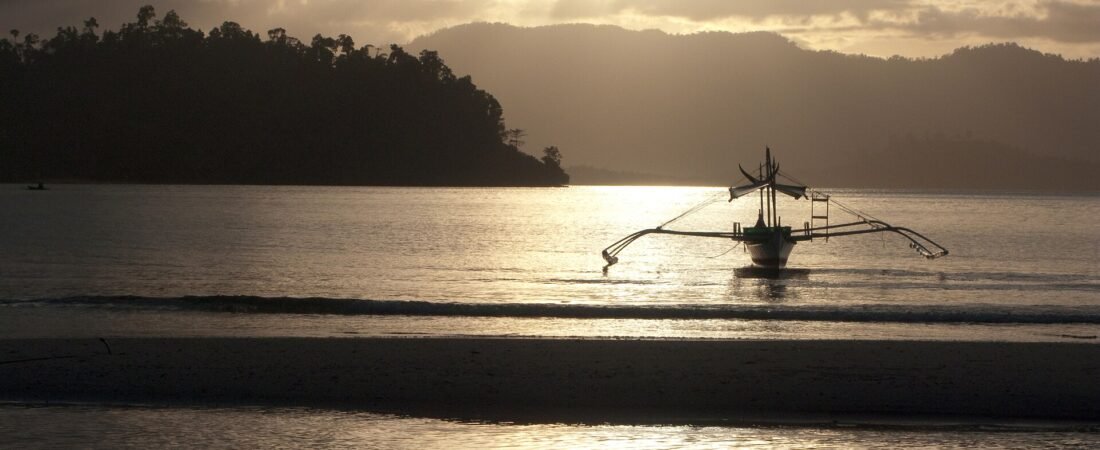
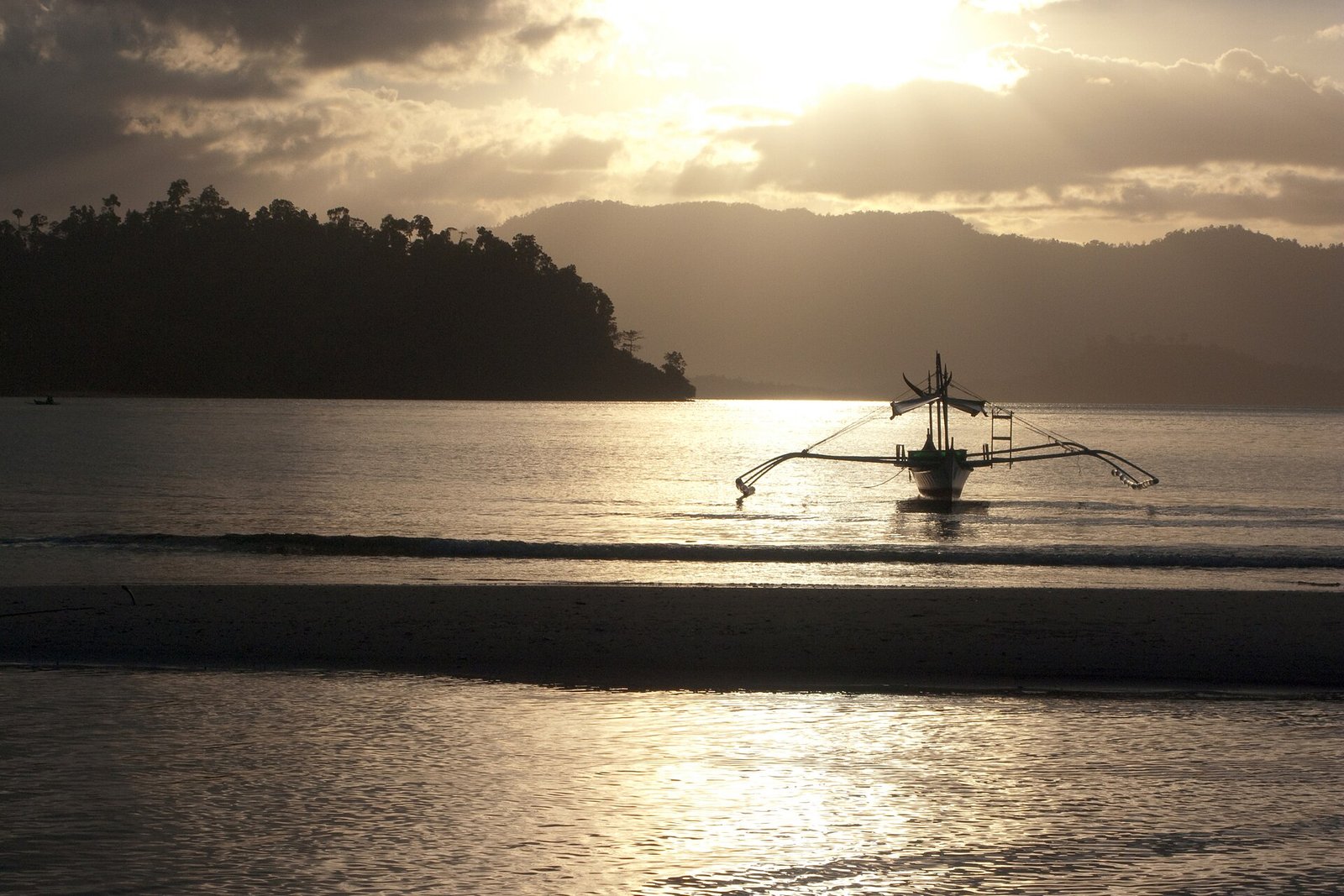
Photo: Port Barton Bay, Palawan, via Wikimedia Commons (CC BY 4.0).
Port Barton is the quiet, slow-paced alternative to El Nido on Palawan’s west coast: a sandy village bay with no big resorts, little traffic and calm island-hopping waters. This guide focuses on Port Barton specifically for couples and independent travellers who want two to four peaceful nights between Puerto Princesa and El Nido, with comfortable boutique stays rather than party hostels. It covers access, tours, where to stay and when to go.
Research-based guide · Updated October 2026. Prices and policies change, so verify directly with operators before booking.
Port Barton in one paragraph
Plan three nights, travel in the dry season from November to May, bring enough cash for your stay, and book a beachfront or island lodge in advance. Spend one day island hopping, one day on a waterfall walk or a beach day, and one day doing very little. Then continue north to El Nido or south to Puerto Princesa by road.
Why choose Port Barton?
Palawan is regularly named one of the world’s most beautiful islands, and El Nido and Coron draw most of the attention. That popularity brings crowded tour boats, busy streets and higher prices. Port Barton, a small fishing village in the municipality of San Vicente, offers a different pace. The main beach is lined with low-key restaurants and guesthouses, the bay is dotted with small islands, and evenings are about sunsets and fresh grilled fish rather than loud bars. It is not a luxury resort destination in the Maldives sense, but it has a growing number of stylish boutique lodges and private island stays that suit travellers who value calm over facilities. For an overview of the province, see our Palawan travel guide.
How to get to Port Barton
Most visitors arrive via Puerto Princesa International Airport, which has frequent flights from Manila and Cebu. From the airport, shared and private vans make the trip in about three to four hours. The last stretch is a winding road over the hills, so travellers who get car sick should sit near the front and take medication beforehand. A private van costs more but lets you leave when you like and stop for photos.
From El Nido, vans take about four hours. In the dry season, some operators also run boat transfers or multi-day island-hopping expeditions between El Nido and Port Barton, which turn the journey into part of the holiday. San Vicente has its own airport, but commercial schedules have changed often over the years, so check the latest timetable before relying on it.
| Route | Mode | Time | Best for |
|---|---|---|---|
| Puerto Princesa to Port Barton | Shared or private van | 3 to 4 hours | Most travellers |
| El Nido to Port Barton | Shared or private van | About 4 hours | Northbound or southbound loops |
| El Nido to Port Barton | Expedition boat (dry season) | 2 to 4 days with camps | Adventurous couples |
| Manila to San Vicente | Domestic flight (schedules vary) | About 1.5 hours plus road | Check current service |
Island hopping in Port Barton
Island hopping is the main activity, and it is very different from the busy tours in El Nido. Boats are smaller, sites are less crowded and the water inside the bay is usually calm. Standard day tours, often labelled as tours A and B by local operators, visit a mix of snorkelling spots and beaches. Popular stops include a turtle spot where green sea turtles graze on seagrass, a shallow reef nicknamed the aquarium, a starfish sandbar and white-sand islands such as German Island and Exotic Island, where lunch is usually grilled on the beach.
For a more comfortable day, book a private boat. It costs more than a shared tour but lets you start early, avoid other groups and spend longer at the spots you like. Ask for a boat with shade and life jackets in good condition, and bring a dry bag, reef-safe sunscreen and your own mask if you have one. Our El Nido island hopping guide explains the tour system used across northern Palawan.
Waterfalls, beaches and slow days on land
Pamuayan Falls is the easiest land excursion: a short ride and a gentle walk through farmland and forest to a pool where you can swim. Bigaho Falls is another option, reached by a mix of boat and walking. White Beach, a short walk or boat ride from the village, is quieter than the main beach and good for an afternoon swim.
About an hour north by road, San Vicente’s Long Beach stretches for roughly 14 kilometres, making it one of the longest white-sand beaches in the Philippines. There is very little development, so you can walk for long distances without seeing another person. It is a good half-day trip by private van or scooter.
If you have an extra day on your way to or from Puerto Princesa, consider the Puerto Princesa Subterranean River National Park, a UNESCO World Heritage Site with a navigable underground river. Permits are limited, so book through an accredited operator in advance.
Where to stay in Port Barton
Accommodation falls into three groups. In the village, you will find guesthouses and small boutique hotels on or near the main beach, within walking distance of restaurants. These are the most convenient, but the beachfront can be lively in the evening. Just outside the village, quiet cove lodges offer a handful of cottages on their own beach, reached by a short boat ride or walk. Finally, there are several island and eco lodges on islands in the bay, where you stay in simple but stylish cottages surrounded by palm trees and clear water.
For a premium experience, choose a cove or island lodge with a private bathroom, good mosquito nets or screens, a generator or solar backup, and transfers included. Rooms are generally comfortable rather than lavish, so manage expectations if you are coming from a five-star resort. Book early from December to April, when the best rooms sell out.
Best time to visit Port Barton
The dry season runs roughly from November to May, with the calmest seas and sunniest weather from about February to April. December and January can be breezy but are still pleasant. From about June to October, the southwest monsoon brings rain, rough seas and occasional typhoons, and some tours and boat transfers may be cancelled. Check forecasts from PAGASA, the Philippine weather agency, in the days before you travel. If you plan to continue to Coron, our Coron best time guide covers seasons in the north of the province.
Port Barton vs El Nido: which should you choose?
El Nido has the more dramatic limestone scenery, a wider choice of high-end resorts and more varied tours, including lagoons and kayaking. It also has more crowds, traffic and noise in town. Port Barton is gentler: lower hills, fewer boats, a smaller village and a strong sense of community. Many travellers now do both, spending two or three nights in Port Barton to slow down before the busier pace of El Nido. If you are torn between the main Palawan bases, read El Nido vs Coron and Palawan vs the Maldives.
Practical tips before you go
- Cash: card payments and ATMs are limited, so bring enough Philippine pesos for your stay, tours and transfers.
- Power and internet: electricity and mobile data can be patchy, especially on the islands. Bring a power bank and download maps and entertainment in advance.
- Environmental fee: visitors usually pay a small local environmental or tourism fee on arrival; keep the receipt.
- Health: use insect repellent at dawn and dusk, and carry basic medicines, as the nearest hospital is in Puerto Princesa.
- Respect the reef: do not stand on coral or touch turtles, and use reef-safe sunscreen.
- Entry rules: check current arrival requirements, including the eTravel form, on the official Philippine tourism site.
Port Barton rewards travellers who arrive with time and few expectations. Three nights is the sweet spot: long enough for one good island-hopping day, one land excursion and a lazy beach day, but short enough to keep your Palawan itinerary moving. If you enjoy its relaxed character, you might also like Siargao, another Philippine island with a strong village feel.
Sample three-night plan
Arrive from Puerto Princesa in the early afternoon and settle in with a swim and sunset drinks on the main beach. On day two, take a private island-hopping tour, starting early to reach the turtle spot before other boats. On day three, walk to Pamuayan Falls in the morning, then spend the afternoon at White Beach or your lodge. On day four, leave after breakfast for El Nido, arriving in time for sunset.
Food and evenings
Dining in Port Barton is casual and centred on the beach. Expect grilled fish and squid, adobo, fresh mango shakes and a few cafés serving good coffee and smoothie bowls, alongside wood-fired pizza and simple European dishes. Most restaurants set tables on the sand at sunset. Island lodges usually include breakfast and dinner, often served family-style. Bring a light jacket for boat rides after dark, and note that most places close early, so plan on a relaxed evening rather than nightlife.
Frequently Asked Questions
How many days do you need in Port Barton?
Two to three nights is ideal for most travellers. It gives you time for one island-hopping tour, a waterfall walk and a relaxed beach day without feeling rushed.
Is Port Barton better than El Nido?
It depends on your style. El Nido has more dramatic scenery and resorts, while Port Barton is quieter, smaller and less crowded. Many travellers visit both on the same trip.
Are there ATMs in Port Barton?
Banking facilities are very limited and card payments are not widely accepted. Bring enough cash from Puerto Princesa or El Nido for your whole stay.
When is the best time to visit Port Barton?
The dry season from November to May is best, with the calmest seas from about February to April. The southwest monsoon from June to October can bring rain and cancelled boat trips.
How do I get from Puerto Princesa to Port Barton?
Shared and private vans run from Puerto Princesa and take about three to four hours. A private van is more comfortable and flexible.