Raja Ampat Packing List 2026: Dive & Liveaboard
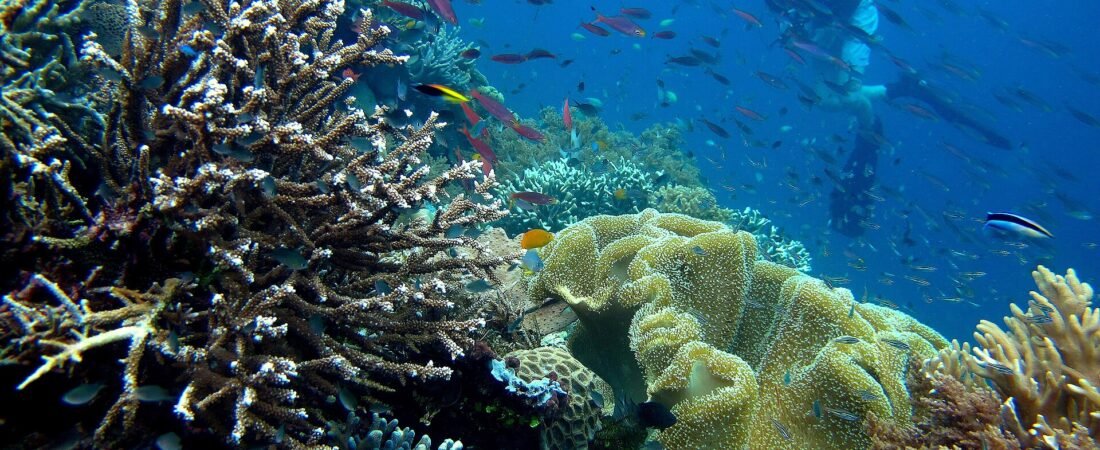
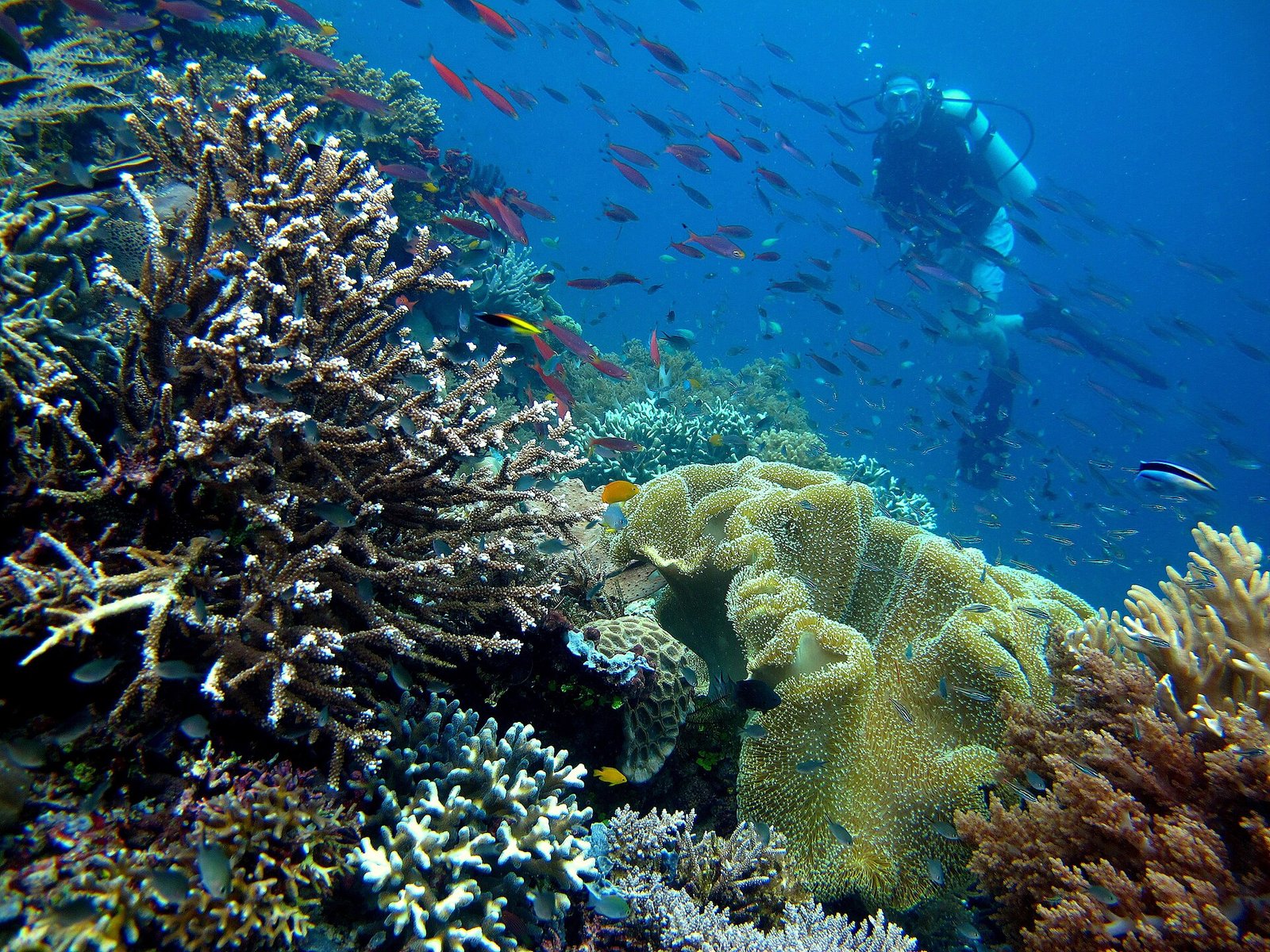
Packing checklist for Indonesia’s remote dive frontier. Photo: Rizalubun via Wikimedia Commons (CC BY-SA 4.0).

TL;DR: Pack light in a soft bag, bring your own mask, computer and reef-safe sunscreen, carry enough cash from Sorong, and prepare a health kit that covers seasickness, ears, cuts and mosquito protection. Remote resorts and liveaboards stock little, so anything you forget will be hard to replace.
Raja Ampat, off the western tip of Papua in eastern Indonesia, has some of the richest coral reefs on Earth. It is also remote. Most trips involve an international flight, one or two domestic connections to Sorong, and a boat to Waisai, a resort island or a liveaboard. Shops are scarce and deliveries slow, so what you pack is what you have.
This guide focuses on packing for Raja Ampat specifically for divers, snorkellers and liveaboard guests staying at high-end resorts or boats, where luggage limits are tight but comfort still matters. It turns lessons from the region into a practical checklist. For general trip planning, start with our Raja Ampat travel guide.
Luggage Strategy: Soft, Light and Split
Domestic flights into Sorong and onward boats both reward light packing. Many domestic Indonesian fares include a checked allowance of around 20 kg, sometimes less; extra dive weight is often charged per kilo. Liveaboards prefer soft, foldable bags because cabin storage is limited.
- Use a soft duffel or wheeled soft bag rather than a hard suitcase.
- Carry your mask, dive computer, medication and one change of clothes in your hand luggage in case checked bags are delayed.
- Pack valuables and electronics in a dry bag inside your luggage for wet boat transfers.
- Check your airline’s sports equipment allowance before you fly — some carriers offer extra dive-gear allowance if pre-booked.
What to keep handy on the journey
The route to Raja Ampat usually runs through Jakarta, Makassar or Manado before the final flight to Sorong, followed by a ferry or speedboat. That can mean more than 24 hours of travel from Europe or North America. Keep a small pouch with your passport, printed or offline booking confirmations, your resort or liveaboard contact number, some rupiah, a pen, earplugs, an eye mask and a refillable water bottle. A light scarf or sweater is useful for cold airport lounges and air-conditioned planes, and a few snacks help when connections run late. Plan at least one buffer night in Sorong or a transit city before a liveaboard departure: boats do not wait for delayed flights.
| Trip type | Bag style | Dive gear to bring | Laundry available? |
|---|---|---|---|
| Luxury dive resort | Soft wheeled bag | Personal kit; rent heavy gear | Usually, for a fee |
| Liveaboard (7–12 nights) | Soft duffel | Full personal kit including regulator | Limited or none |
| Snorkel-only resort stay | Small soft bag | Mask, snorkel, fins, rash guard | Usually |
| Homestay island-hopping | Backpack | Mask, snorkel, compact fins | Basic, by hand |
Dive and Snorkel Gear Checklist
- Mask and snorkel — a well-fitting mask is the single most important item; bring a spare strap.
- Dive computer — essential on multi-dive days; bring its charger or spare battery.
- Wetsuit — a 3 mm full suit suits most divers; water is warm, but repeated dives cool you down.
- Rash guard and leggings — sun and sting protection for snorkelling.
- Fins and booties — open-heel fins with booties help on rocky beach entries.
- Reef hook and SMB — Raja Ampat’s current-swept sites often call for a reef hook and a surface marker buoy.
- Underwater camera kit — with spare O-rings, silica gel and a cleaning kit.
- Save-a-dive kit — O-rings, a mouthpiece and cable ties for small repairs.
Photography extras
Raja Ampat is a dream for underwater photographers, from manta cleaning stations to soft-coral walls and tiny macro subjects. Beyond your housing, bring spare batteries, extra memory cards, a lens cloth, anti-fog for dome ports and a small toolkit. Pack a laptop or portable drive to back up images every evening — salt water and boat handling are hard on equipment. If you shoot with strobes, check whether your liveaboard has a dedicated camera table with charging stations; most high-end boats do, but space is shared.
Liveaboard-specific extras
- A small lockable pouch for passports and cash in your cabin.
- A few clothes pegs and a compact laundry line for drying swimwear.
- Motion-sickness bands as a medication-free backup.
- A headlamp with a red-light mode for night dives and dark decks.
- Earplugs for engine noise during overnight crossings.
Most luxury resorts and liveaboards rent tanks, weights, BCDs and regulators. If you dive often, bring your own regulator and BCD for comfort, but check the extra weight against your airline allowance. Our Raja Ampat liveaboards guide and luxury dive resorts list detail what each operator provides.
Health, Safety and Insurance
Raja Ampat is far from major hospitals, so prepare a solid personal health kit and the right insurance.
- Seasickness medication for boat transfers and liveaboard crossings.
- Ear drops and decongestant for multiple daily dives (consult your doctor about suitability).
- Antiseptic, plasters, blister care and a coral-cut kit.
- Strong insect repellent and long, light layers for dusk.
- Rehydration salts and any personal prescriptions in original packaging.
Eastern Indonesia, including parts of Papua, has a malaria risk. Talk to a travel-health clinic well before departure and review the CDC Indonesia traveller health page. Divers should carry specialist dive insurance that covers evacuation and hyperbaric treatment, for example through Divers Alert Network.
Clothing, Sun Protection and Respectful Dress
- Two or three swimsuits so one is always dry.
- Quick-dry shorts and T-shirts, plus a lightweight long-sleeve shirt for sun and mosquitoes.
- A warm layer or windbreaker for evening boat rides and air-conditioned cabins.
- A wide-brimmed hat and polarised sunglasses.
- Reef-safe, mineral sunscreen — Raja Ampat protects its reefs, and chemical filters can harm coral.
- Modest clothing for village visits: cover shoulders and knees.
- Sandals or reef shoes; few places require proper shoes.
Leave behind bulky beach towels (resorts and boats provide them), hair dryers, formal wear and anything you would be upset to lose to salt water.
Responsible travel essentials
Raja Ampat’s reefs and communities depend on visitors treading lightly. Bring a refillable bottle — most resorts and boats provide filtered water — and a reusable shopping bag for village purchases. Take your plastic packaging home with you, as waste management on small islands is limited. Never touch or stand on coral, and keep your fins and gauges tidy to avoid accidental contact. When visiting villages, ask before photographing people and consider buying local handicrafts or paying for guided forest walks, which help support community livelihoods.
Money, Permits and Tech
ATMs are available in Sorong and Waisai, but can be unreliable or run out of cash, and there are few options once you reach the islands. Bring enough Indonesian rupiah for tips, village visits and small purchases. Many resorts and liveaboards accept card payment for final bills, sometimes with a surcharge, but confirm in advance.
All visitors need a Raja Ampat marine park entry permit. Fees and payment methods change, so ask your resort or liveaboard how they handle it — many arrange it for you. For current national travel rules, see Indonesia Travel.
- Universal adapter: Indonesia uses 230 V with type C and F plugs.
- Power bank and spare camera batteries — charging points can be limited on boats.
- Offline maps, entertainment and dive logs; internet is slow or absent in many areas.
- Waterproof phone pouch for boat rides.
Timing matters too: some seasons bring rougher crossings in the south of the region. Check our best time to visit Raja Ampat guide and the Misool guide if you are heading south. For a general luxury checklist covering the wider region, see our Southeast Asia luxury packing list.
Frequently Asked Questions
What should I pack for a Raja Ampat liveaboard?
A soft duffel with your mask, computer, wetsuit, reef hook, SMB, seasickness tablets, reef-safe sunscreen, a warm layer and enough cash for tips. Most boats provide tanks, weights and towels.
Do I need to bring my own dive gear to Raja Ampat?
Not necessarily. Most resorts and liveaboards rent full kits, but bringing your own mask, computer and wetsuit improves comfort and safety.
Are there ATMs in Raja Ampat?
There are ATMs in Sorong and Waisai, but they can be unreliable. Bring enough Indonesian rupiah before heading to the islands.
Is there malaria in Raja Ampat?
Parts of Papua carry a malaria risk. Consult a travel-health clinic before your trip and use strong mosquito protection.
What wetsuit thickness is best for Raja Ampat?
A 3 mm full wetsuit suits most divers. Those who feel the cold or plan many dives per day may prefer slightly thicker.
Key Takeaways
- Use a soft bag and keep total checked weight around domestic limits.
- Carry mask, computer and medication in hand luggage.
- Bring a reef hook and SMB for current-swept dive sites.
- Pack reef-safe sunscreen and long, light layers.
- Withdraw cash in Sorong — island ATMs are scarce.
- Buy dive insurance that covers evacuation and hyperbaric care.
Final Verdict
Raja Ampat rewards preparation. Pack light but deliberately: prioritise the dive and snorkel gear that keeps you comfortable underwater, a health kit for remote conditions, enough cash and the right insurance. Everything else — towels, tanks, heavy gear — is usually provided by good resorts and liveaboards. Get the essentials right, and you can focus on what you came for: the most spectacular reefs in the world.
Before you zip the bag, run one final check: passport with at least six months’ validity, dive certification card and logbook, insurance details saved offline, prescriptions, mask and computer in hand luggage, and enough cash for the first few days. If those are covered, almost anything else can be borrowed, rented or simply done without. Raja Ampat is a place where less really is more, and travelling lighter makes every boat transfer, island walk and liveaboard cabin easier to enjoy.
About the Author
This guide was researched by the LuxStay editorial team — curating luxury island and Southeast Asia stays, updated regularly with on-the-ground verification.