Similan vs Surin Islands 2026
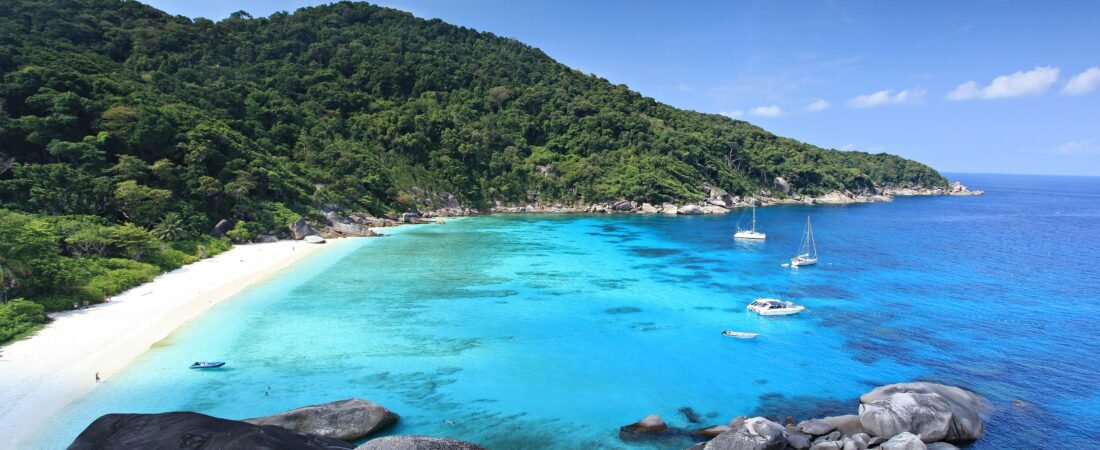
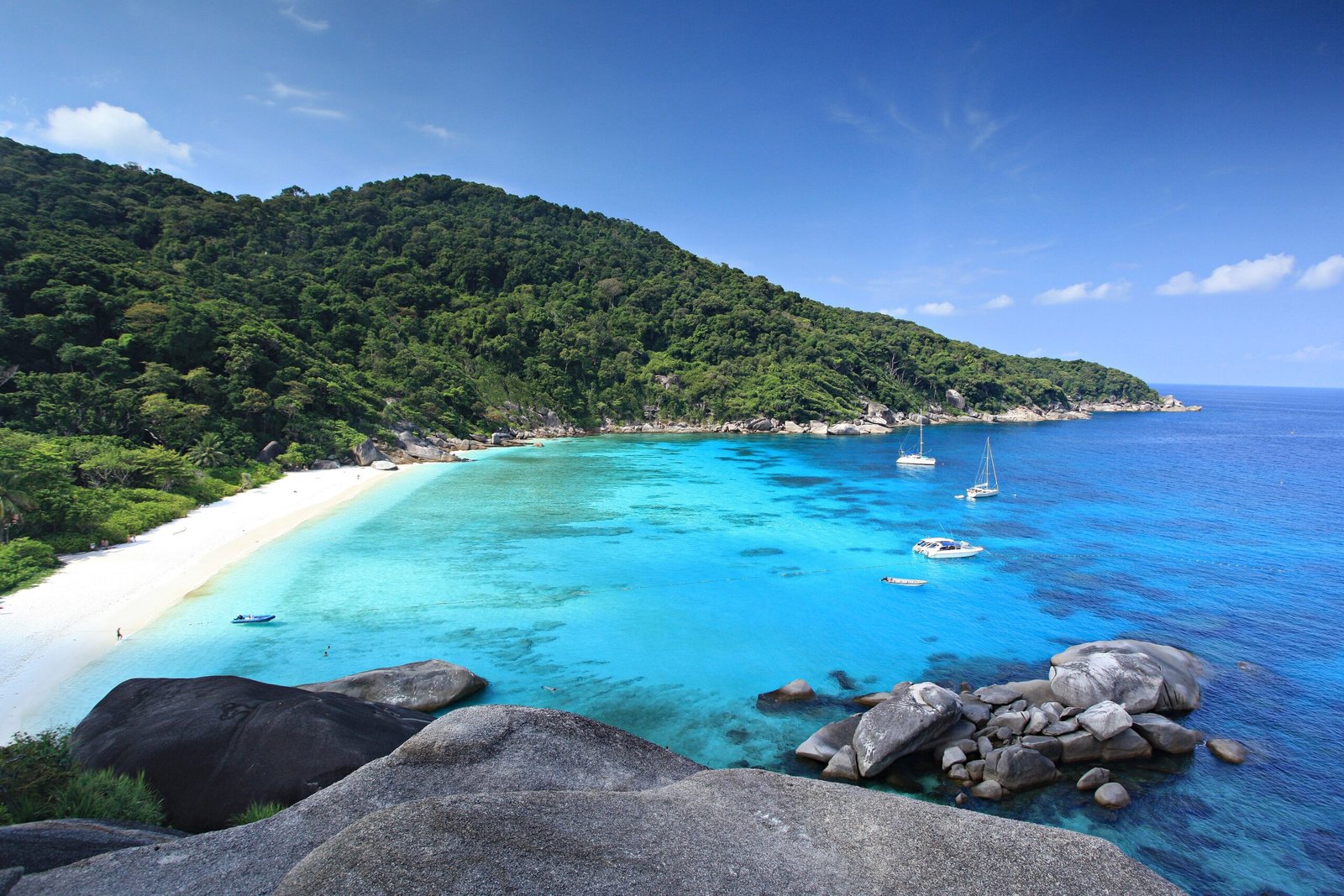
Mu Ko Similan National Park, Phang Nga. Photo: Kosin Sukhum, CC BY-SA 4.0, via Wikimedia Commons.
The Similan and Surin Islands are Thailand’s two great Andaman Sea marine parks, both reached from the coast north of Phuket and both open only for part of the year. They are often mentioned in the same breath, but they deliver different experiences. This comparison focuses on choosing between Similan and Surin specifically for travellers basing themselves in Khao Lak or Phuket with only one or two days to spend on a marine park, whether you dive, snorkel or simply want the most beautiful day at sea.
We look at scenery, underwater life, access, crowds, overnight options and the realities of national park seasons, then give a simple verdict for each type of traveller. If diving is your main focus, our Similan dive resorts guide covers where to base yourself.
The unique angle: decide by your day, not by reputation
Both parks are world-class. The better choice depends on whether you want granite drama and dive variety (Similan), or a quieter, more cultural day with shallow reefs and the chance to learn about the Moken people (Surin). Your pier, your group and your comfort with long boat rides matter as much as the islands themselves.
Similan vs Surin at a Glance
| Factor | Similan Islands | Surin Islands |
|---|---|---|
| Main departure pier | Thap Lamu, near Khao Lak | Khuraburi, north of Khao Lak |
| Speedboat time (approx.) | About 1 to 1.5 hours | About 1 to 1.5 hours |
| Signature scenery | Giant granite boulders, white sand coves | Forested islands, sheltered bays, fringing reefs |
| Best for | Diving variety, iconic viewpoints | Snorkelling, quieter atmosphere, Moken culture |
| Famous dive site | Elephant Head Rock, Christmas Point | Richelieu Rock |
| Crowds on day trips | Higher, with a daily visitor cap | Generally lower |
| Overnight on the islands | Restricted; liveaboards are the main option | Park accommodation has historically been available |
Scenery and Beaches
The Similans are defined by granite. Huge rounded boulders tumble into the sea, creating the famous Sail Rock viewpoint on Koh Similan (Island 8), where a short scramble leads to a view over Donald Duck Bay. The beaches are powdery white and the water is often extraordinarily clear. It is the more dramatic and photogenic of the two parks, and it shows in the number of day-trip boats.
Surin feels softer and greener. The two main islands, Koh Surin Nuea and Koh Surin Tai, are covered in forest and separated by a narrow channel with shallow reef. Bays like Mai Ngam and Chong Khad are calm and sheltered, ideal for gentle swimming. There are fewer viewpoints of the Sail Rock kind, but there is a stronger sense of being somewhere remote and unhurried.
Underwater: Diving and Snorkelling
Similan
The Similans offer a broad menu of dive sites. On the west sides of the islands, granite boulders create swim-throughs, arches and canyons, while the east sides tend to have gentler sloping reefs. Sites such as Elephant Head Rock and Christmas Point are classics. Nearby Koh Bon is known for manta ray sightings in season. Snorkelling is good at several bays, with clear water and plenty of reef fish, though some shallow coral has been affected by bleaching events.
Surin
Surin has long been considered one of Thailand’s best snorkelling destinations, with fringing reefs close to the beaches. Like many reefs in the region, parts of Surin were damaged by coral bleaching in the past, and recovery varies between sites. For divers, the jewel is Richelieu Rock, a submerged pinnacle within the Surin park area that is famous for its density of marine life and occasional whale shark sightings. Richelieu is usually visited on liveaboards or dedicated dive day trips rather than snorkelling tours.
If you want to explore beyond Thai waters, our Mergui Archipelago liveaboards guide covers the next frontier north, and our Koh Tao diving guide is better for learning to dive in the Gulf of Thailand.
Access, Seasons and Park Rules
Both parks are managed by Thailand’s Department of National Parks, Wildlife and Plant Conservation. They typically open from around mid-October and close around mid-May, shutting during the southwest monsoon when seas are rough and to allow reefs to rest. The exact dates are announced each year, and short-notice closures can happen for weather or conservation reasons.
The Similans have operated with a daily visitor quota, and some islands or sites may be closed to tourists for conservation. Overnight stays on the Similan islands themselves have been restricted, so most visitors come on day trips or liveaboards. Surin has historically allowed overnight stays at park campsites and simple bungalows, subject to availability and the season. Foreign visitors pay national park entrance fees, which are usually added to tour prices or collected separately; confirm what your package includes.
Weather and sea conditions are best checked with the Thai Meteorological Department and your operator, as speedboat crossings can be uncomfortable when wind picks up. The Tourism Authority of Thailand is useful for general planning. For timing specific to the northern park, see our best time to visit Surin guide.
Culture: The Moken of Surin
One thing Surin offers that Similan does not is a cultural dimension. The Moken, sometimes called sea nomads, have a long history in the Andaman Sea, and a Moken community lives on Koh Surin Tai. Some tours include a visit to the village, where you can learn about traditional boat building and life at sea.
If you visit, do so respectfully. Follow your guide’s lead, ask before taking photographs, and consider buying handicrafts directly from community members. The visit should feel like a meeting, not a show. For many travellers this becomes the most meaningful part of a Surin trip.
Crowds, Comfort and Cost
The Similans are the more popular park, and on peak-season days the best beaches and Sail Rock can feel busy, especially around midday when most speedboats arrive. Choosing an operator that departs early or follows a reverse route can make a big difference. Premium small-group tours with fewer passengers cost more but deliver a calmer day.
Surin generally sees fewer visitors, partly because Khuraburi pier is farther from the main hotel areas around Khao Lak and Phuket. That extra transfer time is the main trade-off. If you are staying in northern Khao Lak or near Khuraburi, Surin becomes much easier.
Costs are broadly similar for day trips, with price differences driven more by boat size, group size and inclusions than by the park itself. Liveaboards are a bigger investment but give you the best of both parks plus remote sites that day trips cannot reach.
What a typical day trip looks like
Similan day trip. Hotel pickup in Khao Lak around 7:00, speedboat from Thap Lamu shortly after 8:00, and a first snorkelling stop before 10:00. Most tours then visit two or three more snorkelling spots, stop at Koh Similan for lunch and the walk to Sail Rock, and finish with a beach stop on Koh Miang or a nearby island before heading back mid-afternoon. You are usually back at your hotel by around 17:00 or 18:00.
Surin day trip. The pickup is often earlier because of the longer drive to Khuraburi. After the crossing, tours typically include several snorkelling stops around the two main islands, lunch at the park headquarters area, and, on many itineraries, a visit to the Moken village. The pace is usually a little slower, with more time in the water and less time on crowded beaches.
On either trip, sit near the back of the speedboat if you are prone to seasickness, take motion-sickness tablets before departure if needed, and bring a dry bag, reef-safe sunscreen and a light cover-up for the boat ride.
Verdict: Which Should You Choose?
- Choose Similan if you want the iconic Andaman scenery, the widest range of dive sites, and you are staying in Khao Lak near Thap Lamu.
- Choose Surin if you prefer snorkelling in quieter bays, want to meet the Moken community, or would like to stay overnight in a national park setting.
- Choose a liveaboard if you are a certified diver who wants the Similans, Koh Bon, Koh Tachai and Richelieu Rock in one trip.
- Do both if you have four or more days in Khao Lak: one day for each park with a rest day in between.
For a comfortable base between trips, browse our Khao Lak luxury resorts guide, or if you are celebrating, our Khao Lak honeymoon guide shows how to fit a marine park day into a romantic itinerary.
Frequently Asked Questions
Which is better for diving, Similan or Surin?
For most divers, the Similan Islands offer more variety, with granite boulder sites, swim-throughs and a wide range of dive sites. Surin’s big draw for divers is Richelieu Rock, one of Thailand’s most famous sites, which many liveaboards combine with the Similans on the same trip.
Which is better for snorkelling?
Both offer good snorkelling. Surin has historically been known as a snorkelling destination with shallow fringing reefs, while the Similans offer clear water and dramatic boulder scenery. Reef condition varies with bleaching events, so ask operators about current conditions.
When are the Similan and Surin Islands open?
Both national parks are usually open from around mid-October to mid-May and closed during the southwest monsoon. Exact opening and closing dates are announced by Thailand’s Department of National Parks each year.
Can you stay overnight in the Similan or Surin Islands?
Overnight stays on the Similan islands themselves have been restricted in recent years, so most visitors come on day trips or liveaboards. Surin has historically offered park camping and simple bungalows. Check the national park’s current rules before planning an overnight trip.
Can you visit both Similan and Surin on one trip?
Yes. Liveaboard dive trips from Khao Lak or Phuket often combine the Similans with Koh Bon, Koh Tachai and Richelieu Rock. For non-divers, base yourself in Khao Lak and take separate day trips to each park.
Hero photo: Kosin Sukhum (CC BY-SA 4.0) via Wikimedia Commons. Research-based guide; verify prices, schedules and policies with official sources before booking.