Top 5 Overwater Villas in Bora Bora for 2026
Comparing Bora Bora’s five most-booked overwater lagoon resorts
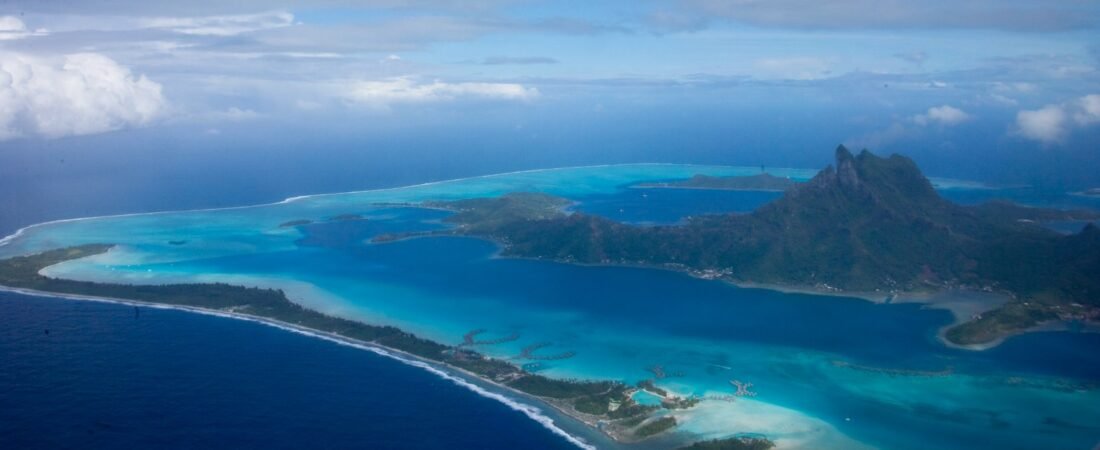
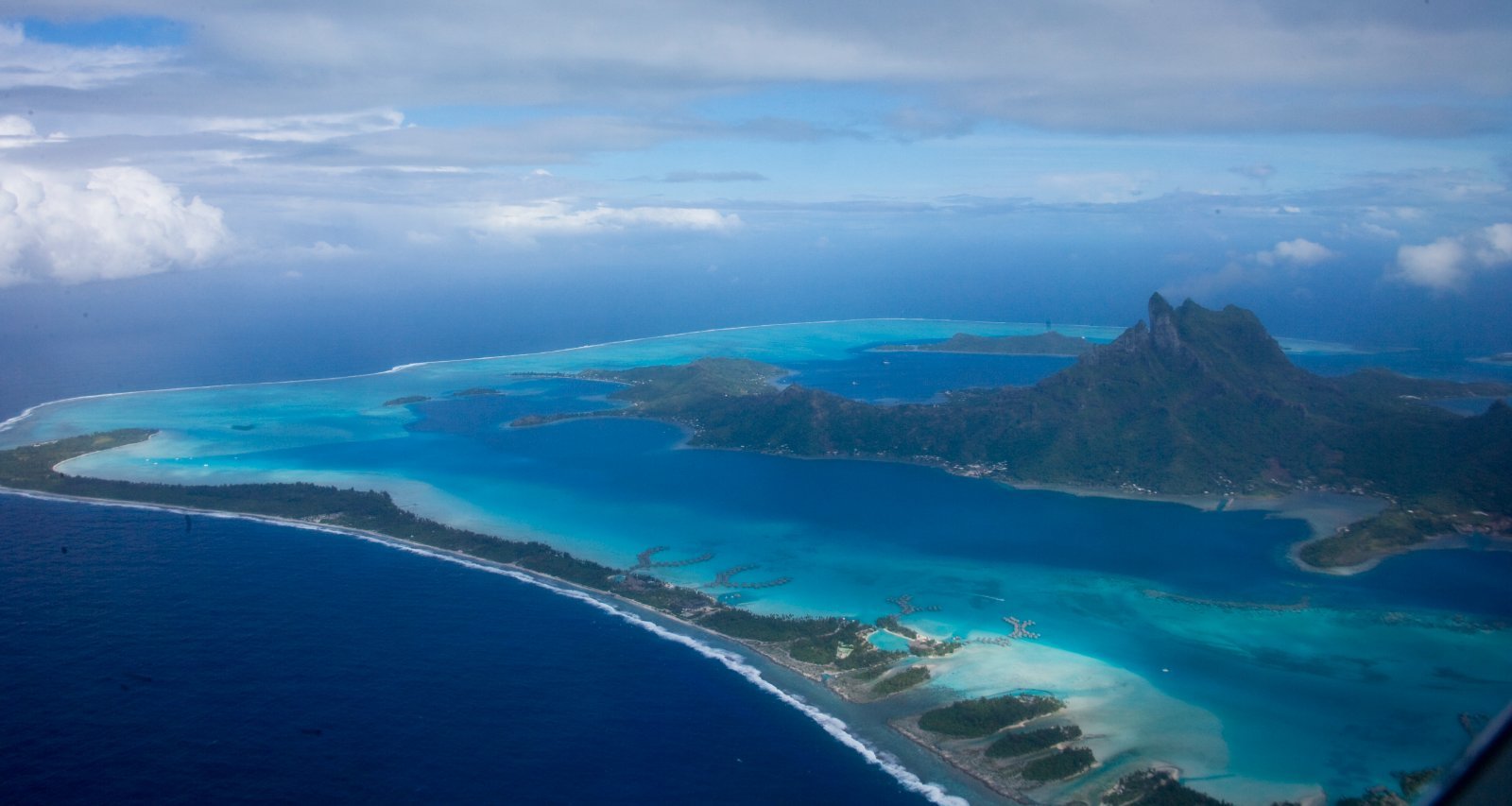
This guide focuses on overwater villas specifically for travelers comparing Bora Bora’s five best-known lagoon properties before booking a honeymoon, anniversary, or milestone trip. Bora Bora’s lagoon, ringed by a barrier reef and the extinct volcanic peaks of Mount Otemanu and Mount Pahia, is the reason the overwater bungalow became a category of its own in the 1960s, and in 2026 the island still sets the benchmark that Maldives and Caribbean resorts are measured against.
Unlike many newer overwater properties built on man-made lagoons, Bora Bora’s villas sit inside a natural coral lagoon protected by an outer barrier reef, so the water is calm, shallow, and unusually clear for most of the year. Glass floor panels, private lagoon ladders, and direct views of Mount Otemanu are standard here rather than upgrades. The tradeoff is cost and distance: most travelers connect through Tahiti’s Faa’a International Airport and take a short domestic flight or a private boat transfer to the resort, which adds a travel day that Maldives-bound guests usually skip. Reef health also varies by property and season; agencies such as NOAA Coral Reef Watch track Pacific-wide bleaching conditions that can affect visibility for snorkeling directly off the villa deck. Before comparing individual resorts, it helps to know that villa square footage, lagoon depth, and proximity to the reef vary a lot between properties on the same island, which is why two “overwater villas in Bora Bora” can feel like very different trips.
Booking windows matter more in Bora Bora than in many other luxury destinations: peak overwater villa inventory for the June-through-September dry season is often sold out six to nine months ahead, particularly for honeymoon-friendly categories with the best sunset exposure toward Mount Otemanu. Shoulder-season stays in April, May, October, and November can bring meaningfully lower rates and more villa availability at the same five properties, at the cost of a slightly higher chance of a passing tropical shower.
1. Conrad Bora Bora Nui: Deepest Lagoon Setting
Conrad Bora Bora Nui, formerly operated as the Hilton Bora Bora Nui, sits on Motu Toopua across the lagoon from the main island, which gives its overwater villas an open, deep-water setting with some of the best sunset views of Mount Otemanu on the island. The resort’s Otemanu and Deep Ocean villa categories include glass floor panels and private sundecks with direct lagoon access, and the property runs its own fleet of boats to shuttle guests to the mainland, restaurants, and the airport. Because the villas face open lagoon water rather than a sheltered cove, swimming conditions can be slightly choppier here than at some neighboring properties, which is worth weighing if calm, glassy water is the priority. The resort’s overwater restaurant, built out on its own pontoon, is worth booking early for a sunset table since it seats a limited number of guests per evening.
2. InterContinental Bora Bora Resort Thalasso Spa
Built on its own motu at the edge of the barrier reef, this resort pairs overwater villas with an onsite thalassotherapy spa that draws seawater from the surrounding lagoon for its treatments, a genuine point of difference from resorts that only offer a standard spa menu. The setting is more exposed to open-ocean swell than lagoon-facing properties, which rewards guests with dramatic reef views but means the water directly under some villas is deeper and less calm for casual swimming than at more sheltered resorts. Overwater villas here tend to book up first for guests specifically prioritizing spa access alongside the standard lagoon views.
3. Four Seasons Resort Bora Bora: Best for Families
Four Seasons Resort Bora Bora occupies a long motu with a shallow, swimmable lagoon frontage that makes it one of the more family-practical overwater options on the island, alongside its adults-leaning spa and dining program for couples traveling without children. Two-bedroom and beachfront overwater configurations are available, which is unusual on an island where most rooms are built for two. The resort also runs a Kids for All Seasons program and a private lagoon sanctuary for rays and reef fish, both of which are less common at Bora Bora’s more couples-focused properties.
4. The St. Regis Bora Bora Resort: Largest Villas
The St. Regis Bora Bora Resort is known for having some of the largest overwater villa footprints on the island, including multi-room villas with private plunge pools in addition to lagoon access, plus a private lagoonarium for snorkeling with rays and reef fish. Villa count is also small at every property on this list compared with mainland resorts elsewhere in the Pacific, so total room inventory across all five resorts combined is well under a thousand keys, which is part of why last-minute availability during the dry season is rare. It sits on its own peninsula-motu with views toward both Mount Otemanu and the open Pacific, and butler service is included across every villa category, which is a differentiator from resorts that reserve butlers for top-tier suites only.
5. The Brando, Tetiaroa: The Private-Island Alternative
The Brando is not technically on Bora Bora; it occupies the private atoll of Tetiaroa, roughly a 20-minute flight from Tahiti and a separate trip from Bora Bora itself. It is included here because travelers planning an overwater villa trip in French Polynesia routinely compare the two, and The Brando’s beachfront villas, rather than classic over-lagoon villas, offer a quieter, more ecology-focused alternative to Bora Bora’s larger resorts, running largely on solar power alongside its own onsite research station that studies coral resilience and supports scientific fieldwork on the atoll. Guests who want the French Polynesia lagoon experience with a smaller footprint and a stronger conservation focus often shortlist it alongside, rather than instead of, a true Bora Bora stay.
How the Five Compare
| Resort | Lagoon Setting | Villa Highlight | Best For |
|---|---|---|---|
| Conrad Bora Bora Nui | Deep lagoon, open sunset views | Otemanu and Deep Ocean villas | Sunset photography, honeymoons |
| InterContinental Thalasso Spa | Reef-edge, deeper water | Onsite thalasso spa | Spa-focused couples |
| Four Seasons Resort Bora Bora | Shallow, swimmable lagoon | Two-bedroom overwater options | Families and small groups |
| The St. Regis Bora Bora | Peninsula-motu, dual views | Villas with private plunge pools | Longer stays, larger villas |
| The Brando, Tetiaroa | Separate atoll, beachfront | Beachfront rather than overwater | Privacy and eco-focused travel |
Planning the Trip
Most itineraries fly into Tahiti and connect onward via Air Tahiti or a resort boat transfer; build in at least one buffer night in Papeete if your international flight lands late, since missed connections to the outer islands are common during peak season. According to Tahiti Tourisme, the official tourism board for French Polynesia, the dry season from roughly May to October generally brings the calmest lagoon conditions and the clearest visibility for snorkeling directly off the villa deck, while the wetter months from November to April can bring short, heavy downpours and higher humidity. Travel insurance with trip-interruption coverage is worth the added cost given how dependent French Polynesia itineraries are on a single daily domestic flight; a missed connection in Papeete can cost a full day of an already short trip.
For travelers weighing Bora Bora against other overwater destinations, it is worth comparing against the Maldives overwater bungalow scene and against family-friendly Maldives resorts, since flight time, villa footprint, and typical nightly rates differ significantly between the two regions. Divers and snorkelers researching a broader Pacific and Southeast Asia itinerary may also want our roundup of private-island resorts in Southeast Asia, and honeymooners comparing island regions on a different budget and climate can check our Greek island honeymoon guide for contrast.
Booking tips for 2026
Work with a Tahiti-specialist travel advisor if this is a first visit; French Polynesia’s inter-island flight schedule is limited compared with the Maldives’ seaplane network, and advisors can bundle Air Tahiti tickets with resort transfers more reliably than booking each leg separately. Overwater villa categories at all five resorts above tend to release the following year’s dry-season inventory in the preceding autumn, so travelers targeting a specific month should start planning at least eight months out.
Whichever property you choose, confirm the exact villa category, lagoon depth, and cancellation policy directly with the resort before paying a deposit, since overwater villa photography on booking sites does not always distinguish between deep-lagoon and shallow-lagoon placements within the same resort.
Frequently Asked Questions
Do all Bora Bora resorts have overwater villas?
No. Some properties, including The Brando on nearby Tetiaroa, are beachfront-only. Always check the specific room category before booking, since “resort” and “villa type” are not the same thing.
What does an overwater villa in Bora Bora typically cost?
Rates vary widely by season and villa category; entry-level overwater villas generally start in the high hundreds of US dollars per night, while multi-room villas at properties like The St. Regis can run several times that. Always confirm current rates directly with the resort or a Tahiti-specialist travel agent, since French Polynesia pricing changes seasonally.
Is Bora Bora only for honeymooners?
Most marketing targets couples, but Four Seasons Resort Bora Bora and a handful of other properties offer two-bedroom overwater or beachfront configurations that work for families or two couples traveling together.
How do you get to Bora Bora from the US or Asia?
Most travelers fly into Tahiti via Los Angeles, Auckland, or Tokyo, then take a roughly 50-minute Air Tahiti flight to Bora Bora’s airport on Motu Mute, followed by a boat transfer arranged by the resort.
When is the best time to visit for calm water?
The dry season, roughly May through October, tends to bring calmer lagoon conditions and better underwater visibility than the wetter, more humid months from November to April.