Which Canary Island Is Best for Luxury in 2026?
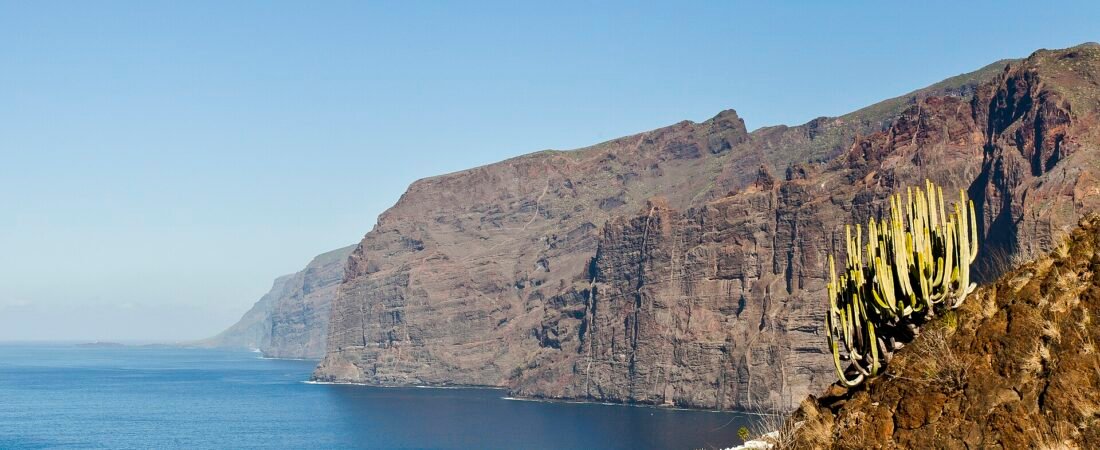
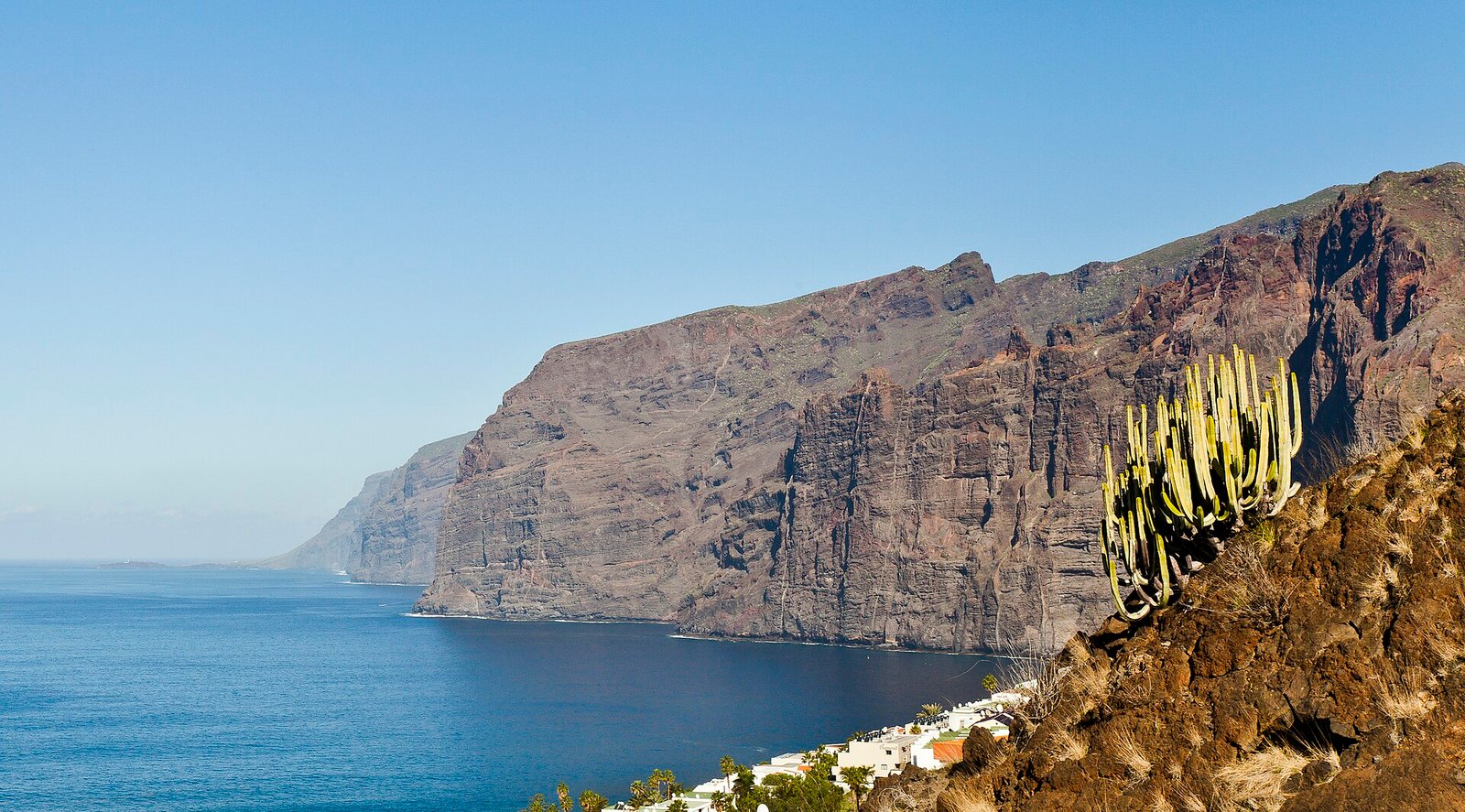
Illustrative photograph of the Los Gigantes cliffs, Tenerife. Not a photograph of the hotels compared below.
The Canary Islands are Europe’s most reliable year-round sun destination, but each island has a very different personality. Tenerife offers big-name resorts and a volcanic national park; Lanzarote is an artistic, lava-sculpted landscape; Gran Canaria mixes golden dunes with a lively city; and the smaller islands deliver peace, forests and stargazing.
This comparison focuses on the Canary Islands specifically for travelers seeking winter sun with five-star comfort, especially couples and families flying from Europe who need to choose one island, or a smart two-island combination, for a luxury stay.
The short answer
- Best all-round luxury: Tenerife
- Best for design and couples: Lanzarote
- Best for beaches plus city life: Gran Canaria
- Best for nature and quiet: La Gomera or La Palma
Canary Islands luxury comparison at a glance
| Island | Luxury hotel choice | Landscape | Best for |
|---|---|---|---|
| Tenerife | Widest range of five-star resorts | Volcanic peaks, cliffs, black and golden beaches | Families, first-timers, all-round luxury |
| Lanzarote | Smaller, design-led selection | Lava fields, vineyards, white villages | Couples, architecture and wine lovers |
| Gran Canaria | Strong resort cluster in the south | Dunes, mountains, lively capital | Beach lovers who also want a city |
| Fuerteventura | Limited but growing | Vast beaches and wind-swept plains | Kitesurfers and beach walkers |
| La Gomera & La Palma | Few upscale hotels | Laurel forests and dark skies | Hikers, stargazers and total calm |
Water temperatures are broadly similar across the archipelago, and all islands enjoy a mild climate. The real differences are in scenery, hotel choice and atmosphere, which is why picking the right island matters more than picking the right month.
One honest caveat: the Canaries sit in the Atlantic, so sea temperatures are cooler than in tropical island destinations, particularly from January to April. Most luxury resorts compensate with heated pools, thalassotherapy spas and sheltered lagoon-style bathing areas, but swimmers who want bathwater-warm seas in winter should factor this in when comparing the islands with destinations such as the Maldives or the Caribbean. For a broader view of romantic options, our luxury honeymoon destinations guide covers warmer alternatives.
Tenerife: the most choice for luxury
Tenerife has the deepest bench of five-star resorts, concentrated on the sunny southwest coast around Costa Adeje and Guía de Isora. Landmarks include The Ritz-Carlton, Abama, a sprawling clifftop resort with its own beach and multiple restaurants, and the Royal Hideaway Corales resort in La Caleta, known for its contemporary design. The Bahía del Duque resort offers a grand, village-style layout close to Costa Adeje’s promenade.
Beyond the resorts, Tenerife is home to Mount Teide, Spain’s highest peak, inside Teide National Park. Couples can take a cable car toward the summit or book a stargazing experience, while families enjoy whale and dolphin watching off the southwest coast. Check the Ritz-Carlton website and other brand sites for current packages.
Tenerife also has two distinct faces. The dry, sunny south is where most luxury resorts sit, while the greener north around Puerto de la Cruz and La Orotava offers historic towns, botanical gardens and a more local atmosphere. A day trip across the island shows both sides, and many travelers are surprised by how quickly the scenery changes from desert-like coast to pine forest and lunar volcanic plains above the clouds.
Choose Tenerife if you want a wide range of luxury hotels, varied day trips and easy flight connections through its two airports.
Lanzarote: design, wine and volcanic drama
Lanzarote’s appeal lies in its landscape and aesthetics. The artist and architect César Manrique shaped much of the island’s low-rise, white-and-green style, and his works, from lava-tube cave venues to cliffside viewpoints, remain major highlights. Timanfaya National Park preserves a surreal volcanic landscape, and the La Geria wine region grows vines in sheltered black-ash hollows.
Luxury here is more boutique than big-brand. Princesa Yaiza in Playa Blanca is a well-known resort option near the Papagayo beaches, while rural fincas and eco-luxury villas offer privacy and design flair. The island is compact, so a single base works for most trips. Within an hour you can drive from the lava fields of the south to the cliffs of the north, stopping for a winery lunch on the way. Because development is kept low-rise, even the busier resort areas feel calmer than their equivalents on the larger islands, and the evening light over the volcanic cones is spectacular.
Choose Lanzarote if you are a couple who values architecture, food and wine, and a calmer atmosphere over large resort facilities.
Gran Canaria: dunes, golf and a real city
Gran Canaria is often called a miniature continent because of its varied terrain, from the Maspalomas dunes in the south to pine-covered mountains around Roque Nublo in the center. Most luxury hotels cluster around Maspalomas and Meloneras, including the Seaside Grand Hotel Residencia, a secluded garden hotel near the dunes, and the Lopesan Villa del Conde, styled like a Canarian village.
The capital, Las Palmas, adds something the other islands lack: a genuine city with museums, a historic quarter and the long urban beach of Las Canteras. Its restaurants, markets and year-round cultural calendar give evenings more variety than a resort strip can offer. That mix makes Gran Canaria a strong pick for travelers who want resort time and urban culture in one trip.
Choose Gran Canaria if you want golden-sand beaches, golf and easy access to city life.
Fuerteventura and the quieter western islands
Fuerteventura is the beach island, with vast stretches of pale sand, dunes near Corralejo and some of Europe’s best conditions for windsurfing and kitesurfing. Luxury hotel choice is more limited than on Tenerife or Gran Canaria, so it suits active travelers more than those seeking a long list of five-star resorts.
La Gomera and La Palma are the choices for peace. La Gomera’s Garajonay National Park protects ancient laurel forest, and a handful of refined hotels offer calm, green retreats. La Palma is famous for its dark skies and astronomical observatories. Accommodation on these islands leans toward restored manor houses, rural hotels and small boutique properties rather than large five-star resorts, so set expectations accordingly: the luxury is in the silence, the views and the hiking trails right outside the door. Both are ideal as a two- or three-night add-on to a larger island, reached by ferry or short flight.
Which island fits your travel style?
If the comparison table still leaves you undecided, start with who is traveling and what a perfect day looks like. The islands overlap in climate, but they diverge sharply in atmosphere.
- Families with young children: Tenerife is usually easiest. Large resorts offer kids’ clubs, multiple pools and family suites, and the southwest coast has calm, sheltered bays plus boat trips to see pilot whales and dolphins. Gran Canaria’s Meloneras area is a good alternative.
- Honeymooners and couples: Lanzarote’s boutique hotels, vineyard lunches and dramatic volcanic scenery create a more intimate mood. Couples who prefer full-service luxury with several restaurants on site may still lean toward Tenerife.
- Active travelers: Fuerteventura for wind and water sports, Tenerife and La Palma for serious hiking, and Gran Canaria for road cycling in the mountainous interior.
- Food and wine lovers: Lanzarote’s La Geria wineries and Tenerife’s northern valleys both reward curious palates, and each island has a growing fine-dining scene that goes well beyond resort buffets.
- Remote workers and long stays: Gran Canaria, with Las Palmas’ cafés, coworking spaces and year-round mild climate, suits travelers staying several weeks.
- Stargazers and nature seekers: La Palma and the high slopes of Tenerife offer some of the clearest night skies in Europe.
A final consideration is flight access. Tenerife and Gran Canaria have the broadest range of direct flights from across Europe, which matters if you are traveling from a smaller regional airport or want to avoid connections with children. Lanzarote and Fuerteventura are well served too, while La Gomera and La Palma usually require a connection or a ferry from a larger island.
When to go and how to combine islands
The Canary Islands are a year-round destination. Winter, from November to March, is peak season for Northern Europeans seeking sun, with mild temperatures and higher hotel rates around the holidays. Spring and autumn offer warm days and good value, while summer is hot but tempered by trade winds. The official Canary Islands tourism website has seasonal events and island-by-island information.
- Tenerife + La Gomera: Resort comfort followed by a nature retreat, linked by a short ferry.
- Lanzarote + Fuerteventura: Design and wine, then long beach days, with frequent ferries between the islands.
- Gran Canaria + Tenerife: Two big islands with contrasting landscapes, ideal for a longer winter escape.
If you are comparing the Canaries with other Atlantic islands, our Madeira luxury hotels and Azores luxury hotels guides cover greener, more temperate alternatives. For a warmer-water Mediterranean trip in summer, see our Mallorca honeymoon guide or Sardinia luxury hotels list.
Frequently Asked Questions
Which Canary Island has the best luxury hotels?
Tenerife has the widest choice of five-star resorts, particularly around Costa Adeje and Guía de Isora. Gran Canaria is a close second around Maspalomas and Meloneras, while Lanzarote offers fewer but more design-led options.
Which Canary Island is warmest in winter?
All the main islands enjoy mild winters. The south coasts of Tenerife and Gran Canaria are generally the sunniest and most sheltered, which is why most luxury resorts cluster there.
Is the sea warm enough to swim in the Canary Islands?
Yes for most swimmers, but it is the Atlantic, so water is cooler than the Caribbean or Indian Ocean, especially in late winter and spring. Many luxury resorts have heated pools for that reason.
Which Canary Island is best for a honeymoon?
Lanzarote suits design-loving couples, Tenerife suits those who want full-service luxury and variety, and La Gomera suits couples who want peace and nature.
Can you combine two Canary Islands in one trip?
Yes. Inter-island flights and ferries make it easy to pair, for example, Tenerife with La Gomera, or Lanzarote with Fuerteventura.