Best Beaches in Mauritius 2026: 10 Coastal Picks
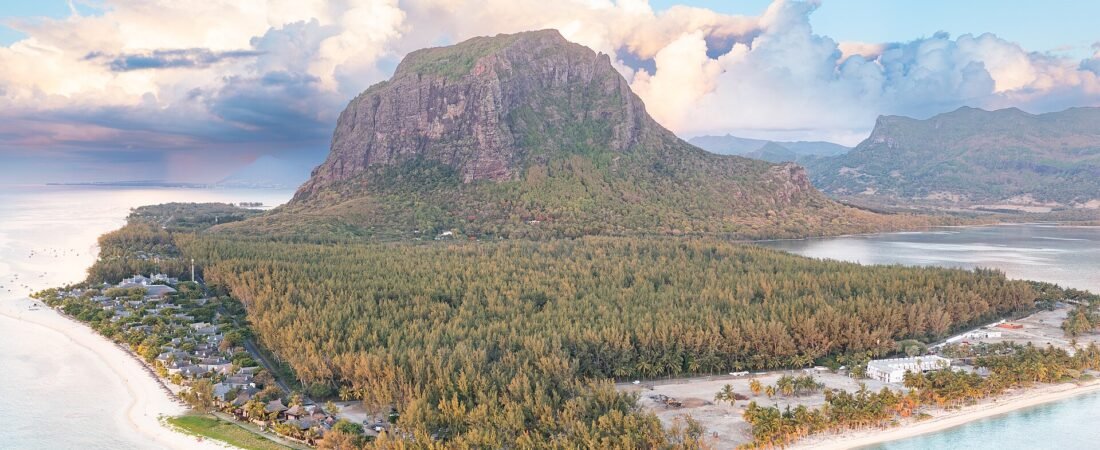
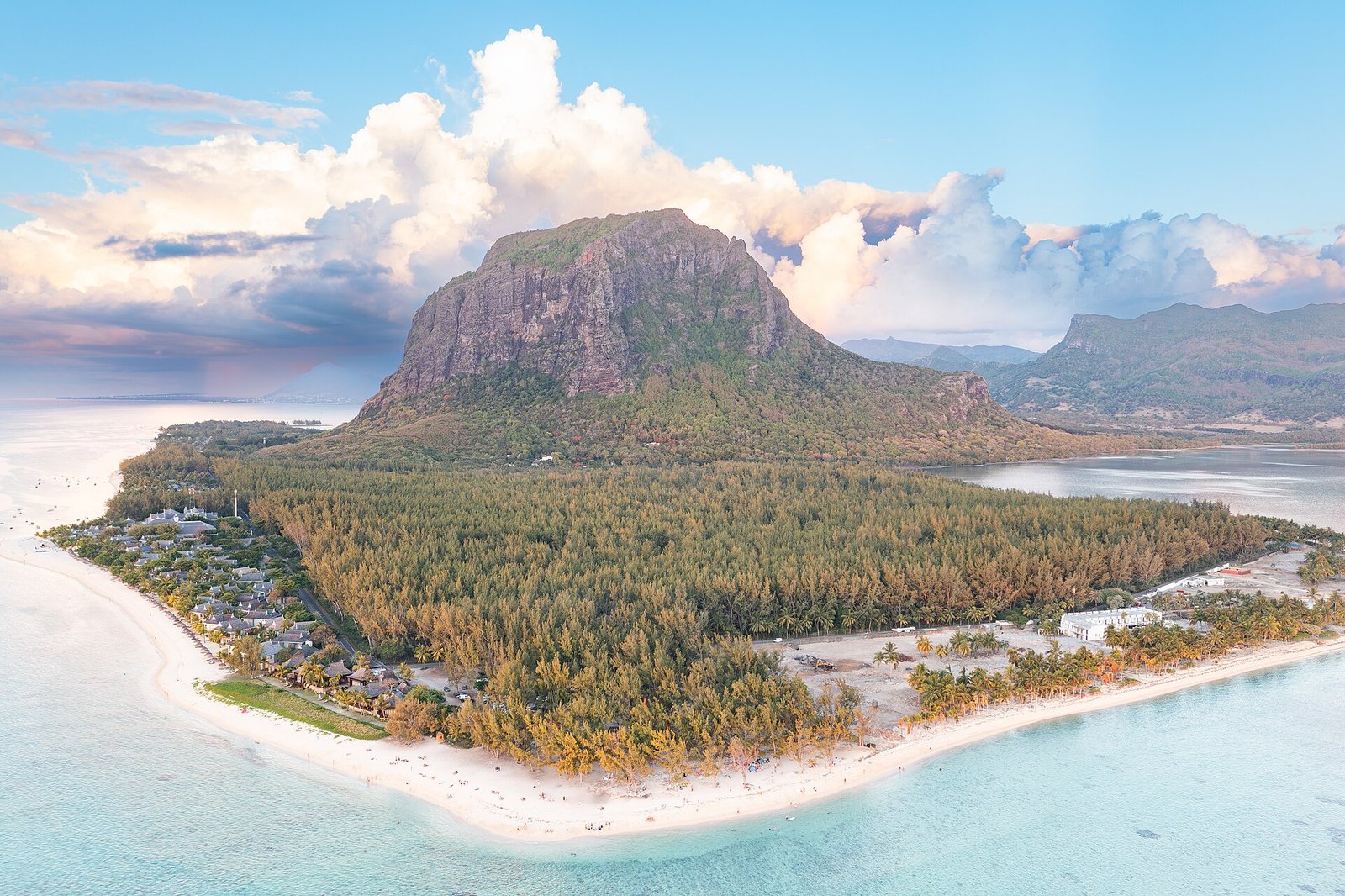
Le Morne Beach, Mauritius. Photo: Wikimedia Commons (CC BY 2.0).
Almost the entire coastline of Mauritius is ringed by a coral reef, which creates calm, turquoise lagoons perfect for swimming. But beaches here are not equal all year: the island’s trade winds and seasons change which coast looks its best. This guide focuses on the best beaches in Mauritius specifically for travellers choosing where to base a luxury resort stay, so each pick includes swimming conditions, the best season and the closest high-end hotels.
Our unique angle is seasonal matching. Rather than a generic “top ten”, we flag which beaches shine in the southern-hemisphere summer and which ones are better in winter, so your resort choice matches your travel dates.
Mauritius Beaches Compared
| Beach | Coast | Swimming | Best season | Best for |
|---|---|---|---|---|
| Le Morne | South-west | Calm lagoon, excellent | May – Dec | Scenery, kitesurfing |
| Trou aux Biches | North-west | Very calm | Year-round | Snorkelling, sunsets |
| Mont Choisy | North | Calm, shallow | Year-round | Long walks, families |
| Pereybère | North | Calm, small cove | Year-round | Snorkelling, cafés |
| Belle Mare | East | Good, breezy in winter | Oct – Apr | Luxury resorts, long sand |
| Île aux Cerfs | East (island) | Calm lagoon | Oct – Apr | Day trips, water sports |
| Blue Bay | South-east | Calm, marine park | Oct – May | Coral and snorkelling |
| Flic en Flac | West | Good | May – Nov | Sunsets, dolphins nearby |
| Pointe d’Esny | South-east | Shallow lagoon | Oct – May | Quiet, kitesurf lessons |
| Gris Gris | South | No swimming | Year-round | Clifftop views only |
The 10 Best Beaches in Mauritius
1. Le Morne Beach (south-west)
Set beneath the basalt mass of Le Morne Brabant, part of the UNESCO-listed Le Morne Cultural Landscape, this is the island’s most photogenic beach. The lagoon is wide and calm for swimming, while the outer edge is one of the Indian Ocean’s best-known kitesurfing spots. It is particularly good from May to December, when the trade winds bring kiters but the inner lagoon stays sheltered.
Stay nearby: a row of five-star resorts lines the peninsula, including LUX* Le Morne, Paradis Beachcomber and Dinarobin Beachcomber.
2. Trou aux Biches (north-west)
A long arc of soft sand and some of the island’s calmest, clearest water. Snorkelling straight from the beach is easy, and the west-facing position means memorable sunsets. Because the north-west is sheltered from the south-east trade winds, Trou aux Biches works well in every month.
Stay nearby: Trou aux Biches Beachcomber Golf Resort & Spa sits directly on the beach.
3. Mont Choisy (north)
One of the longest public beaches in Mauritius, framed by casuarina trees that provide welcome shade. The water is shallow and calm, ideal for families. Weekdays are quiet; weekends bring local picnics and a lively atmosphere.
4. Pereybère (north)
A small, sheltered cove just north of Grand Baie with clear water and good snorkelling at either end. Cafés and restaurants are within a short walk, making it a convenient beach for travellers staying in the Grand Baie area.
5. Belle Mare (east)
A seemingly endless strip of white sand on the east coast, home to several of the island’s best-known luxury resorts. The water is beautiful but the east coast catches the south-east trade winds, so it can be breezy from June to September. From October to April, it is hard to beat.
Stay nearby: One&Only Le Saint Géran, Constance Belle Mare Plage and LUX* Belle Mare are all nearby.
6. Île aux Cerfs (east, offshore)
A small island off Trou d’Eau Douce with lagoon beaches, water sports and a championship golf course. It is a classic day trip by speedboat or catamaran; arrive early or head to the quieter beaches away from the main jetty.
Stay nearby: Shangri-La Le Touessrok, Mauritius sits on the coast opposite and runs its own boat transfers.
7. Blue Bay (south-east)
Blue Bay Marine Park protects coral gardens in a sheltered lagoon close to the international airport. Glass-bottom boats and guided snorkelling trips leave from the beach, and the water is calm most of the year. It is ideal for a first or final night near the airport.
Stay nearby: Shandrani Beachcomber Resort & Spa borders the bay.
8. Flic en Flac (west)
A long west-coast beach with reliable sunshine in the cooler months and gorgeous sunsets. Nearby Tamarin Bay is known for spinner dolphins; choose an operator that follows local dolphin-watching rules and does not chase the pods.
Stay nearby: Sugar Beach and La Pirogue are both on this stretch.
9. Pointe d’Esny (south-east)
A peaceful, shallow lagoon near Mahébourg with views towards small islets. It feels less developed than the north and is popular for kitesurfing lessons in the windier months. Walk the sand towards Blue Bay at low tide.
10. Gris Gris (south)
Gris Gris is not a swimming beach — there is no protective reef here, and the waves and currents are dangerous. We include it because the clifftop views of the open ocean crashing onto black rock are unforgettable and show a wilder side of Mauritius. Visit with a driver as part of a south-coast day.
Choosing a Coast by Season
Mauritius has two main seasons. Summer, from roughly November to April, is hot and humid, with the warmest sea and occasional heavy showers; cyclones are possible, with the highest risk from January to March. Winter, from May to October, is drier and cooler, with comfortable days around the mid-20s Celsius and steady south-east trade winds.
- November to April: base yourself on the east coast — Belle Mare, Trou d’Eau Douce or Poste de Flacq — where the beaches are at their most beautiful and the breeze takes the edge off the heat.
- May to October: choose the west or north-west — Le Morne, Flic en Flac, Trou aux Biches or Grand Baie — which are sheltered from the trade winds and enjoy more sunshine.
- Year-round safe bet: the north-west coast around Trou aux Biches and Mont Choisy, which rarely feels too windy and has the calmest water.
If you are staying ten nights or more, consider splitting your trip between two coasts — for example, four nights at Le Morne and five at Belle Mare. Transfers between them take around 90 minutes, and the change of scenery, from mountain-backed lagoon to long open beach, makes the island feel like two destinations in one. Many resort groups offer reduced rates when you combine two of their properties.
For up-to-date forecasts and cyclone warnings, check Mauritius Meteorological Services before and during your trip.
How to Plan a Beach-Hopping Day
Mauritius is compact — around 65 km from north to south — but roads are slow, so a beach-hopping day works best when you stay on one side of the island. Hire a private driver through your hotel; it is good value and removes the stress of navigating busy villages.
South-west and south loop
Start early at Le Morne for a swim before the wind picks up, then drive the scenic coastal road east via the Maconde viewpoint to Gris Gris for clifftop views. Finish in the south-east with a late-afternoon snorkel at Blue Bay.
North-west loop
Swim at Trou aux Biches in the morning, stroll Mont Choisy’s casuarina-shaded sand at midday, then end at Pereybère for snorkelling and a sunset drink in Grand Baie. It is an easy, low-driving day that suits families.
Practical Tips for Mauritius Beaches
- All beaches in Mauritius are public, so you can walk freely along the sand in front of resorts, but hotel sunbeds and facilities are for guests.
- Wear reef shoes in shallow lagoons; stonefish and sea urchins are present on some reef flats.
- Use reef-safe sunscreen and avoid standing on coral when snorkelling.
- Weekends and public holidays are busy at public beaches like Mont Choisy and Flic en Flac — go on weekdays for space.
- Swim only where the lagoon is protected by the reef and follow lifeguard flags; never swim at Gris Gris.
- Check current entry requirements on the UK Foreign Office Mauritius page and find events and tips on the official Mauritius tourism site.
Our Verdict
For pure scenery, Le Morne is the most spectacular beach in Mauritius; for calm, swimmable water in any month, Trou aux Biches is the safest pick; and for a classic luxury resort beach in the warmer months, Belle Mare is hard to beat. Match the coast to your travel dates and you will enjoy the island at its best.
Ready to choose a hotel? Our best luxury hotels in Mauritius and best luxury resorts in Mauritius guides go property by property. Still comparing islands? See Zanzibar vs Mauritius, our Zanzibar timing guide and the Seychelles vs Maldives comparison.
Frequently Asked Questions
Which coast of Mauritius has the best beaches?
It depends on the season. The east coast, including Belle Mare and Île aux Cerfs, is at its best in the warmer months from about November to April. The west and north coasts are more sheltered from the trade winds in the cooler months from May to October.
Are Mauritius beaches public?
Yes. All beaches in Mauritius are public, although hotels manage their own sunbeds and facilities. Public beaches such as Mont Choisy and Flic en Flac get busy with local families at weekends and on public holidays.
Where is the best snorkelling in Mauritius?
Blue Bay Marine Park in the south-east is the top choice for easy snorkelling over coral gardens. Trou aux Biches and Pereybère on the north-west coast are good alternatives with calm, clear water.
Is it safe to swim at all Mauritius beaches?
Most beaches are protected by a coral reef and have calm lagoons, but not all. Gris Gris on the south coast has no reef and dangerous currents, so swimming is not allowed. Always follow lifeguard flags and local advice.
When is cyclone season in Mauritius?
Tropical cyclones are possible from roughly November to April, with the highest risk from January to March. Most years pass without a direct hit, but travel insurance and flexible plans are recommended.