
Best Time to Visit Mykonos: Season-by-Season Guide (2026)
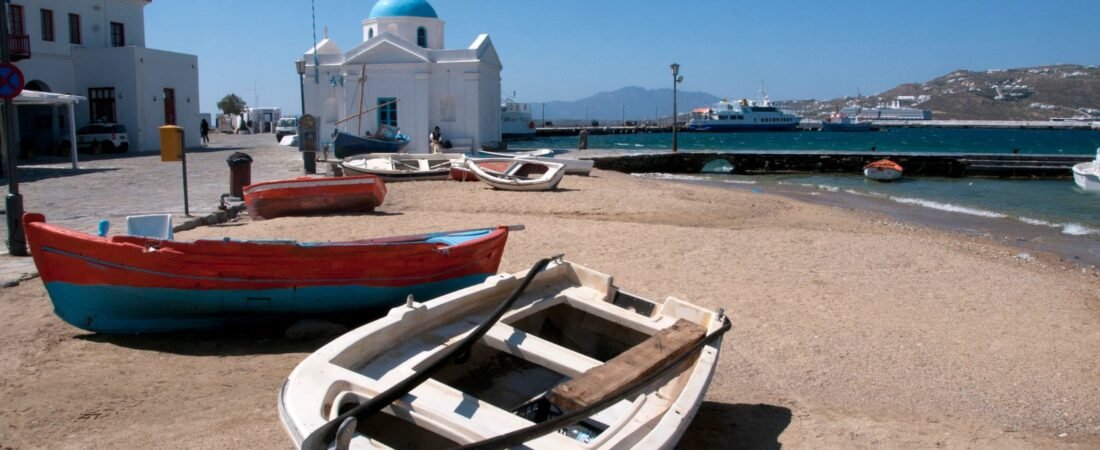
Illustrative island photograph. Not a photograph of the resorts compared below.
Mykonos changes character by the month: a sleepy fishing-village feel in April gives way to a full-blown party scene by August, then quiets down again by October. This guide focuses on when to visit Mykonos specifically for travelers trying to match the island’s mood, weather and prices to their own trip rather than just picking the cheapest flight.
The short answer
Late May, June and September give the best overall balance of warm weather, open beach clubs, and prices well below the July–August peak. If nightlife is the priority, July and August are unavoidable despite the cost and crowds. If a quiet, almost empty island is the goal, late April, early May or October work, though many beach clubs and some restaurants will be closed.
There is no single wrong time to visit Mykonos, only a mismatch between the season and what a particular traveler wants from the island. A honeymoon couple chasing a quiet dinner by the water will have a very different experience in August than in September, and a group chasing a loud beach-club weekend will be disappointed by how much closes down in October. The rest of this guide breaks that trade-off down month by month so the choice can be made deliberately rather than by accident.
Mykonos month by month
The table below summarizes weather, crowd levels and what’s actually open in each part of the season.
| Period | Weather | Crowds & what’s open |
|---|---|---|
| April – early May | Mild, 16–21°C, sea still cool | Very quiet, many beach clubs and hotels still closed for the season |
| Late May – June | Warm, 22–27°C, sea warming up | Beach clubs reopening, noticeably fewer crowds than summer, good value |
| July – August | Hot, 27–32°C, meltemi winds common | Peak season: full beach clubs, highest prices, book months ahead |
| September | Warm, 24–28°C, calmer winds | Still lively but noticeably thinner crowds, many consider this the best month |
| October | Mild, 19–23°C, sea still swimmable | Season winding down, some beach clubs and restaurants start closing |
| November – March | Cool, 10–15°C, often windy | Most tourist businesses closed, island reverts to local life |
Sea temperature lags air temperature by several weeks, which is why early June can still feel a little cool for a long swim even though the air is already warm, while late September often feels warmer in the water than the air alone would suggest, a detail that surprises a lot of first-time September visitors who expected autumn-cool water. Rainfall on Mykonos is concentrated almost entirely in the winter months; a dry spell through the entire summer season is normal and travelers should not expect to need rain gear between May and October. Humidity stays moderate thanks to the near-constant sea breeze, which also means the heat of July and August feels more manageable on Mykonos than in a similarly hot inland city.
High season: July and August
This is Mykonos at full intensity: every beach club open and busy from midday, nightly events across Chora and the port, and the highest room rates of the year. Flights into the island’s airport run at their highest frequency, and hotels across every price category routinely sell out weeks in advance for late July and the first half of August specifically. The meltemi, a strong seasonal north wind, is also most active in July and August and can affect ferry schedules and beach conditions on exposed coasts, occasionally closing the more exposed beaches to swimming for a day at a time.
Anyone traveling in these months should book accommodation and any ferry connections (including to Santorini or Paros) at least two to three months ahead, and should expect restaurant reservations to matter even for casual dinners near the port. Daytime temperatures regularly reach the low 30s Celsius, so early starts at the beach followed by a midday break are the local rhythm rather than pushing through the hottest hours.
Shoulder season: late May, June and September
This is the window most repeat visitors and travel planners quietly recommend. The sea is warm enough to swim comfortably from late May onward, the island’s beach clubs and restaurants are open and running at full service by June, but room rates sit noticeably below peak and the busiest beaches are easier to enjoy without the July crowd. September in particular gets strong word of mouth: slightly calmer meltemi activity than August, warm sea that has had all summer to heat up, and a social but not overwhelming nightlife scene as some of the summer-only staff and visitors start to thin out.
June tends to be marginally better for travelers who still want a full-energy scene without August’s density, while September suits anyone prioritizing comfort, value and slightly shorter queues at the more famous beach clubs. Both months still carry real risk of a sold-out hotel on the most popular dates, so booking six to ten weeks ahead is still sensible even outside peak season.
Low season: November through March
Most hotels, beach clubs and many restaurants close for the winter, and ferry schedules thin out considerably, often to just a few sailings a week on the smaller routes. This period suits travelers who want to see the island’s quieter, more authentic side — Chora without the crowds, locals going about normal life, and the chance to see the famous windmills and Little Venice without a single tour group — rather than anyone hoping for beach weather or nightlife. It is not a practical time for a first Mykonos trip focused on beaches, and travelers should confirm which hotels and restaurants stay open year-round before booking, since the number shrinks considerably compared to any other part of the year.
Ferries, flights and getting there by season
Mykonos has its own airport with direct flights from Athens year-round and seasonal routes from other European cities roughly April through October. Ferry frequency from Piraeus and other islands scales up sharply from May and drops off fast after September, so travelers visiting in the shoulder or low season should double-check sailing schedules with operators like Blue Star Ferries or on an aggregator like Greek Travel Pages rather than assuming summer-level service.
For July and August, pack light, breathable clothing, reef-safe sunscreen, and a light cover-up for the stronger midday sun; evenings stay warm enough for just a light layer. In the May–June and September shoulder windows, bring a light jacket for breezy evenings and boat trips, since the meltemi can make open-water crossings noticeably cooler than the air temperature in town suggests. Outside the main season, a proper jacket and comfortable walking shoes matter more than beachwear, since most days will be spent exploring rather than swimming. The official Visit Greece site publishes general Aegean climate guidance that lines up with this pattern across the Cyclades, not just Mykonos.
Matching the season to your trip type
- Beach-club and nightlife trip: July or August, booked well ahead, budget for peak prices.
- Best overall value and weather: late May, June or September.
- Honeymoon or quiet couple’s trip: September, or see our Mykonos honeymoon budget guide for season-specific pricing tips.
- Comparing with other islands before you book: our Mykonos vs Santorini comparison covers how seasonality affects both islands differently.
- Budget island-hopping trip: late September into early October, when prices drop but most things are still open.
For travelers who want Mykonos’s look without its busiest beaches even in high season, our guide to hidden beaches on Mykonos lists specific coves that stay calmer regardless of month. As a general rule, the earlier and later edges of the May-to-October season reward flexible travelers with lower prices and smaller crowds, while the deep summer weeks reward anyone who specifically wants Mykonos operating at full capacity, nightlife and all.
Frequently asked questions
What is the single best month to visit Mykonos?
September is the most commonly recommended month: warm sea, full services, and noticeably thinner crowds than July or August.
Is Mykonos open in winter?
Only partially. Most hotels, beach clubs and restaurants close from November through March, and ferry and flight frequency drops sharply, so it is not a practical time for a typical beach-focused trip at all.
When do the beach clubs open and close for the season?
Most major beach clubs open in May and close by early-to-mid October, with the exact dates varying by venue and weather. Confirm opening dates directly if visiting in late April or October.
What is the meltemi and does it affect travel plans?
The meltemi is a strong, dry seasonal wind that blows across the Aegean, most active from July through September. It can affect high-speed ferry schedules and make some beaches choppier, so it is worth building a buffer day into travel plans during these months.
Is it cheaper to visit Mykonos in the off-season?
Yes, significantly. Room rates in April, late October and other shoulder periods can run well below July–August peak pricing, though fewer businesses are open to spend that savings on, and some of the most popular beach clubs and restaurants simply will not be running at all.
How far in advance should I book a Mykonos trip?
For July and August, book flights and hotels two to three months ahead if possible, since the most popular properties and the fastest ferries sell out first. For the shoulder months of June and September, four to six weeks ahead is usually enough, though popular long weekends can fill up faster. Outside the main season, even a week or two of notice is often fine given how much capacity sits unused.