Paros Travel Guide: The Quiet Greek Island Alternative to Mykonos (2026)
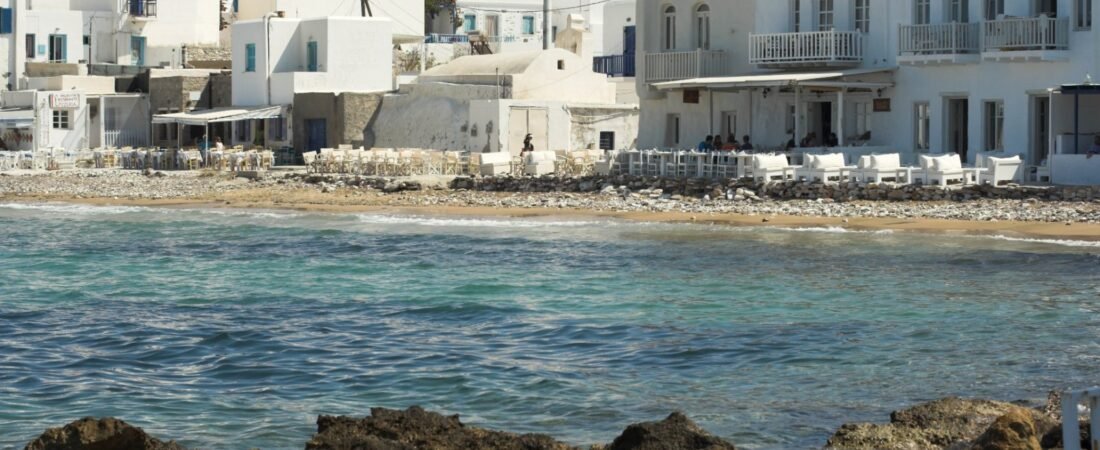
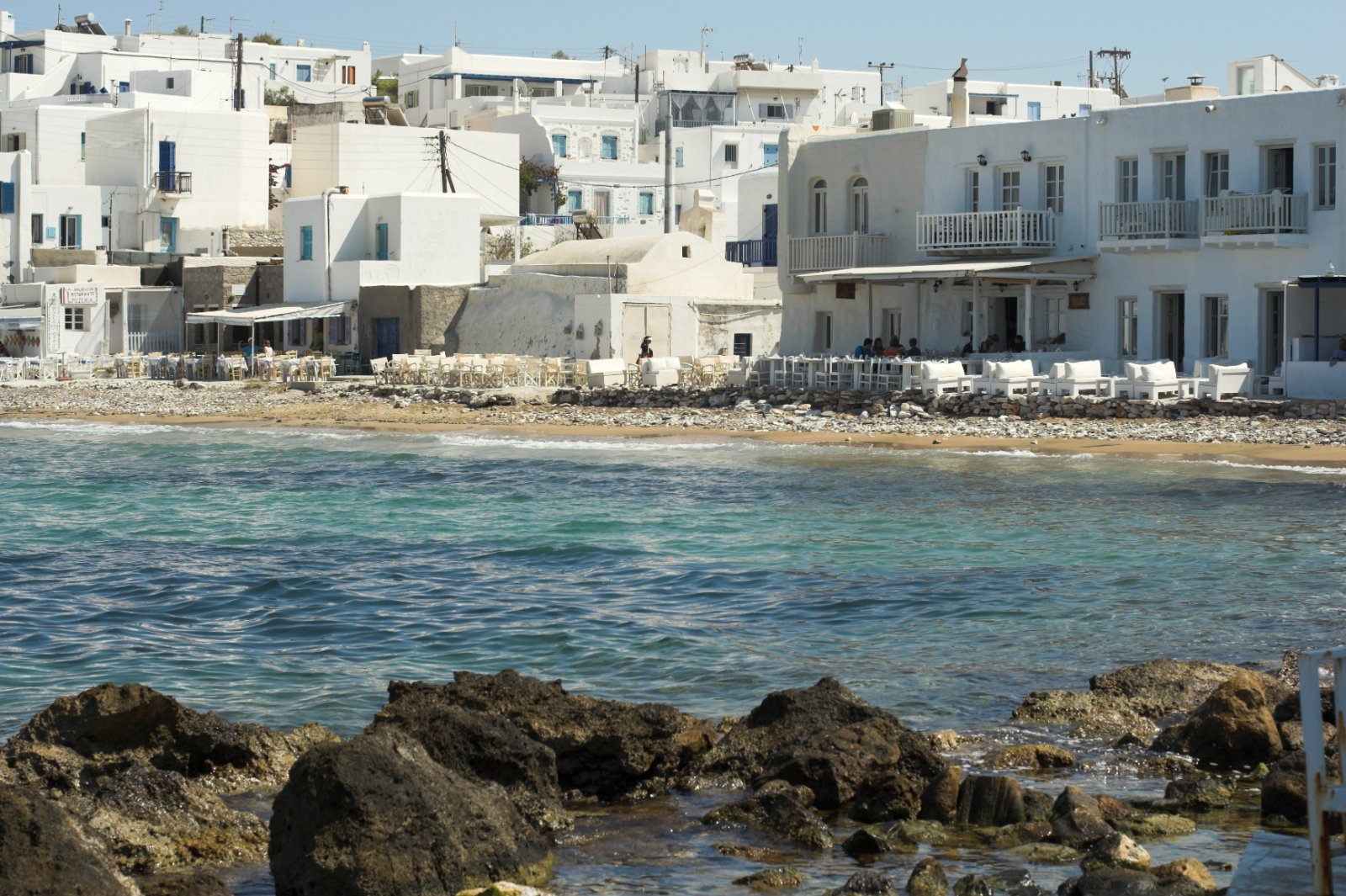
Illustrative island photograph. Not a photograph of the resorts compared below.
Paros sits quietly between Mykonos and Naxos in the Cyclades, and most first-time Greek-island visitors fly straight past it. This guide focuses on Paros specifically for travelers who want the classic Cycladic look, good beaches, and genuine local life, without the crowds and price tags that come with its famous neighbor. It also works well as a practical reference for anyone piecing together a multi-island Cyclades trip and trying to decide where Paros fits alongside better-known stops.
Why Paros instead of Mykonos
Paros has whitewashed villages, blue-domed churches, and turquoise water that look every bit as good in photos as Mykonos, but at a noticeably gentler pace and price. There is no Chora-style party scene dominating the island, nightlife exists but stays low-key, and a meal at a harbor taverna typically costs a fraction of the same dish served beach-side in Mykonos. Couples and families who want the Cycladic aesthetic without the headline costs or crowds consistently rate Paros as the better value for a relaxed week. Our Mykonos vs Santorini comparison covers the busier islands in detail, and Paros is worth weighing against both as a calmer third option.
Part of what keeps Paros calmer is simply its shape and size. The island is large enough to spread visitors across several villages and beach areas rather than funneling everyone into one headline strip, and it has never built the dense concentration of beach clubs and nightlife venues that defines Mykonos’s reputation. That does not mean Paros is undeveloped or hard to get around: it has a full network of car and scooter rental agencies, a reliable (if limited) bus service, and enough restaurants and small hotels to make independent travel easy, it simply channels that infrastructure toward a quieter kind of visitor.
Paros at a glance
| Category | What to expect |
|---|---|
| Main hub | Parikia, the port town with ferry connections and most services |
| Prettiest base | Naoussa, a fishing-village-turned-harbor-town with the island’s best dining |
| Best beaches | Kolymbithres, Golden Beach, Santa Maria |
| Getting there | Ferry from Athens (Piraiefs) or a short hop from Mykonos |
| Typical daily cost per couple | 100 to 200 euros outside the room, noticeably less than Mykonos |
Where to stay: Naoussa vs Parikia
Naoussa is the island’s most photogenic base: a working fishing harbor lined with seafood tavernas, boutique hotels, and a compact old town that is genuinely pleasant to wander after dark. Parikia, the main port, is more practical and usually cheaper, with easy ferry access and a wider range of budget accommodation. Most honeymooners and couples choose Naoussa for the atmosphere, while families and budget travelers often prefer Parikia as a base and take short taxi or bus rides out to the beaches and to Naoussa for dinner.
Couples who have already read our Mykonos honeymoon budget guide will recognize the pattern: picking a slightly less central, less famous base inside Naoussa itself (just outside the main harbor strip) saves noticeably on the room rate while still being a five-minute walk from the restaurants and the water.
A third option worth considering for a longer stay is splitting the week between the two towns: a few nights in Parikia near the ferry dock at the start and end of the trip, bookending the middle days in Naoussa for the harbor atmosphere and beach access. This arrangement works well for travelers connecting onward to other islands, since arriving and departing from the same port town that houses the ferry terminal removes an extra transfer on the busiest travel days.
The best beaches on Paros
Kolymbithres, just outside Naoussa, is known for its sculpted granite rock formations that create small, sheltered coves of shallow, clear water, making it an easy favorite for couples and families alike. Golden Beach on the southeast coast is the island’s windsurfing and kitesurfing hub, with long stretches of sand and reliable afternoon wind. Santa Maria, near the northeast tip, combines watersports with calmer swimming areas and a handful of relaxed beach bars that never reach Mykonos-style intensity or pricing. Travelers who enjoyed the quieter approach in our hidden beaches of Mykonos guide will find that almost every beach on Paros defaults to that same low-key, uncrowded character without needing to search for it.
Naoussa’s harbor is lined with small ouzeries and seafood tavernas where the catch is pulled in that same morning, and prices stay well below what a comparable harbor-view table would cost in Mykonos town. Lentil soup, fresh grilled octopus, and the island’s own small-batch wine are worth seeking out specifically, and a relaxed two-hour dinner by the water is one of the signature experiences of a Paros trip. Inland villages like Lefkes serve a quieter, more traditional version of the same cuisine, often at even lower prices, and make for a worthwhile half-day trip away from the coast.
Marble, the stone Paros has been known for since antiquity, still shapes the look of its villages: narrow lanes paved in pale marble slabs, doorframes and window sills cut from the same local stone, and a small marble museum near Marathi worth a short detour for anyone interested in the island’s history beyond its beaches. Combining a Lefkes lunch with the marble quarry site makes for an easy, inexpensive half-day away from the coast that most Mykonos-focused itineraries never think to include.
Getting to and around Paros
Ferries connect Paros to Athens’s port of Piraeus directly, and also to nearby islands including Mykonos, Naxos, and Santorini, making it an easy add-on to a wider Cyclades itinerary. Operators such as Blue Star Ferries run regular conventional-ferry connections, which tend to be cheaper than the fastest catamarans, while faster options are available through operators like SeaJets when time matters more than price. Once on the island, a rental car or scooter is the easiest way to reach the beaches and villages independently, since public buses run on a limited schedule outside peak season. General trip-planning details, including ferry timetables and national holidays that can affect pricing, are available on the official Visit Greece tourism site.
Many travelers pair Paros with a few days on Mykonos, using the short inter-island ferry hop to bookend a livelier stretch with a calmer one. Our Mykonos season guide is a useful companion for timing that combination so both halves of the trip land in their best weather window.
Within Paros itself, Parikia and Naoussa are connected by a reasonably frequent bus service in peak season, though schedules thin out considerably outside July and August, which is the main reason most visitors still choose to rent a car or scooter even for a short stay. Taxis exist but are limited in number islandwide, so booking one in advance for an early ferry departure is worth doing rather than expecting to find one on the spot.
When to visit Paros
Late May through June and September offer the same advantages on Paros as they do on Mykonos: warm, swimmable water, open tavernas and rental agencies, and noticeably thinner crowds than the July-August peak. Because Paros never gets as crowded as Mykonos even at the height of summer, visitors who can only travel in July or August still have a meaningfully calmer experience here than they would on the more famous island, which makes Paros a flexible choice for couples whose travel dates are fixed around work schedules rather than ideal shoulder-season timing.
Putting the above into an actual plan, a simple three-day Paros itinerary covers the island’s signature village, beach, and food experiences without needing a rental car for more than a single day:
- Day 1: arrive in Parikia or Naoussa, settle in, and spend the evening wandering the Naoussa harbor for dinner.
- Day 2: beach day at Kolymbithres in the morning, Lefkes village and a late lunch inland in the afternoon.
- Day 3: Golden Beach or Santa Maria for watersports and swimming, with a final harbor dinner back in Naoussa before departure.
This short itinerary works equally well as a standalone long weekend or as the quieter half of a two-island trip paired with Mykonos, Santorini, or Naxos. Travelers with a full week can simply slow the same plan down, adding a free day at each stop and a half-day boat trip around the coastline near Naoussa, which is a popular and inexpensive way to see sea caves and smaller beaches that are hard to reach by road.
Frequently asked questions
Is Paros worth visiting instead of Mykonos?
Yes, for travelers who want the Cycladic look and good beaches without Mykonos’s crowds and prices. Paros offers a calmer, more affordable alternative with its own distinct charm, particularly around the Naoussa harbor.
How do you get from Mykonos to Paros?
A short, frequent ferry connection links the two islands, run by operators such as Blue Star Ferries and SeaJets, making Paros an easy add-on to a Mykonos trip.
Where should first-time visitors stay on Paros?
Naoussa for atmosphere and dining, Parikia for practicality and budget options. Both are workable bases for reaching the island’s main beaches and villages.
Is Paros good for families as well as couples?
Yes. Beaches like Kolymbithres offer sheltered, shallow water that suits families, while Naoussa’s relaxed pace and food scene work equally well for couples and honeymooners.
What is the best time of year to visit Paros?
Late May, June, and September give warm weather with thinner crowds, though Paros stays comfortably less crowded than Mykonos even during the July-August peak.
Do you need a rental car on Paros?
It helps considerably. Bus service between Parikia and Naoussa thins out outside peak season, and a car or scooter makes it far easier to reach beaches like Golden Beach and Santa Maria on your own schedule.