7 Best Hidden Beaches in Mykonos Beyond the Party Scene (2026)
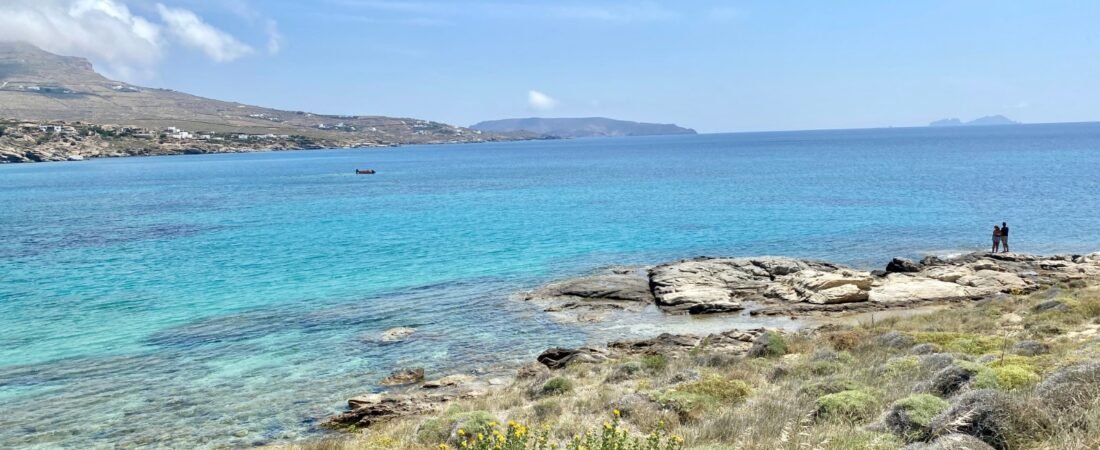
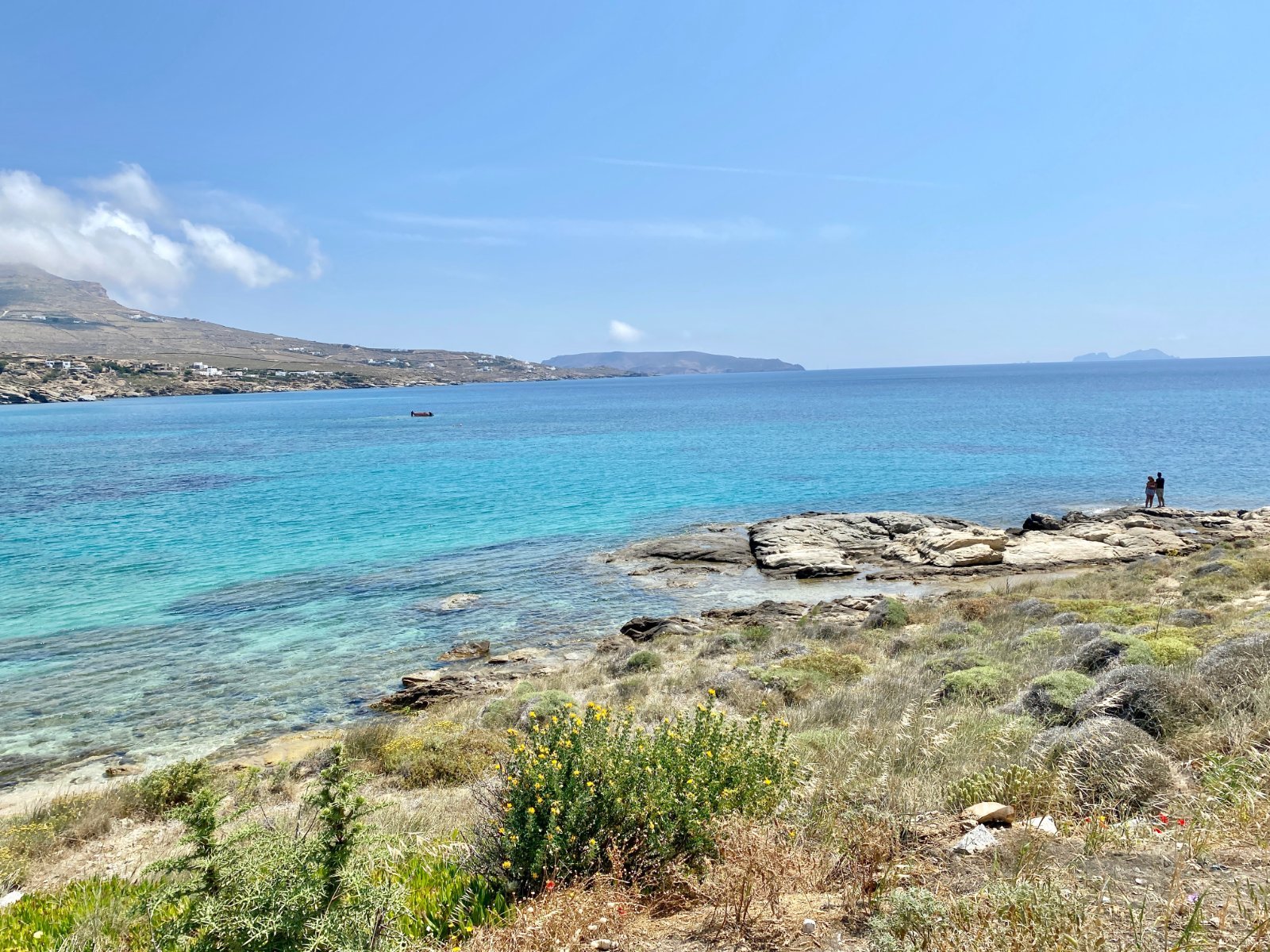
Illustrative island photograph. Not a photograph of the resorts compared below.
Everyone hears about Paradise and Psarou, but Mykonos has a second layer of beaches that most first-time visitors never find. This guide focuses on the island’s quieter coves specifically for travelers who want Mykonos’s scenery and swimming without queuing for a sunbed next to a speaker stack.
Why look beyond the famous beaches
Mykonos built its reputation on big, loud beach clubs, and those places are genuinely good at what they do. But the island’s coastline is long and uneven, with small bays tucked behind hills that the tour buses and jet-ski rental stands never bother reaching. These seven beaches keep the clear water and good sand that made Mykonos famous, minus the music and the crowd.
The table below gives a fast overview of all seven, including who each one suits best and how hard it is to reach, before the detailed notes on each beach further down.
| Beach | Best for | Access |
|---|---|---|
| Divounia Beach | Quiet swimming, no beach bar at all | Short walk from a dirt track, limited parking |
| Fokos Beach | Remote, rugged, wind-sheltered swimming | Unpaved road, car or ATV recommended |
| Agios Sostis | Sunset, photography, one simple taverna | Paved road, small free parking area |
| Ftelia Beach | Windsurfing and kitesurfing, open space | Short drive north of Chora, easy parking |
| Merchia Beach | Families, shallow calm water | Paved road close to Ornos |
| Lia Beach | Quieter version of the south-coast beach-club look | Narrow road, limited parking in peak season |
| Kapari Beach | Small cove, good snorkeling | Short unpaved track off the main coastal road |
Divounia and Fokos: the quietest options
Divounia sits away from the main beach road with no organized beach bar at all, which is exactly why it stays quiet even in August. Bring your own water and shade, since there is nothing to buy once you arrive, and expect a short walk down from where the dirt track ends rather than parking right on the sand. The water here is noticeably clear even by Mykonos standards, which already has a reputation for good visibility, since there is no boat traffic or jet-ski rental nearby to churn up the shallows.
Fokos, on the island’s wilder north coast, takes more effort to reach on an unpaved road but rewards the drive with a wide, mostly empty stretch of sand backed by low hills rather than hotel development. A single simple taverna operates seasonally near the beach, serving straightforward Greek dishes, though it is worth confirming it is open before making the drive out, especially early or late in the season. Both beaches can get choppier than the sheltered south coast when the meltemi wind picks up, so they suit calm-weather days more than windy ones, and neither is the right choice for a first swim if the wind is already strong when you set out.
Agios Sostis: the sunset pick
Agios Sostis has become slightly better known in recent years thanks to one well-regarded taverna right on the sand, but it still stays far calmer than the main party beaches, partly because it has no beach club, no sunbed rental chain and no music beyond whatever the taverna plays quietly in the background. The west-facing orientation makes it a strong sunset spot, and the rocky surroundings give it a more rugged, undeveloped look than the manicured south-coast clubs, closer to how much of Mykonos looked before the beach-club boom of the last two decades.
Arrive a little before sunset in high season if a table at the taverna matters, since it does fill up, and bring your own umbrella if you want shade earlier in the day since there is no sunbed concession. The small parking area nearby can also fill up on weekends in July and August, so an early arrival solves two problems at once rather than just one.
Ftelia, Merchia and Kapari: specific use cases
Ftelia is less a hidden secret than a differently-used beach: its open bay and consistent wind make it the island’s best spot for windsurfing and kitesurfing, which keeps the general sunbathing crowd thinner even though it is easy to reach. A couple of watersports schools rent equipment and offer lessons here, taking advantage of the same meltemi wind pattern described in the official Visit Greece climate overview for the Cyclades. Anyone who does not windsurf can still enjoy the open space and relatively thin crowds for ordinary swimming and sunbathing.
Merchia, close to Ornos, suits families with young children thanks to shallow, calm water and an easy paved approach, with none of the drop-off that makes some south-coast beaches less relaxing to watch kids in. Kapari is the smallest and least developed of the three, a good pick for an hour of snorkeling away from any crowd rather than a full beach day with facilities. Its rocky edges hold small fish and sea urchins worth a careful look, though swim shoes are a good idea given the uneven, rocky seabed close to the water’s edge.
Lia Beach: quiet without giving up comfort
Lia keeps a little of the organized south-coast beach-club feel, with a couple of low-key tavernas and sunbed rental, but at a noticeably smaller scale and volume than Paradise or Psarou. Fine golden sand and clear, calm water give it much of the same visual appeal as the headline beaches, just without the DJ booth and the day-bed minimums that come with the biggest clubs. It is the easiest pick on this list for anyone who wants a quieter day without fully giving up the convenience of food and drink service nearby, and it is a reasonable base for a full day trip since there is enough shade and seating to settle in rather than needing to move on after an hour.
For a comparison of how it stacks up against the island’s headline beaches and the overall Mykonos experience, see our Mykonos vs Santorini comparison, which covers the island’s beach scene more broadly alongside Santorini’s very different caldera-focused appeal.
Getting to these beaches
A rental car, ATV or scooter is the most reliable way to reach most of these beaches, since taxis on Mykonos can be scarce in peak season and buses mainly serve the main beach road rather than these side spots. Fokos and Divounia specifically involve some unpaved driving, so a small car or ATV handles them more comfortably than a scooter with road tires. None of these beaches currently appear on the standard hotel shuttle routes that serve Paradise or Platis Gialos, which is part of why they stay quiet. Timing also matters: visiting between June and September gives the most reliable road conditions and the warmest water, which our Mykonos season guide breaks down month by month. If arriving by ferry rather than flying directly into Mykonos, operators such as Blue Star Ferries run frequent summer connections from Piraeus and nearby islands, and checking current sailing times on an aggregator like Greek Travel Pages before renting a car locally helps avoid a wasted half-day on arrival.
Who should prioritize hidden beaches over the famous ones
None of this is an argument against Paradise, Psarou or the other famous beach clubs, which earn their reputation for a reason and are worth at least one visit on any first Mykonos trip. The point is simply that a full trip built entirely around those beaches sees only one version of the island, and the list below is a quick way to match a quieter beach to a specific kind of traveler rather than guessing.
- Couples wanting a quiet day away from a loud main beach, including those planning a Mykonos honeymoon on a budget.
- Photographers chasing a less crowded sunset frame, especially at Agios Sostis.
- Watersports travelers who specifically want wind and space, best served by Ftelia.
- Families who want calm, shallow water without a party-beach soundtrack, best served by Merchia.
- Repeat Mykonos visitors who have already done the famous beaches and want to see another side of the island, or who are weighing Paros as an even quieter alternative island entirely.
Frequently asked questions
Are these beaches safe to swim at?
Generally yes, though several of them (Fokos and Divounia especially) have no lifeguard and can get choppier in strong meltemi wind, so check conditions before swimming out past the shallows.
Do any of these beaches have facilities?
Agios Sostis, Ftelia and Lia have at least one taverna or simple bar nearby. Divounia, Fokos and Kapari have essentially no facilities, so bring your own water, shade and snacks.
Can I reach these beaches without a car?
Merchia and Agios Sostis are reachable by taxi or a short drive on paved roads. Fokos and Divounia are much easier with a car or ATV because of the unpaved approach roads.
Which beach is best for a quiet honeymoon afternoon?
Agios Sostis for sunset, or Lia Beach for a calmer version of a full beach day with some comfort and service still available.
Do these beaches get crowded in August?
They stay noticeably quieter than Paradise or Psarou even in August, though Lia and Agios Sostis will see more visitors than Fokos or Divounia, which remain genuinely uncrowded year-round.
Do I need to bring my own food and water?
For Divounia, Fokos and Kapari, yes, since none of them have a shop or regular vendor nearby. For Agios Sostis, Ftelia and Lia, at least one taverna or simple snack option is usually available nearby, though it is still sensible to bring extra water and sun protection in peak summer heat regardless of which beach you pick.