Best Time to Visit Batanes 2026
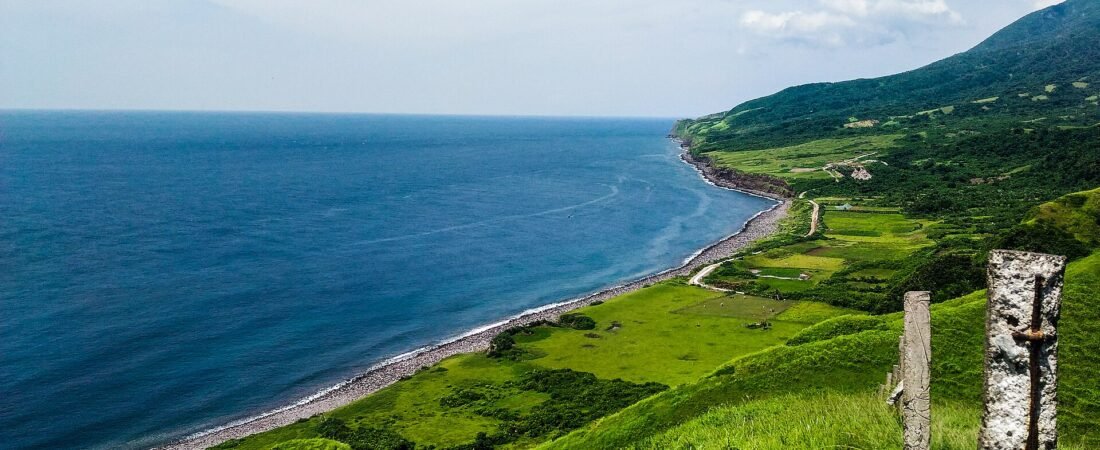
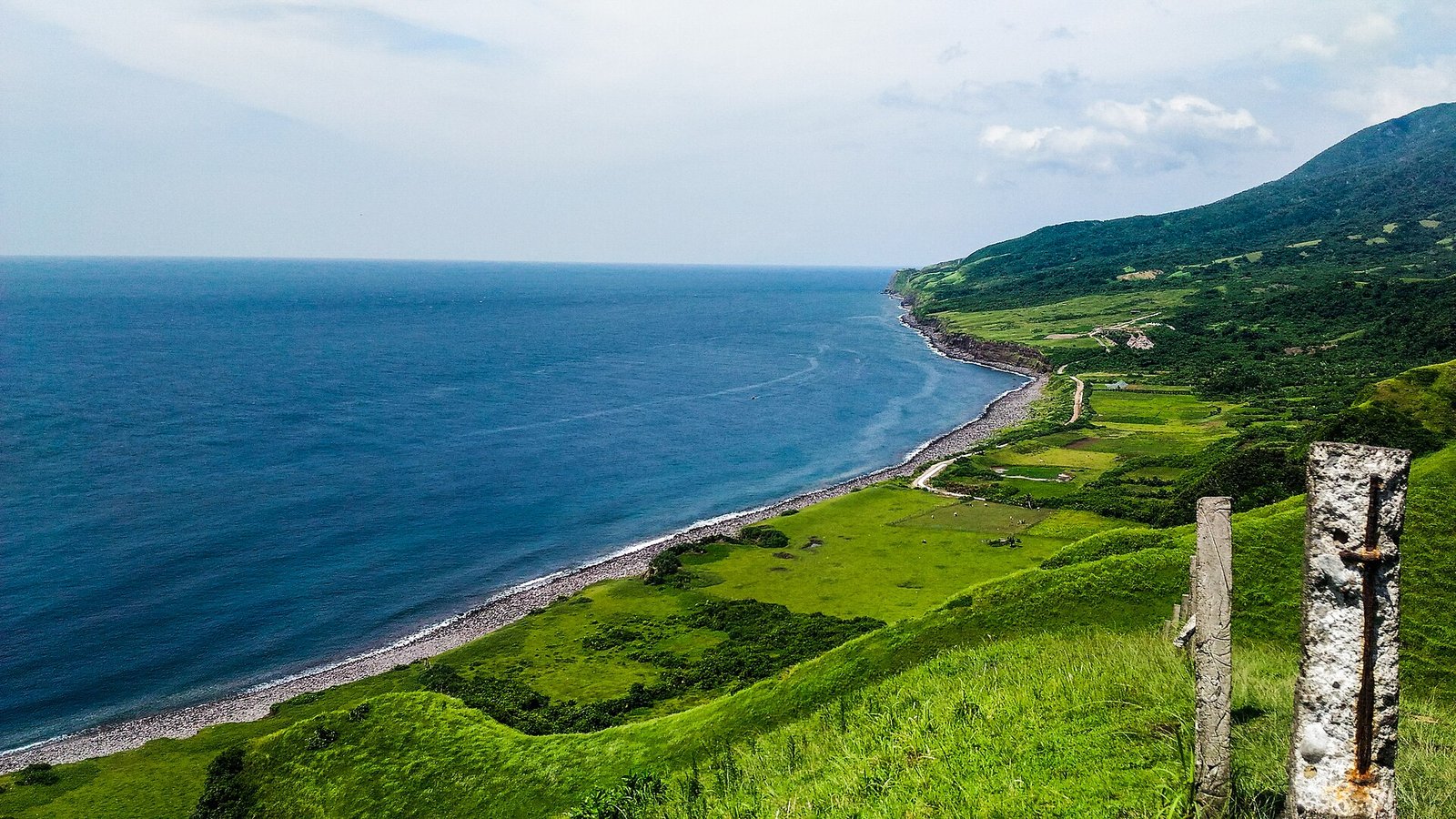
Photo: Jeremy.alinea / Wikimedia Commons (CC BY-SA 4.0)
Batanes is the Philippines’ northernmost province, a cluster of windswept islands closer to Taiwan than to Manila, known for rolling green hills, stone Ivatan houses and dramatic cliffs. It is also one of the most weather-exposed places in the country. Flights are small and frequently delayed, and the boats to Sabtang and Itbayat stop running when the sea turns rough. This guide focuses on timing specifically for first-time visitors planning a three- to five-day Batanes trip who want the best chance of clear skies, calm crossings and flights that leave on schedule.
Research-based guide · Information checked October 2026. Prices and schedules are indicative; confirm with operators before booking.
Best months at a glance
March to May is the safest bet: dry, mostly calm seas, green hills and the lowest disruption risk. Late February and early June can also work. Avoid relying on tight schedules from about July to October (typhoon season) and from December to January (strong northeast amihan winds), when Sabtang boats and flights are more often cancelled. Always add at least one buffer day.
Understanding Batanes Weather
Three weather patterns shape the year in Batanes. The northeast monsoon, known locally as amihan, blows from roughly November to February, bringing cool temperatures, strong winds and choppy seas. A short transition period from about March to May usually brings the calmest, driest weather. The southwest monsoon, or habagat, and the typhoon season dominate from roughly June to October, with heavier rain and the risk of tropical cyclones tracking towards Taiwan and southern China.
Batanes sits directly on a common typhoon path, which is why traditional Ivatan houses have thick limestone walls and heavy cogon roofs. Modern infrastructure handles storms well, but transport stops completely when a typhoon signal is raised. The Philippine weather agency PAGASA publishes forecasts and tropical cyclone bulletins; check it in the week before travel.
Temperatures are milder than in most of the Philippines. Daytime highs are typically in the low to mid 20s °C in winter and around 30°C in summer, with cool, breezy evenings for much of the year.
Month-by-Month Guide to Batanes
The table gives a practical overview. Conditions vary every year, so treat it as a planning guide rather than a guarantee.
Note that “good” months can still bring a windy day or two that pauses the Sabtang falowa boats. Building flexibility into your itinerary matters more than picking a perfect week.
| Months | Weather | Sea and transport | Verdict |
|---|---|---|---|
| Dec – Jan | Cool, windy amihan, frequent drizzle | Rough seas; Sabtang and Itbayat boats often cancelled | Possible, but plan extra buffer days |
| Feb | Cooling winds easing, mixed skies | Improving late in the month | Shoulder month |
| Mar – May | Dry, sunny, green hills | Calmest seas, most reliable flights | Best time to visit |
| Jun | Warmer, occasional showers | Usually workable; watch early storms | Good shoulder month |
| Jul – Oct | Hot, humid, typhoon season | Highest risk of multi-day suspensions | Only with flexible plans and insurance |
| Nov | Amihan winds begin | Increasingly choppy crossings | Shoulder, check forecasts |
Why March to May Is the Sweet Spot
Spring delivers what most visitors picture when they see photos of Batanes: bright blue skies over the rolling Vayang hills, grazing cattle at Racuh a Payaman (often nicknamed “Marlboro Country”) and calm, glassy water around Sabtang. The winds of winter have usually dropped, and typhoons are rare this early in the year.
Calm seas matter because some of the best experiences require a boat. The traditional falowa crossing from Ivana to Sabtang takes around 30–45 minutes and is the only practical way to see Chavayan village, with its preserved stone houses, and the Nakabuang arch. Boats do not run when the Batan–Sabtang channel is too rough, which happens far less in spring.
The trade-off is demand. Holy Week and the Philippine summer school break bring the most visitors, and flights and the better lodges book up early. If you can, travel in early March or mid-May and avoid the Easter period.
Spring is also the best season for photographers. Morning light over the Basco Lighthouse on Naidi Hills, the cliffs at Alapad Pass and the long views from Mount Iraya’s lower slopes are at their clearest, and the dry trails make short hikes easier. Sunsets from the western coast of Batan can be spectacular when the air is clean after a breezy day.
Visiting During Typhoon Season
From roughly July to October, Batanes can be beautiful between storms, with lush hills and very few tourists. The risk is that a single typhoon can suspend flights and boats for several days, and you may be confined to your lodging while it passes. Travellers with flexible schedules and adequate insurance sometimes enjoy this period, but it is not ideal for a first visit or for anyone with a connecting international flight.
If you do go, book a refundable or flexible fare, keep two or more buffer days at the end of your trip, and follow PAGASA bulletins closely. Local hosts are experienced with storms and will advise you on safety; follow their instructions.
One advantage of the wet season is price and availability. Lodges are rarely full, guides have more time, and the hills are at their greenest. Some travellers use this period for a second visit, when they already know the island and are comfortable spending a rainy day indoors with a book and a pot of local coffee.
Visiting During the Amihan Months
December and January bring cool temperatures that feel refreshing compared with Manila, and the light can be wonderfully dramatic. However, the strong northeast winds make sea crossings unreliable and can delay or cancel small aircraft. Expect to see Batan Island thoroughly but treat Sabtang and Itbayat as a bonus rather than a certainty.
Pack a light windproof jacket and a warm layer for evenings and for the exposed viewpoints on the northern coast, where gusts can be strong.
The amihan season is also when the sea can look spectacular from the cliffs, with big swells crashing against the northern shoreline. These are memorable views, but they are also the reason the falowa boats stay in port, so enjoy them from a safe distance on land.
Flights, Boats and Buffer Days
Basco Airport on Batan Island is served by a small number of airlines, with flights from Manila taking roughly one and a half to two hours and some routes via Clark or northern Luzon. Aircraft are small, seats are limited and weather delays are common. Book well ahead for spring, keep checked luggage light and confirm baggage allowances, which can be lower than on mainline routes.
Inter-island travel is the main bottleneck. The Sabtang falowa crossing is weather-dependent, and the journey to remote Itbayat is longer and rougher by boat, though small-plane options are sometimes available. The Philippine Department of Tourism and local tour operators can advise on current schedules.
- Add at least one buffer day before your outbound flight; two in typhoon or amihan months.
- Schedule Sabtang early in your trip so you can move it if the sea is rough.
- Avoid booking a same-day international connection in Manila after a Basco flight.
- Choose travel insurance that covers weather-related delays and extra accommodation.
For a ready-made plan that builds in flexibility, see our four-day Batanes itinerary.
Where to Stay and What to Book Early
Accommodation in Batanes is mostly small inns, homestays and a few boutique lodges around Basco, with fewer options in Ivana and on Sabtang. Luxury is defined by setting and service rather than big-resort facilities: think hilltop rooms with sea views, home-cooked Ivatan meals and personal tour arrangements. Our guide to the best places to stay in Batanes covers the most comfortable choices.
In peak months, book flights first, then lodging, then a reputable tour operator or private tricycle for the north and south Batan loops. Many visitors also enjoy the Honesty Coffee Shop in Ivana, a small self-service café that has become a symbol of local trust. For more background, read about the province on Wikipedia, and compare timing for other islands in our Siargao seasonal guide.
Cash is essential. ATMs exist in Basco but can run out or go offline, and card acceptance is limited outside a handful of businesses. Bring enough Philippine pesos for lodging balances, tours, environmental fees and meals for your whole stay, plus a reserve in case weather extends your trip by a day or two.
Finally, respect local rules and culture. Batanes has a strong conservation ethic, and some areas charge small environmental or community fees. Stay on marked paths around grazing land, do not climb on stone houses or walls, and ask before photographing residents, especially in traditional villages such as Chavayan.
Frequently Asked Questions
What is the best month to visit Batanes?
April is often considered ideal, with dry weather, calm seas and green hills. March and May are also excellent, though Holy Week can be busy.
Is it safe to visit Batanes during typhoon season?
It can be, provided you follow official warnings and local advice, but flights and boats may be suspended for days. Travel only with flexible plans and insurance.
How many days do I need in Batanes?
Three full days cover Batan and Sabtang. Four or five days is better because it allows for weather delays and an optional trip to Itbayat.
Can I visit Sabtang Island year-round?
Boats run year-round in principle, but crossings are frequently cancelled during strong amihan winds and typhoons. Spring offers the most reliable access.
Is Batanes cold in December?
It is cooler than most of the Philippines, with breezy days in the low 20s °C and chilly, windy evenings. Bring a jacket.