Batanes Itinerary 2026: 4 Days on Batan & Sabtang
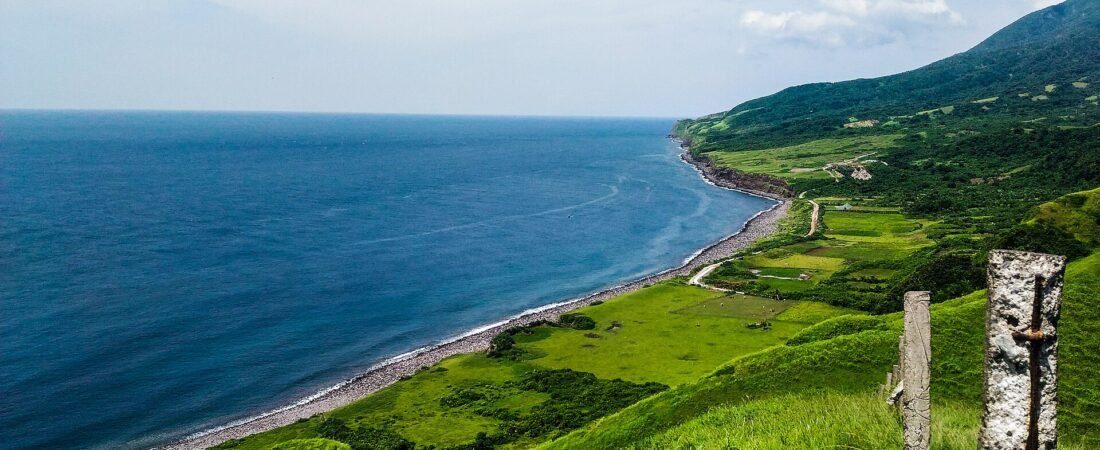
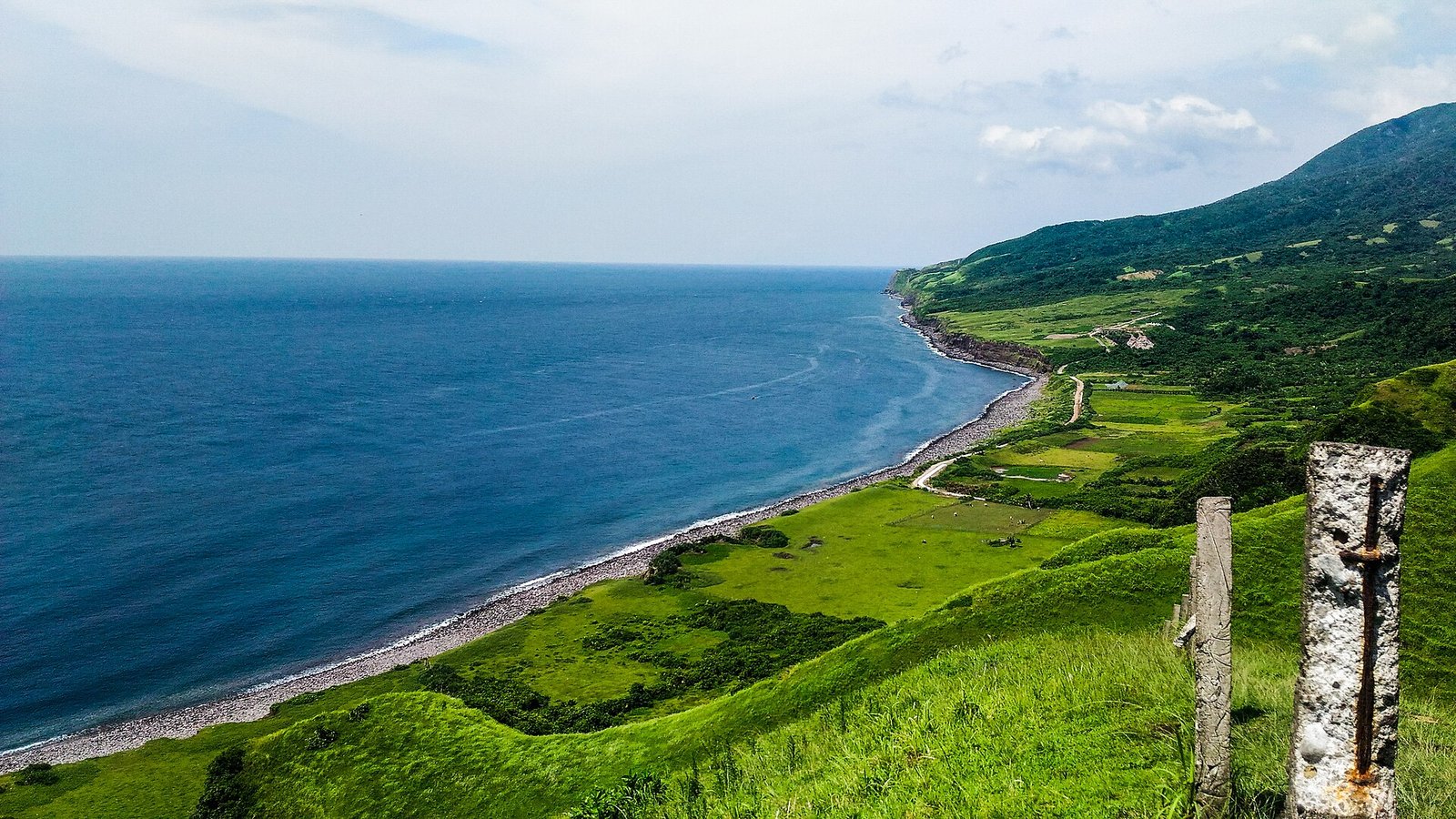
Vayang Rolling Hills, Batanes. Photo: Jeremy.alinea, CC BY-SA 4.0, via Wikimedia Commons
Batanes, the Philippines’ northernmost province, feels like nowhere else in the country: rolling green hills, wind-carved cliffs and stone houses built by the Ivatan people to withstand typhoons. It is remote, weather-dependent and rewards careful planning. This guide focuses on a four-day itinerary specifically for first-time visitors who want comfortable stays and a relaxed pace, with a built-in buffer for flight and boat disruptions.
Research-based itinerary · Checked October 2026 against official tourism and weather sources. Boat and flight schedules in Batanes change with conditions; confirm with your accommodation before travel.
Itinerary at a glance
Day 1: arrive in Basco and explore North Batan. Day 2: South Batan coastal loop. Day 3: Sabtang Island by faluwa boat. Day 4: slow morning, Mount Iraya views and departure. Add a fifth day as a weather buffer from June to November.
Before You Go: Flights, Fees and Timing
Batanes is reached by air to Basco Airport, with direct flights from Manila taking roughly 1.5 to 2 hours. Seats are limited and flights are sometimes cancelled in poor weather, so book early and avoid tight onward connections. A small tourism or environmental fee is typically collected on arrival; carry cash in pesos, as card acceptance and ATMs are limited outside Basco.
The most reliable season is roughly March to May, when seas are calmer and the hills are green. June to November brings the southwest monsoon and typhoon risk, which can cancel the Sabtang boat and flights for days at a time. Check the PAGASA weather service in the week before departure, and see the Philippine Department of Tourism for current entry information.
Budget for Batanes differently from other Philippine islands. Flights are usually the largest cost, and because there are few tour operators, day tours with a private driver can be pricier than in Palawan or Cebu. On the other hand, food and homestays are good value, and most travellers spend little beyond tours and accommodation. Book your accommodation first and ask it to arrange tours, as hosts know the best drivers and can rebook boats if weather changes.
Day 1: Basco and North Batan
Land in Basco in the morning, drop your bags and start gently. Most visitors tour Batan by hired tricycle or van with a local driver-guide, which is the easiest way to manage the winding roads.
- Naidi Hills and Basco Lighthouse – sweeping views across the town and harbour; return here for sunset.
- Vayang Rolling Hills – the postcard landscape of grassy ridges dropping to the sea, best in late afternoon light.
- Valugan Boulder Beach – a dramatic shore of smooth volcanic boulders on the east coast, not for swimming but unforgettable.
- Tukon Chapel – a stone chapel set high on a hill with views of the coastline.
Dinner in Basco is simple and local: try fresh fish, uvud (banana-pith balls) and lunis (Ivatan-style pork).
Keep the first afternoon light. Flights often arrive mid-morning, and the wind on exposed ridges can be tiring after an early start from Manila. Many drivers recommend saving Vayang and the lighthouse for the late afternoon, when the light softens and the hills glow. If you arrive with energy to spare, the Fundacion Pacita grounds and the small cafés around Basco are pleasant places to slow down.
Day 2: South Batan Coastal Loop
Spend a full day on the southern loop, which strings together the island’s most photographed spots. Start early to beat the midday heat and wind.
- Racuh a Payaman (Marlboro Country) – communal pastureland with cattle, open meadows and Mount Iraya behind.
- San Carlos Borromeo Church, Mahatao – a whitewashed Spanish-era stone church.
- House of Dakay, Ivana – one of the oldest surviving traditional stone houses in the province.
- Honesty Coffee Shop, Ivana – an unstaffed shop where you serve yourself and leave payment in a box; a charming symbol of Ivatan trust.
- Alapad Rock Formation and Chadpidan Bay – rugged coastline and viewpoints in Uyugan.
Finish back in Basco and confirm your faluwa boat time for the next morning with your accommodation.
The south loop is long, and roads cling to cliffs in places, so do not try to squeeze it into a half day. Ask your driver to time lunch around Mahatao or Ivana, where small eateries serve set meals with local fish, and to stop at viewpoints along the coastal road between Ivana and Uyugan. In the late afternoon, the stretch around Marlboro Country becomes especially photogenic, with cattle grazing against the backdrop of Mount Iraya.
Day 3: Sabtang Island and Its Stone Villages
Sabtang is the highlight for many travellers. Boats called faluwa leave Ivana port early in the morning, and the crossing takes roughly 30 to 45 minutes depending on sea conditions. Trips are cancelled when waves are high, which is exactly why this day sits mid-itinerary rather than at the end.
On Sabtang, a tricycle tour typically includes Chavayan, the best-preserved village of traditional stone-and-cogon houses; Savidug and Sumnanga fishing villages; and Morong Beach with its natural stone arch, Nakabuang. Bring a hat and water, as shade is scarce.
Return to Batan by early afternoon, when seas often become rougher.
Seas in the channel between Batan and Sabtang can be rough even on sunny days, so take motion-sickness tablets if you are prone to seasickness, and keep electronics in a dry bag. Life jackets are provided, but standards vary, so check before departure. On the island itself, villages are small and quiet; buy snacks or crafts from local stalls to support the community, and expect a simple lunch, often arranged through your guide.
Day 4: Slow Morning and Departure
Use your final morning flexibly. If the Sabtang trip was cancelled, this is your second chance. Otherwise, enjoy a slow breakfast with views of Mount Iraya, the dormant volcano that dominates Basco, browse local crafts such as vakul headgear made from palm fibre, and revisit your favourite viewpoint before your afternoon flight.
Adding Itbayat, the largest and most remote inhabited island, requires extra days and a tolerance for rough boat rides or limited small-plane seats; save it for a second visit.
Comparing other remote Philippine islands for a future trip? Our Siargao vs Boracay comparison is a good starting point.
Before you fly out, browse the small shops in Basco for local handicrafts and snacks to take home, and allow time at the airport, as check-in for small regional flights can close earlier than you might expect. For background on Ivatan heritage and the stone houses you have seen, the Batanes overview is a helpful primer.
Where to Stay in Batanes
Batanes has no large international resorts, and that is part of its charm. Accommodation ranges from family-run homestays to a handful of boutique lodges. Book well ahead for the March–May peak.
- Fundacion Pacita Batanes Nature Lodge – the former studio home of artist Pacita Abad, set on a clifftop with sea views; the province’s best-known boutique stay.
- Batanes Resort – a long-running option near Basco with cottages and convenient airport access.
- Homestays and inns in Basco – simple and friendly, often arranging tours and boat transfers.
For a full breakdown of higher-end options, read our best luxury resorts in the Batanes Islands guide.
If you want beach time after Batanes, pair it with a few nights in Siargao or Camiguin.
Rooms in Batanes are generally simple, even at the top end, and some properties have limited hot water or air conditioning. Read recent reviews carefully if comfort matters, and choose a place with reliable backup power, since outages occur during storms. What you gain is extraordinary hospitality: many hosts cook home-style meals and share stories about Ivatan culture.
Day-by-Day Summary and Practical Tips
Use this summary table to brief your driver-guide or share the plan with travel companions.
- Pack for wind and sun: a light windproof layer, hat and reef-safe sunscreen.
- Respect villages: ask before photographing people and homes in Chavayan and other communities.
- Mind the plastic: Batanes is known for strong local environmental rules; carry a refillable bottle.
- Connectivity: mobile data works in Basco but can be patchy elsewhere; download offline maps.
Finally, remember that the Batanes experience is about landscapes and people rather than beaches. Swimming is limited because of strong currents and rocky shores, so if a classic tropical beach is your priority, combine Batanes with another destination. Our Camiguin luxury resorts guide covers a softer island option in Mindanao.
| Day | Area | Highlights | Pace |
|---|---|---|---|
| Day 1 | Basco & North Batan | Naidi Hills, Vayang, Valugan, Tukon | Easy, half day |
| Day 2 | South Batan loop | Marlboro Country, Mahatao church, Honesty Coffee Shop | Full day |
| Day 3 | Sabtang Island | Chavayan stone houses, Morong Beach arch | Early start, weather-dependent |
| Day 4 | Basco | Mount Iraya views, crafts, flight | Flexible / buffer |
Frequently Asked Questions
How many days do you need in Batanes?
Four days covers Batan and Sabtang comfortably. From June to November, add a fifth day as a buffer for cancelled boats or flights.
What is the best month to visit Batanes?
March to May is usually best, with calmer seas, green hills and lower typhoon risk.
How do you get to Sabtang Island?
Take a faluwa boat from Ivana port on Batan. Crossings take about 30 to 45 minutes and run mainly in the morning, subject to sea conditions.
Are there luxury resorts in Batanes?
There are no large international resorts. The top choice is boutique, such as Fundacion Pacita Batanes Nature Lodge, alongside comfortable inns and homestays.
Do I need cash in Batanes?
Yes. Carry enough pesos for tours, meals and fees, as card acceptance and ATMs are limited outside Basco.
Vayang Rolling Hills, Batanes. Photo: Jeremy.alinea, CC BY-SA 4.0, via Wikimedia Commons