Avarua, Rarotonga: A Town Guide for 2026
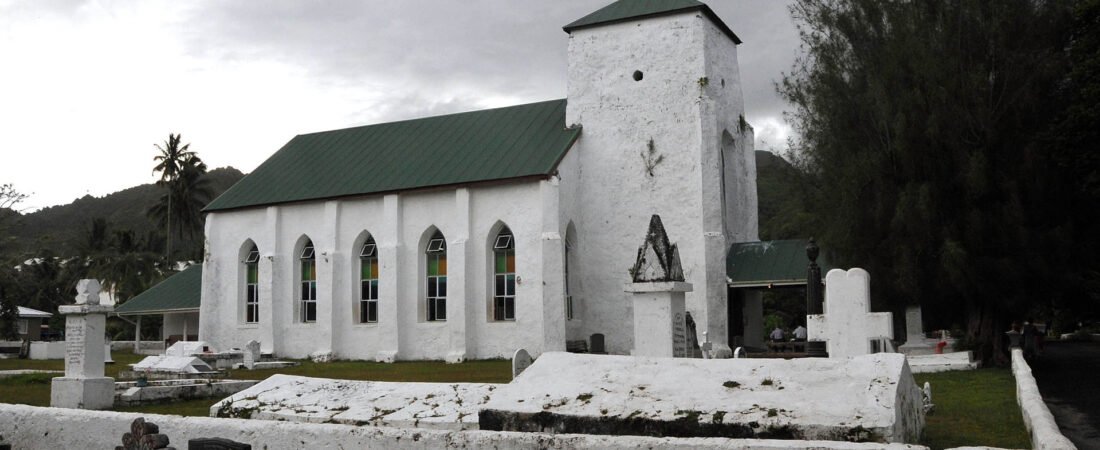
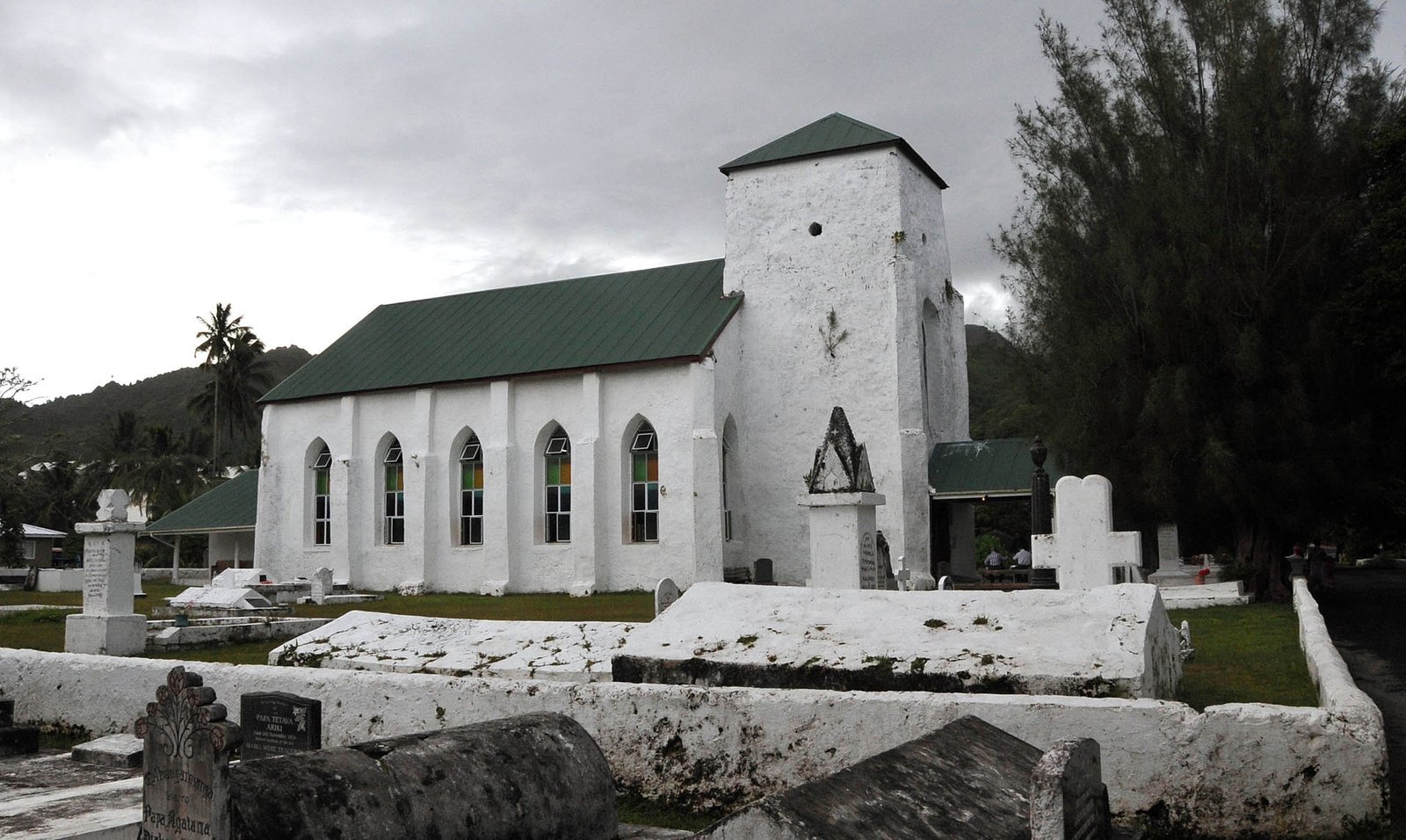
The Cook Islands Christian Church in Avarua.
Avarua is the capital of the Cook Islands, but do not picture a city. It is a small, friendly town strung along Rarotonga’s north coast, with a harbour, a few streets of shops and cafés, government buildings, banks and one of the South Pacific’s most enjoyable weekly markets. You can walk from one end to the other in about twenty minutes.
This guide focuses on Avarua specifically for visitors staying at resorts in Muri, Titikaveka or the west coast who want to plan a half-day or Saturday visit to town: what to see, where to shop for black pearls and crafts, where to eat and how to fit in errands like banking. If you are still choosing where to stay, see our best luxury resorts in Rarotonga.
Quick answer
Visit on a Saturday morning for the Punanga Nui Market, then walk east along the waterfront to the historic Cook Islands Christian Church, browse black pearl and craft shops, and finish with lunch overlooking the harbour. Avoid Sunday, when almost everything is closed.
Avarua at a glance
Most visitors spend a morning or afternoon in town rather than a full day. This table summarises the highlights and when to go.
| Highlight | When to go | Time needed | Tip |
|---|---|---|---|
| Punanga Nui Market | Saturday morning | 1.5–2 hours | Arrive early for the best food and crafts |
| Cook Islands Christian Church | Any day; services on Sunday | 30 minutes | Dress modestly and be respectful in the churchyard |
| Black pearl shops | Weekdays and Saturday morning | 1 hour | Ask about grading and certificates |
| Harbour and waterfront | Late afternoon | 30–60 minutes | Good spot for a drink and the sunset |
| Banks, pharmacy and supermarkets | Weekdays | As needed | Stock up before heading to Aitutaki |
| Museum and library | Weekdays; check hours | 45 minutes | Small but useful for history and culture |
Why Avarua is worth a few hours
Most visitors to Rarotonga spend their days at the beach, so it is easy to skip the capital. That would be a mistake. Avarua is where you see everyday island life: schoolchildren in uniform, families shopping for the week, church choirs practising and fishing boats unloading at the harbour. It adds context to the resort experience and offers the best food and shopping on the island in a single compact area.
Punanga Nui Market on Saturday morning
The Punanga Nui Market, on the waterfront at the western end of town, is Avarua’s highlight and a social event for the whole island. On Saturday mornings it fills with food stalls, fresh produce, craft sellers, musicians and families catching up over breakfast. It is the best single place on Rarotonga to sample local food and pick up souvenirs.
- Eat: try fresh tropical fruit, coconut drinks, smoothies, local baked goods and dishes such as ika mata, raw fish marinated in citrus and coconut cream.
- Shop: look for pareu (sarongs), woven hats and bags, carvings, shell jewellery and fragrant ei (flower garlands).
- Listen: local ukulele and string band music is part of the atmosphere.
- Arrive early: the market is busiest from early morning to late morning, and popular food stalls can sell out. Many stalls start packing up around midday.
Some stalls also operate on weekdays, but Saturday is when the market is at its liveliest. Bring cash in small denominations, as many vendors do not take cards.
Historic sights and churches
Avarua’s most important historic building is the Cook Islands Christian Church, a white-walled church built from coral limestone in the mid-19th century, following the arrival of missionaries in the 1820s. Its peaceful churchyard contains the graves of notable figures, including the country’s first premier. Visitors are welcome to walk around respectfully, and attending a Sunday service is a memorable way to hear the island’s powerful a cappella hymn singing.
Around town you can also find traditional meeting grounds and sites linked to the island’s chiefly families, along with the colonial-era and government buildings that reflect the Cook Islands’ history as a self-governing nation in free association with New Zealand. A small museum and library offer an introduction to Cook Islands history, voyaging traditions and culture; check opening hours before you go.
Etiquette tips
- Dress modestly in churches and villages, covering shoulders and knees.
- Ask before photographing people, particularly at church services and community events.
- Respect Sunday as a day of rest; avoid noisy activities and plan errands for other days.
Beyond the town centre
If you have more time, combine Avarua with nearby stops along the north coast. Avatiu Harbour, just west of the centre, is the working port where fishing boats, inter-island cargo vessels and charter boats tie up, and it is an interesting place to watch island life go about its business. Further along the coast, the road passes the airport runway, where you can watch the small number of daily international arrivals swoop low over the lagoon.
Inland from town, roads lead up into the green valleys behind Avarua, and the northern trailhead of the Cross-Island Track is also on this side of the island. The hike is steep and slippery after rain, so if you are tempted, plan it as a separate outing with a guide rather than squeezing it into a shopping morning.
Shopping: black pearls, crafts and pareu
Avarua is the best place on Rarotonga for shopping. The Cook Islands are known for black pearls cultivated in the lagoons of the remote northern atolls, and several shops in town sell loose pearls, pendants, earrings and strands across a wide range of prices.
Buying black pearls sensibly
- Compare a few shops before deciding, as quality and price vary considerably.
- Learn the basics of grading: size, shape, surface quality, lustre and colour all affect value.
- Ask about certificates and the pearl’s origin, and request a written receipt.
- Set a budget first; there are beautiful pieces at modest prices as well as investment-grade pearls.
Beyond pearls, look for locally made pareu, tivaevae-inspired textiles (Cook Islands quilting), carvings, coconut-shell crafts and ukuleles. Buying directly from makers at the market is a good way to support local artisans.
Where to eat and drink
Avarua has a cluster of cafés and casual restaurants, many with harbour or lagoon views. Breakfast and lunch are the strongest meal times in town, and many visitors combine a morning of sightseeing with a long lunch before heading back to their resort.
- Cafés: good for coffee, smoothies, fresh juices and light meals. Several are popular with locals and open early.
- Waterfront restaurants and bars: ideal for fish and chips, fresh catch of the day and a sunset drink overlooking the harbour.
- Market food: on Saturdays the market is the best value meal in town.
- Evenings: Avarua has a handful of bars and occasional live music on Friday nights, but nightlife is modest. Most visitors dine near their resort.
Opening hours vary and some places close early or on certain days, so check before making a special trip, particularly outside peak season.
Practicalities: getting there and getting things done
Avarua is easy to reach. The round-island bus runs clockwise and anticlockwise and stops in the town centre, so you can travel from Muri or the west coast without a car. Taxis and rental cars and scooters are also available. Parking is generally straightforward, apart from around the Saturday market.
- Money: Avarua has the island’s main banks and ATMs. The Cook Islands use the New Zealand dollar alongside local coins and notes; withdraw cash here before visiting Aitutaki, where ATMs are limited.
- Groceries and supplies: supermarkets and pharmacies in and around town are useful for self-caterers and for stocking up on sunscreen and snacks.
- Connectivity: mobile SIM cards and data packages can be bought in town.
- Flights: Rarotonga International Airport is a short drive west of Avarua, and Air Rarotonga flights to Aitutaki depart from the domestic terminal.
For official visitor information, see Cook Islands Tourism, and check travel advice through SafeTravel or Smartraveller.
A half-day Avarua itinerary
This simple plan works best on a Saturday but can be adapted to any weekday.
- Early morning: take the bus or drive into town and head straight to the Punanga Nui Market for breakfast, fresh fruit and coffee.
- Mid-morning: browse craft stalls, then walk along the waterfront towards the town centre and visit black pearl shops.
- Late morning: continue to the Cook Islands Christian Church and its churchyard, then visit the museum if it is open.
- Lunch: choose a café or waterfront restaurant overlooking the harbour.
- Afternoon: run errands at the bank or supermarket, then return to your resort for a swim, or stay for an early sunset drink.
Avarua pairs well with the rest of a Cook Islands trip. Use our Rarotonga vs Aitutaki guide to plan how to divide your nights, our Aitutaki lagoon guide for the lagoon island, and our best time to visit guide to time your trip. For couples, the Cook Islands honeymoon guide brings it all together.
Frequently Asked Questions
What day is the Punanga Nui Market in Avarua?
The main market day is Saturday morning, when food, craft and produce stalls are busiest. Some stalls also trade on weekdays.
Is Avarua worth visiting?
Yes. It is small, but the Saturday market, historic church, black pearl shops and waterfront cafés make it a worthwhile half-day trip from any resort.
How do you get to Avarua from Muri?
Take the round-island bus, which stops in the town centre, or drive, taxi or ride a scooter. The trip is short because Rarotonga is only about 32 km around.
Is Avarua open on Sundays?
Most shops, the market and many restaurants close on Sunday, which is a day of rest and church services across the Cook Islands.
Where can you buy black pearls on Rarotonga?
Avarua has the island’s main pearl shops. Compare several, ask about grading and certificates, and set a budget before buying.
Hero photo: Jerrye and Roy Klotz MD via Wikimedia Commons, CC BY-SA 3.0. Details such as rates, schedules and policies change; confirm directly with operators before booking.