
Rarotonga vs Aitutaki: Which Island to Choose
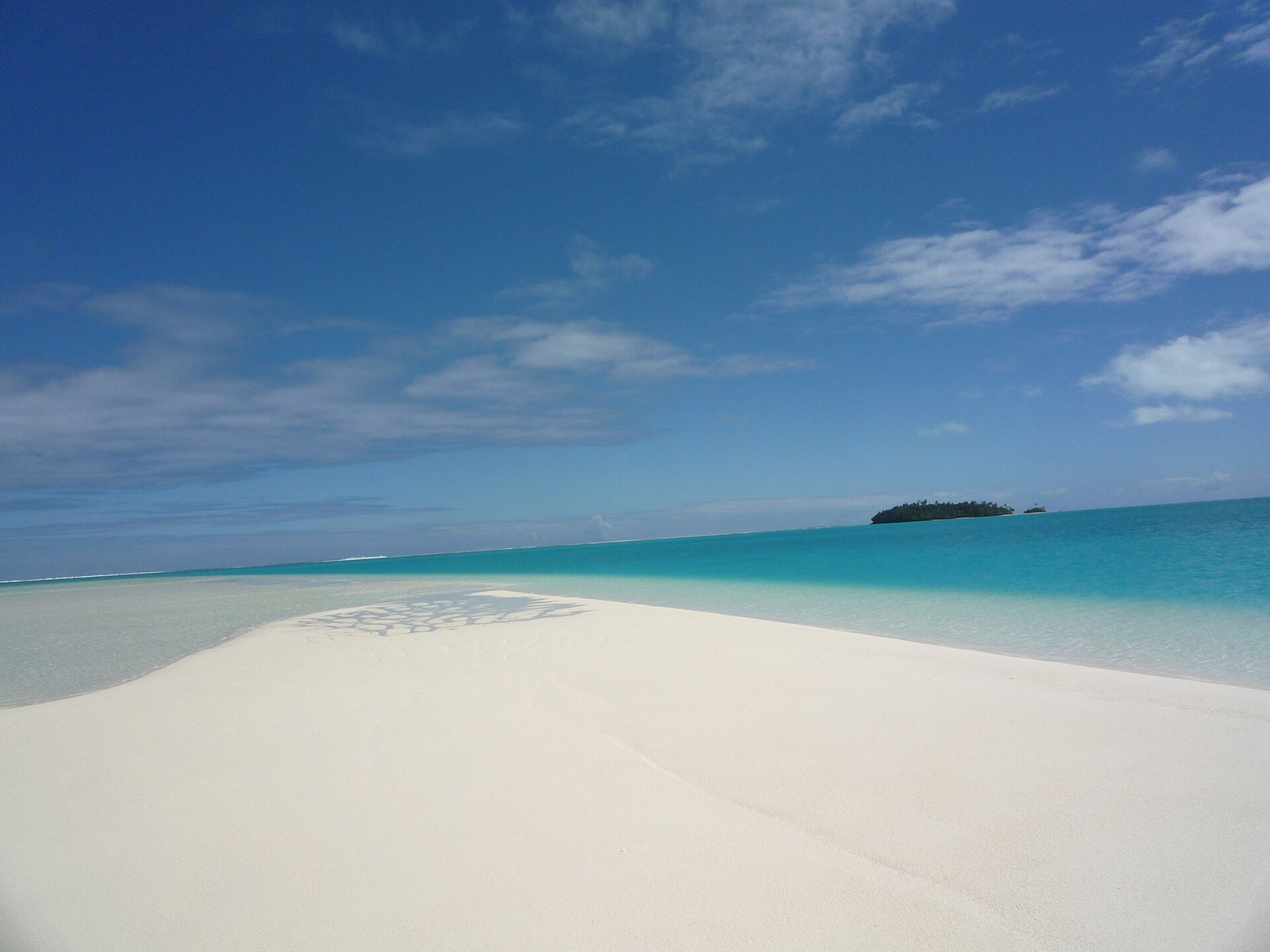
The sandbar near One Foot Island, Aitutaki.
Rarotonga and Aitutaki are the two islands almost every Cook Islands visitor considers, and they could hardly be more different. Rarotonga is the busy, mountainous main island with the international airport, most of the accommodation and plenty to do. Aitutaki is a quieter, low-lying island wrapped around one of the most beautiful lagoons in the South Pacific.
This guide focuses on the Rarotonga vs Aitutaki decision specifically for travellers with five to ten nights who are deciding whether to choose one island or split their stay, and how to divide the nights if they do. For seasonal timing, see our best time to visit the Cook Islands guide.
Quick answer
Choose Rarotonga if you want variety, activities, dining and better value. Choose Aitutaki if your priority is a postcard lagoon, seclusion and romance. For most travellers the best answer is both: base yourself on Rarotonga and add three or four nights on Aitutaki, which is about 50 minutes away by plane.
Rarotonga vs Aitutaki at a glance
The table below compares the two islands on the factors that most affect a holiday.
| Factor | Rarotonga | Aitutaki |
|---|---|---|
| Landscape | Volcanic peaks, jungle interior, fringing lagoon | Low hills, enormous turquoise lagoon, sandy motu |
| Getting there | International flights land here | About 50 minutes by domestic flight from Rarotonga |
| Atmosphere | Relaxed but lively, with bars, markets and buses | Very quiet, village-paced, few vehicles |
| Accommodation | Wide range, from backpackers to luxury villas | Smaller selection, including the country’s only overwater bungalows |
| Dining | Many restaurants, cafés and a weekly market | Limited choice, mostly resort and small local eateries |
| Activities | Hiking, snorkelling, cultural shows, diving, tours | Lagoon cruises, snorkelling, kayaking, bonefishing |
| Value | Generally better value | Higher prices for food and accommodation |
| Best for | Families, active travellers, first-timers | Honeymooners, couples, slow travellers |
Rarotonga: best for variety, activities and value
Rarotonga is a compact island, roughly 32 km around, encircled by a coastal road with a bus service that runs clockwise and anticlockwise. In a single day you can hike into the mountainous interior, snorkel in a lagoon, browse a market and finish with an Island Night dinner show. That variety is its biggest strength.
- Muri Lagoon on the south-east coast is the island’s best-known beach area, with calm, shallow water, small offshore motu and plenty of places to rent kayaks and paddleboards.
- The Cross-Island Track leads into the interior past the rock spire known as Te Rua Manga (The Needle). It is steep and muddy after rain, so many people go with a guide.
- Avarua, the small capital on the north coast, has the Punanga Nui Market on Saturday mornings, cafés, shops and the historic Cook Islands Christian Church.
- Snorkelling and diving are easy to arrange, with sheltered areas inside the reef and dive sites outside it.
- Culture: village tours, church services and Island Nights offer a strong introduction to Cook Islands Māori traditions.
Rarotonga also offers the widest accommodation choice. Families can find resorts with kids’ clubs, budget travellers can find self-catering bungalows, and couples can choose adults-only boutique stays and private villas. That range makes it the more practical base, especially for longer trips.
Getting around each island
On Rarotonga, the round-island bus is simple and inexpensive, and hiring a scooter, car or bicycle gives you more freedom. Visitors who want to ride a scooter should check current local licensing rules before they arrive. On Aitutaki, distances are short and traffic is light, so a scooter or bicycle is usually enough; many resorts also provide kayaks for exploring the lagoon close to shore.
Aitutaki: best for the lagoon, seclusion and romance
Aitutaki’s appeal is concentrated in its lagoon. Shallow, sheltered and dotted with motu, it shifts through shades of turquoise and aqua that photographs struggle to capture. The full-day lagoon cruise, with stops for snorkelling, a beach lunch and a visit to One Foot Island (Tapuaetai), is the defining Aitutaki experience. Our Aitutaki lagoon travel guide covers cruise options and how many nights to stay.
Beyond the lagoon, Aitutaki is about doing very little. The island has a few villages, a lookout at Maunga Pu, quiet roads for cycling, and a slow rhythm where the main decisions are which beach to swim at and where to watch the sunset. It is ideal for honeymooners and anyone who wants a real break from screens and schedules.
The drawbacks are fewer dining options, higher prices for groceries and accommodation, and limited services. If you get restless easily, Aitutaki is best enjoyed for a few nights rather than an entire trip.
Aitutaki also rewards a little planning. Book your lagoon cruise for your first full day so that you have a backup day if the weather turns, bring cash because ATMs are limited, and stock up on snacks and sunscreen on Rarotonga, where the choice is wider and prices are lower. With those basics covered, the island is easy to enjoy.
Accommodation and costs compared
Rarotonga has the deeper hotel market, and competition keeps prices more reasonable. Mid-range beachfront resorts and self-catering villas are plentiful, especially on the south and west coasts. At the top end, boutique villa resorts around Muri and Titikaveka offer private pools and adults-only settings.
Aitutaki has fewer properties, and many are in the upper-mid to luxury range. Its signature stays include lagoon-front villa resorts and the only overwater bungalows in the country, located at a private-island resort. Budget options do exist in the form of guesthouses and simple bungalows, but they sell out quickly.
Ways to manage costs
- Spend more nights on Rarotonga, where accommodation and meals cost less, and save your splurge for Aitutaki.
- Self-cater for some meals on Rarotonga using supermarkets and the Saturday market.
- Compare day-trip packages from Rarotonga to Aitutaki if you only want to see the lagoon once.
- Travel in shoulder season, such as May, June or October, to avoid peak school holiday pricing.
Which island is right for your trip?
- Honeymooners: both, with the emphasis on Aitutaki. Spend a few nights recovering from the journey on Rarotonga, then finish on Aitutaki. Our Cook Islands honeymoon guide suggests specific resorts.
- Families with young children: mostly Rarotonga, which has more family resorts, more food choice, medical services and activities. Add Aitutaki only if the budget allows, or take a day trip.
- Active travellers: Rarotonga, for hiking, cycling, diving and paddling, with an Aitutaki add-on for the lagoon cruise.
- Budget travellers: Rarotonga for the whole trip, with a single day trip to Aitutaki if possible.
- Slow travellers and readers: Aitutaki for as long as you can manage, with only a brief stop on Rarotonga.
If you are also considering other South Pacific destinations, the same choice between a busy main island and a quieter lagoon island applies in French Polynesia; see our Tahiti vs Bora Bora comparison. For an overall South Pacific shortlist, our Fiji honeymoon guide is a useful counterpoint.
How to split your nights
If you decide to visit both islands, a few rules of thumb make the logistics smoother. Most international flights arrive on Rarotonga, so start and finish your trip there, or schedule Aitutaki in the middle. Leave a buffer night on Rarotonga before an international departure in case domestic flights are delayed.
| Total nights | Rarotonga | Aitutaki | Notes |
|---|---|---|---|
| 5 nights | 3 | 2 | Tight but workable; focus on the lagoon cruise |
| 7 nights | 4 | 3 | The classic split for first-timers |
| 10 nights | 5–6 | 4–5 | Room for hiking, diving and lazy days |
| 14 nights | 7 | 7 | Ideal for honeymoons and long-haul travellers |
A sample seven-night split
- Nights 1–2, Rarotonga: recover from the flight, swim at Muri Lagoon, take the round-island bus and book an Island Night show.
- Nights 3–5, Aitutaki: fly over in the morning, take a full-day lagoon cruise on your first full day, then spend the remaining time snorkelling, cycling and watching sunsets.
- Nights 6–7, Rarotonga: return for a guided Cross-Island Track hike or a dive, visit the Saturday Punanga Nui Market if your dates allow, and enjoy a final dinner on the beach before flying home.
This structure keeps the international arrival and departure on the same island and places the most relaxing part of the trip in the middle, when jet lag has eased and you can fully enjoy the lagoon. It also gives you a buffer on Rarotonga before your international flight, which is helpful if weather affects domestic schedules.
Book domestic flights with Air Rarotonga as soon as your international flights are confirmed, especially between July and October. For official visitor information, check Cook Islands Tourism, and review entry rules and safety advice through Smartraveller or SafeTravel.
One last tip: on both islands, Sundays are quiet. Shops and many tours close, and life revolves around church and family. Plan travel days and lagoon cruises for other days of the week, and use Sunday to rest, attend a service or explore on your own.
Frequently Asked Questions
Is Aitutaki better than Rarotonga?
Aitutaki has the more spectacular lagoon and a quieter atmosphere, while Rarotonga offers more activities, dining and value. Most travellers enjoy combining the two.
How many days do you need in the Cook Islands?
Seven to ten nights is ideal for a first visit, allowing four to six nights on Rarotonga and three or four on Aitutaki.
Can you visit Aitutaki as a day trip from Rarotonga?
Yes. Day-tour packages include return flights, a lagoon cruise and lunch. It is a long day, and staying overnight is more relaxing.
Which Cook Islands island is best for families?
Rarotonga is usually the better base for families because it has more family-friendly resorts, food options, activities and services.
Which island is best for a honeymoon?
Aitutaki is the most romantic island thanks to its lagoon and seclusion, but many honeymooners spend a few nights on Rarotonga first.
Hero photo: onj via Wikimedia Commons, CC BY 3.0. Details such as rates, schedules and policies change; confirm directly with operators before booking.