Lakshadweep Islands Travel Guide 2026
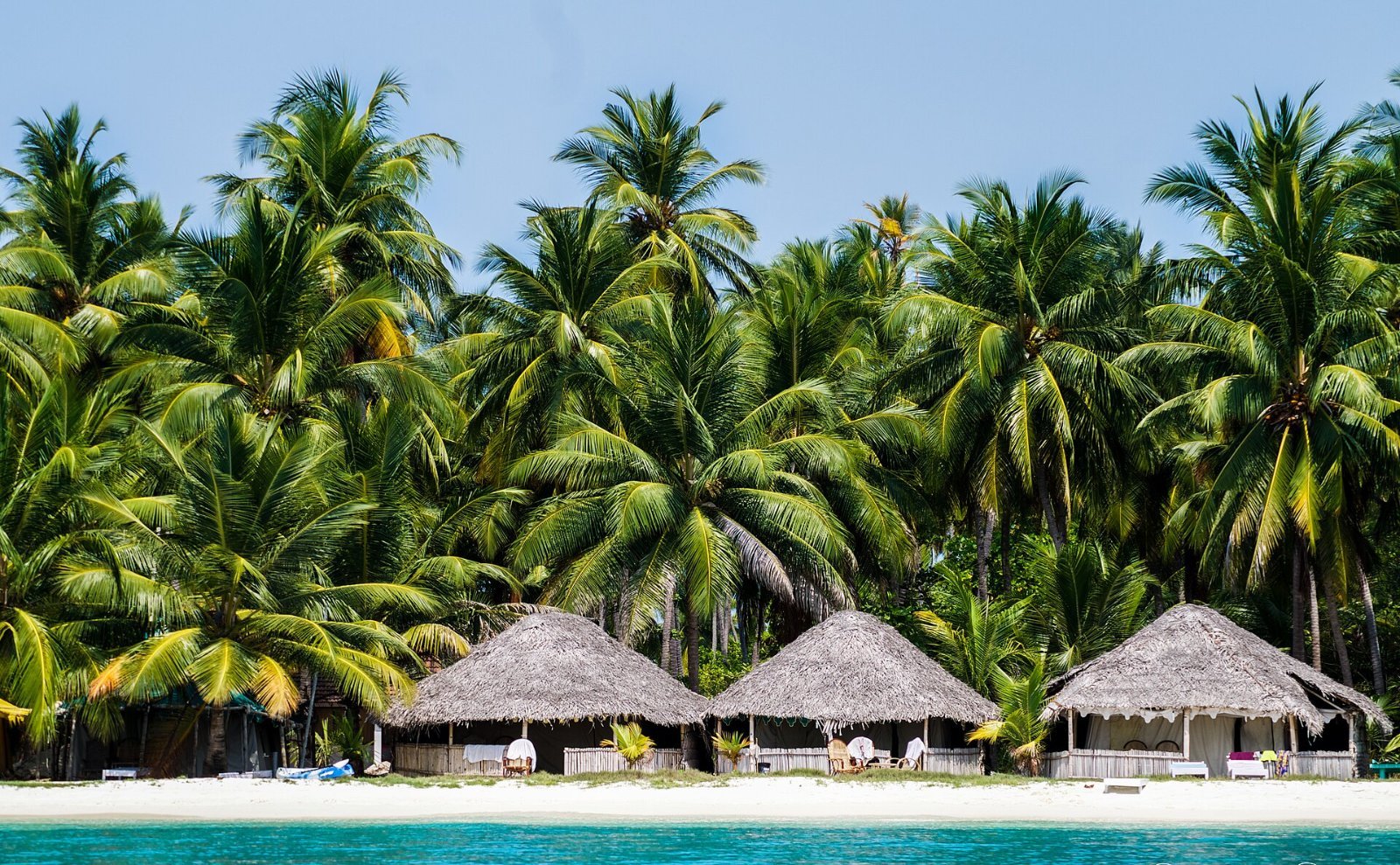
Bangaram Island, Lakshadweep. Photo: Wikimedia Commons (CC BY-SA 4.0)
Lakshadweep is India’s only coral-atoll archipelago: 36 islands and reef systems scattered across the Arabian Sea, about 200-440 km off the Kerala coast, with lagoons that genuinely rival the Maldives. This guide focuses on first-time visitors planning a Lakshadweep trip from mainland India or abroad in 2026, covering exactly which islands you’re allowed to visit, how to get a permit, what it costs, and what’s changing this year as the territory’s first branded overwater-villa resorts come online.
Unlike the Maldives, Lakshadweep is not a collection of private island resorts you can simply book and fly into. It is an inhabited Indian union territory with its own permit system, a dry-island policy almost everywhere, and a tourism model built around a handful of designated islands rather than wall-to-wall resort development. That restraint is exactly why it still feels undiscovered, and exactly why planning one takes more legwork than booking a Maldives atoll.
Research-based guide · Sources checked 7 October 2026. This is not a first-hand stay review or a ranking based on guest scores.
Which islands can tourists actually visit
Lakshadweep has 36 islands, but tourism is deliberately limited to a handful to protect the reef ecosystem and the islands’ Muslim-majority communities. As of 2026, six islands take tourists: Agatti, the gateway island with the territory’s only airport; Bangaram, an uninhabited resort island and the only place alcohol is served; Kavaratti, the administrative capital with a living fishing culture; Kadmat, known as the “diver’s island” for its PADI 5-star centre; Minicoy, the southernmost island, 200 km from the main cluster and culturally closer to the Maldives; and Thinnakara, a tiny uninhabited islet usually visited as a day trip from Bangaram. Every other island is closed to non-residents.
Most first-time visitors base themselves on one or two islands rather than island-hop extensively, since every inter-island transfer means another speedboat booking and another weather-dependent crossing. A common pattern is two or three nights on Agatti or Bangaram, with a day trip to Thinnakara or a transfer to Kadmat if diving is the priority.
How to get there from Kochi
There is exactly one flight route into Lakshadweep: Alliance Air operates ATR-72 turboprops from Kochi (COK) to Agatti (AGX), a roughly 90-minute flight, 3-5 times a week. Seats sell out fast in peak season, so book 60 days or more ahead. The alternative is one of three government ferries, M.V. Kavaratti, M.V. Arabian Sea and M.V. Lakshadweep Sea, which take 14-20 hours from Kochi and are weather-dependent; most visitors treat them as a budget or backup option rather than a first choice. Once you land in Agatti, every other island is reached by speedboat, which typically costs roughly ₹6,000-12,000 per person one-way and takes one to two hours depending on the island.
Because flights are the binding constraint, not resort availability, experienced planners book the Kochi-Agatti leg and the permit in parallel rather than one after the other, and keep a buffer night in Kochi on the way home in case of weather delays.
What changes in 2026: the first overwater villas
Indian Hotels Company Limited (IHCL), the Tata Group’s hospitality arm, is opening two Taj-branded resorts in Lakshadweep in 2026: a 110-room property on Suheli (60 beach villas and 50 water villas) and a 110-room property on Kadmat (75 beach villas and 35 water villas). These are the territory’s first true overwater villas, a format Lakshadweep has never offered before, and they are the clearest sign yet that the islands are being positioned as a domestic answer to the Maldives. See our guide to overwater villa alternatives outside the Maldives for how these compare elsewhere in the region. (Source: Business Today.)
Until these resorts open, accommodation in Lakshadweep has been simple by design: beach huts, modest resort cottages and a handful of government-run guesthouses, with nothing resembling a five-star overwater suite. That is part of why the islands have stayed quiet compared with the Maldives, infrastructure, not scenery, has been the limiting factor. The Taj openings do not change the permit system or the islands’ conservative social rules, but they do mean 2026 is the first year a luxury-focused traveller has a genuine reason to put Lakshadweep on the same shortlist as the Maldives or Seychelles.
IHCL’s own framing leans into the comparison directly: its leadership has pointed to Lakshadweep’s reefs and beaches as comparable to the Maldives, a line that gained traction after Prime Minister Narendra Modi publicly promoted the islands as a tourism destination. Whether the Taj properties change pricing or permit volumes for independent travellers is still unclear this early, so if a government-run budget trip is the goal, book before both resorts are fully open and rates start climbing.
Where to stay, and what a trip costs
Pre-Taj, the honest pecking order runs: Bangaram Island Resort for the most polished product and the only bar on the islands; Kadmat Beach Resort for serious divers who want a PADI centre steps from their room; Agatti Island Beach Resort as a practical gateway stay for the first or last night; and government-run SPORTS huts on Kavaratti and Kadmat for travellers on a tight budget who do not mind basic rooms. The table below lines these up with 2026 indicative nightly rates.
| Island | Known for | Typical stay | Indicative rate per night |
|---|---|---|---|
| Agatti | Airport, first/last night | Agatti Island Beach Resort | ₹12,000-22,000 |
| Bangaram | Premium stays, only bar | Bangaram Island Resort | ₹25,000-50,000 |
| Kadmat | Diving, PADI 5-star centre | Kadmat Beach Resort; Taj Kadmat (2026) | ₹15,000-30,000 |
| Kavaratti | Capital, local culture | SPORTS government huts | ₹4,500-8,000 |
| Minicoy | Southernmost, distinct culture | Government guesthouses | ₹4,500-8,000 |
| Suheli | New for 2026 | Taj at Suheli opening 2026 | Not yet published |
Putting a full trip together: a realistic five-day, four-night itinerary for one person, flights, resort, two or three dives and permit fees included, runs roughly ₹70,000-150,000. Flights account for ₹22,000-30,000 round trip, the resort for ₹45,000-75,000, diving for ₹15,000-22,000, and permits plus inter-island transfers for ₹8,000-12,000. Sticking to a government guesthouse and skipping diving can bring the same five days in well under ₹40,000; booking Bangaram at peak season with a full dive package can comfortably exceed ₹150,000.
Permits, alcohol rules and other practicalities
Every non-islander needs an entry permit to visit Lakshadweep, including Indian citizens, a passport is not required, but the permit is non-negotiable. Rules were eased in 2026: applicants no longer need a local sponsor’s reference or a police clearance certificate from their home city; background checks now happen directly through Lakshadweep Police after you submit your application (Outlook Traveller, 2026). You still need to apply at least 14 days before travel and list every island you intend to visit, including transit stops. Alcohol is served only at Bangaram Island Resort; it is prohibited everywhere else, and bags are checked at Agatti airport. For the full permit walkthrough, including costs and processing time, see our step-by-step Lakshadweep permit guide.
Dress and behaviour expectations are conservative outside the resort islands: Kavaratti and Minicoy are inhabited, Muslim-majority communities, and modest swimwear plus covered shoulders off the beach are the norm, a courtesy most first-time visitors appreciate being told in advance rather than discovering on arrival.
When to go, what to do, and how it compares
October through April is the window: October-December brings the best underwater visibility and thinner crowds, January-February is peak season with a 30-50% rate premium, and March-April stays warm with good diving before the monsoon shuts most resorts from May to September. Diving is the headline activity, visibility runs 25-40 metres with water at 26-30°C, and reefs host over 600 fish species along with manta rays, reef sharks and turtles. Snorkelling, kayaking, glass-bottom boat tours and lagoon stand-up paddling round out a trip that is deliberately low-key rather than packed with excursions, per a detailed 2026 route breakdown from HappyFares. For a month-by-month breakdown, see our best time to visit Lakshadweep guide.
For travellers weighing options, our Lakshadweep vs Andaman Islands comparison covers India’s other major island territory, and our Lakshadweep vs Maldives breakdown goes through cost, access and villa style side by side. If the Maldives is still on your shortlist for a honeymoon specifically, see our guide to planning a luxury Maldives honeymoon.
Frequently asked questions
Do Indian citizens need a permit to visit Lakshadweep?
Yes. Every non-resident, including Indian citizens, needs an entry permit. A passport is not required, but you must apply at least 14 days ahead and list every island on your itinerary, including transit stops.
How do I get to Lakshadweep?
Fly Alliance Air from Kochi to Agatti, about 90 minutes, 3 to 5 flights weekly, or take a government ferry from Kochi, 14 to 20 hours. From Agatti, speedboats connect to the other tourist islands for roughly ₹6,000-12,000 per person.
Is alcohol allowed in Lakshadweep?
Only at Bangaram Island Resort. It is prohibited on every other inhabited or visited island, and luggage is checked at Agatti airport.
Are there overwater villas in Lakshadweep?
Not yet as of early 2026, but Taj-branded resorts with water villas are scheduled to open on Suheli and Kadmat islands during the year, the territory’s first, with 85 water villas between the two properties.
What is the best time of year to visit Lakshadweep?
October to April. October to December has the best visibility and fewer crowds, January to February is peak season, and the islands largely close from May to September during the monsoon.
How much does a Lakshadweep trip cost?
A five-day trip for one person typically costs ₹70,000-150,000 including flights, resort, diving and permit fees, though a no-frills government-guesthouse trip without diving can come in well under ₹40,000.