Best Time to Visit Lakshadweep: Month-by-Month Weather Guide 2026
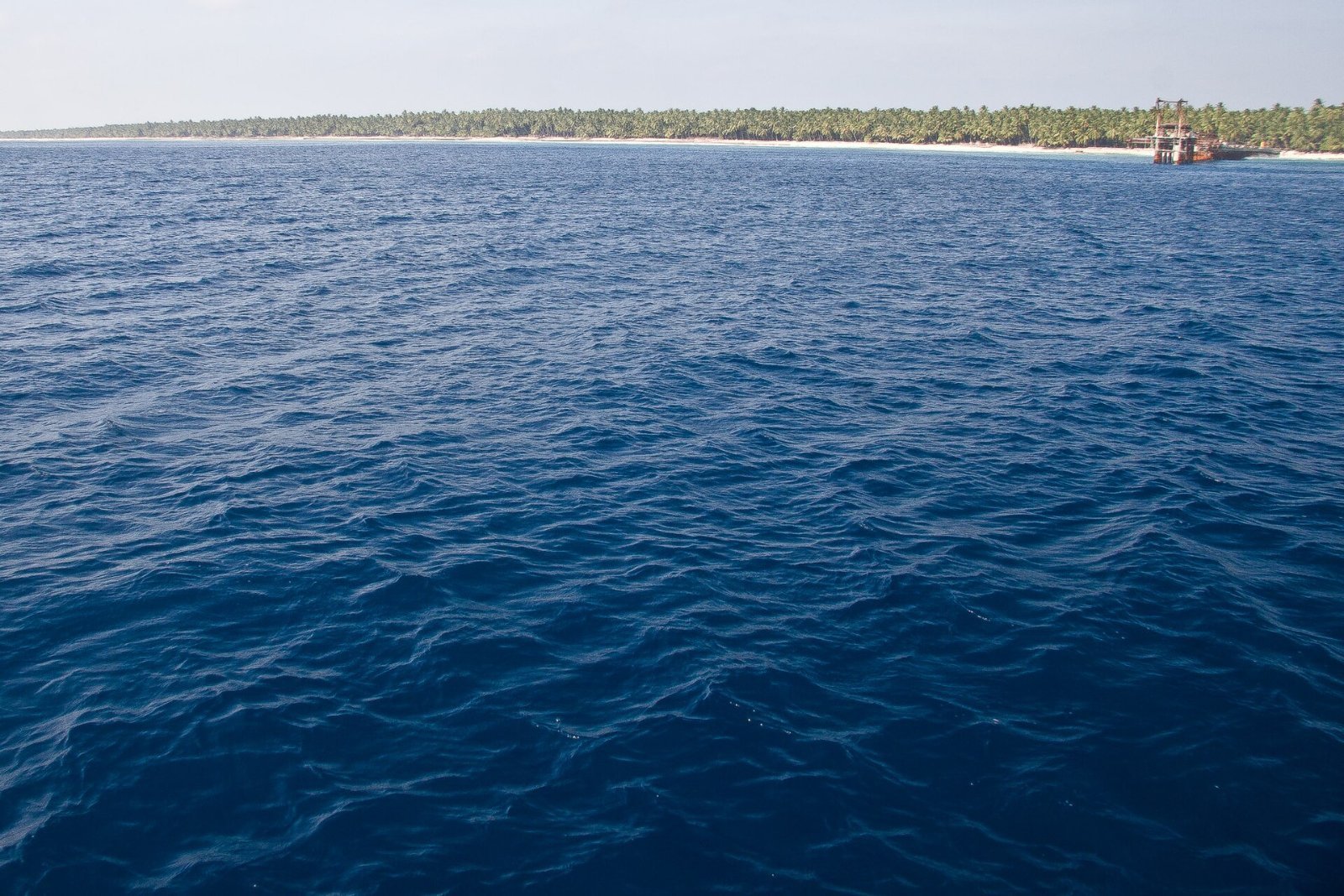
Agatti Island, Lakshadweep. Photo: Wikimedia Commons (CC BY 2.0)
Lakshadweep runs on a tight seasonal clock: most resorts simply close for roughly four months of the year, and the remaining eight-month window has its own sharp swings in price, crowds and diving visibility. This guide focuses on travellers trying to pick the right month for a 2026 Lakshadweep trip, whether the priority is the cheapest fare, the clearest water for diving, or simply avoiding a cancelled flight during the monsoon.
Because Lakshadweep runs on a single flight route and a single peak-season rush, the cost of getting the month wrong is higher here than on most island trips: book the monsoon by mistake and a resort may simply not be open; book peak season without planning ahead and the flight or the room, not the destination, becomes the limiting factor.
Research-based guide · Sources checked 7 October 2026. This is not a first-hand stay review or a ranking based on guest scores.
The short answer
October through April is open season in Lakshadweep; May through September is monsoon season, when most resorts close and ferries and flights are frequently disrupted. Within the open season, October-December offers the best underwater visibility and thinner crowds, January-February is peak season with the highest prices, and March-April is a quieter, still-warm window before the rains return. If you only remember one rule, book outside May-September and you have avoided the single biggest risk to a Lakshadweep trip: a weather-cancelled flight on the only air route in.
October to December: the sweet spot
This is the window most repeat divers and photographers aim for. The seas have calmed after the monsoon, underwater visibility typically runs 25-40 metres, and resorts are open but not yet at peak-season capacity, so rates sit below the January-February premium. Daytime temperatures hover around 27-30°C with comfortable humidity. The only downside is that this period overlaps with India’s festive season (Diwali typically falls in this window), so flights out of Kochi can book up even though island crowds stay relatively light. Divers in particular gravitate to late November and early December, when the post-monsoon swell has fully settled but the January rush has not yet started, giving some of the clearest and least crowded dive sites of the whole season. Photographers chasing calm, glassy lagoon conditions for drone or surface shots tend to favour this same stretch for similar reasons.
January to February: peak season
This is the most popular and most expensive stretch, carrying roughly a 30-50% rate premium over the shoulder months. Weather is at its most reliable, dry, sunny and calm, which is exactly why everyone wants to travel then. Resort availability, especially Bangaram Island Resort, becomes the real constraint rather than flights; serious planners book 90 or more days ahead for this window. If budget matters more than guaranteed sunshine, it’s worth shifting a trip into November or March instead. Resorts rarely discount during this window, so the only real lever travellers have is booking further in advance, since early reservations are typically offered at a lower base rate before late availability gets marked up.
March to April: the warm, quiet shoulder
Water and air temperatures climb (sea temperatures run 28-30°C), diving conditions stay good, and crowds and prices both ease back down from the January-February peak. This is a reasonable window for travellers who want warm, clear water without peak-season rates, though it’s worth booking with an eye on the calendar since the monsoon’s exact onset varies year to year and late April trips occasionally run into early rain. This period also tends to have the thinnest crowds of the open season outside the immediate pre-monsoon weeks, since it falls after the winter holiday rush and before the summer travel period picks up on the mainland, making it a good window for travellers who prioritise quiet beaches over guaranteed dry skies.
May to September: the monsoon, and why most resorts close
The southwest monsoon brings strong winds, rough seas and heavy rainfall to the Lakshadweep Sea from roughly May through September. Ferry crossings become unreliable, the Kochi-Agatti flight is prone to weather cancellations, and most resorts close entirely for maintenance during some or all of this period. This isn’t a shoulder season to find deals in, it’s effectively off the table for most visitors; government staff and residents travel during this window, but it is not recommended for a leisure trip. Several resorts use these months for renovations and staff leave, which is part of why rooms simply are not available even for travellers willing to risk the weather; checking directly with a property before assuming anything is open is the safest approach if travel dates cannot be moved. Ferries also reduce frequency sharply in this window, so travellers relying on the M.V. Kavaratti, M.V. Arabian Sea or M.V. Lakshadweep Sea as a fallback to flights should not count on a sailing being available on short notice during the heart of the monsoon.
If a trip during these months is unavoidable, confirm directly with whichever resort or guesthouse you’re booking that it is actually open, and build in flexible flight dates given the real risk of weather cancellations on the single Kochi-Agatti route.
How far ahead to book, by season
Booking lead time in Lakshadweep is driven by two separate bottlenecks that don’t always move together: flight seats and resort rooms. The Kochi-Agatti route runs only 3-5 times a week on a roughly 70-seat ATR-72, so during Diwali, Christmas-New Year and the January-February peak, flights can sell out 45-60 days ahead even before resort rooms do. Bangaram Island Resort, with limited capacity and the only bar on the islands, tends to be the first property to fill, often 90 days or more ahead for peak-season dates. Shoulder-season trips (November, March) are more forgiving, 3-4 weeks’ notice is usually enough, but the 14-day minimum permit processing window is the hard floor no amount of planning ahead can shrink, since applications still cannot be submitted or approved faster than that regardless of season.
Weather risk is worth separating from crowd risk when picking dates. October and April sit right at the edges of the monsoon and occasionally see an early or late system move through; November through March is climatologically the safest window for avoiding any rain-driven flight disruption at all, which matters more for travellers with a fixed return date, a connecting international flight, or a work deadline than for open-ended trips where a day’s delay is a minor inconvenience rather than a missed connection, and it is the single factor most travel forums and agents point to when asked to pick one safest month for a first Lakshadweep trip.
The table below summarises conditions, pricing and what each month suits best, based on typical patterns for the region.
Matching the month to your trip type
Divers chasing the clearest water and the widest choice of operating dive centres should target November or December. Budget-conscious travellers should aim for late September into October, right as resorts reopen and before festive-season demand kicks in, or April, right before the monsoon, when some properties offer late-season discounts. Anyone travelling around a specific milestone, like a honeymoon, should default to January or February for reliability despite the premium, since a cancelled monsoon-season flight is a real risk not worth taking around a fixed date, and the Taj resorts opening on Suheli and Kadmat in 2026 are likely to add a new peak-season pull once their rates and availability are published, which may make early booking even more important for January-February travel from 2026 onward. For the islands and resorts themselves, see our Lakshadweep islands travel guide, and for the paperwork side, our step-by-step permit guide.
If you’re weighing Lakshadweep’s season against the Maldives’, the two broadly line up, the Maldives’ dry season also runs roughly December to April, but the Maldives has no true closed season in the way Lakshadweep does; see our Lakshadweep vs Maldives comparison for the fuller picture, and our Seychelles seasonal guide if you’re considering a third Indian Ocean option. A 2026 route and timing breakdown from HappyFares and seasonal notes from Thomas Cook India broadly agree with this month-by-month pattern, as does reporting on the 2026 permit changes from Outlook Traveller, which is worth reading before you lock in dates since permits must be filed at least 14 days ahead.
| Months | Conditions | Pricing | Best for |
|---|---|---|---|
| Oct-Dec | Calm seas, 25-40m visibility | Below peak | Diving, photography, value |
| Jan-Feb | Driest, most reliable weather | Peak (+30-50%) | Guaranteed sunshine, milestones |
| Mar-Apr | Warm, 28-30°C water | Moderate | Warm-water diving, fewer crowds |
| May-Sep | Monsoon, rough seas, closures | N/A, most resorts shut | Avoid for leisure travel |
Frequently asked questions
When do Lakshadweep resorts close for the monsoon?
Most resorts close for some or all of the period from roughly May to September, when the southwest monsoon brings rough seas and unreliable flights and ferries.
What is the cheapest month to visit Lakshadweep?
Late September into October, right after resorts reopen, and April, just before the monsoon, tend to offer the best value outside the January-February peak.
Is January or February the best time to visit Lakshadweep?
Weather-wise, yes, it is the driest and most reliable period, but it also carries a 30-50% price premium and needs booking 90-plus days ahead for popular resorts.
Is Lakshadweep diving good year-round?
No. Diving is only offered during the open season, roughly October to April, with October-December and March-April generally giving the best visibility-to-crowd ratio.
How far ahead should I book a Lakshadweep trip?
At least 14 days ahead for the mandatory entry permit, and 60-90 days ahead for flights and resort rooms if travelling in the January-February peak season.