
Best Time to Visit Seychelles: A Season Guide
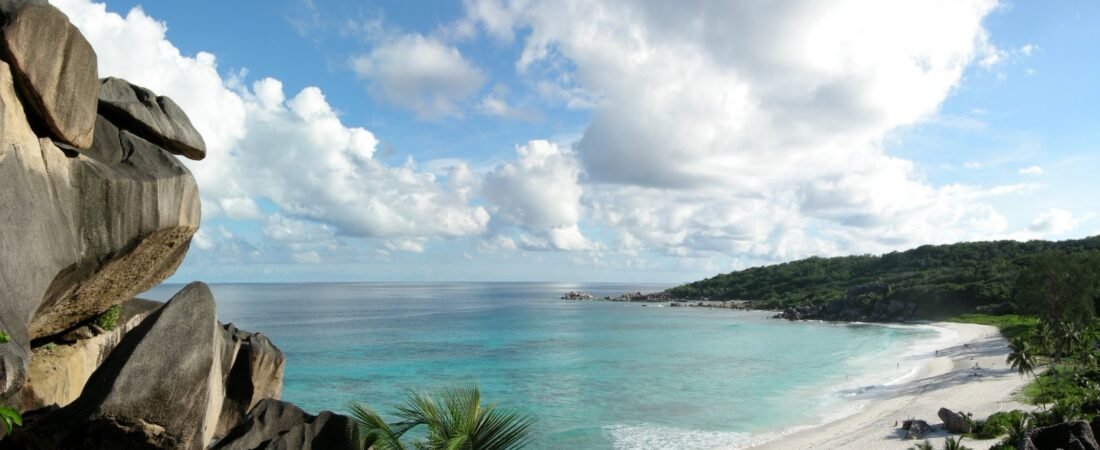
Illustrative island photograph. Not a photograph of the resorts compared below.
The Seychelles sits just south of the equator and stays warm year-round, so “best time to visit” is really a question about wind, rain, and crowds rather than temperature. This guide focuses specifically on season-by-season weather patterns and how they affect beaches, diving, and prices, for travelers deciding exactly when to book a Seychelles trip rather than whether to go at all. It pairs well with our island-by-island comparisons if you are still deciding where, not just when, to go.
Quick Answer: Best Months at a Glance
| Period | Conditions | Crowds & prices |
|---|---|---|
| May to September | Drier, breezier, southeast trade winds | Busiest and priciest; book early |
| October to April | Warmer, more humid, brief afternoon showers | Quieter, lower rates outside holidays |
| April and October | Calmest seas, transitional winds | Moderate; good value shoulder months |
| December to early January | Warm, occasional rain, holiday peak | Very busy; highest rates of the year |
| July and August | Strongest trade winds, choppier east coasts | Very busy; European summer holidays |
Dry Season vs Wet Season
From May through September, the southeast trade winds dominate, bringing lower humidity, fewer rain showers, and noticeably cooler evenings than the rest of the year. The trade-off is wind itself: beaches on the east and south coasts of islands like Mahé and Praslin can get choppy, while west-facing beaches stay calmer, so where you base yourself, and which coast your room actually faces, matters more during these months than in the wetter season. This is also peak European summer holiday season, which pushes both flight and resort prices to their highest point of the year, particularly in July and August. From October through April, winds ease and humidity rises, with short, often intense afternoon showers followed by clear skies rather than days of sustained rain. December through February brings the warmest, most humid stretch of the year, while the Seychelles’ position largely outside the main Indian Ocean cyclone belt means the destructive storm risk seen in some other tropical destinations during their wet season is much lower here. Many travelers find the calmer seas in this period, especially away from the December holiday peak, more comfortable for swimming and ferry crossings between Mahé, Praslin, and La Digue than the windier dry season; our La Digue vs Praslin comparison notes which beaches shelter best from each wind direction. Temperatures themselves barely move across the year, typically sitting in the high twenties to low thirties Celsius by day regardless of season, so packing for heat is a given; what changes is humidity, wind strength, and the odds of a shower interrupting an afternoon on the beach, so dressing for heat rather than for a specific season remains the right default throughout the year.
Shoulder Months: April and October
April and October sit at the transition between the two monsoon-driven wind patterns, and both tend to deliver the calmest sea conditions of the year, with lighter winds than the dry season and less reliable afternoon rain than the core wet months. These shoulder months are a strong pick for travelers who want a balance of good weather, moderate prices, and thinner crowds, and they are worth prioritizing if your travel dates are flexible. Our guide to planning a Seychelles trip covers how to time flight and ferry bookings around these windows, including how far ahead to book during the busier months on either side.
Best Time for Diving and Snorkeling
Underwater visibility in the Seychelles tends to peak during the calmer shoulder months and the early part of the dry season, roughly March through May and again around September, when wind-driven swell is lowest and the water is clearest. The UNESCO-listed Aldabra Atoll and other outer-island dive sites are best planned around these windows specifically, since rougher seas during peak trade-wind months can limit boat access to more exposed sites. Inner Island snorkeling spots near La Digue and Praslin remain accessible for more of the year, since they sit in more sheltered bays, which makes them a reliable fallback if your travel dates land during a windier stretch. Visibility in roughly the 15 to 25 meter range is common during the best windows, dropping somewhat during the wetter months when rainfall runoff and wind-stirred sediment can cloud nearshore water close to shore, particularly after a heavy afternoon shower, though conditions typically clear again within a day or so once the rain passes and skies open back up.
Best Time to Avoid Crowds and High Prices
If avoiding peak pricing matters more than having ideal weather every single day, target late April to early June or September to early October, which fall just outside both the European summer holiday surge and the December peak. Rates for resorts on Praslin and Mahé can run noticeably lower in these windows, and the limited guesthouse rooms on La Digue are easier to book without the months-ahead lead time that July, August, and December require, often with noticeably more room availability on short notice than you would find at any point in the peak windows, which also makes these windows a reasonable fallback for travelers planning a trip later than they originally intended, or simply trying to avoid the busiest weeks of the year on a fixed vacation calendar. For a honeymoon-specific take on timing and island choice together, see our guide to the best Seychelles islands for a honeymoon. School holiday periods in key source markets, including European and South African half-terms, also nudge prices upward even outside the main July-to-September and December windows, so checking a broader school calendar alongside the weather can reveal an additional pocket of lower rates.
Weather by Region: Inner vs Outer Islands
The Inner Islands around Mahé, Praslin, and La Digue experience the seasonal pattern described above fairly uniformly, with local variation mainly driven by which coast you are on relative to the trade winds. The Outer Islands, including Désroches and the Aldabra group, sit further from the Inner Islands and can experience slightly different rainfall timing, though the same broad May-to-September and October-to-April split still applies, and flight connections to the outer islands themselves can be reduced or rescheduled around the roughest weeks, so building flexibility into an outer-island add-on is worth doing regardless of season. Travelers basing a trip around Mahé specifically should also check our Mahé Island travel guide, which notes which beaches work best in which wind direction and season.
Putting It Together: Choosing Your Dates
For most travelers, the shoulder months of April and October offer the best overall balance of calm seas, moderate crowds, and reasonable prices, while the dry season from May to September suits travelers who prioritize lower humidity over avoiding the wind, and the wet season from November through March suits those chasing lower rates and calmer snorkeling conditions. Whichever window you choose, the Seychelles Tourism Board and the Seychelles Meteorological Authority both publish seasonal advisories worth checking a month or two before departure, especially if your trip falls near a seasonal transition. A final quick check a week before departure is also worth the five minutes it takes, since forecasts firm up considerably in that final stretch compared with a seasonal outlook booked months in advance.
Frequently Asked Questions
What is the best month to visit the Seychelles?
April and October generally offer the best mix of calm seas, moderate prices, and good weather, as they sit between the two main wind-driven seasons.
Does the Seychelles have a rainy season?
Yes, roughly November through March, though rain usually arrives as short, intense afternoon showers rather than sustained multi-day storms.
Is the Seychelles at risk of cyclones?
Rarely; the islands sit largely outside the main Indian Ocean cyclone belt, making the destructive storm risk much lower than in many other tropical destinations.
When are prices highest in the Seychelles?
July, August, and the December to early January holiday period see the highest flight and resort prices of the year.
When is the water calmest for swimming and snorkeling?
The shoulder months of April and October, along with parts of the early dry season, tend to offer the calmest seas and clearest water.
Should I avoid the Seychelles in December?
Not necessarily; weather is generally pleasant, but expect the highest prices and busiest resorts of the year during the holiday peak.
However you weigh wind against crowds, booking your flights and any inter-island ferries or domestic flights as soon as your dates are fixed remains the most reliable way to protect both your preferred season and your budget, since both air and ferry capacity to the Seychelles stay comparatively limited year-round rather than scaling up the way they do at larger beach destinations.
One more practical note on timing: because the Seychelles straddles two distinct wind regimes rather than a single clean wet-dry split, it is worth checking recent conditions rather than relying purely on long-term averages, especially if your trip falls in a transitional month like April, May, October, or November, when average figures smooth over week-to-week variation that can matter a great deal for a short vacation. Long-term averages describe a typical year well, but any single week can run noticeably wetter, drier, windier, or calmer than the seasonal norm, and travelers who build a day or two of buffer into beach-dependent plans, rather than scheduling every activity back to back, tend to handle an unusual week with far less disruption to the rest of their trip. That buffer matters most around boat-based excursions and outer-island flights, which are the two parts of a Seychelles itinerary most likely to shift at short notice if conditions turn rough on a given day.