How to Get a Lakshadweep Permit: Entry Requirements & Costs 2026
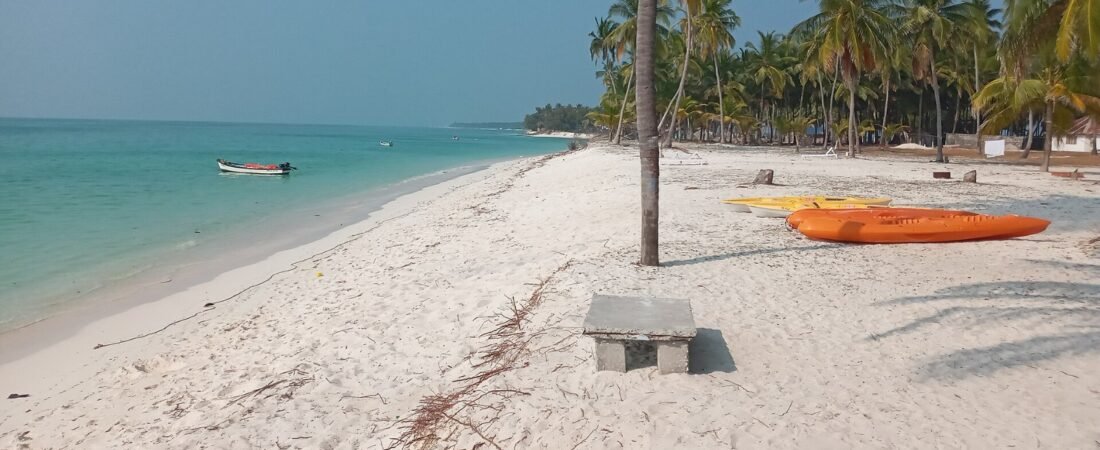
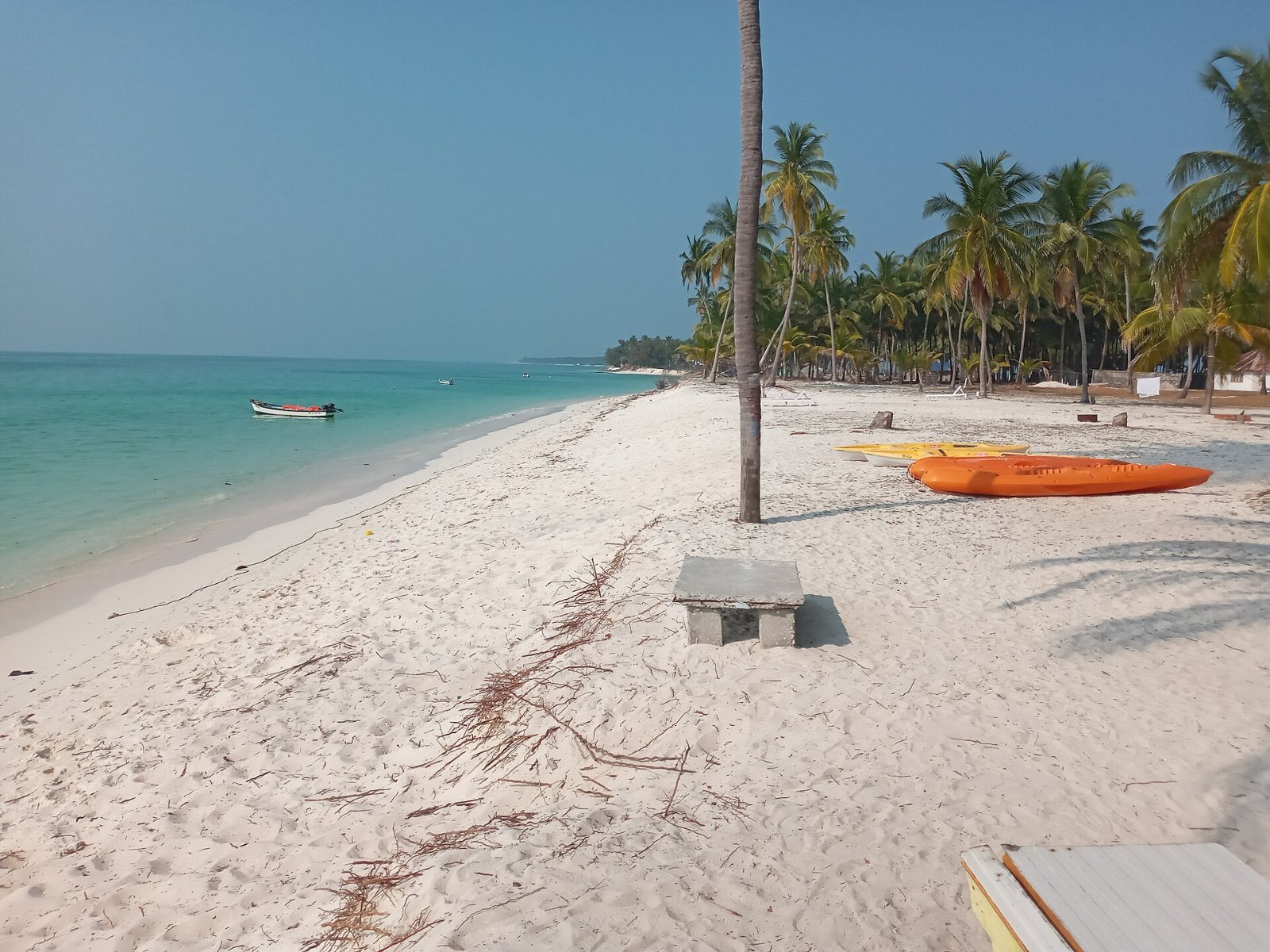
Anthan Beach, Agatti Island, Lakshadweep. Photo: Wikimedia Commons (CC BY 4.0)
Lakshadweep is the only part of India where a domestic trip still requires a government-issued entry permit, even for Indian citizens travelling with nothing but a national ID. This guide focuses on first-time applicants planning a 2026 trip, walking through exactly who needs a permit, what the 2026 rule changes removed, how long the process takes, and what it costs, so the paperwork doesn’t become the reason a trip falls through.
Research-based guide · Sources checked 7 October 2026. This is not a first-hand stay review or a ranking based on guest scores.
Who needs a permit
Everyone who is not a registered resident of Lakshadweep needs an entry permit to visit, full stop. This includes Indian citizens from every other state, overseas citizens of India, and foreign nationals. A passport is not required for Indian citizens, but the permit itself is non-negotiable; there is no way to visit any of the tourist islands, including Agatti on arrival, without one. A 2026 traveller guide from HappyFares confirms the same baseline: the permit, not a passport, is the real gatekeeper for this trip. Foreign nationals face a narrower version of the same system: tourism is currently permitted mainly through Bangaram and Agatti via registered resorts and operators, and the application process typically runs through that operator rather than as a direct government filing, which is worth knowing before assuming the domestic process described in this guide applies identically.
What changed in the 2026 reform
Two of the most commonly cited obstacles to getting a Lakshadweep permit were removed in 2026: applicants no longer need a local sponsor’s reference from a Lakshadweep resident, and they no longer need to submit a police clearance certificate from their home city before applying. Instead, security checks and background verification are now carried out directly by Lakshadweep Police after the application is submitted, rather than requiring the applicant to pre-clear themselves (Outlook Traveller).
In practice, this means the application itself is shorter and faster to assemble than it used to be, since you’re no longer chasing a sponsor letter or a separate police-station visit before you can even submit. It does not mean the process is instant: the underlying background check still happens, it has simply moved to after submission, and the application window and transit restrictions described below are unchanged.
Step-by-step: how to apply
Applications are submitted online through the Lakshadweep administration’s e-permit system, typically coordinated through the tour operator or resort you’re booking with, since most independent travellers apply as part of a package rather than purely on their own. The core steps are: (1) decide your exact itinerary, including every island you plan to visit and any transit stops, since the permit must name all of them; (2) submit the application with your travel dates and identification at least 14 days before departure; (3) wait for Lakshadweep Police to complete their background verification, which now happens after submission rather than before; (4) receive your approved permit, which you must carry with you throughout the trip; and (5) present it on arrival in Agatti alongside your ID.
Processing time and cost
Budget at least 14 days, the stated minimum, and treat it as a floor rather than a guarantee; applying closer to 3-4 weeks ahead gives a margin if verification takes longer than expected during busy periods. Permit fees themselves are modest, typically a few hundred rupees per person, and are usually bundled into the cost of a resort package or tour operator booking rather than paid as a separate standalone government fee. The real cost of getting this wrong isn’t the fee, it’s a non-refundable flight or resort deposit if the permit doesn’t come through in time, which is why building in a buffer matters more than optimising for the absolute fastest possible timeline. As a rule of thumb, treat the permit as the first thing you lock in after deciding your travel dates, and only book non-refundable flights or rooms once it is confirmed, not before.
Transit rules and other restrictions
If your itinerary involves passing through an island you’re not staying on, say, transiting through Kavaratti or Agatti en route to another island, that transit stop needs to be named on the permit too, and transit is capped at a maximum of 12 hours, a limit designed to prevent informal, unrecorded movement between islands. You must carry the approved permit with you at all times during the trip and be ready to present it on request. Alcohol possession rules, no alcohol outside Bangaram Island Resort, are enforced separately from the permit system but are checked at the same Agatti airport security point, so it’s worth knowing both sets of rules before you pack. Camera drones, spearfishing gear and plastic bags below a certain thickness are also commonly restricted on environmental grounds across the islands; check current restrictions with your tour operator before travelling if any of these apply to your trip, since enforcement and specific thresholds can change.
Who typically files the application
Most Indian travellers do not file the permit application entirely on their own; they book through a resort or a Lakshadweep-focused tour operator who handles or co-ordinates the permit as part of the package, since the operator already has the relevant island-wise logistics sorted and can flag itinerary issues, like a missing transit island, before submission rather than after a rejection. Independent travellers can still apply directly, but given the 14-day minimum and the cost of a mistake, most first-timers find the operator-assisted route meaningfully lower-risk than going it alone, even though it is not strictly required.
Common mistakes to avoid
The most common error is applying too close to the departure date and assuming the 14-day minimum is the realistic turnaround rather than the legal floor. The second is leaving an island off the itinerary, if your Bangaram-based trip includes a day visit to Thinnakara, that stop needs to be on the permit too, not just your base island. The third is booking non-refundable flights before the permit is confirmed; most experienced planners book refundable or flexible fares, or wait for permit confirmation before locking in non-refundable rates, specifically to avoid a scenario where the flight is booked but the permit isn’t through yet. A fourth, less obvious mistake is assuming a resort booking automatically handles the permit; some packages do include permit assistance as part of the price, but others expect the traveller to file it independently, so it is worth confirming explicitly with whoever you are booking through rather than assuming either way. For the islands themselves once you’re approved, see our Lakshadweep islands travel guide, and for timing your application around the best season, our best time to visit Lakshadweep guide.
None of this paperwork applies retroactively to a trip already booked without a permit in hand, so it is worth starting the process the moment dates are set rather than treating it as a final step before departure. Travellers who have been through the process more than once generally agree this is the single most common planning mistake: the permit is psychologically treated like a formality to handle later, when in practice it is the one item on the checklist with a hard legal minimum timeline that nothing else in the trip can compress. If you’re comparing the paperwork burden against other destinations, it’s worth noting the Maldives requires no advance permit at all, just a passport and a free visa on arrival; see our Lakshadweep vs Maldives comparison for the fuller contrast, and our piece on Lakshadweep vs Andaman Islands if India’s other island territory, which has a different permit process again, is also on your list. Coverage of the rule change from LatestLY corroborates the same sponsor and police-clearance removals described above.
| Requirement | Before 2026 | From 2026 |
|---|---|---|
| Local sponsor reference | Required | Removed |
| Police clearance certificate | Required from home city | Removed |
| Background verification | Before submission | After submission, by Lakshadweep Police |
| Minimum notice | 14 days | 14 days, unchanged |
| Transit time limit | 12 hours | 12 hours, unchanged |
In short: the 2026 reform made the Lakshadweep permit meaningfully easier to assemble, but it did not make it instant, and the 14-day minimum combined with limited flight and resort capacity still means this is a trip that rewards early planning over last-minute spontaneity, especially as the new Taj resorts bring more attention, and likely more applicants, to the islands from 2026 onward.
Frequently asked questions
Do Indian citizens need a passport to visit Lakshadweep?
No. Indian citizens do not need a passport, but they do need a mandatory entry permit, which is checked in place of a passport at arrival.
How long does a Lakshadweep permit take to process?
At least 14 days is the stated minimum. Applying 3-4 weeks ahead is safer, especially in peak season, since that 14-day figure is a floor, not a guarantee.
Do I still need a local sponsor to get a Lakshadweep permit?
No. As of the 2026 reform, the local sponsor reference and the home-city police clearance certificate are no longer required; verification now happens after you submit your application.
What happens if I forget to list an island on my permit?
You will not be permitted to visit or transit through that island. Every island on your itinerary, including short transit stops, must be named on the application in advance.
How much does a Lakshadweep permit cost?
Fees are modest, typically a few hundred rupees per person, and are usually bundled into a resort or tour operator package rather than paid separately.