Togean Islands Travel Guide 2026
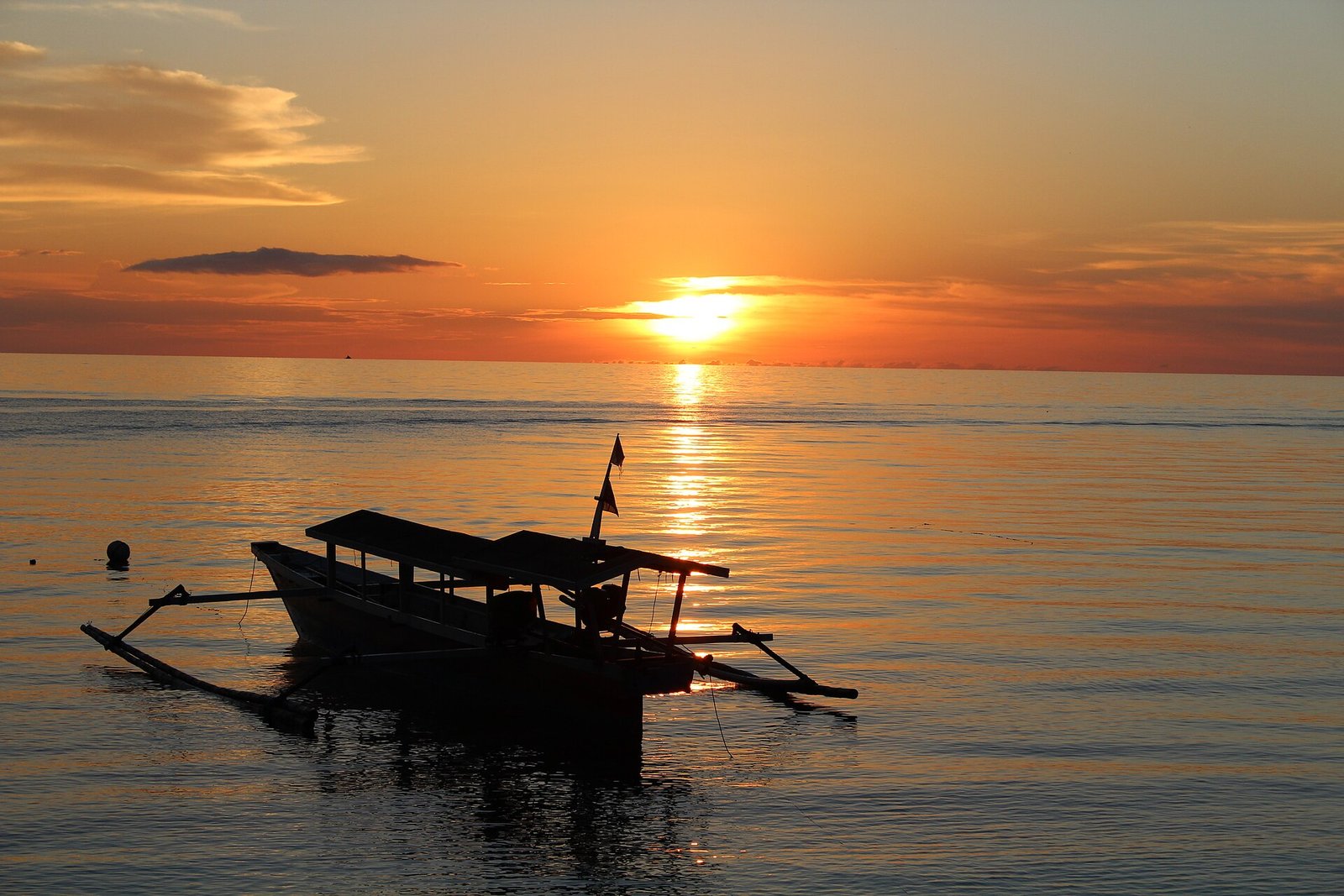
Photo: Luke Price from Rotterdam, Netherlands via Wikimedia Commons (CC BY 2.0)
The Togean Islands sit in the calm Gulf of Tomini in Central Sulawesi, a scatter of more than fifty jungle-covered islands, mangrove channels and fringing reefs that most visitors to Indonesia never reach. There are no big hotels, no cruise piers and very few roads. What you get instead is clear water, simple beach bungalows, Bajau stilt villages and some of the most varied reef habitat in the Coral Triangle.
This guide focuses on the Togean Islands specifically for independent travellers and divers who want a slow, off-grid island stay of five to ten days, and who are comfortable trading luxury for remoteness. If you want marble bathrooms and butler service, look at Wakatobi or Raja Ampat instead. If you want an island chain where the boat schedule shapes your day and the generator switches off at night, read on.
Research-based guide · Updated October 2026. Schedules, prices and park fees change often; confirm with operators before booking.
Togean Islands at a glance
Location: Gulf of Tomini, Tojo Una-Una Regency, Central Sulawesi. Gateway towns: Ampana (south) and Gorontalo (north). Main bases: Kadidiri, Wakai, Bomba, Malenge and Una-Una. Ideal stay: 5–10 nights. Accommodation: mostly full-board bungalows. Cash: bring enough rupiah for your whole stay; ATMs are effectively absent on the islands.
Why the Togean Islands Are Worth the Effort
The archipelago is unusual because it packs every major reef type into a small area: fringing reefs, barrier reefs, atolls and patch reefs all appear within a short boat ride. Much of the area is protected as Togean Islands National Park, declared in 2004, which covers both the islands and surrounding waters.
On land, the forests shelter species found nowhere else, including the Togean babirusa and the Togean macaque. Coconut crabs still forage on some of the quieter islands, and saltwater lakes with stingless jellyfish add a quirky half-day trip. The human story matters too: the Bajau, often called sea nomads, have lived in stilt villages here for generations, and their homes over the water are among the most photographed scenes in the islands.
The trade-off is time. Reaching the Togeans usually takes at least a full day from Jakarta or Bali, and boat schedules are infrequent. That remoteness is exactly why the reefs feel uncrowded and why a week here feels longer than a week almost anywhere else in Southeast Asia.
Where to Stay: Choosing Your Island Base
Most visitors split their stay between two bases to balance diving, beach time and village life. Inter-island boats run on a loose schedule, so plan transfers with your bungalow rather than assuming a daily public service.
| Base | Best for | Atmosphere | Notes |
|---|---|---|---|
| Kadidiri | First-timers and divers | Sociable, several dive bungalows | Closest to the B-24 wreck and Taipi Wall dive sites |
| Wakai (Batudaka) | Logistics and supplies | Small working port town | Ferry hub; basic shops; not a beach stay |
| Bomba (Batudaka) | Quiet beaches | Village-edge, very calm | Good jumping-off point for southern reefs |
| Malenge | Mangroves and wildlife | Rustic, community-run feel | Jungle walks, mangrove kayaking, wildlife |
| Una-Una | Volcano views and walls | Remote, few guests | Colo volcano; dramatic wall dives; longer boat rides |
For a curated shortlist of upmarket bungalows, see our best resorts in the Togean Islands roundup. Expect wooden or bamboo bungalows with fans, cold-water or bucket showers, and three set meals a day included in the room rate. Electricity typically runs from late afternoon to around midnight.
Getting There in Brief
There are two main gateways. From the south, fly into Ampana via Palu or Luwuk, then take a public ferry or a chartered speedboat to Wakai, Bomba or direct to your resort. From the north, a slower ferry links Gorontalo with Wakai on a limited weekly schedule. Many travellers combine one route in and the other out to avoid backtracking.
Schedules change often and are rarely published online in English, so ask your bungalow to confirm the latest timetable a week or two before arrival. Our step-by-step Togean transport guide covers routes, timings and budget in detail.
Diving and Snorkelling Highlights
Diving is the main draw for most visitors. Kadidiri-based shops typically run two to three dives a day, and the variety is the headline: walls, pinnacles, a World War II wreck and macro critter sites can all fit into a single week.
- B-24 Liberator wreck: an American bomber that ditched near Pulau Pangempa in 1944, now resting at around 20 metres and accessible to most certified divers.
- Taipi Wall: a vertical wall off Kadidiri with sea fans, anemones and schooling fish.
- Una-Una pinnacles: stronger currents, bigger fish and better visibility; usually a full-day trip.
- House reefs: many bungalows sit directly above a reef, so snorkelling at sunrise or sunset needs nothing more than a mask and fins.
Bring your own mask, and carry your certification card and dive log. Equipment at small dive operations is functional but can be well-used. If diving is your main priority and budget allows, compare the Togeans against Bunaken and Manado or the muck diving of Lembeh Strait, both in North Sulawesi.
Beyond the Water: Villages, Wildlife and Culture
Plan at least one day that is not spent underwater. A boat trip to a Bajau village such as Pulau Papan, linked to Malenge by a long wooden walkway, is a gentle introduction to life on the water. Learn a little about Bajau culture before you go, dress modestly, and ask before photographing people or homes.
On Malenge and Batudaka, guided forest walks offer a chance to spot hornbills, monitor lizards and, with luck, babirusa. The IUCN Red List lists the Togean babirusa as endangered, so keep distance and never feed wildlife. A jellyfish lake swim is another favourite; avoid sunscreen before entering to protect the fragile ecosystem.
Responsible Travel in a Fragile Archipelago
Tourism in the Togeans is small-scale, and that is part of its value. Many bungalows are family-run, buy fish from local fishers and employ staff from nearby villages, so your money stays in the community more directly than at large resorts elsewhere in Indonesia.
A few habits make a real difference. Never stand on or touch coral, even in shallow water at low tide. Refill water bottles from your bungalow’s filtered supply rather than buying single-use plastic, because waste is hard to remove from small islands. Pay the national park fee when asked; it supports ranger patrols against destructive fishing.
When visiting villages, a guide from your bungalow helps with introductions and translation. Small purchases from village shops, such as snacks or handicrafts, are more welcome than handing out sweets to children. Learning a few phrases of Bahasa Indonesia, such as terima kasih (thank you), goes a long way.
Finally, be honest with yourself about whether the Togeans suit your travel style. If unreliable power, cold showers and long boat days would spoil the trip, a better-connected island such as Bunaken, or a fly-in resort, will likely make you happier.
Budget, Money and Practical Tips
The Togeans are not expensive, but almost everything is paid in cash and prices include the cost of getting supplies to remote islands. As a rough guide for 2026, a simple full-board bungalow costs roughly IDR 300,000–600,000 per person per night, with better-equipped dive resorts higher. Fun dives typically run around IDR 450,000–600,000 each, plus a national park fee.
- Cash: withdraw enough in Palu, Luwuk, Ampana or Gorontalo. Some resorts accept card with a surcharge, but do not rely on it.
- Connectivity: mobile signal is patchy and often only near Wakai or on hilltops. Treat the trip as a digital detox.
- Health: bring malaria-prevention advice from your doctor, reef-safe sunscreen, insect repellent and a basic first-aid kit. The nearest hospital is on the mainland.
- Packing: a headlamp, dry bag, reusable water bottle and a light rain jacket are essential.
- Official information: check Indonesia.travel and your government travel advisory before departure.
Sample 7-Day Togean Itinerary
Use this as a starting point and adjust around boat schedules and weather.
- Day 1: Arrive in Ampana, overnight near the port.
- Day 2: Morning boat to Kadidiri; afternoon snorkel on the house reef.
- Days 3–4: Dive the B-24 wreck and Taipi Wall, or snorkel trips for non-divers.
- Day 5: Full-day trip to the jellyfish lake and a Bajau village.
- Day 6: Transfer to Malenge or Bomba for a quieter final night and forest walk.
- Day 7: Return to Ampana or connect onwards to Gorontalo.
Combining Sulawesi destinations? Pair a Togean week with the highland culture of Tana Toraja for contrast, or check the best season first in our Togean weather guide.
Frequently Asked Questions
How many days do you need in the Togean Islands?
At least five nights on the islands, not counting travel days. Seven to ten nights lets you split time between two bases and absorb any delays in boat schedules.
Are the Togean Islands good for non-divers?
Yes. Snorkelling from house reefs, jellyfish lake swims, village visits and forest walks fill a week easily. Some reefs are shallow enough to enjoy fully with a mask and fins.
Is there luxury accommodation in the Togean Islands?
Not in the international five-star sense. The best options are comfortable private bungalows with good food and dive centres. Travellers needing full luxury should consider Wakatobi.
Do I need cash in the Togean Islands?
Yes. Plan to bring rupiah for the full stay, including accommodation, diving, boat transfers and park fees, as ATMs are not reliably available on the islands.
Is it safe to visit the Togean Islands?
The islands are generally considered peaceful and welcoming. The main risks are practical: boat travel in rough weather, limited medical facilities and sun exposure. Check your government travel advice before booking.
Ready to choose dates? Read our best time to visit the Togean Islands guide, then compare stays in our Togean resorts roundup. For diving at a higher price point, see how it stacks up in Togean vs Wakatobi.