Best Time to Visit the Togean Islands 2026
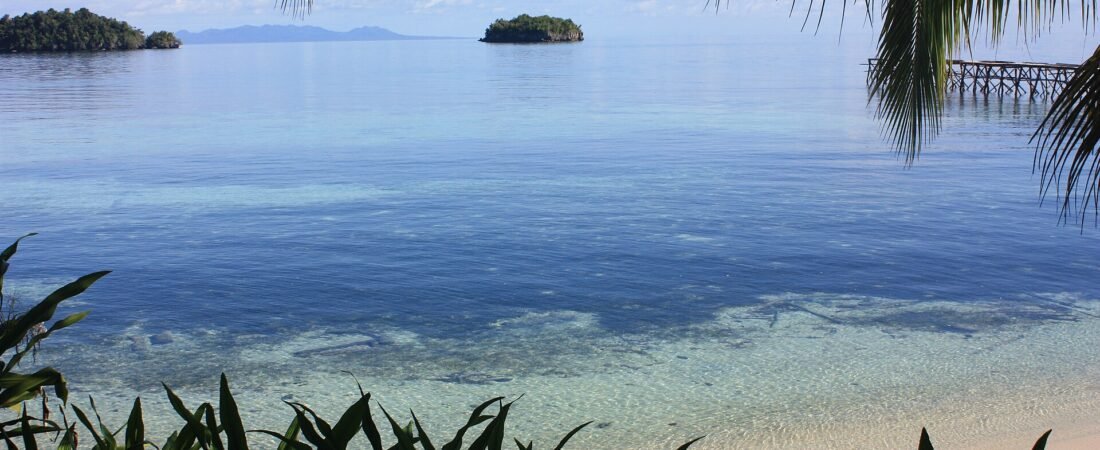
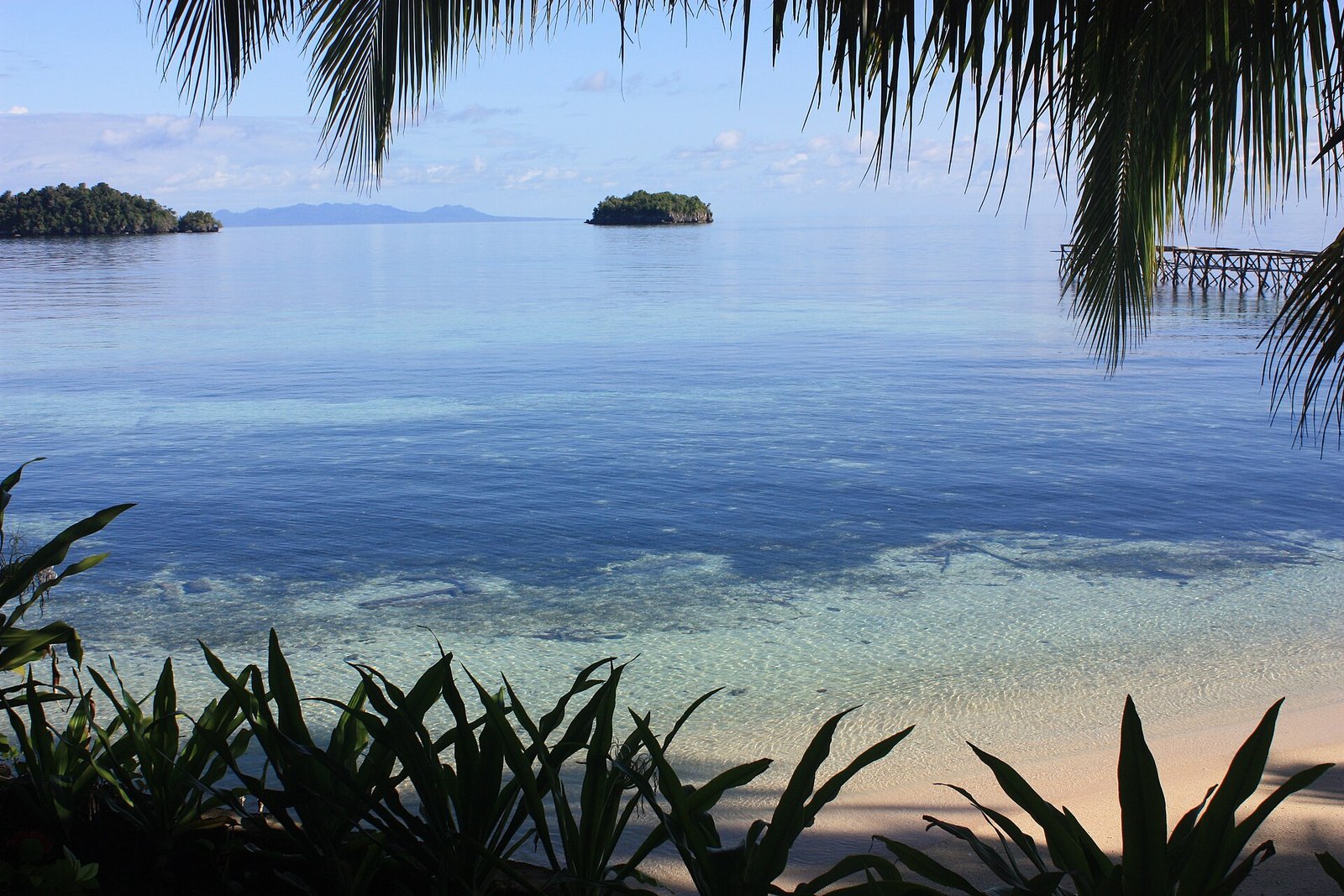
Photo: Arian Zwegers via Wikimedia Commons (CC BY 2.0)
The Togean Islands are one of the more forgiving destinations in Indonesia when it comes to weather. Sheltered inside the Gulf of Tomini and sitting almost on the equator, they avoid the cyclones and dramatic monsoon swings that affect other regions. Still, timing matters: sea conditions affect long boat transfers, rain affects forest walks, and visibility varies enough to change how your dives feel.
This guide focuses on timing specifically for divers, snorkellers and slow travellers planning a five- to ten-day stay, and it weighs boat-crossing comfort as heavily as sunshine. If you are still deciding whether to go at all, start with our Togean Islands travel guide.
Research-based guide · Updated October 2026. Schedules, prices and park fees change often; confirm with operators before booking.
Short answer
For most travellers, April to October offers the best balance of calm seas, good underwater visibility and reliable boat crossings. September and October are often singled out by dive operators for flat water and clear conditions. December to February can bring more rain and choppier crossings, but also fewer guests and easier bungalow availability.
Understanding the Togean Climate
The Togeans have a tropical equatorial climate, with daytime air temperatures typically around 28–32°C year-round and sea temperatures generally around 28–30°C. Unlike Bali or Lombok, there is no sharply defined dry season. Instead, rain tends to come in short, heavy afternoon or night-time showers, followed by sunshine.
The Gulf of Tomini is enclosed on three sides by the arms of Sulawesi, which protects the islands from big ocean swells. That is why wave heights inside the gulf are usually modest even when seas elsewhere in Indonesia are rough. Wind direction shifts with the broader Asian-Australian monsoon cycle, and periods of stronger wind are what most affect open-water crossings between Ampana and the islands.
For official forecasts and marine warnings close to your travel dates, check Indonesia’s meteorological agency BMKG.
Humidity stays high throughout the year, typically well above 70 percent, so even the “dry” months feel warm and sticky away from the sea breeze. Most bungalows rely on fans rather than air conditioning, which makes sea-facing rooms and those with good cross-ventilation more comfortable regardless of the month you choose.
One practical consequence of the stable climate is that you rarely need to plan around a single perfect window. Instead, think about what matters most to you: calm crossings, the clearest water, the fewest guests or the lowest prices. Each priority points to a slightly different set of months, as the sections below explain.
Month-by-Month Overview
Conditions vary from year to year, so treat this table as a planning guide rather than a guarantee.
| Months | Weather | Sea and boats | Diving and snorkelling | Crowds |
|---|---|---|---|---|
| January–February | More frequent showers | Choppier crossings possible | Visibility can drop after heavy rain | Very quiet |
| March–May | Mixed, improving | Generally calm | Good; plankton can lower visibility on some days | Quiet; local holidays can fill ferries |
| June–August | Mostly dry with passing showers | Calm in the gulf; occasional wind | Very good | Busiest period with European summer travellers |
| September–October | Often the driest, sunniest spell | Frequently flat | Excellent; often clearest water | Moderate |
| November–December | Rain increasing | Usually manageable | Good, variable | Quiet except year-end holidays |
A useful rule of thumb: the further you plan to travel by boat, the more you should favour the calmer months. Travellers staying on a single island with a house reef can visit almost any time with little impact on their trip, while those planning to dive Una-Una or hop between three bases benefit most from the April to October window.
Because conditions are not dramatically seasonal, shoulder months such as March, April and November can be the best value. Bungalows are rarely full, operators have more time for guests, and the weather is often perfectly good.
Best Time for Diving
Divers get good conditions for most of the year, which is one reason the Togeans appeal to those with flexible dates. The clearest water and calmest surface conditions often coincide from roughly August to October, making this the sweet spot for the Una-Una pinnacles and walls, where currents and boat times are longer.
The B-24 wreck and Taipi Wall near Kadidiri are sheltered and diveable in almost all conditions. Even in wetter months, a morning dive before showers arrive is typically fine. If you are combining the Togeans with other Sulawesi dive regions, our comparison of Raja Ampat, Komodo and Bunaken explains how their best seasons differ, so you can build a multi-stop itinerary.
Non-divers should note that snorkelling conditions follow a similar pattern. Shallow house reefs are best enjoyed at mid to high tide on calm, sunny mornings, when light penetrates the water and colours are most vivid. After heavy rain, run-off from the larger islands can cloud nearshore water for a day or two, so it pays to keep your snorkelling plans flexible.
Water temperature barely changes through the year, so you can use the same exposure protection in any season. Some divers report slightly cooler water during upwelling events, which can also bring nutrient-rich water and more fish life to the outer pinnacles.
Best Time for Boat Transfers and Island Hopping
Transfers are the part of the trip most affected by weather. The public ferry from Ampana to Wakai and the slower Gorontalo route run on limited schedules, and departures may be postponed in rough seas. Speedboats are faster but give a bumpier ride when the wind picks up.
If you are prone to seasickness or travelling with children, aim for the calmer months between April and October and book an early-morning transfer, when seas tend to be flattest. Build a buffer day into your itinerary in any season. Our guide to getting to the Togean Islands explains each route and how to time connections.
If your itinerary includes the Gorontalo ferry, note that this longer crossing traverses more open water within the gulf than the Ampana route. It is more likely to be affected by wind, and it runs less frequently, so a missed departure can mean waiting several days. Many travellers therefore use the Ampana route for at least one direction.
Crowds, Holidays and Availability
Even in the busiest months, the Togeans never feel crowded by Southeast Asian standards. However, the number of good bungalows is small, so popular places on Kadidiri can fill up between June and August.
Domestic travel peaks around Idul Fitri (the end of Ramadan) and the year-end holidays. During these periods, flights to Palu, Luwuk and Gorontalo, and ferries from Ampana, can be busy, and prices may rise. Check the Islamic calendar for the exact dates in your travel year, as they move about 11 days earlier each year.
Prices on the islands themselves are fairly stable through the year. Some bungalows offer small discounts for longer stays or in quieter months, and it is worth asking politely when you enquire, particularly for stays of a week or more.
- Book 2–3 months ahead for June–August stays at the most popular dive bungalows.
- Book 3–4 weeks ahead for most other months.
- Book flights early if your dates overlap with Idul Fitri or the Christmas and New Year period.
Best Time for Wildlife and Land Activities
Forest walks on Malenge and Batudaka are most pleasant in drier spells, when trails are less muddy and leeches less active. Early mornings offer the best chance of seeing hornbills and other birds. Coconut crabs are mostly nocturnal and can be spotted on guided evening walks year-round.
The jellyfish lake can be visited in any month. Calm, sunny days give the best light for photography and the clearest view of the jellyfish near the surface.
Malenge in particular is known for community-guided walks, and local guides can tailor the route to the conditions on the day. In wetter months, mangrove kayaking is a good alternative to muddy forest trails and offers a different view of the islands’ wildlife.
What to Pack by Season
- All year: reef-safe sunscreen, rash guard, hat, insect repellent, headlamp, dry bag and enough cash for your stay.
- Wetter months (Nov–Feb): lightweight rain jacket, quick-dry clothing and extra dry bags for electronics on boat transfers.
- Drier months (Jun–Oct): extra sun protection for long boat days to Una-Una and the outer reefs.
- Divers: a 3 mm wetsuit is comfortable for most people; bring your own mask and computer.
Choosing where to stay once you have your dates? See our shortlist of the best resorts in the Togean Islands, or compare the region with a more upmarket alternative in Togean vs Wakatobi.
Frequently Asked Questions
What is the best month to visit the Togean Islands?
September and October are often the best months, with sunny weather, calm seas and clear water. April to August are also very good choices.
Is it worth visiting the Togean Islands in the rainy season?
Yes, if you are flexible. Showers are usually short, diving remains good at sheltered sites, and bungalows are quieter. Expect occasional transfer delays.
When is visibility best for diving in the Togeans?
Visibility is often best from roughly August to October, though it can vary with plankton blooms and recent rainfall.
Do the Togean Islands get typhoons?
The islands lie very close to the equator, where tropical cyclones are rare. Strong wind spells can still disrupt boat crossings.
How far ahead should I book?
Book two to three months ahead for June to August and around three to four weeks ahead for other months. Book flights early around Idul Fitri and year-end holidays.
Once your dates are set, see what to fill them with in our list of the best things to do in the Togean Islands, and plan your route with the Togean transport guide.