Togean vs Wakatobi 2026: Which Sulawesi Escape?
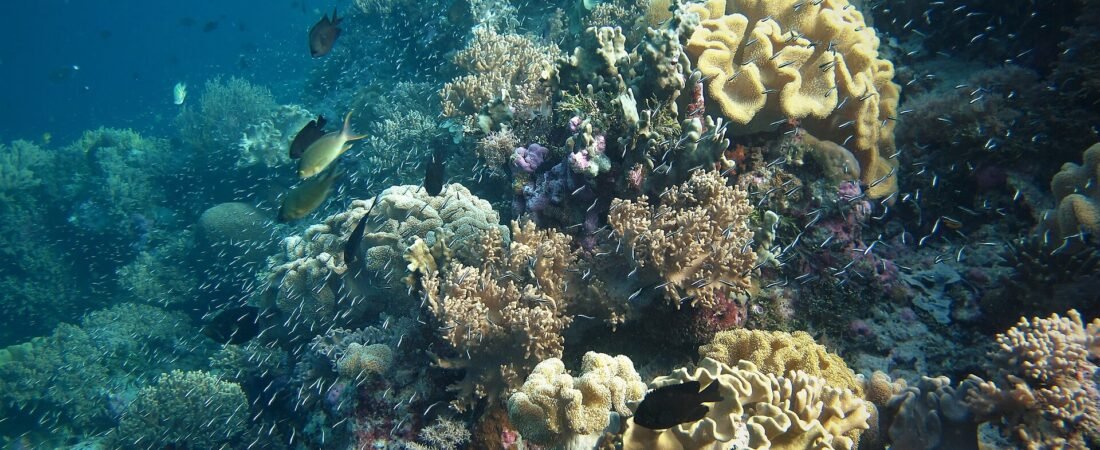
Photo: Fakhrizal Setiawan via Wikimedia Commons (CC BY-SA 4.0)
Sulawesi has two island groups that regularly top divers’ wish lists: the Togean Islands in the Gulf of Tomini and Wakatobi off the island’s southeastern tip. Both are remote, both protect extraordinary reefs as national parks, and both have Bajau sea-nomad communities. Yet the trips they offer could hardly be more different.
This comparison focuses on Togean vs Wakatobi specifically for couples and divers deciding where to spend one to two weeks, and who need to weigh comfort, budget and travel time honestly. If you already know you want a castaway bungalow, read our Togean Islands travel guide. If you are leaning towards a polished dive resort, see our Wakatobi luxury resorts review.
Research-based guide · Updated October 2026. Schedules, prices and park fees change often; confirm with operators before booking.
Quick verdict
Choose Wakatobi if you want world-class diving with minimal travel friction, high-end comfort and a fixed budget that covers almost everything. Choose the Togean Islands if you want a slow, affordable, off-grid island experience where diving is excellent but only part of the story. Both reward divers; the main difference is how much you want to pay to remove hassle.
Head-to-Head Comparison
The table summarises the practical differences that most influence the choice. Details at individual properties vary, so confirm specifics directly before booking.
| Factor | Togean Islands | Wakatobi |
|---|---|---|
| Location | Gulf of Tomini, Central Sulawesi | Banda Sea edge, Southeast Sulawesi |
| Getting there | Flight to Ampana or Gorontalo, then ferry or speedboat | Commercial flights via Kendari or Makassar to Wangi-Wangi, or resort charter from Bali to Tomia |
| Accommodation | Simple full-board bungalows | From guesthouses to one of Asia’s best-known luxury dive resorts |
| Typical nightly cost | Low; often well under USD 60 per person full board | Wide range; top resort packages cost several hundred USD per person per night |
| Diving style | Varied reefs, WWII wreck, walls, macro | Pristine walls and reefs, exceptional coral health, superb visibility |
| Non-diver appeal | High: villages, forest, jellyfish lake | Moderate: snorkelling, beaches, village visits |
| Connectivity | Very limited | Better at resorts; patchy elsewhere |
Two points in the table deserve emphasis. First, “Wakatobi” covers a whole regency of islands, so the experience depends heavily on which island and which property you choose. Second, the Togeans have no true luxury tier, which narrows the decision for travellers who need air-conditioning or room service.
Access and Travel Time
Access is the biggest practical difference. Reaching the Togeans usually involves a domestic flight to Palu or Luwuk, a connection to Ampana, then a ferry or speedboat. Allow at least one full travel day each way, and build in a spare day because boat schedules can change. Our guide to getting to the Togean Islands explains every route.
Wakatobi offers two very different options. Independent travellers can fly via Kendari or Makassar to Matahora Airport on Wangi-Wangi, the largest island, then continue by local boat to Kaledupa or Tomia. Guests at the flagship Wakatobi Dive Resort can instead use the resort’s charter flight from Bali to an airstrip on Tomia, followed by a short transfer. That door-to-door convenience is a large part of what the resort price buys.
If you have only a week of annual leave, Wakatobi’s charter can save a full day or more compared with the Togeans. If you have two weeks and enjoy the journey, the Togean route through Sulawesi is an adventure in its own right.
Health and safety logistics follow the same pattern. Both regions are far from major hospitals, and divers should carry dive insurance that includes evacuation. The premium Wakatobi resort has established procedures and quicker access to an airstrip, whereas in the Togeans an emergency typically means a long boat trip to Ampana followed by onward travel.
Diving and Snorkelling Compared
Both regions sit within the Coral Triangle, the global centre of marine biodiversity, and both deliver memorable diving. Their character differs.
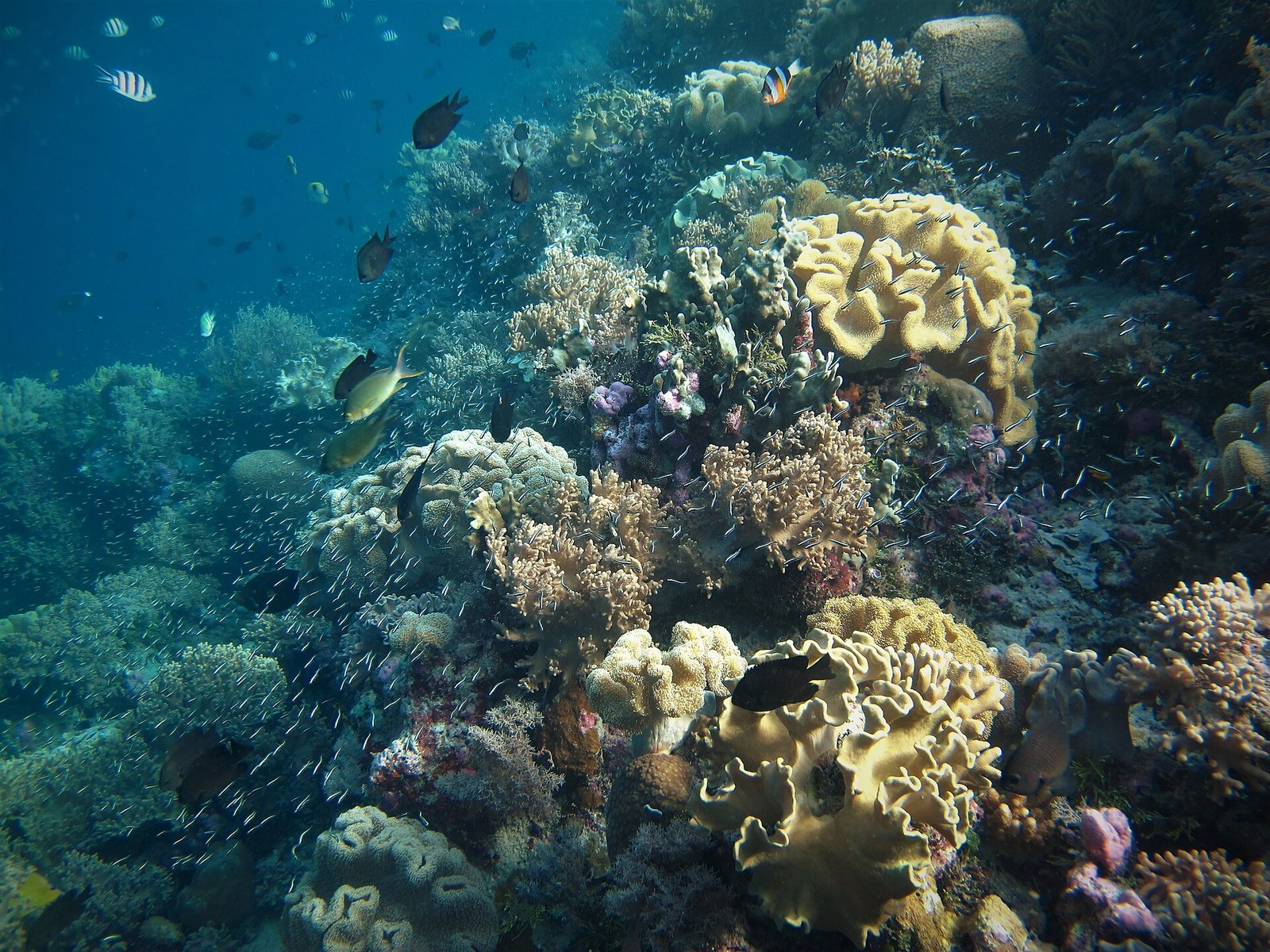
Wakatobi National Park is one of Indonesia’s largest marine parks and was named a UNESCO biosphere reserve in 2012. Its reputation rests on the health of its hard and soft corals, steep walls that start in very shallow water, and excellent visibility. Many house reefs are good enough that divers happily repeat them. Fish life is rich, though big pelagic encounters are less the focus than reef quality.
The Togeans offer more variety in a smaller area: fringing, barrier and atoll reefs, the B-24 Liberator wreck, pinnacles around Una-Una and macro sites. Coral health is generally good, though some reefs show past damage from destructive fishing. Dive operations are smaller and more informal, with fewer boats and fewer divers per site.
- Best for coral condition and visibility: Wakatobi.
- Best for variety, including a wreck: Togean Islands.
- Best for beginner divers: both, provided you choose an operator with small groups.
- Best for snorkellers: Wakatobi’s shallow wall tops edge ahead, though Togean house reefs are excellent too.
Serious divers comparing more Indonesian options should also look at Raja Ampat, Komodo and Bunaken.
Accommodation and Comfort
In the Togeans, the comfortable end of the market means a private wooden bungalow with a veranda, mosquito net, fan and en-suite bathroom, plus three shared meals a day. Electricity is usually limited to evenings, and hot water is rare. Our Togean resorts roundup highlights the best of these.
Wakatobi spans a wider range. The flagship dive resort offers air-conditioned bungalows and villas, a spa, multiple dining venues and an extensive dive programme, and it is widely regarded as one of Asia’s top dive resorts. Elsewhere on Wangi-Wangi, Kaledupa and Tomia, mid-range resorts and simple homestays offer cheaper alternatives, though with less polished service.
For honeymooners and anyone celebrating, Wakatobi’s top resort has the edge in comfort and privacy. For travellers who find luxury resorts isolating, the communal dinners of a Togean bungalow, where guests swap dive stories under the stars, can be a highlight.
Cost: What a Week Really Costs
Budgets differ by an order of magnitude. A week in the Togeans with full-board bungalows and ten fun dives might total roughly USD 700–1,200 per person, excluding domestic flights. A week at Wakatobi’s flagship resort with a dive package and charter flight commonly runs into several thousand USD per person. Independent travellers using Wangi-Wangi guesthouses and local dive operators can spend far less, closer to Togean levels.
When comparing, account for the value of time. The Togeans’ extra travel days, spare buffer days and occasional missed connections have a real cost if your leave is limited, while Wakatobi’s premium package includes much of the logistics.
Hidden costs differ too. In the Togeans, you pay separately for boat transfers, national park fees and sometimes equipment rental, mostly in cash. At premium Wakatobi packages, many of these are bundled, though you should budget for tips, spa treatments and any excess-baggage charges on the charter flight, which typically has stricter weight limits than commercial airlines.
For value hunters, a middle path is to stay at a mid-range resort on Wangi-Wangi or Tomia and dive with a local operator. You will give up some polish and the private charter, but still enjoy Wakatobi’s reefs at a fraction of the flagship price.
Culture, Wildlife and Life Above Water
Both destinations have Bajau communities. In the Togeans, stilt villages such as those near Malenge are easy to visit by boat, while in Wakatobi the Bajau village of Sampela off Kaledupa is the best-known. Treat village visits respectfully, ideally with a local guide.
On land, the Togeans win for wildlife and variety: rainforest walks, endemic babirusa and macaques, coconut crabs and a stingless jellyfish lake. Wakatobi’s islands are drier and more agricultural, with appealing beaches and traditional villages, but fewer reasons to leave the water. Our list of the best things to do in the Togean Islands shows how much there is to fill non-diving days.
Wakatobi’s Hoga Island, off Kaledupa, hosts a marine research station that has long welcomed volunteer researchers, which adds an educational angle for travellers interested in conservation. Check the UNESCO Man and the Biosphere programme for background on what the biosphere designation means for the region.
Which Should You Choose?
- Choose Wakatobi if: diving quality is your top priority, you have limited time, you want air-conditioning and polished service, or this is a once-in-a-lifetime honeymoon.
- Choose the Togeans if: you want adventure and value, enjoy simple living, travel with non-divers who want land activities, or have flexible dates.
- Do both if: you have three weeks. Fly out of the Togeans via Luwuk or Gorontalo, connect through Makassar, and finish with a few nights of comfort in Wakatobi.
Not sure when to go? Check our guide to the best time to visit the Togean Islands, which also explains how sea conditions affect boat transfers.
Frequently Asked Questions
Is Wakatobi better than the Togean Islands for diving?
Wakatobi is generally rated higher for coral health and visibility, while the Togeans offer more variety, including a wreck and pinnacles. Both are excellent; the choice depends on budget and travel style.
Which is cheaper, Togean or Wakatobi?
The Togean Islands are usually much cheaper. Wakatobi can be affordable with local guesthouses, but its best-known resort is a premium product.
Can I combine the Togean Islands and Wakatobi in one trip?
Yes, with around three weeks. Both connect via domestic flights through Sulawesi hubs such as Makassar, though routes and schedules change often.
Which is better for non-divers?
The Togeans, thanks to forest walks, village visits, the jellyfish lake and excellent house-reef snorkelling.
Do I need a dive certification?
No. Both regions offer introductory dives and entry-level courses, though Togean operators are smaller and course availability should be confirmed in advance.
Still comparing Sulawesi options? Explore Bunaken and Manado dive resorts or the macro haven of Lembeh Strait.