How to Get to the Togean Islands 2026
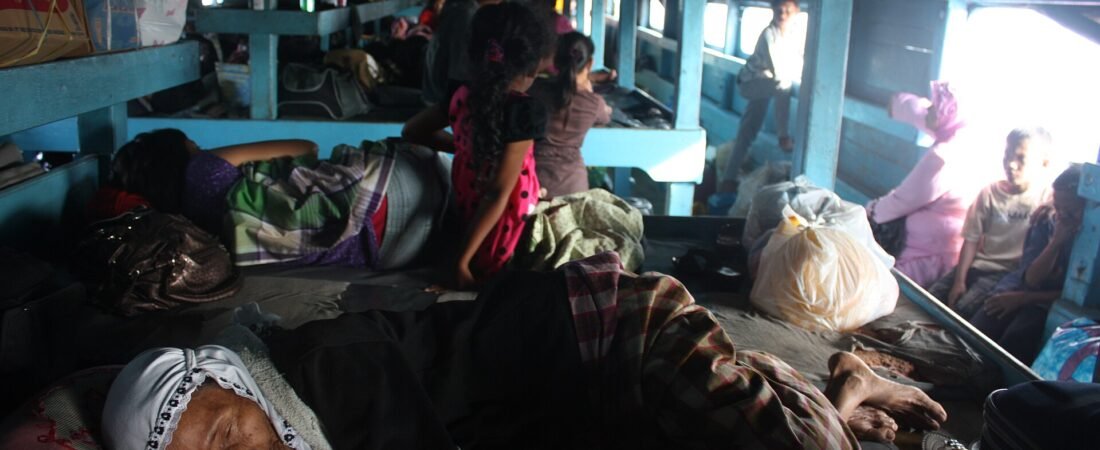
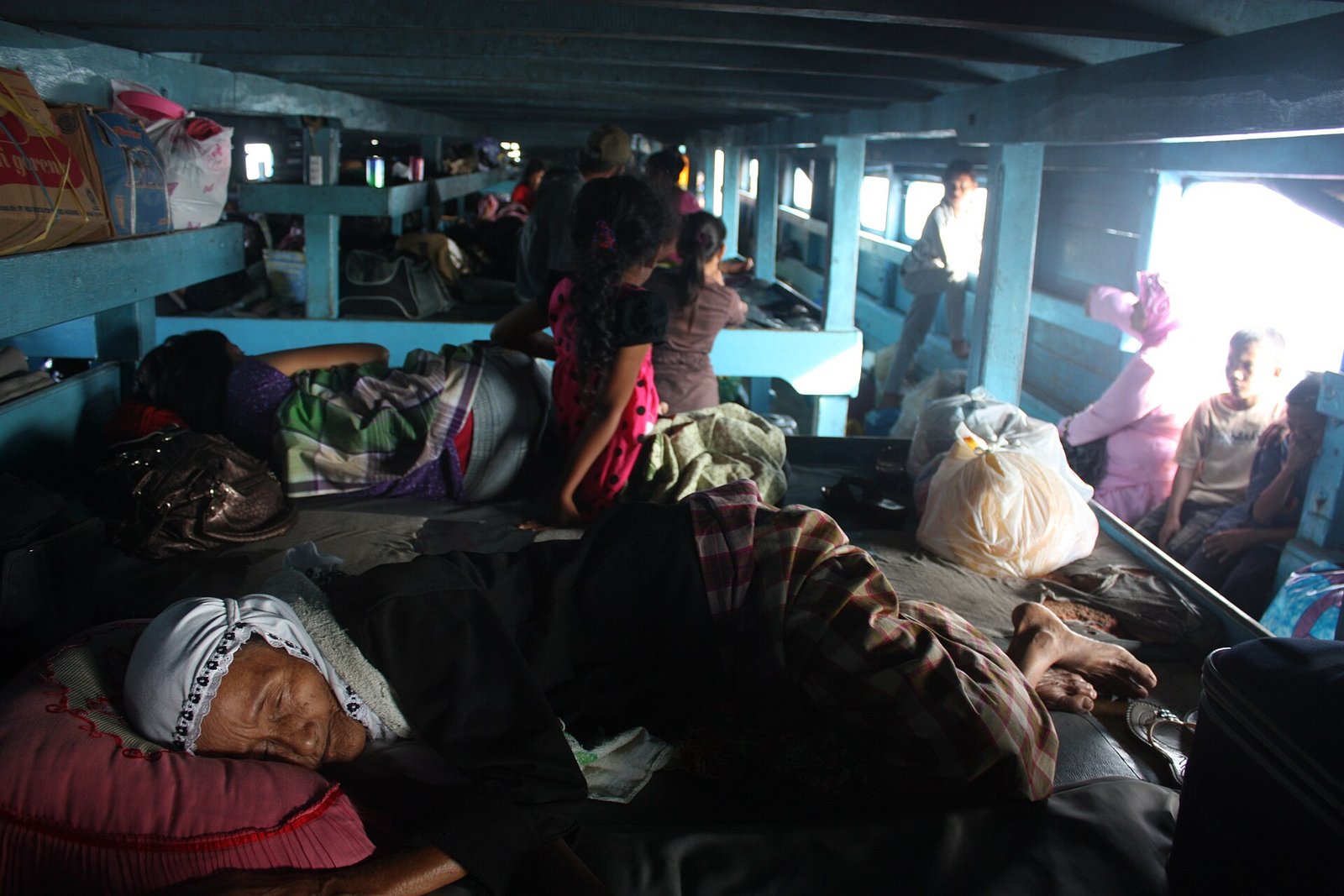
Photo: Arian Zwegers via Wikimedia Commons (CC BY 2.0)
Getting to the Togean Islands is the part of the trip people worry about most, and with good reason. There is no airport on the islands, public ferries run only a few times a week on some routes, and timetables are rarely published online. The good news is that thousands of travellers make the journey each year, and with a little planning it is straightforward.
This guide focuses on transport specifically for first-time independent travellers flying in from Bali, Jakarta or Makassar, who want the most reliable route rather than the cheapest at any cost. It explains every gateway, typical timings and how to avoid getting stuck. For an overview of the islands themselves, see our Togean Islands travel guide.
Research-based guide · Updated October 2026. Schedules, prices and park fees change often; confirm with operators before booking.
The short version
Fly to Palu or Luwuk, continue to Ampana by connecting flight or road, then take a ferry or speedboat to Wakai, Bomba, Kadidiri or your resort. Alternatively, fly to Gorontalo and take the slower ferry to Wakai. Allow one to two days each way and always ask your bungalow to confirm current schedules before you book flights.
Step 1: Fly to a Sulawesi Gateway
Most international travellers reach Sulawesi via Jakarta, Bali or Makassar, then connect on a domestic flight. The three useful gateways for the Togeans are:
- Palu (Mutiara SIS Al-Jufrie Airport): the capital of Central Sulawesi, with the most frequent connections from Jakarta and Makassar. From here you can fly or drive on to Ampana.
- Luwuk (Syukuran Aminuddin Amir Airport): on the eastern arm of Sulawesi, often with connections via Makassar. Ampana is a long but manageable road journey away.
- Gorontalo (Djalaluddin Airport): on the northern arm, with connections from Jakarta and Makassar. It is the starting point for the overnight ferry to Wakai.
Domestic schedules change seasonally, so compare current options on airline websites close to booking. Indonesian carriers often publish timetables only a few months ahead. For background on the region, see Central Sulawesi on Wikipedia.
When booking, try to land in Palu, Luwuk or Gorontalo by early afternoon. This leaves time for the onward road journey or connecting flight the same day, or at least lets you reach Ampana before dark. Arriving late in the evening often means an extra night in the gateway city.
Baggage allowances on Indonesian domestic flights can be lower than international ones, especially on smaller turboprop services. If you are carrying dive gear, check the allowance for every leg and consider prepaying extra baggage online, which is usually cheaper than paying at the airport.
Step 2: Reach Ampana
Ampana is the small port town that serves as the main southern gateway. You can reach it in several ways:
- Flight from Palu: small propeller aircraft have served Ampana’s Tanjung Api Airport on and off in recent years. When operating, this is the fastest option, but services can be suspended or reduced, so check carefully.
- Road from Palu: a long drive of roughly 9–11 hours via Poso by shared car or private driver. Shared cars are cheap but cramped; a private car is more comfortable and lets you stop.
- Road from Luwuk: roughly 5–7 hours by shared car or private driver along the coast.
Many travellers overnight in Ampana before taking an early boat. Simple guesthouses and hotels near the port make this easy, and an early departure means calmer seas. Ampana also has the last reliable ATMs and shops before the islands, so stock up on cash, snacks and any medicines here.
Shared cars, known locally as travel or kijang services, usually pick up from hotels or the airport and depart when full. Your guesthouse can call ahead to reserve a seat. If you value comfort, you can often pay for two seats or the whole front row. Private drivers can be arranged through hotels in Palu or Luwuk; agree the price, including fuel and tolls, before setting off.
The Palu to Ampana road passes through Poso and along the shore of the Gulf of Tomini, with sections of winding hill road. Travellers prone to motion sickness should bring medication. Road conditions vary with weather and maintenance, so ask locally about current journey times.
Step 3: Cross from Ampana to the Islands
From Ampana there are two main options. The public ferry is cheap and stops at Wakai and sometimes other villages; the crossing typically takes several hours. Speedboats, either shared or chartered, are faster and can deliver you directly to Kadidiri, Bomba or Malenge.
Many bungalows arrange speedboat pickups for their guests, sometimes sharing costs between several travellers arriving on the same day. This is the easiest option for first-timers and avoids an extra hop from Wakai.
| Route | Typical time | Relative cost | Best for |
|---|---|---|---|
| Palu → Ampana flight + speedboat | Half a day to a day | Higher | Short trips; minimal road time |
| Palu → Ampana by road + public ferry | 1.5–2 days | Low | Budget travellers with time |
| Luwuk → Ampana by road + speedboat | About a day | Moderate | Travellers with Makassar connections |
| Gorontalo → Wakai overnight ferry | Overnight, limited weekly sailings | Low | Northern arrivals; combining with North Sulawesi |
| Resort-arranged private transfer | Varies | Highest | Families, groups, those short on time |
A typical first-timer plan looks like this: arrive in Ampana the afternoon before, confirm your speedboat pickup by message, and meet the boat at the harbour around 7–8 am. You will usually be on your house reef by lunchtime. Reverse the process on your way out, catching an early boat so that you reach Ampana with time to spare for a connection.
Public ferry tickets are bought at the harbour office, generally on the day of travel. Arrive early, as boats can leave once full or slightly ahead of the advertised time. Bring water and snacks, and keep sunscreen handy because shade on deck can be limited.
The Northern Route: Gorontalo to Wakai
The ferry from Gorontalo is a scenic, slow alternative that crosses the Gulf of Tomini overnight. Sailings are typically limited to a couple of times a week, which makes timing critical. Cabins can sometimes be booked for extra comfort; otherwise expect simple seating or bunk areas.
This route works well if you are combining the Togeans with North Sulawesi, such as Bunaken and Manado or Lembeh Strait. Travel overland from Manado to Gorontalo, sail to Wakai, and exit via Ampana for a satisfying one-way loop with no backtracking.
Because the Gorontalo ferry runs so infrequently, plan your Togean dates around it rather than the other way round. If it is cancelled because of weather, the fallback is usually to wait for the next sailing or travel overland to Ampana instead, which can add significant time and cost.
Moving Between Islands
Once you arrive, inter-island travel is mostly by small wooden boats. Bungalows run transfers to neighbouring islands, often combined with snorkelling stops, and local boatmen in Wakai can be chartered. Public connections between smaller islands are irregular.
If you plan to split your stay between two bases, ask your first bungalow to arrange the transfer and coordinate with the second. It is often cheaper to combine it with a day trip, for example stopping at the jellyfish lake en route. See our list of the best things to do in the Togean Islands for ideas.
Day trips between islands are best done in the morning when seas are calm. Agree on the price per boat rather than per person before departure, and confirm what is included, such as snorkel gear, lunch, drinking water and park entrance fees. Groups of travellers from the same bungalow can share the cost, which makes even longer trips to Una-Una good value.
Wakai is also the place to stock up on basic supplies once on the islands, although choice is limited. If you need anything specific, such as particular medicines, contact lens solution or a favourite brand of sunscreen, bring it from home or buy it in Palu or Ampana.
Practical Tips to Avoid Getting Stuck
- Confirm schedules locally: message your bungalow a week or two before travel. They usually know the latest ferry times better than any website.
- Build in buffer days: add at least one spare day before any international flight home, because ferries can be cancelled in rough weather.
- Travel light: small boats and steep jetties are easier with a soft bag than a large hard-shell suitcase.
- Waterproof everything: use dry bags for electronics and documents; speedboats can be wet.
- Carry cash: pay drivers, ferries and most boat transfers in rupiah.
- Check weather: consult BMKG marine forecasts before long crossings, and see our best time to visit the Togean Islands guide for seasonal patterns.
Frequently Asked Questions
Is there an airport in the Togean Islands?
No. The nearest airports are at Ampana (when served), Palu, Luwuk and Gorontalo on mainland Sulawesi.
How long does it take to get to the Togean Islands from Bali?
Typically one to two days, depending on flight connections, whether you overnight in Ampana and which boat you take.
Can I book Togean ferries online?
Usually not reliably. Tickets are generally bought at the port on the day or arranged through your bungalow.
Is the speedboat from Ampana safe?
Reputable operators carry life jackets and avoid sailing in poor weather. Ask for a life jacket, keep valuables in a dry bag and avoid late-afternoon crossings when wind tends to rise.
What is the easiest route for first-timers?
Fly to Palu, connect to Ampana, overnight near the port and take a bungalow-arranged speedboat the next morning.
Once your transport is planned, choose where to stay from our Togean resorts roundup. Weighing a more accessible alternative? Read Togean vs Wakatobi.