Stone Town, Zanzibar: A First-Time City Guide
Illustrative old town photograph. See the neighborhood breakdown below.
Stone Town is the historic heart of Zanzibar: a dense maze of coral-stone buildings, carved wooden doors, and centuries of Swahili, Arab, Indian, and Portuguese trading history, all packed into roughly one square kilometer on the west coast of the main island, facing the harbor and the open channel toward mainland Tanzania. This guide focuses on Stone Town specifically for first-time visitors deciding how much time to spend there and what to prioritize, rather than covering Zanzibar’s beach coasts.
City guide · Compiled from official heritage and tourism sources, last checked October 2026. Opening hours and guided tour availability change seasonally; confirm details locally before you go.
A UNESCO World Heritage old town
Stone Town was inscribed as a UNESCO World Heritage Site in 2000, recognized for its well-preserved example of a Swahili coastal trading town shaped by Arab, Persian, Indian, and European influence over more than a thousand years of Indian Ocean trade. The designation covers the old town’s dense historic core, not the newer parts of Zanzibar City around it.
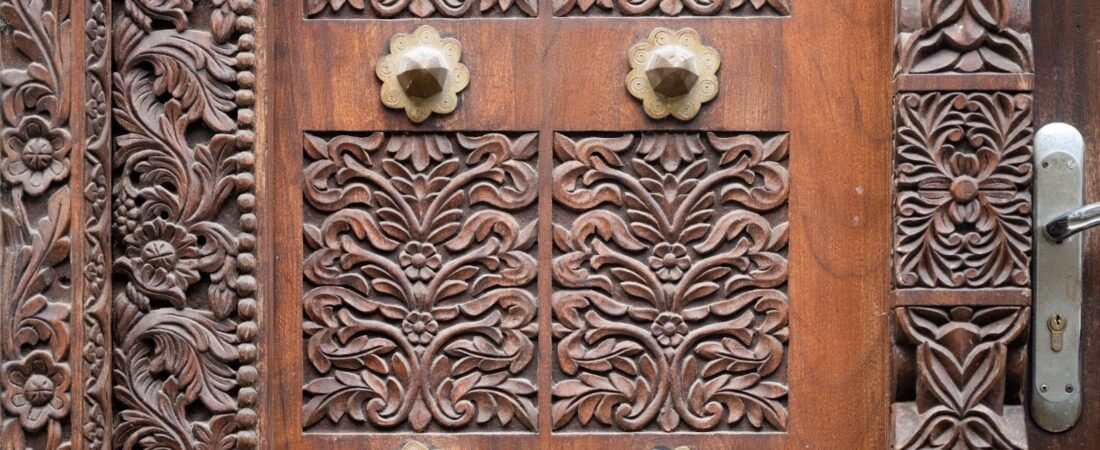
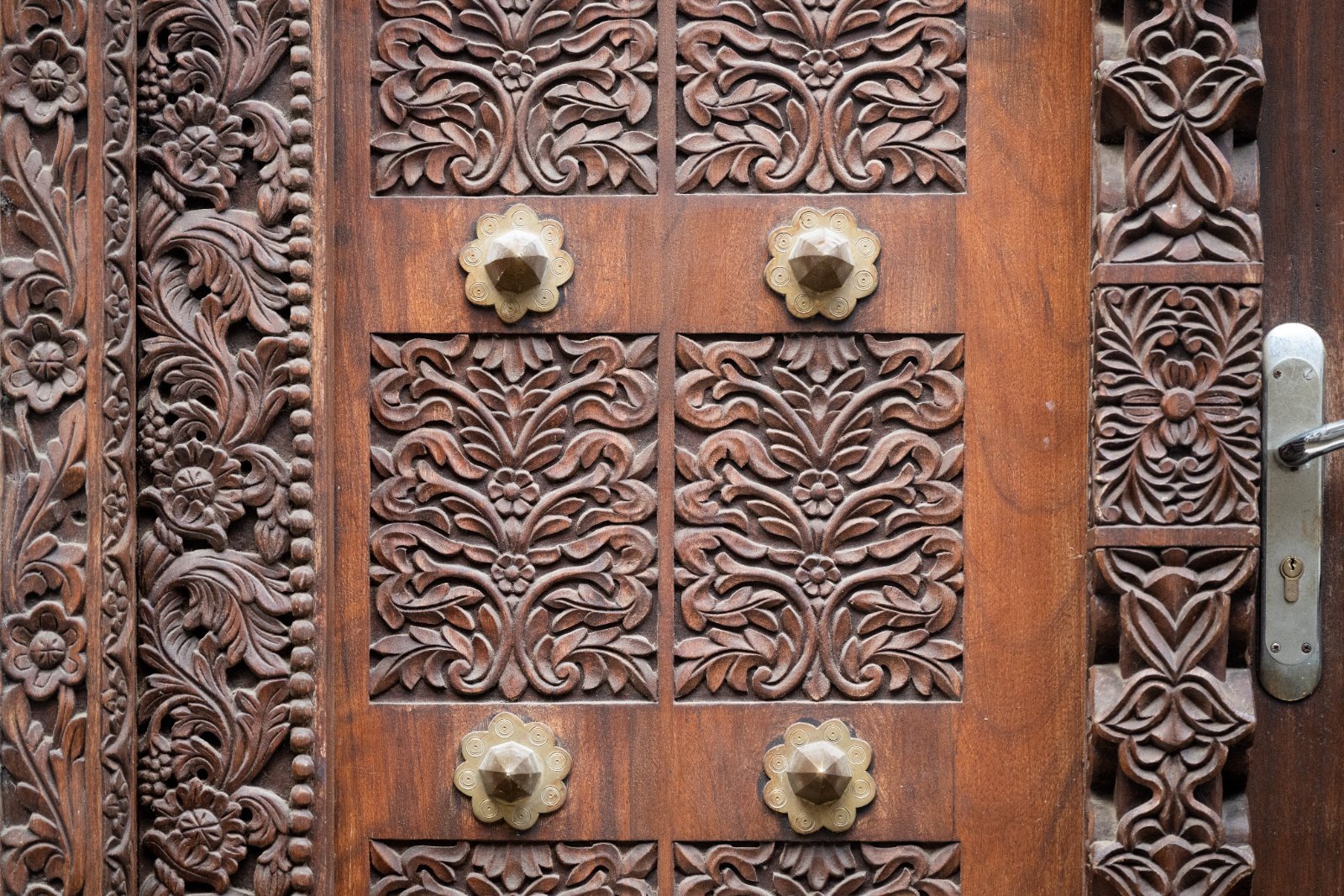
That history is visible in the architecture: elaborately carved wooden doors, often with brass studs originally meant to deter elephants in some design traditions, mark wealthier historic merchant houses, and the narrow, shaded alleys were laid out long before cars existed, which is part of why the old town remains largely pedestrian today.
Two broad architectural styles sit side by side: grander Arab-style stone houses with their elaborate doors and inner courtyards, and simpler Swahili-style homes built by the town’s working population. Spotting the difference as you walk is one of the easiest ways to read the old town’s social history without needing a guide to point out every building, and it makes a second or third walk through the same streets feel genuinely different once you know what to look for.
How much time to allow
A focused half-day with a guide covers the major landmarks, but a full day, or ideally an overnight stay, lets you experience the old town in the cooler morning and evening hours and catch the Forodhani Gardens night market properly. Two nights works well if you want to combine a guided orientation walk with unhurried independent exploring and a side trip to a nearby spice farm.
Many visitors treat Stone Town as a bookend rather than the main event, spending one or two nights at the start or end of a longer beach-focused trip. That pattern works well logistically, since the airport and ferry terminal are both close to the old town. The Zanzibar Commission for Tourism publishes general visitor information if you want an official starting point beyond this guide.
Key sights to prioritize
The former slave market site and the Anglican Cathedral built on it form one of the old town’s most significant and sobering stops, documenting Zanzibar’s role in the Indian Ocean slave trade before its abolition in the late nineteenth century; the World Monuments Fund has documented conservation work on several Stone Town landmarks if you want more background. The House of Wonders, one of Zanzibar’s most prominent historic buildings, and the nearby Old Fort anchor the waterfront area, though check current opening status locally since heritage buildings here periodically close for restoration.
The Darajani Market is the old town’s main working market, selling produce, spices, fish, and household goods to locals rather than being staged for tourists, which makes it a useful contrast to the more curated spice tours. Go in the morning when it is busiest and freshest.
The Old Dispensary, a restored colonial-era building with an ornate carved facade overlooking the harbor, and the Palace Museum, housed in the former Sultan’s residence, round out a reasonable half-day landmark circuit. None of these sights require more than thirty to forty-five minutes individually, so a guided combination of several in one outing is the efficient way to see them.
Forodhani Gardens and the night market
This waterfront park transforms each evening into an open-air food market, with vendors grilling seafood skewers, Zanzibari pizza, and sugarcane juice side by side. It is touristy by local standards but remains one of the most accessible, atmospheric ways to sample a wide range of local food in one stop, especially around sunset when the waterfront fills up.
Prices are generally negotiated informally rather than fixed, and busier, visibly fresh stalls are usually the safer choice for food hygiene. Combine a Forodhani evening with a daytime walk through the old town rather than treating it as a standalone outing.
Arrive as the sun sets, roughly an hour before full dark, to watch vendors set up and claim a good spot along the harbor wall. The market thins out noticeably later in the evening, so earlier visits tend to feel livelier and give the widest choice of stalls before the best-known ones sell out of their most popular dishes, and you get a better seat for watching the sunset over the channel too.
Where to base yourself
Staying inside the old town itself puts you within walking distance of the main sights but means navigating narrow alleys with luggage and accepting that most hotels here are boutique, converted historic buildings rather than larger modern properties. Staying just outside the old town, closer to the harbor or newer parts of Zanzibar City, trades a short taxi or walk for more modern amenities and often better value.
Rooftop restaurants and bars are a genuine old-town specialty, with several converted historic buildings offering harbor views over the rooftops and, on a clear evening, sunset views across the channel toward the mainland. Booking ahead for a rooftop dinner is worth doing in peak season, since the best-positioned tables fill up well before sunset itself.
Shopping: what’s worth bringing home
Spices are the obvious souvenir given Zanzibar’s history, and shops throughout the old town sell cloves, vanilla, and spice blends, though quality and authenticity vary, so buying from a shop attached to a known spice tour operator is generally a safer bet than an unmarked street stall. Tingatinga paintings, a colorful East African art style, and woven baskets are other common finds in old town markets and galleries.
Bargaining is standard practice in most souvenir shops and markets, though fixed-price shops do exist, particularly for higher-end crafts. A polite, good-humored back-and-forth is the norm rather than an aggressive negotiation.
Be cautious of anyone offering to sell raw ivory, tortoiseshell, or other protected wildlife products, which are illegal to buy or export under both Tanzanian law and international wildlife trade rules; reputable shops will not stock these, and encountering them being offered informally is a sign to walk away rather than negotiate.
Practical old-town etiquette
Zanzibar’s population is predominantly Muslim, and modest dress, covering shoulders and knees, is appreciated when walking through the old town, even though beachwear is accepted on the coast. Always ask before photographing people directly, and expect reduced daytime restaurant hours during Ramadan, when it follows the Islamic lunar calendar and can fall in any season.
The old town’s alleys are uneven underfoot, with occasional steps, open drains, and patchy lighting after dark, so comfortable closed shoes serve you better than sandals for a full day of walking. Mosquito repellent is worth carrying too, particularly around dusk near the waterfront.
| Detail | Summary |
|---|---|
| Minimum time to allow | Half a day guided, ideally a full day or overnight |
| Getting around | On foot only inside the old town |
| Best evening activity | Forodhani Gardens night food market |
| UNESCO status | World Heritage Site since 2000 |
| Dress code | Modest dress recommended in the old town |
Frequently Asked Questions
Is one day enough for Stone Town?
A single focused day with a guide covers the major sights, but many visitors find an overnight stay adds real value, since it lets you experience the old town in cooler, quieter hours and properly enjoy the Forodhani Gardens night market, rather than rushing through on a tight day-trip schedule.
Do I need a guide in Stone Town?
Not strictly, but the old town’s dense, unsigned alley layout and layered history make a guided walk a strong orientation on day one, after which independent exploring is easy and enjoyable.
Is Stone Town safe to walk around at night?
The main tourist areas, including Forodhani Gardens, are generally busy and well-trafficked in the evening. As in any unfamiliar city, stick to well-lit, populated routes, keep valuables out of sight, and ask your hotel about any areas to avoid at the time of your visit.
What should I wear in Stone Town?
Modest clothing covering shoulders and knees is appreciated in the old town, reflecting Zanzibar’s predominantly Muslim culture, even though beachwear is normal on the coast a short distance away.
Can I visit Stone Town as a day trip from the beach?
Yes, many hotels on the north and east coasts offer a Stone Town day tour, though the roughly one-hour drive each way from the east coast eats into the time available; an overnight stay gives a less rushed experience if your schedule allows it.
Are there ATMs and currency exchange in Stone Town?
Yes, Stone Town has the most reliable concentration of ATMs and currency exchange offices on the island, generally more so than the coastal resort areas, so it is a practical place to withdraw cash before heading to the beach and relying on patchier ATM access elsewhere.
Pair Stone Town with a full Zanzibar travel guide to plan the beach portion of your trip, check how to get around the island, and see our seasonal guide before booking dates. Browse the wider Zanzibar hotel collection for old-town and coastal stays alike.