
Zanzibar Travel Guide 2026: Beaches & Where to Stay
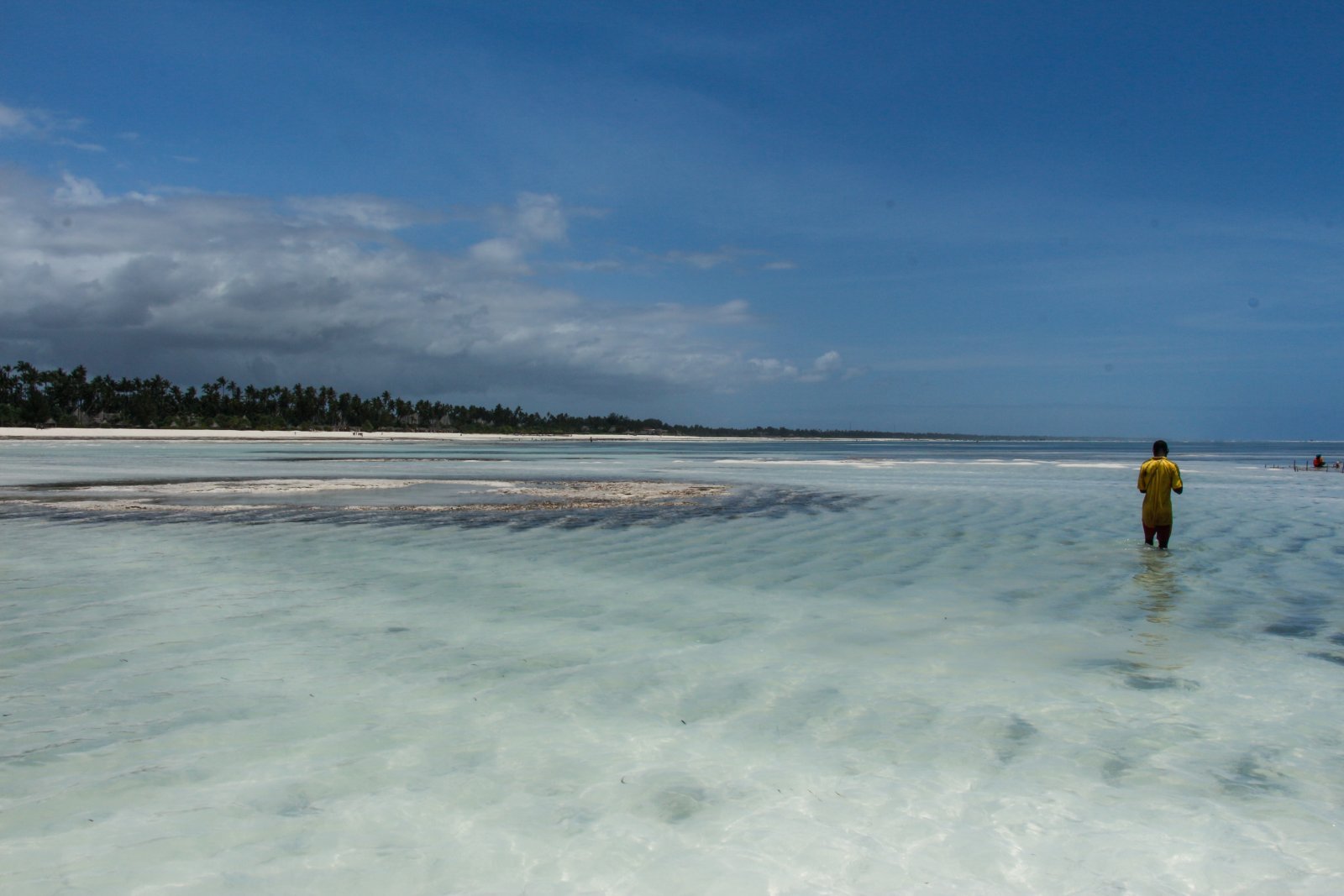
Illustrative island photograph. See the guide below for region-by-region advice.
Zanzibar is an archipelago off the coast of Tanzania, not a single beach town, and that trips up a lot of first-time planners. The east coast, the north coast, and Stone Town each deliver a different trip. This guide focuses on Zanzibar specifically for travelers choosing a coast and planning logistics for the first time, rather than ranking individual resorts.
Planning guide · Compiled from official tourism and transport sources, last checked October 2026. Verify prices, visa rules, and resort policies directly before booking.
Understand the geography before you pick a hotel
The main island, Unguja, is what most people mean when they say “Zanzibar,” and it is split into distinct coastal zones rather than one continuous resort strip. The north coast around Nungwi and Kendwa has calmer, swimmable water at most tide levels and the island’s most concentrated nightlife and beach-bar scene. The east coast, covering Jambiani, Paje, and Bwejuu, is quieter, more affected by tides (the sea can retreat a long way at low tide), and is the center of the island’s kitesurfing industry thanks to steady trade winds.
Stone Town, the historic port on the west coast, is a UNESCO World Heritage Site and the main hub for culture, markets, and transport connections, but it is not a beach base in the way the north and east coasts are. Many travelers split a trip between a few nights in Stone Town and the rest on the coast rather than trying to do everything from one location.
There is also a growing cluster of lodges on the southeast Michamvi Peninsula and around Fumba in the southwest, both of which trade some convenience for a quieter, less built-up coastline. Pemba Island, the archipelago’s second major island to the north, is a different trip altogether: fewer direct flights, far less tourist infrastructure, and a reputation among divers for some of the best wall diving in the region, but it is not a practical add-on to a short Unguja-based holiday.
Choosing a coast for your style of trip
If you want swimmable water close to shore at almost any time of day and an easier social scene, the north coast around Nungwi and Kendwa is the simpler choice. If you are drawn to kitesurfing or want a slower, more residential feel with fewer large hotels, Paje and Jambiani on the east coast fit better, but check tide tables before booking, since some properties face long tidal flats twice a day.
Families often prefer the north coast for the combination of calmer water and more dining options within walking distance. Divers and snorkelers frequently base themselves near Matemwe or Kiwengwa to shorten the boat transfer to Mnemba Atoll, a well-known reef site off the northeast tip of the island.
Stone Town: how much time to allow
Stone Town rewards at least one full day, and two nights if you want to see it without rushing. The old town’s narrow alleys, carved wooden doors, and waterfront Forodhani Gardens night market are worth building into any itinerary, and the UNESCO listing for Stone Town covers the specific heritage criteria if you want background before you go.
Guided walking tours covering the old slave market site, the House of Wonders area, and the spice and fish markets are widely available and generally a better first introduction than exploring without context, since the old town’s layout is dense and not signposted the way a modern city center would be.
Spice tours and Jozani Forest
Zanzibar earned its “Spice Island” nickname from the clove, nutmeg, cinnamon, and vanilla plantations that once dominated its export economy, and half-day spice tours remain one of the most popular inland excursions. Most tours combine a working spice farm visit with a short stop at a local market or lunch, and can usually be arranged through a hotel tour desk or picked up independently in Stone Town.
Jozani Forest, the island’s main protected forest reserve, is the most reliable place to see the endemic Zanzibar red colobus monkey in the wild, along with a boardwalk through mangrove forest. It sits roughly in the center-south of the island and is commonly paired with an east coast transfer.
Food is another reason to build in extra time. Zanzibari cuisine blends Swahili, Indian, Arab, and Portuguese influences, and the Forodhani Gardens night market in Stone Town is the most accessible place to try Zanzibar pizza, grilled seafood skewers, and sugarcane juice in one stop. Away from Stone Town, most beach hotels run their own restaurants, and freelance seafood grills are common along the east coast at sunset, though hygiene standards vary and busier, visibly fresh stalls are generally the safer choice.
Getting there and getting around
Most international arrivals land at Abeid Amani Karume International Airport (ZNZ) near Stone Town, either on a direct long-haul flight or a short connection from mainland Tanzania or Kenya. Travelers coming from Dar es Salaam also have the option of a roughly two-hour fast ferry across the channel, which can be cheaper than flying but is weather-dependent and worth booking a day or two ahead in peak season.
Once on the island, private transfers and pre-arranged taxis are the easiest way to reach a specific coast, since public dala-dala minibuses, while cheap, are not built around tourist luggage or fixed resort schedules. Many hotels include or can arrange an airport transfer, which is worth confirming when you book given how spread out the coastal zones are.
Driving times are longer than the island’s small size might suggest, since roads narrow and slow down through villages. Expect roughly forty-five minutes to an hour from the airport to the north coast, and closer to an hour to an hour and a half to reach the east coast, depending on traffic through Stone Town and which specific property you are headed to.
When to go
Zanzibar has two dry seasons that make up most of the high-demand travel calendar: roughly late June through October, and again from late December into February. The long rains fall from March to May and bring the quietest, most discounted travel window, while short rains in November are generally lighter and more intermittent.
Divers chasing the best visibility around Mnemba Atoll tend to target the drier months, while kitesurfers watch the trade wind season on the east coast, which typically runs strongest from roughly December to February and again in the middle of the year. Check a dedicated seasonal guide before locking in dates if either activity is the main reason for the trip.
Visas, health, and practical planning
Many nationalities can obtain a Tanzania visa on arrival or through the online e-visa system, which also covers Zanzibar since it is part of Tanzania for visa purposes; requirements change by nationality, so check the Tanzania Immigration Department before you travel rather than relying on secondhand advice.
Zanzibar is a malaria-risk area, and most health authorities recommend discussing antimalarial medication and routine travel vaccinations with a travel clinic or your own doctor well before departure; the CDC Tanzania travel health page is a reasonable starting point for current guidance.
Tanzanian shillings are the official currency, though US dollars are widely accepted at hotels and tour operators on Zanzibar; carrying a mix of both, plus a card for larger properties, generally covers most situations. ATMs are reliable in Stone Town and near the larger north coast resorts but scarcer along the quieter stretches of the east coast, so plan cash needs before heading out that way.
| Area | Best for | Water conditions | Typical base length |
|---|---|---|---|
| Nungwi / Kendwa (north) | First-timers, nightlife, swimming | Swimmable most tide levels | 4-7 nights |
| Paje / Jambiani (east) | Kitesurfing, quiet pace | Strong tidal swings | 4-7 nights |
| Matemwe / Kiwengwa (northeast) | Diving, snorkeling access to Mnemba | Moderate tidal swings | 3-6 nights |
| Stone Town (west) | Culture, history, markets | Not a beach base | 1-3 nights |
| Michamvi Peninsula (southeast) | Sunset views, relative seclusion | Moderate tidal swings | 3-5 nights |
Frequently Asked Questions
Is Zanzibar part of Tanzania or a separate country?
Zanzibar is a semi-autonomous region of Tanzania with its own local government, but it uses the same national visa and immigration system as mainland Tanzania for international visitors.
How many days do you need in Zanzibar?
Most itineraries work well with five to ten nights: enough for one or two nights in Stone Town plus a longer stay on a single coast. Trying to cover both the north and east coasts in under a week usually means more time spent in transfers than on the beach.
Is the east coast or north coast better for swimming?
The north coast around Nungwi and Kendwa generally has more consistent swimmable water, since the east coast’s tidal swings can leave a long stretch of exposed sand at low tide. Check a tide table for your specific dates if swimming access matters more than kitesurfing wind.
Do you need a car to get around Zanzibar?
Most visitors do not rent a self-drive car. Pre-arranged transfers, hotel drivers, and licensed taxis cover the standard routes between the airport, Stone Town, and the coasts more reliably than self-driving on roads that are not always signposted in English.
Can you do a day trip to Mnemba Atoll?
Yes, day trips and dive excursions to Mnemba Atoll are commonly run from the northeast coast around Matemwe and from Nungwi; direct access depends on the operator and current marine park rules at the time of booking.
Compare the rest of the Zanzibar hotel collection once you have settled on a coast, and see our seasonal guide, Zanzibar vs. Mauritius comparison, and honeymoon resort shortlist for more specific planning. Always verify current visa, health, and transport details directly with official sources before booking.