Gili Air vs Gili Meno 2026: Which Quiet Gili?
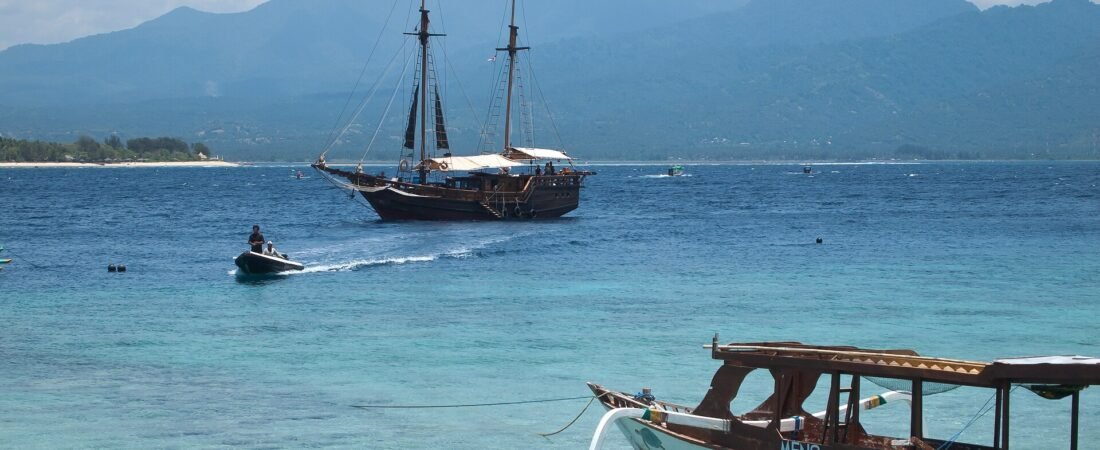
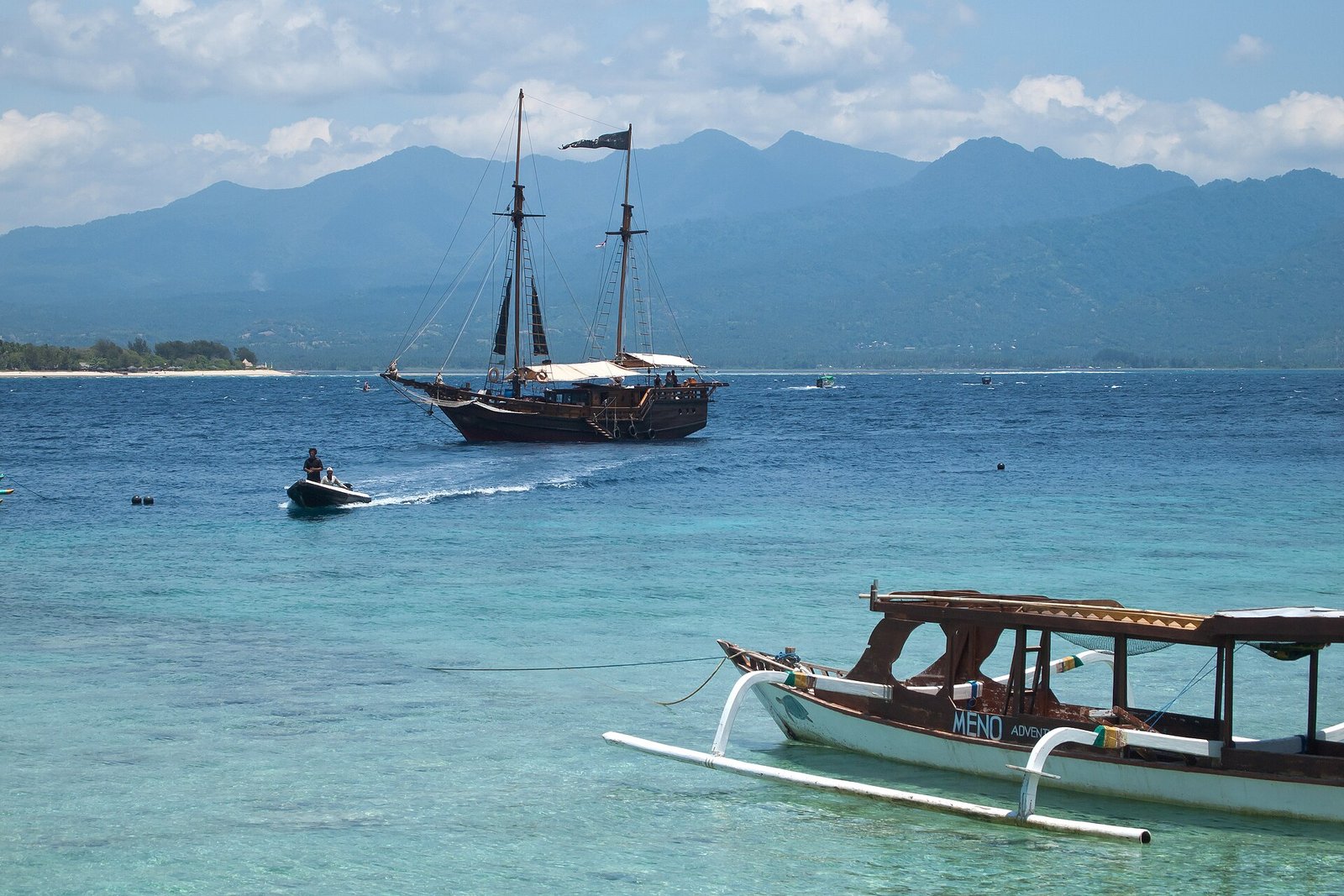
Island comparison for Lombok’s two quieter Gilis. Photo: Vyacheslav Argenberg via Wikimedia Commons (CC BY 4.0).

TL;DR: Choose Gili Meno if you want the quietest, most romantic island with turtle snorkelling and almost no nightlife. Choose Gili Air if you want calm days plus a better choice of cafés, dive schools and boutique hotels within a short walk. Both are car-free and reached by the same fast boats from Bali or a short hop from Lombok.
Most travellers already know they do not want the party energy of Gili Trawangan. The real decision is between its two quieter neighbours: Gili Air and Gili Meno. They sit only minutes apart by boat, share the same water and the same views of Lombok’s volcano, yet they feel noticeably different once you are there.
This guide focuses on Gili Air vs Gili Meno specifically for couples and slow travellers coming from Bali who want a calm, car-free island and are trying to choose where to base themselves for three to five nights. We compare atmosphere, beaches, snorkelling, food, accommodation and logistics, then give a clear recommendation by traveller type. If you are still deciding whether Trawangan belongs in the mix, read our Gili Air vs Gili Trawangan comparison first.
Atmosphere: Village Calm vs Near-Silence
Gili Air is the balance island. It is the closest Gili to Lombok and has a real village life alongside a ring of beachfront cafés, yoga shalas and small dive schools. Evenings mean sunset drinks and relaxed dinners rather than clubs. You can walk or cycle around it in about an hour and a half, and there is always somewhere new to eat.
Gili Meno is the smallest and sleepiest of the three. Large stretches of its coastline are lined with nothing but palms and sand, and after dark the main sound is the sea. There are fewer restaurants and shops, and that is precisely the point. Honeymooners, readers and anyone recovering from a busy Bali itinerary tend to fall for it.
Food and dining
Gili Air is the clear winner for eating out. Its coastal path is lined with beach cafés serving everything from Indonesian classics such as nasi campur and grilled fish to wood-fired pizza, smoothie bowls and plant-based menus. Evening fish barbecues, where you pick your catch from ice and it is grilled to order, are a highlight on both islands, but Air simply has more of them.
On Gili Meno, dining tends to revolve around your hotel and a small number of warungs and beach restaurants. The food can be excellent, but the choice is narrower, and some places close early outside peak season. If you are staying a week on Meno, plan at least one dinner trip to Gili Air for variety.
Both islands ban motorised traffic, so you get around on foot, by bicycle or by horse-drawn cart. Paths can be sandy in places, which makes cycling with luggage awkward — most hotels will arrange a pickup from the harbour.
Head-to-Head Comparison
| Factor | Gili Air | Gili Meno |
|---|---|---|
| Vibe | Relaxed village with cafés and yoga | Very quiet, nature-first |
| Dining choice | Wide: beach cafés, international and Indonesian | Limited: mostly hotel restaurants and warungs |
| Nightlife | Low-key sunset bars, live music some nights | Almost none |
| Snorkelling | Good reefs off the east and north coasts | Excellent turtle encounters, underwater sculptures |
| Diving | Several dive schools on the island | Fewer schools; dives often shared with other Gilis |
| Boutique and luxury stays | More choice of design-led villas | Smaller selection of secluded resorts |
| Best for | Couples, friends, first-timers | Honeymooners, slow travellers |
In short: Gili Air offers the most options without the noise, while Gili Meno offers the deepest sense of escape with fewer options.
Sample three-night plans
Gili Meno, three nights: arrive by fast boat around lunchtime and spend the afternoon on your hotel’s beach. On day two, take a morning snorkel trip to the turtle spots and the underwater sculptures, then walk the island loop past the inland salt lake at sunset. On day three, try a sunrise paddleboard session and a long massage, before a candlelit beach dinner.
Gili Air, three nights: arrive and cycle the coastal path to get your bearings. On day two, take a discover-scuba session or a guided snorkel along the east coast, followed by a sunset drink on the west side facing Bali’s volcano. On day three, hop over to Meno for turtles and lunch, then return for a final fish barbecue.
Beaches, Snorkelling and Diving
Both islands are surrounded by fringing reef, and both have stretches where low tide exposes coral and makes swimming awkward — check your hotel’s beachfront before booking if daily swimming matters to you.
Gili Meno is famous for green and hawksbill turtles, which are commonly seen grazing on the reef, and for the “Nest” — a ring of life-size underwater figures by sculptor Jason deCaires Taylor off the west coast. It is shallow enough to snorkel and has become a signature sight.
Gili Air has good snorkelling along its east side and is a convenient base for diving, with several established dive centres offering courses and trips to the sites shared by all three Gilis. For a full rundown of sites and operators, see our Gili Islands snorkelling and diving guide.
Currents between the islands can be strong. Join a guided snorkel boat trip for the first day, and avoid swimming in the channels between islands.
Where to Stay: Boutique and Luxury Options
Neither island has big-brand five-star resorts; luxury here means small, design-led villa properties with private pools, beachfront bungalows and attentive service. Gili Air has the larger pool of such properties, spread along its east and north coasts, which gives you more choice of price and style. Gili Meno’s best stays are fewer but often more secluded, with beachfront villas where you may share the sand with only a handful of other guests.
Our detailed picks are in the best luxury resorts on Gili Meno and the wider Gili Islands luxury resorts guides. As a rule, book directly or on a flexible rate, and read recent reviews about water pressure and generator noise — infrastructure on small islands can vary from season to season.
Getting There and Moving Between Islands
Fast boats run from several points on Bali, including Padang Bai, Serangan and Sanur, and usually call at Gili Trawangan and Gili Air, with some services stopping at Meno. Crossing times are roughly one and a half to three hours depending on the departure port and sea conditions. From Lombok, public boats from Bangsal harbour reach Gili Air in about fifteen to twenty minutes.
A shared “island hopper” boat links the three Gilis a few times a day, so it is easy to stay on one and visit the other. Step-by-step routes are in our Bali to Gili Islands guide. For official entry and regional information, see Indonesia Travel, and for background on the island itself the Gili Meno Wikipedia entry is a useful starting point.
Seas are generally calmest from about May to September, the dry season. The wet season can bring rough crossings and occasional cancellations; our best time to visit the Gili Islands guide covers month-by-month conditions.
Practical notes: cash, water and connectivity
Bring enough Indonesian rupiah for small cafés, carts and tips; ATMs exist on Gili Air and Trawangan but can run out or be offline, and options on Meno are more limited. Most hotels accept cards, sometimes with a surcharge. Fresh water supply and pressure vary on small islands, so luxury villas with their own filtration and storage systems are worth the premium. Mobile data generally works on both islands, though speeds drop at busy times — if you need reliable internet for work, Gili Air is the safer bet. Finally, pack reef-safe sunscreen and a light cover-up for walking through the villages, which are home to conservative local communities.
Frequently Asked Questions
Is Gili Meno or Gili Air better for a honeymoon?
Gili Meno is usually better for a honeymoon if you want maximum privacy and quiet. Gili Air suits couples who want romance plus more choice of restaurants and activities.
Can you see turtles from Gili Air?
Yes, turtles are seen around all three Gilis, but Gili Meno’s reefs are particularly known for frequent turtle encounters close to shore.
How long should I stay on Gili Air or Gili Meno?
Three to five nights is ideal. That gives you time to snorkel, dive or do yoga, and visit the neighbouring island on a day trip.
Can you travel between Gili Air and Gili Meno easily?
Yes. A shared island-hopping boat runs between the three Gilis several times a day, and private boats can be chartered.
Are there cars on Gili Air or Gili Meno?
No. Both islands ban motorised vehicles. People walk, cycle or use horse-drawn carts.
Key Takeaways
- Pick Gili Meno for near-silence, turtles and secluded beachfront villas.
- Pick Gili Air for calm days with more cafés, dive schools and boutique stays.
- Both are car-free; arrange hotel luggage pickup from the harbour.
- Check low-tide swimming conditions at your specific hotel before booking.
- Travel May–September for the smoothest boat crossings from Bali.
- Staying on one island and day-tripping to the other is easy by hopper boat.
Final Verdict
If your idea of luxury is silence, starry skies and swimming with turtles, Gili Meno wins. If you want that same calm with a little more life — more restaurants, more dive options and a wider choice of design-led villas — Gili Air is the stronger all-round base. Many couples split the difference: stay on Meno for the romance and pop over to Air for a long lunch.
Whichever island you choose, book the fast boat with a reputable operator, travel in the morning when seas are usually calmer, and leave a spare day before any international flight out of Bali or Lombok in case of weather delays.
About the Author
This guide was researched by the LuxStay editorial team — curating luxury island and Southeast Asia stays, updated regularly with on-the-ground verification.