Best Snorkeling & Diving in the Gili Islands
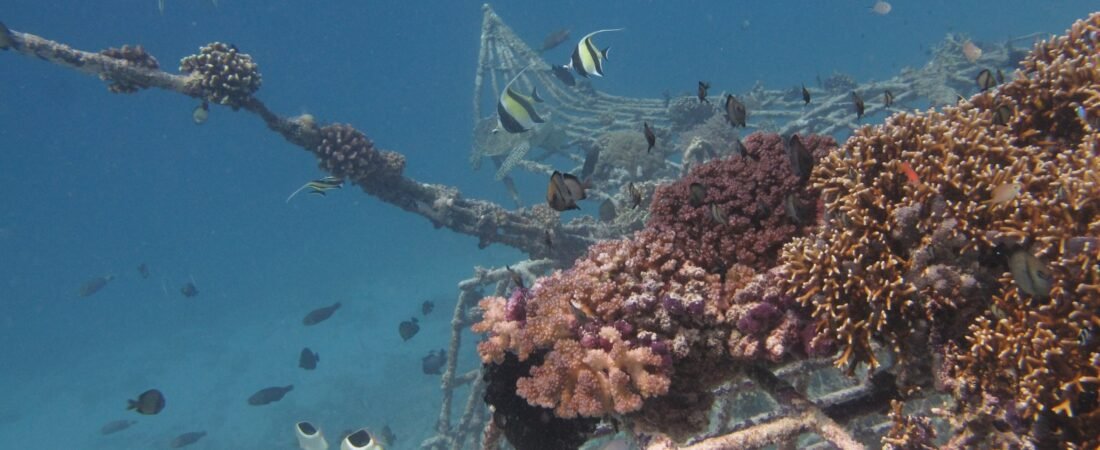
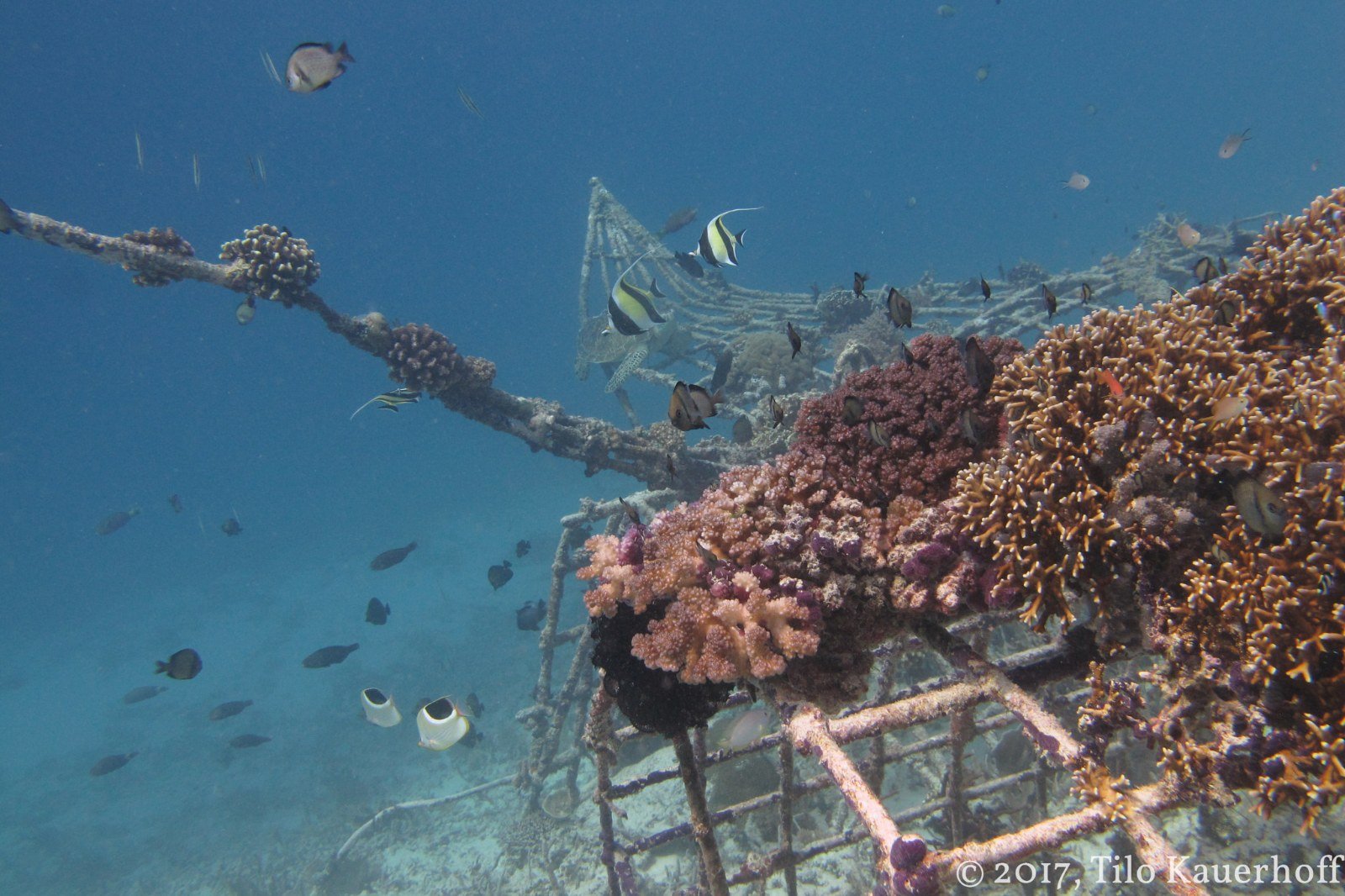
Illustrative Gili Islands reef photo.
The Gili Islands sit on a shared reef system that supports resident sea turtles, reef sharks, and healthy coral in water shallow enough for snorkelers and deep enough to keep certified divers interested. This guide focuses on the best snorkeling and diving spots across all three Gili Islands specifically for travelers planning dives or snorkel trips rather than a general sightseeing visit, ranking sites by what makes each one worth the boat ride.
1. Turtle Point, Gili Trawangan
Turtle Point, just off Gili Trawangan’s east coast, is the most reliable spot in the entire Gili Islands for encountering green sea turtles, often in water shallow enough to see them from the surface without diving down. It works equally well for snorkelers and beginner divers, and most Gili Trawangan dive shops run it as a standard half-day trip. Our full Gili Trawangan travel guide covers how to book a trip here alongside the island’s other highlights.
Morning trips to Turtle Point generally have calmer water and better light for photos, and because the turtles here are accustomed to boat traffic, sightings are consistent across most of the year rather than limited to a lucky few days. Keeping a respectful distance and avoiding chasing or touching the turtles is both good etiquette and the easiest way to avoid startling them away from the area entirely.
2. Shark Point, Gili Meno
Shark Point off Gili Meno is known for regular sightings of reef sharks resting on the sandy bottom, along with occasional eagle rays passing through the deeper sections. It sits a little deeper than Turtle Point, making it better suited to certified divers than snorkelers, though calm days allow strong swimmers to snorkel the shallower fringes. Gili Meno’s smaller, quieter dive scene means boats here tend to be less crowded than equivalent trips from Trawangan.
The sharks most commonly seen here are reef sharks, which are generally shy around divers and pose little practical risk; most sightings involve the sharks resting motionless on the sand rather than actively swimming toward boats or divers. Because the site sits in slightly deeper, more open water than Turtle Point, conditions can shift faster here, so going with a guide familiar with the current day’s conditions matters more at Shark Point than at the shallower sites closer to shore.
3. Hans Reef, Gili Air
Hans Reef sits between Gili Air and Gili Meno and is a favorite for gentle drift dives suited to all experience levels, with healthy hard coral formations and frequent sightings of reef fish, moray eels, and the occasional turtle passing through. Operators on Gili Air, where the island’s diving community is closely tied to its long-stay resident population, often run smaller group sizes here than the bigger operations based on Trawangan.
Because it is a drift site, divers cover more ground per dive than at a fixed site like Turtle Point, which means less effort swimming and more time simply watching the reef move past. The consistent gentle current also keeps visibility relatively stable here across much of the year compared to sites more exposed to boat traffic and surface chop.
4. Simon’s Reef
Simon’s Reef, located between Gili Air and Gili Trawangan, is known for soft coral gardens and strong macro life, making it a favorite among divers who enjoy spotting nudibranchs, shrimp, and other small reef creatures rather than big pelagic sightings. Visibility here can vary more than at the shallower sites, so it rewards divers who go in with an experienced local guide who knows the current conditions.
Underwater photographers with a macro lens tend to rate Simon’s Reef above the bigger-name sites precisely because it rewards slow, patient looking rather than scanning for large animals, and dive guides who spend time here regularly can usually point out specific nudibranch species or camouflaged creatures that are easy to swim straight past otherwise.
5. Secret Reef (Advanced)
Secret Reef is one of the deeper sites in the area and is generally reserved for certified divers comfortable with stronger currents, offering a quieter, less-visited alternative to the more heavily dived sites closer to the main islands. Dive shops typically require an Advanced Open Water certification or equivalent experience before booking a trip here; see PADI’s course overview for what that certification involves if you need to upgrade your qualification before visiting.
Because fewer operators run trips here and the site demands more experience to dive safely, Secret Reef tends to stay in noticeably better condition than some of the more heavily visited sites closer to the main islands, which is part of its appeal for divers who have already ticked off the shallower highlights.
Snorkeling Without a Boat: Best Beach Entry Spots
Not every good spot requires a boat trip. The east coast of Gili Trawangan near the harbor offers walk-in snorkeling with a reasonable chance of spotting turtles close to shore, and calm mornings on Gili Air’s east-facing beaches often reveal healthy reef fish activity just a short swim out. Gili Meno’s house reef, accessible from several beachfront properties, is shallow and sheltered enough for beginners and children to snorkel comfortably under supervision.
None of these beach-entry spots match the density of marine life at the boat-accessed sites, but they remove the cost and scheduling of a boat trip entirely, which makes them a good option for a quick swim between other activities or for travelers snorkeling for the first time who want to build confidence before heading further out.
A reasonable rule of thumb for a short trip is one boat-based dive or snorkel excursion per day you are on the islands, leaving the rest of your time free for the beach-entry spots above, cycling, and simply resting between outings rather than packing the whole itinerary with water activities.
Choosing a Dive Operator and Site Comparison
Across all three islands, look for operators affiliated with a recognized certification body, transparent group sizes, and recent reviews mentioning reef-friendly practices such as no-touch policies and mooring buoy use rather than anchoring directly on coral.
Reef-safe sunscreen is worth using at every site mentioned here, since the oxybenzone found in many standard sunscreens has been linked to coral bleaching in heavily trafficked reef areas, and the Gili Islands’ entire tourism economy depends on these reefs staying healthy. Most reputable operators now brief guests on basic etiquette before every trip: no standing on coral, no feeding fish, and keeping fins well clear of the reef itself, all of which matter more here than at destinations with less fragile or more extensive reef systems.
The table below summarizes the five sites above at a glance.| Site | Typical Depth | Difficulty | Best For |
|---|---|---|---|
| Turtle Point | 3 to 10m | Beginner | Turtles, snorkelers |
| Shark Point | 12 to 20m | Intermediate | Reef sharks, rays |
| Hans Reef | 6 to 15m | All levels | Drift diving, reef fish |
| Simon’s Reef | 10 to 18m | Intermediate | Macro life, soft coral |
| Secret Reef | 18 to 28m | Advanced | Experienced divers |
Visibility and conditions across every site are best during the dry season; see our best time to visit the Gili Islands guide for a month-by-month breakdown, and Wikipedia’s Gili Islands overview for background on the wider marine area.
However you split your time, confirming current conditions with a local operator the morning of your trip is always worth the extra few minutes, since site-specific visibility and current strength can shift day to day in ways that general guides like this one cannot capture in real time.
Frequently Asked Questions
Which Gili Island has the best snorkeling?
Gili Trawangan’s Turtle Point is the most popular single spot thanks to near-guaranteed sea turtle sightings in shallow water, though all three islands share access to the same broader reef system.
Do you need to be a certified diver to see turtles in the Gili Islands?
No, Turtle Point and several other shallow sites are snorkel-friendly, so non-divers can see turtles without a certification.
What certification do you need for Secret Reef?
Most operators require an Advanced Open Water certification or equivalent logged dive experience before booking Secret Reef due to its depth and current.
Is diving around the Gili Islands expensive?
Prices are broadly comparable across all three islands and generally in line with other popular Southeast Asian dive destinations, with slight variation between operators rather than between islands.
When is visibility best for diving in the Gili Islands?
Visibility is typically best during the dry season from May through September, when calmer seas and clearer skies combine for the most reliable conditions.
Can beginners snorkel in the Gili Islands?
Yes, several beach-entry spots and shallow boat sites like Turtle Point are suitable for first-time snorkelers, and most operators provide life vests for anyone who wants extra buoyancy in the water.