
10 Philippine Beach Towns for Digital Nomads (2026)
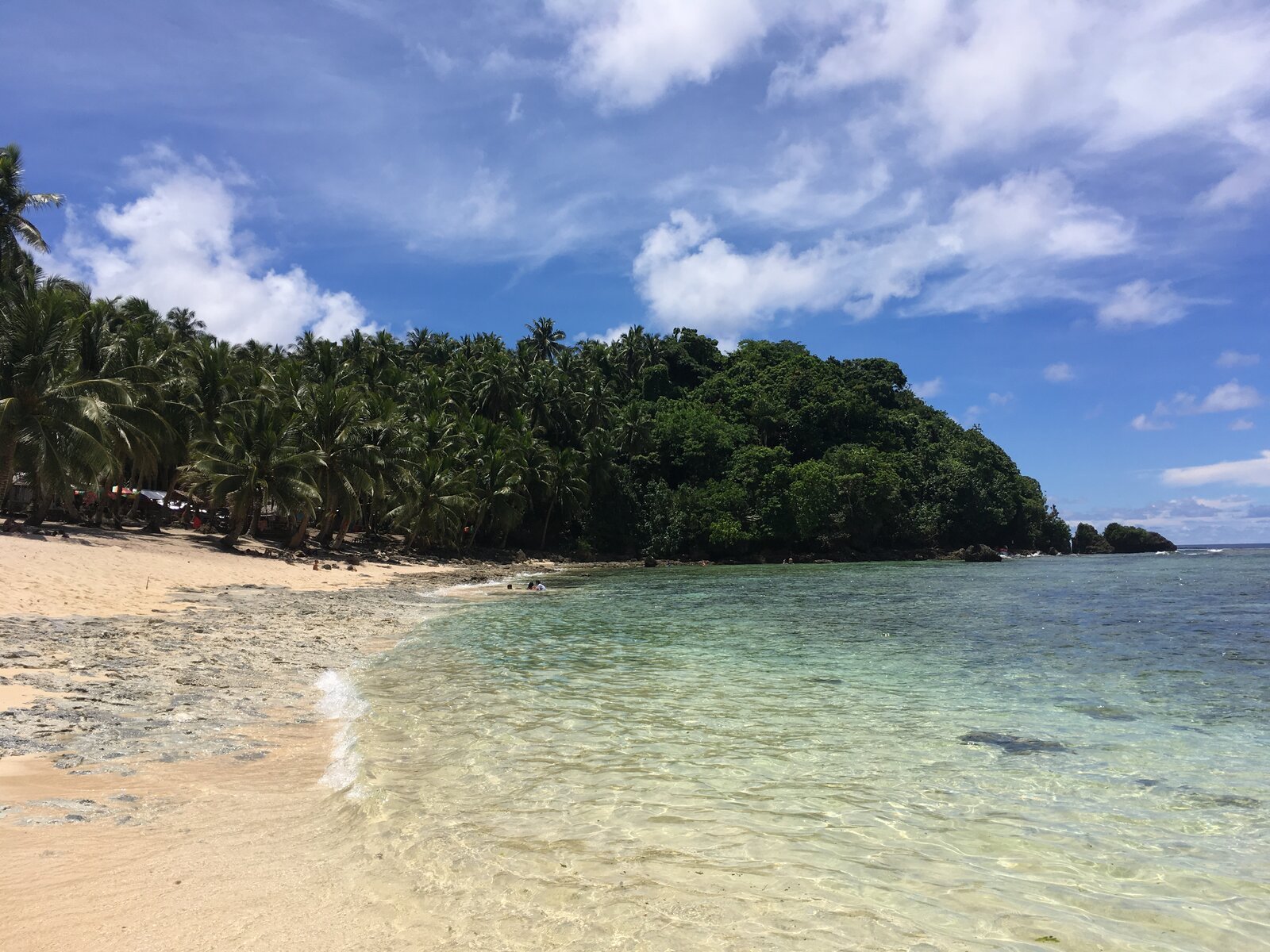
Illustrative Siargao-area coastline. Specific internet and coworking details below are for the named town in each entry.
Plenty of “best Philippine islands” lists are written for a one-week holiday, which is a different question from where a remote worker can actually get a month of productive, laptop-dependent work done. This guide focuses on beach towns in the Philippines specifically for digital nomads weighing internet reliability, coworking access and visa logistics against the usual beach-and-sunset appeal — not a general island-hopping bucket list for a short holiday.
Research-based list · Updated for 2026
What Actually Matters for Remote Work Here
Three things separate a workable beach town from a holiday-only one: fibre or reliable mobile data (ideally both, as backups for each other when one carrier has an outage), at least one cafe or coworking space with dependable power during brownouts, and a ferry or flight connection that does not strand you on a visa run. Typhoon exposure, concentrated roughly July through November, is the fourth factor that is easy to overlook until a storm cuts power and ferry access for several days in a row, sometimes longer in a particularly bad season.
A fifth factor worth weighing, especially for anyone planning to stay more than a few weeks, is how easily you can find mid-term housing rather than tourist-rate guesthouse rooms. Towns with an established nomad or expat presence, such as Siargao and increasingly Panglao, have Facebook groups and local agents who handle monthly rentals directly, which run noticeably cheaper than booking a guesthouse night by night for a whole month. Smaller or less-established towns on this list often lack that market entirely, meaning your only realistic option is a standard nightly rate stretched out, which erodes much of the cost advantage that drew you there in the first place.
None of the towns below are flawless on every count, which is exactly why the comparison table later in this guide separates connectivity, airport access and cost rather than giving one blended score that hides the trade-offs.
Top Picks for Reliable Connectivity
1. Siargao — The Established Base
Siargao has the Philippines’ most mature nomad scene outside Manila, with a cluster of coworking spaces around General Luna, fibre internet reaching most guesthouses, and a direct domestic airport that avoids multi-leg ferry transfers. It is also the most “nomad-crowded” option on this list, which pushes long-stay rental prices up relative to quieter alternatives. See the full Siargao travel guide for arrival logistics and neighbourhood notes.
2. Panglao, Bohol — The Reliable Middle Ground
Panglao pairs decent fibre coverage with an international airport on Bohol itself, cutting out the ferry dependency that affects most entries on this list. It is quieter than Siargao’s nomad scene but has enough cafes with backup generators to work through brownouts without losing a full day. Getting here from Cebu is covered in how to get to Panglao and Bohol.
3. Moalboal, Cebu — Diving Town With Decent Fibre
Moalboal’s growth as a diving hub has brought fibre internet to most of its guesthouse strip, and its position on Cebu island means a two to three-hour drive to Cebu City for visa runs or flights, rather than a boat crossing that could be cancelled by weather. It works well for nomads who want ocean access without Siargao’s crowds or costs.
4. Dumaguete — The Underrated University-Town Hybrid
Dumaguete is technically a city rather than a beach town, but its proximity to Apo Island’s dive sites and its university-driven cafe culture give it some of the most consistent internet on this list, plus a notably lower cost of living than the more tourist-dense entries further north.
5. La Union — The Surf-and-Manila-Proximity Option
La Union’s main draw for nomads is proximity to Manila, roughly a 4 to 5-hour drive, which makes visa runs and international flight connections far simpler than any island option on this list. Internet quality in the San Juan surf strip is solid, though the beach itself is less dramatic than the islands further south.
Budget and Scenery Picks With Weaker Connectivity
6. Port Barton, Palawan — Slower, Cheaper, Patchier
Port Barton is the budget pick on this list: noticeably cheaper long-stay housing than El Nido or Coron, but with less consistent internet and no airport of its own, meaning a 5 to 6-hour van ride from Puerto Princesa. It suits someone doing async or low-bandwidth work who prioritises cost over connectivity. Details on logistics are in the Port Barton travel guide.
7. Malapascua, Cebu — Small, Quiet, Limited Backup
Malapascua is smaller and quieter than Moalboal, with fewer coworking-style cafes, so plan on working from your accommodation’s own Wi-Fi rather than counting on a cafe scene to fill gaps. It is a strong fit for someone who wants minimal distraction and does not need daily in-person coworking. Compare it against its closest rival in Bantayan vs Malapascua.
8. Camiguin — Quiet and Scenic, Internet Still Catching Up
Camiguin’s volcanic scenery and small-island pace make it appealing, but its internet infrastructure lags the busier entries on this list; treat it as a short, lower-connectivity stay rather than a primary base for months of deadline-driven work. The Camiguin travel guide has current transport details.
9. Coron, Palawan — Beautiful, But Plan Around Ferries
Coron’s lagoons are some of the most photogenic in the country, but its airport has limited routes and its internet, while improving, is less consistent than Panglao or Siargao. It fits a nomad who wants a scenery-first stay rather than a long-term productivity base for the bulk of a trip.
10. Boracay — Infrastructure-Rich, Cost-Heavy
Boracay has the Philippines’ most built-out hospitality and connectivity infrastructure of any beach destination, but also the highest long-stay costs on this list, making it better suited to a shorter working trip than a budget-conscious month-long base.
How the Towns Compare
| Town | Internet reliability | Own airport? | Cost level |
|---|---|---|---|
| Siargao | High | Yes | Mid-high |
| Panglao, Bohol | High | Yes | Mid |
| Moalboal, Cebu | Mid-high | No (overland from Cebu City) | Mid |
| Port Barton, Palawan | Low-mid | No | Low |
| Boracay | High | Nearby (Caticlan) | High |
Choosing Between Them
If this is a first remote-work trip to the Philippines, start with Siargao or Panglao — both forgive a shaky setup with real backup infrastructure already in place. If budget is the binding constraint, Port Barton or Camiguin stretch further but demand more patience with internet gaps and slower transport. Dumaguete or La Union suit a nomad who wants lower cost without sacrificing much connectivity, trading island scenery for easier mainland access instead. Travellers who still want a comparison point outside the Philippines can see how a similar profile plays out in Bali’s digital nomad guide, which remains the region’s most established alternative base in Southeast Asia.
For visa rules, check current tourist visa and extension requirements directly with the Philippine Bureau of Immigration, confirm destination-specific travel information through the Philippine Department of Tourism, and track storm risk during your stay with PAGASA, the national weather bureau, especially if your trip falls within typhoon season.
One final point worth planning around: domestic flight schedules between these towns and Manila or Cebu can thin out or get rescheduled during a storm warning even when the town itself is not directly hit, since airlines ground routes pre-emptively along a storm’s projected path. Building a one or two-day buffer around any flight that marks the end of a stay during typhoon season avoids a missed international connection caused by a domestic delay rather than the storm itself.
Frequently Asked Questions
Do I need a special visa to work remotely from the Philippines?
The standard tourist visa (30 days on arrival for most nationalities, extendable at a Bureau of Immigration office) does not technically authorise local employment, but it is the visa nearly all remote workers use since there is no dedicated digital nomad visa yet. Extensions can typically be renewed multiple times at increasing cost per extension.
Which beach town has the most reliable internet?
Siargao and the Panglao/Bohol corridor currently have the best mix of fibre coverage and backup mobile data among beach towns, largely because of tourism-driven demand for both. Even there, pairing a fibre connection with a second SIM from a different carrier is standard practice during outages.
Is it cheaper to live in a Philippine beach town than in Bali?
Generally yes for day-to-day costs like food and short-term rentals, though flights and imported goods can cost more given the Philippines’ island geography and inter-island shipping. Bali still has a larger, more mature coworking and long-stay housing market, which can offset its slightly higher baseline costs.
How long should I plan to stay in one beach town before island-hopping?
At least four to six weeks if the goal is actual productive work rather than a holiday. Shorter stays mean more time lost to settling in, finding workspace with usable power backup, and adjusting to each town’s particular internet quirks.
What is the biggest downside of working remotely from these towns?
Power outages (brownouts) and typhoon-season disruptions, particularly from roughly July through November. Any town on this list can lose power or ferry access for a day or more during a storm, so a backup power bank and flexible deadlines matter more here than in a mainland city.
No single town on this list is perfect for every kind of remote work. Match the town’s internet reliability and airport access to how dependent your job is on video calls and firm deadlines, and build in a buffer for typhoon season if you are travelling between July and November.
A practical habit worth adopting regardless of which town you pick: carry two SIM cards from different carriers (commonly Globe and Smart) rather than relying on a single network, since outages tend to hit one carrier’s towers and not the other at the same time. Pair that with a portable power bank rated for at least one full laptop charge, since brownouts in smaller beach towns can run for several hours without much warning, and a dead laptop mid-deadline is a worse problem than a slow connection.