Bali Wet Season Luxury Travel Guide 2026
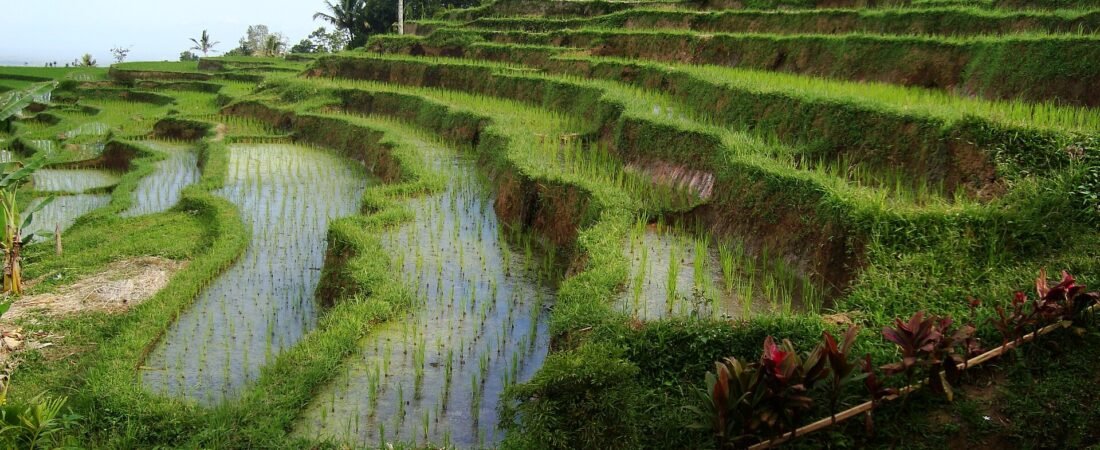
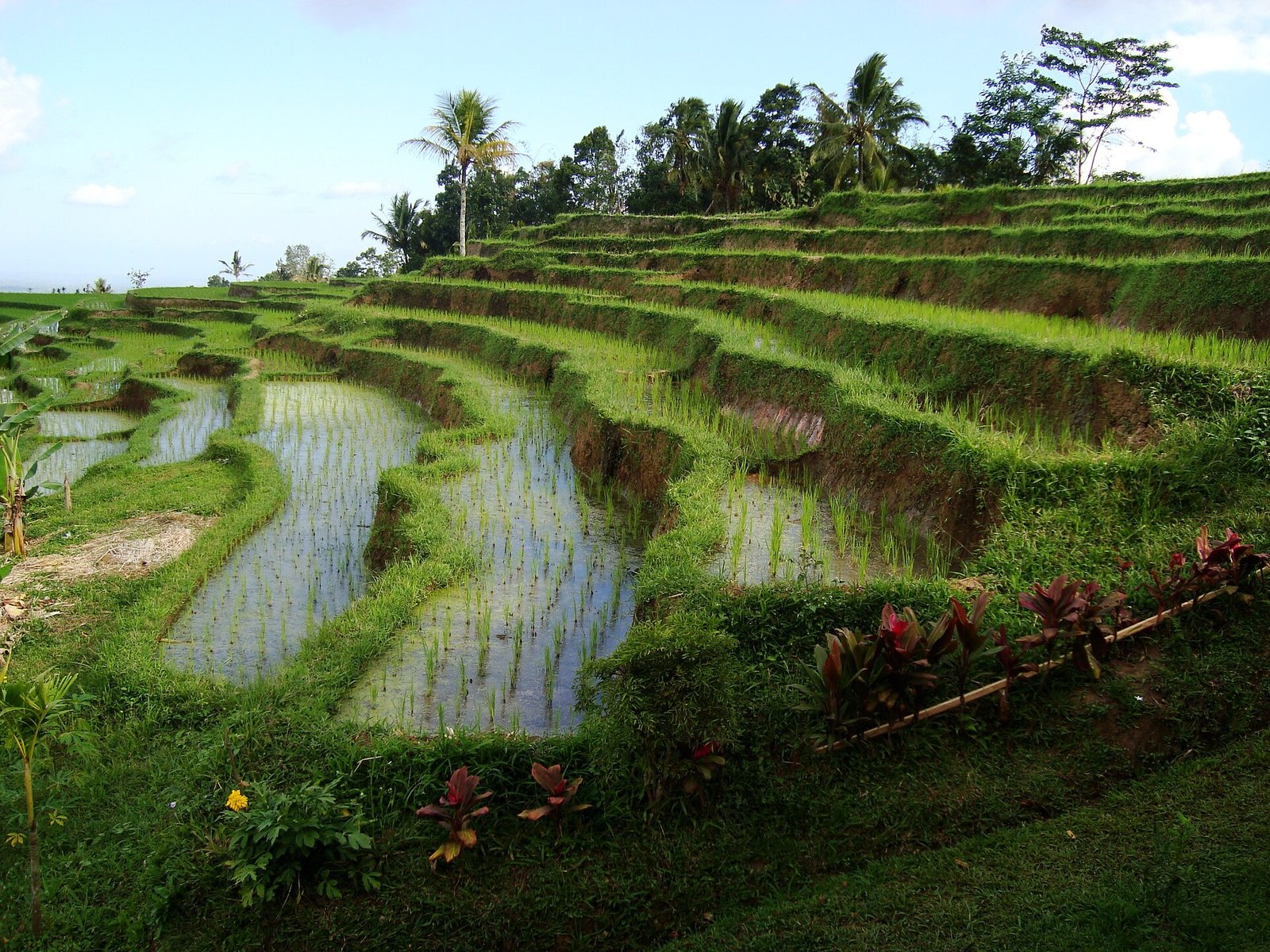
Photo: Globe-trotter via Wikimedia Commons (CC BY-SA 4.0). Illustrative image.
TL;DR: Bali’s wet season (roughly November to March) usually means short, heavy afternoon downpours rather than all-day rain, so it is a good time for a luxury trip if you pick villas with covered living spaces, plan outdoor activities for the morning and avoid the Christmas–New Year price spike.
Many travellers avoid Bali between November and March, imagining weeks of grey skies. The reality is more forgiving. Rain in the wet season often arrives as a dramatic afternoon storm that clears by evening, the rice terraces turn their most vivid green, and outside the festive peak, luxury villas and resorts can be noticeably easier to book.
This guide focuses on the Bali wet season specifically for luxury travellers and couples deciding whether a November-to-March trip is worth it, and how to plan around the weather rather than against it. For the full year at a glance, see our Bali month-by-month guide.
What Bali’s Wet Season Is Really Like
Bali sits just south of the equator and has two broad seasons: dry from roughly April to October and wet from roughly November to March. The wettest months are typically December to February. Indonesia’s meteorological agency, BMKG, publishes forecasts and weather warnings, and it is worth checking in the week before you travel.
Patterns vary by year and location, but a typical wet-season day starts bright and humid, clouds build after lunch, and a heavy shower or thunderstorm rolls through in the afternoon or evening. Some days are dry; occasionally rain lasts for most of a day. Temperatures stay warm, usually around the high 20s to low 30s°C on the coast, while humidity rises. The central highlands around Ubud, Munduk and Bedugul tend to see more rain and cloud than the coast.
Wet season month by month
| Month | Typical conditions | Crowds and prices | Verdict |
|---|---|---|---|
| November | Transition month; showers become more frequent | Quieter, good value | Good choice |
| December | Wetter, humid, frequent afternoon storms | Peak from mid-month to New Year | Book very early |
| January | Often the wettest month | Busy until early January, then quieter | Best for value after first week |
| February | Still wet, occasional dry spells | Quiet except around Chinese New Year | Good for deals |
| March | Rain easing; Nyepi (Day of Silence) usually falls this month | Moderate | Good, check Nyepi date |
Where to Stay in Bali During the Wet Season
Location matters more in the wet season than at any other time. The southwest coast, from Seminyak to Canggu, takes the brunt of the westerly winds and its surf can be messy, while the east coast becomes the better side for surfing. Our Canggu vs Uluwatu comparison explains the differences between the main surf areas.
Best areas for a wet-season stay
- Nusa Dua and Sanur: calm, sheltered beaches, large resorts with plenty of indoor facilities, and easy access to restaurants. Ideal for families and anyone who wants a backup plan when it rains.
- Jimbaran and the Bukit Peninsula: cliff-top resorts with spas, covered restaurants and spectacular storm views. Some of the island’s best villas are here.
- The north and east coasts: areas such as Lovina, Amed and Pemuteran are often drier than the south and central regions, though they are further from the airport.
- Ubud and the highlands: wonderful when green, but expect more rain. Choose a resort with indoor dining, a spa and covered walkways.
What to look for in a villa or resort
Look for covered outdoor living areas (a bale or large roofed terrace), a heated or shaded pool, a strong in-house dining offer, a spa and reliable drainage on access roads. Ask whether the property offers free cancellation, and check that paths between villas are covered or at least well lit.
Rain-Proof Luxury Experiences
Plan outdoor sightseeing for the morning and keep afternoons for indulgent indoor experiences. Some of the best options include:
- Spa days: Bali’s world-class spas are at their best when rain drums on the roof. Book long signature treatments for mid-afternoon.
- Cooking classes: many resorts and Ubud cooking schools run morning market tours followed by a covered kitchen class.
- Fine dining and tasting menus: book chef’s-table or degustation dinners for wet evenings.
- Rice terraces at their greenest: Jatiluwih and Tegallalang are especially beautiful after rain; visit early when skies are clearer.
- Waterfalls in full flow: falls are dramatic in the wet season, but trails can be slippery and some close after heavy rain. Go with a guide and check conditions.
- Temple visits: cultural sites such as Tirta Empul and Taman Ayun are rewarding in the morning before storms build.
Diving and snorkelling in the wet season
Underwater, the wet season is a mixed picture. Run-off from rivers can reduce visibility near the south coast after heavy storms, and boat crossings to Nusa Penida may be cancelled on rough days. The northeast and northwest coasts, including the USAT Liberty wreck at Tulamben and Menjangan Island near Pemuteran, are usually more sheltered and remain good options. Manta ray trips around Nusa Penida still run on calmer days, but build some flexibility into your schedule.
Festivals and Peak Dates to Plan Around
The wet season includes Bali’s busiest and most unusual dates. Christmas and New Year bring the highest prices of the year, with minimum-stay rules at many luxury resorts, so book months ahead if you want those dates. Chinese New Year, which falls in late January or February, also brings a surge of regional visitors.
Nyepi, the Balinese Day of Silence, usually falls in March. For 24 hours from 6am, the entire island shuts down: the airport closes, no one is allowed on the streets or beaches, and hotels ask guests to keep lights and noise low. It is a remarkable experience if you plan for it, and the Ogoh-ogoh parades on the evening before are spectacular. Check the exact date with the official Indonesia tourism site or your hotel, and make sure your flights do not fall on Nyepi itself. Galungan and Kuningan, which follow the Balinese 210-day calendar, can also fall in this period and fill villages with decorated bamboo poles.
Health, Safety and Practical Tips
Mosquito numbers rise in the wet season, and dengue fever is present in Bali. Use repellent, cover up at dusk and choose accommodation with screens or air-conditioning. Check current health advice from your own government or the CDC traveller page for Indonesia before travel.
Flash flooding can affect low-lying roads in Kuta, Seminyak and Denpasar during heavy storms, which can slow airport transfers. Allow extra time on departure days. At the beach, respect red flags, as rip currents can be stronger in rough conditions, and swim only where lifeguards are present. Packing lightweight rain shells, quick-dry clothing and sandals with grip makes a big difference. Our wider Southeast Asia rainy season guide suggests alternatives if you want guaranteed sunshine in the same months.
Booking Strategy for Wet-Season Value
Outside the Christmas and New Year peak, wet-season rates at many luxury villas and resorts can be lower than in July and August, and value-added offers such as spa credits, free nights or airport transfers are common. Compare direct-booking offers with travel agents, and look for flexible or free cancellation in case of extreme weather. Shorter stays in two locations, such as the Bukit Peninsula plus the north coast, can also improve your chances of sunshine. Island hopping to the Nusa islands is still possible, though crossings can be rough; our Nusa Penida vs Nusa Lembongan guide helps you choose. Couples planning a romantic trip can browse our best Bali honeymoon resorts for wet-season-friendly villas.
A sample five-night wet-season plan
Nights 1–3, Bukit Peninsula: check into a cliff-top villa in Uluwatu or Jimbaran. Visit Uluwatu Temple in the morning, book a long spa treatment for the afternoon, and plan a seafood dinner in Jimbaran on a dry evening. Nights 4–5, north or east coast: transfer to Amed or Lovina for calmer seas, snorkelling and quieter villages, stopping at rice terraces early on the way while skies are clearer. This split gives you two different weather zones, so a wet spell in one area does not ruin the whole trip.
Key Takeaways
- Bali’s wet season runs roughly November to March, with the heaviest rain usually in December to February.
- Rain usually comes as afternoon or evening storms, so schedule sightseeing for the morning.
- Nusa Dua, Sanur and the Bukit Peninsula make the most reliable wet-season bases; the north and east coasts are often drier.
- Avoid the Christmas–New Year spike for value, and book early if you must travel then.
- Check the Nyepi date in March, as the airport and island close for 24 hours.
- Choose villas with covered living areas, strong in-house dining and flexible cancellation.
Frequently Asked Questions
Is it worth going to Bali in the wet season?
Yes, for many travellers. Rain is often short and heavy, landscapes are at their greenest and, outside the festive peak, luxury stays can be easier to book.
Which month is the wettest in Bali?
January is often the wettest month, with December and February also very wet. Conditions vary from year to year.
Which part of Bali is driest in the wet season?
The north and east coasts, such as Lovina and Amed, are often drier than the south and central highlands. The Bukit Peninsula also tends to drain and clear quickly.
Can you surf in Bali during the wet season?
Yes. The east coast, including spots near Sanur and Keramas, usually has better conditions in the wet season, while the west coast is often messier.
What happens in Bali on Nyepi?
Nyepi is the Balinese Day of Silence. For 24 hours, the airport closes, people must stay indoors and lights and noise are kept to a minimum. Hotels continue to serve guests on site.
About the Author
This guide was researched by the LuxStay editorial team — curating luxury island and Southeast Asia stays, updated regularly with on-the-ground verification.